
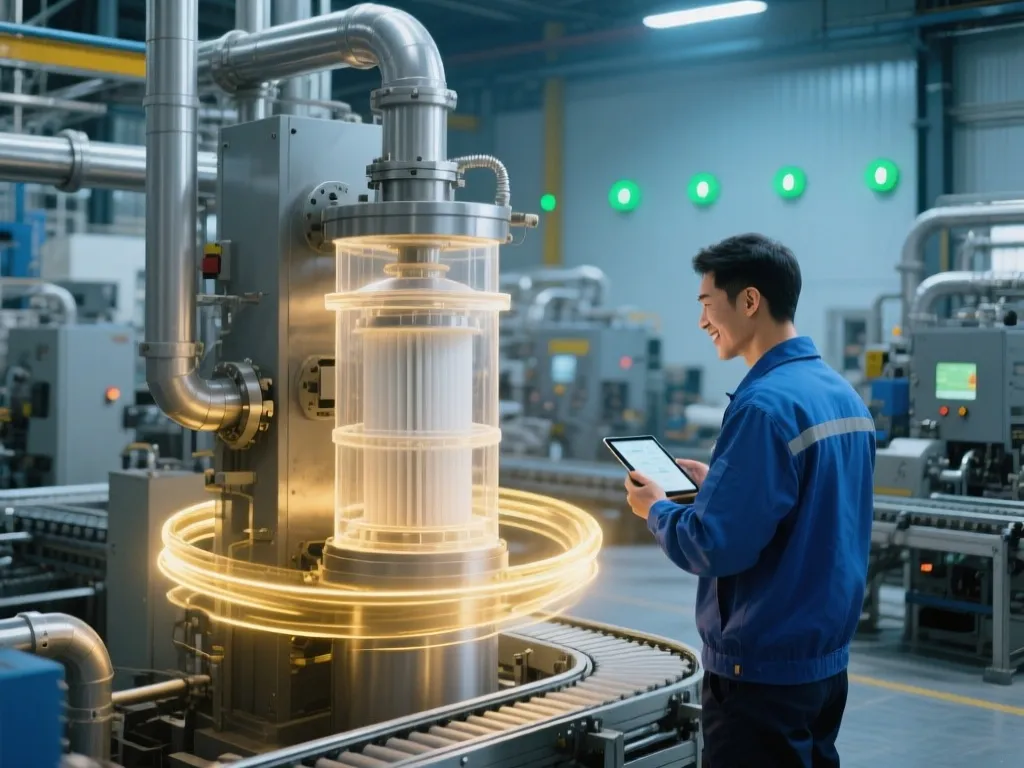
Imagine this: your production line is humming smoothly, orders are flowing in, and everything seems perfect. Suddenly, a filter issue brings everything to a grinding halt. Sound familiar? For industrial managers and maintenance teams, How to avoid production shutdown due to filter issues? isn’t just a question—it’s a critical mission. In this blog, we’ll dive deep into the common causes of filter-related production shutdowns and arm you with practical strategies to keep your operations running smoothly. Ready to turn filter nightmares into a thing of the past?
Common Causes of Production Shutdown Due to Filter Issues: A Comprehensive Analysis
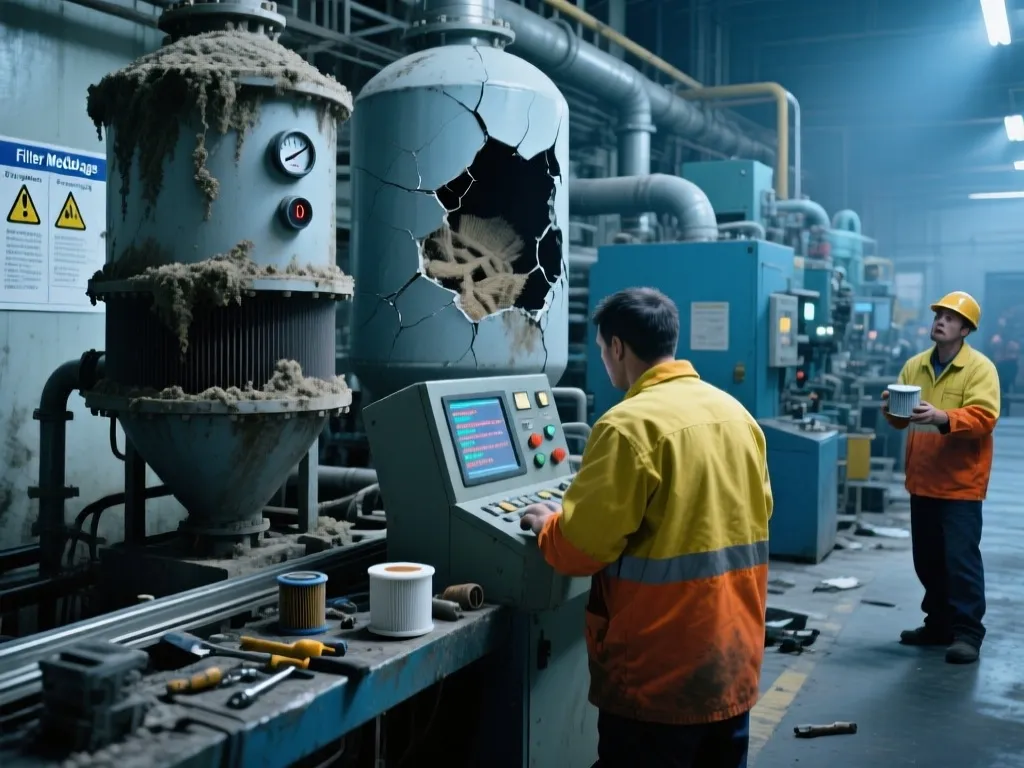
When it comes to industrial operations, production shutdowns are the stuff of nightmares. They not only disrupt workflows but also lead to significant financial losses. Among the myriad factors that can trigger a production halt, filter issues often play a pivotal role. Let’s delve into the common causes of production shutdowns due to filter problems, exploring the intricacies of filter media blockage, equipment aging, and improper operation. Filter media blockage is perhaps the most straightforward yet frequently overlooked cause of production shutdowns. Imagine a busy production line where filters are tasked with removing impurities from liquids or gases. Over time, these impurities accumulate on the filter media, gradually reducing its permeability. Initially, this might manifest as a slight drop in flow rate, barely noticeable amidst the hum of machinery. However, as the blockage worsens, the flow rate plummet, and the system struggles to maintain pressure. Eventually, the filter becomes completely clogged, forcing the production line to a grinding halt. This scenario is all too common in industries where filters are subjected to high loads of contaminants, such as in chemical processing or wastewater treatment. But why does filter media blockage occur so frequently? One reason is the lack of regular maintenance. Filters, like any other equipment, require periodic cleaning or replacement to function optimally. Unfortunately, in the fast-paced world of industrial production, maintenance tasks often take a backseat to immediate production needs. This oversight can lead to severe consequences, as a clogged filter not only stops production but also puts additional strain on downstream equipment, potentially causing further damage. Another significant cause of production shutdowns due to filter issues is equipment aging. Industrial filters are subjected to harsh operating conditions, including high temperatures, corrosive chemicals, and mechanical stress. Over time, these factors take their toll on the filter components, leading to wear and tear. For instance, the filter housing might develop cracks or leaks, allowing contaminants to bypass the filter media entirely. Similarly, the filter elements themselves might degrade, losing their structural integrity and becoming less effective at capturing impurities. Equipment aging is a gradual process, often going unnoticed until it’s too late. A filter that has been in service for years might appear to be functioning normally on the surface, but beneath the hood, its performance could be severely compromised. This is why regular inspections and timely replacements are crucial to preventing production shutdowns. By proactively monitoring the condition of your filters, you can identify signs of aging before they escalate into major problems. Improper operation is yet another common culprit behind production shutdowns due to filter issues. In many industrial settings, filters are operated by personnel who may not have received adequate training on their proper use and maintenance. As a result, filters might be subjected to operating conditions that exceed their design limits, such as excessive pressure differentials or flow rates. These conditions can accelerate filter media blockage, cause physical damage to the filter components, or even lead to catastrophic failures. Improper operation can also manifest in the form of incorrect filter selection. Not all filters are created equal; each type is designed to handle specific types of contaminants and operating conditions. Using the wrong filter for a particular application can result in subpar performance and increased risk of production shutdowns. For example, a filter designed for low-viscosity liquids might not be suitable for handling high-viscosity oils, leading to rapid clogging and system failure. In conclusion, production shutdowns due to filter issues are a multifaceted problem with several underlying causes. Filter media blockage, equipment aging, and improper operation are among the most common culprits. By understanding these causes and taking proactive measures to address them, you can significantly reduce the risk of production halts and ensure the smooth operation of your industrial processes.
Filter Media Blockage: The Silent Killer of Production
Filter media blockage is a gradual process that often goes unnoticed until it’s too late. As impurities accumulate on the filter media, the flow rate decreases, and pressure builds up. Eventually, the filter becomes completely clogged, stopping production in its tracks. Regular maintenance, including cleaning or replacing filters, is essential to prevent this scenario.
Equipment Aging: The Inevitable Decline
Industrial filters are subjected to harsh conditions that accelerate wear and tear. Over time, components like filter housings and elements degrade, losing their effectiveness. Regular inspections and timely replacements are crucial to preventing production shutdowns due to equipment aging.
Improper Operation: A Recipe for Disaster
Improper operation, whether due to lack of training or incorrect filter selection, can lead to rapid filter media blockage, physical damage, or even catastrophic failures. Ensuring that personnel are properly trained and that the right filters are used for each application is key to avoiding production shutdowns.
Preventive Strategies: Tailored Measures Based on Common Causes
Now that we’ve dissected the root causes of production shutdowns due to filter issues, it’s time to roll up our sleeves and dive into the proactive strategies that can keep your production line humming smoothly. Remember, prevention is always better than cure, especially when it comes to industrial operations where downtime can cost a fortune. Let’s explore how you can safeguard your production from filter-related disruptions.
First and foremost, regular replacement of filter media is a cornerstone of preventive maintenance. Think of filter media as the lungs of your industrial system; just as our lungs need clean air to function optimally, your filters need fresh media to efficiently capture contaminants. But how often should you replace them? Well, it depends on several factors, including the type of media, the nature of the contaminants, and the operating conditions. A good rule of thumb is to follow the manufacturer’s recommendations, but don’t be afraid to adjust based on your specific observations. For instance, if you notice a significant drop in pressure across the filter or an increase in the frequency of cleaning cycles, it might be time to swap out the media. By staying ahead of the curve, you can prevent clogs and ensure consistent performance.
Next up, strengthening equipment maintenance is crucial. Filters don’t operate in isolation; they’re part of a larger system that includes pumps, valves, and other components. Regular inspections and maintenance of these interconnected parts can prevent minor issues from snowballing into major problems. For example, a worn-out seal on a filter housing can lead to leaks, which not only compromise the filter’s effectiveness but also create safety hazards. Similarly, a malfunctioning pump can reduce the flow rate through the filter, causing it to become overloaded and clog prematurely. By conducting routine checks and addressing potential issues promptly, you can keep your entire filtration system in top shape.
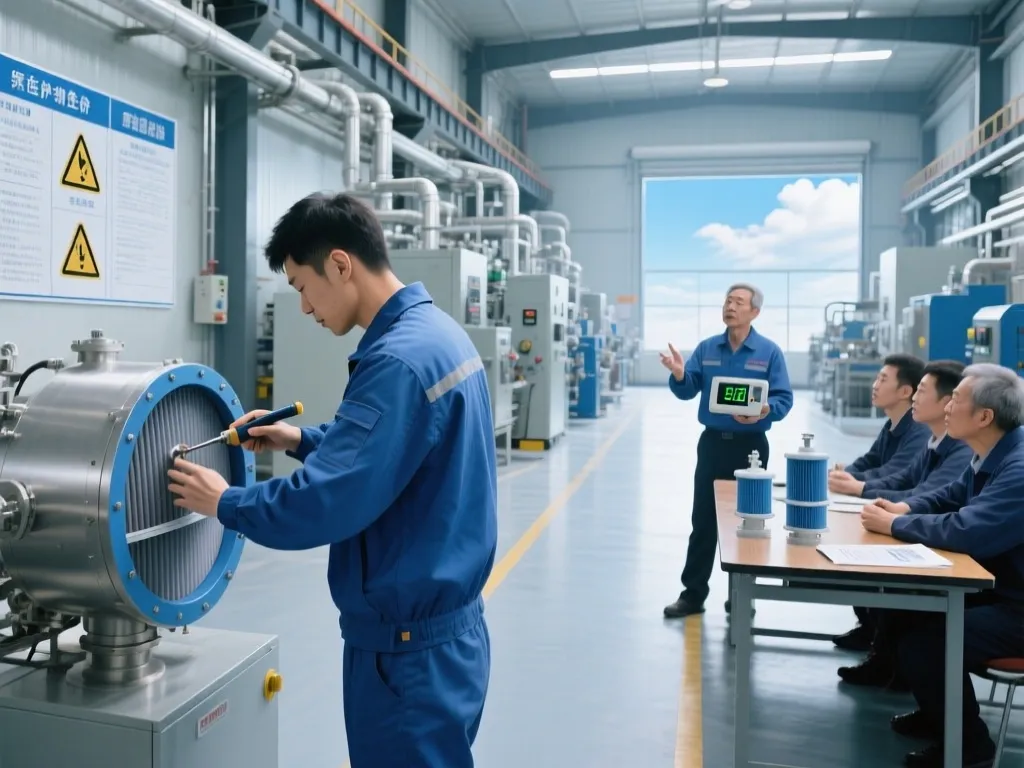
Training your operators is another key piece of the puzzle. Even the best filters and maintenance routines can fall short if the people operating them don’t know what they’re doing. That’s why investing in operator training is a smart move. Provide comprehensive training on how to operate the filters correctly, including how to monitor pressure differentials, recognize signs of clogging, and perform basic troubleshooting. Encourage your operators to ask questions and share their observations; after all, they’re the ones on the front lines, and their insights can be invaluable in identifying potential problems before they escalate. By empowering your operators with the knowledge and skills they need, you can create a culture of proactive maintenance and reduce the risk of filter-related production shutdowns.
Regular Replacement of Filter Media
Regular replacement of filter media is essential for maintaining optimal filtration performance. By following manufacturer guidelines and adjusting based on specific observations, you can prevent clogs and ensure consistent operation. This proactive approach not only extends the lifespan of your filters but also reduces the risk of unexpected downtime.
Strengthening Equipment Maintenance
Strengthening equipment maintenance involves conducting routine inspections and addressing potential issues promptly. By paying attention to interconnected components like pumps and valves, you can prevent minor problems from escalating into major disruptions. This holistic approach to maintenance ensures that your entire filtration system operates smoothly and efficiently.
Training Your Operators
Training your operators is crucial for ensuring that your filtration system operates correctly. By providing comprehensive training on operation, monitoring, and troubleshooting, you can empower your operators to identify potential problems early and take corrective action. This proactive stance reduces the risk of filter-related production shutdowns and fosters a culture of continuous improvement.
Case Studies: The Dire Consequences of Filter-Induced Production Shutdowns and the Triumph of Preventive Strategies
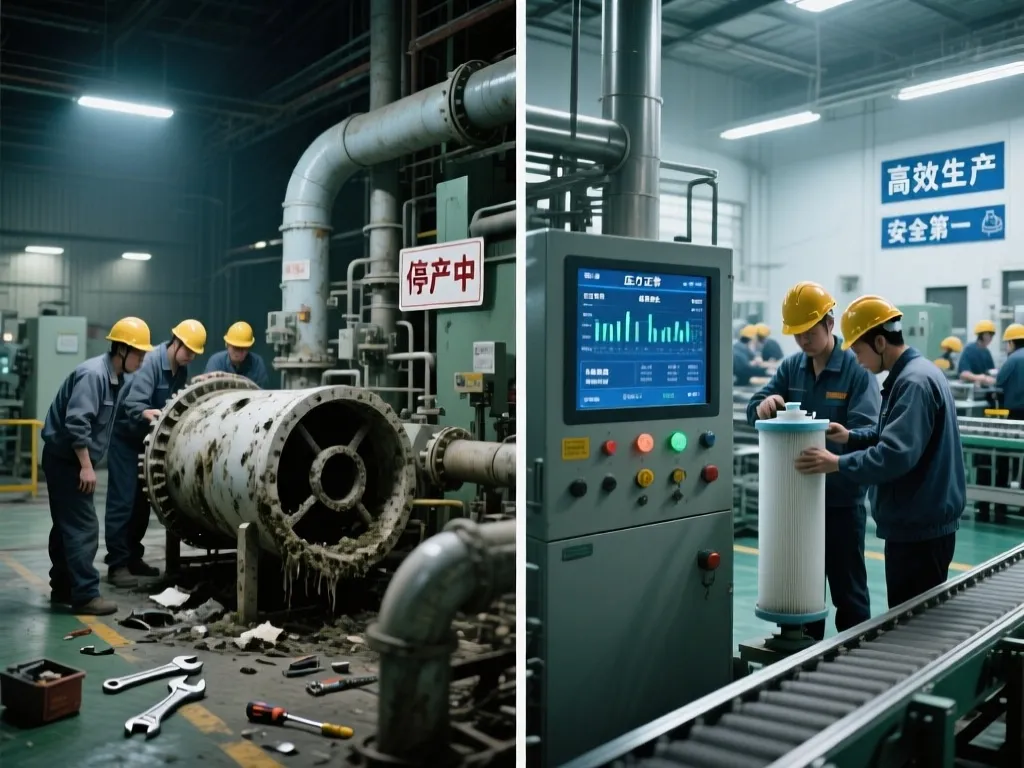
Let’s dive into real-world scenarios where filter issues have brought production to a grinding halt, and how implementing preventive measures turned the tide. Imagine a large-scale chemical processing plant, where the smooth flow of operations is crucial for meeting deadlines and maintaining profitability. One fateful day, a critical filter in the production line became severely clogged. The filter, designed to remove impurities from a chemical solution, had been operating beyond its recommended service life. As a result, the flow rate of the solution dropped dramatically, causing a chain reaction throughout the plant. Machines downstream started to malfunction due to the lack of proper chemical supply, and within hours, the entire production line came to a standstill. The consequences were dire. The plant had to halt production for over 48 hours, resulting in a loss of thousands of dollars in revenue per hour. Additionally, the cost of repairing the damaged equipment and cleaning up the clogged filter system added a hefty sum to the overall expenses. The plant’s reputation also took a hit, as it failed to deliver on time to its clients, leading to potential long-term business losses.
Now, let’s shift our focus to a food processing facility that faced a similar predicament. Here, the filter’s role was to ensure the purity of the water used in various stages of food production. However, due to inadequate maintenance, the filter started to leak, allowing contaminants to enter the water supply. This not only compromised the quality of the final products but also posed a serious health risk to consumers. When the issue was finally detected, the plant had no choice but to shut down operations immediately to investigate and rectify the problem. The shutdown lasted for several days, causing a significant backlog in orders and a substantial financial loss.
But what if these plants had implemented preventive strategies beforehand? Let’s look at another example, a pharmaceutical manufacturing company that took proactive measures to avoid filter-related production shutdowns. They recognized the importance of regular filter maintenance and replacement. By setting up a strict maintenance schedule, they ensured that filters were replaced before they reached their end-of-life. They also trained their staff on proper filter handling and installation techniques to prevent any operational errors. As a result, the company has not experienced a single production shutdown due to filter issues in the past five years. Their production efficiency has improved significantly, and they have gained a reputation for reliable and high-quality products in the market.
Another success story comes from an automotive parts manufacturing plant. They invested in advanced filter monitoring systems that continuously track the performance of filters in real-time. These systems alert the maintenance team when a filter is approaching its capacity or showing signs of malfunction. This early warning system allows the plant to take immediate action, such as replacing the filter or conducting necessary repairs, before it causes any production disruptions. Since implementing this preventive strategy, the plant has seen a drastic reduction in production downtime and a substantial increase in overall productivity.
Production shutdowns due to filter issues are more than just inconveniences; they’re costly disruptions that can cripple your business. But now you know How to avoid production shutdown due to filter issues—by understanding the root causes, implementing proactive maintenance, and learning from real-world examples. Don’t wait for the next filter failure to strike. Take action today: review your current filter maintenance protocols, train your team on best practices, and consider upgrading to smarter, more reliable filtration systems. The road to uninterrupted production starts here—what’s your first step going to be?