
When it comes to industrial dust collection, choosing the right filter bag for dust collector in industrial settings can make or break your system’s performance. You’re not just selecting a component; you’re investing in cleaner air, reduced maintenance, and long-term cost savings. But with so many materials, efficiency ratings, and lifespan claims out there, how do you cut through the noise? This guide dives deep into the three pillars of filter bag selection: material science, efficiency trade-offs, and economic lifespan. By the end, you’ll know exactly what to look for—and what pitfalls to avoid—when upgrading your industrial dust collector.
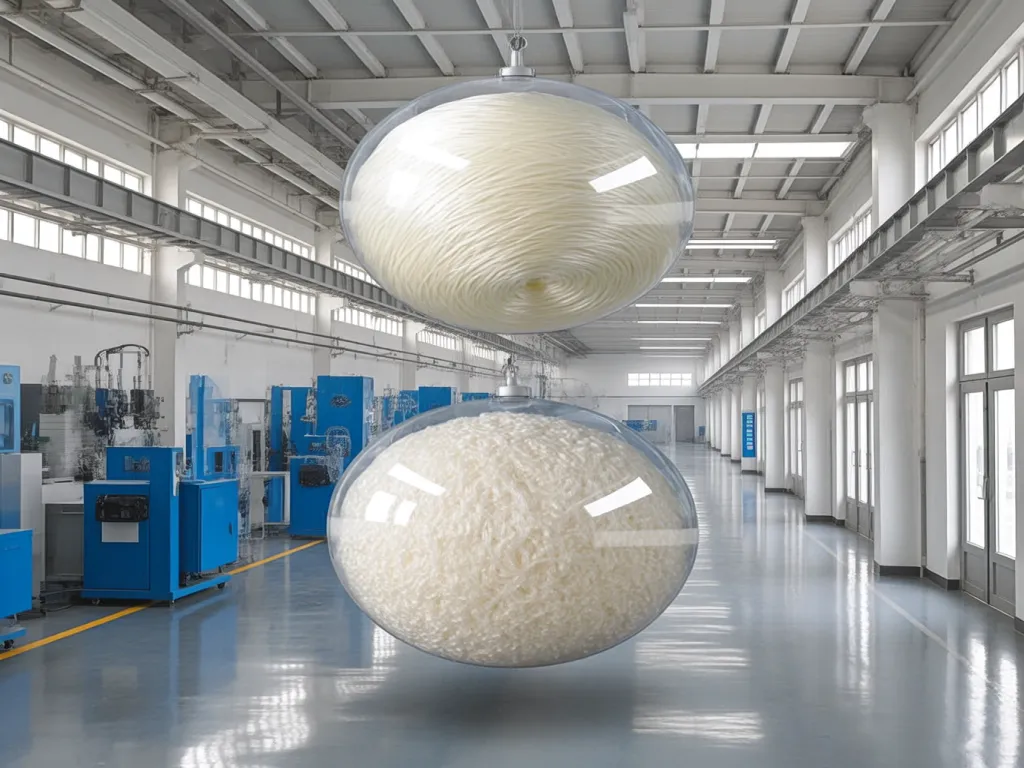
The Art of Material Selection: Exploring the Suitability of Different Materials (Such as Polyester, Polypropylene, Fiberglass, etc.) in Industrial Dust Collection
When it comes to choosing the right filter bag for dust collectors in industrial settings, the material selection is not just a matter of preference; it’s a critical decision that impacts performance, durability, and cost-effectiveness. Let’s dive into the world of filter bag materials—polyester, polypropylene, and fiberglass—to understand their unique properties and how they fit into different industrial environments.
Polyester filter bags are a popular choice due to their excellent balance of cost, performance, and versatility. They offer good resistance to abrasion and can withstand temperatures up to around 130°C (266°F), making them suitable for a wide range of industrial applications. But what sets polyester apart is its chemical stability. It’s relatively resistant to most acids and alkalis, though it may not fare well against strong oxidizing agents. This makes polyester a go-to option for industries like food processing, pharmaceuticals, and general manufacturing where moderate temperatures and chemical exposure are common. For those seeking a high-performance filtration bag solution, polyester options are often considered.
Now, let’s talk about polypropylene. If you’re dealing with highly corrosive environments or need a filter bag that can handle lower temperatures more effectively, polypropylene might be your answer. Polypropylene filter bags excel in chemical resistance, particularly against acids and alkalis, and can operate at temperatures up to about 90°C (194°F). They’re also lightweight and have a lower moisture absorption rate compared to polyester, which can be beneficial in humid conditions. Industries such as chemical processing, wastewater treatment, and metal finishing often opt for polypropylene due to its robustness in harsh chemical environments. For a high-efficiency filtration bag solution in corrosive settings, polypropylene is a strong contender.
Fiberglass filter bags, on the other hand, are the heavyweights in the world of high-temperature resistance. Capable of withstanding continuous operating temperatures up to 260°C (500°F) and even short-term spikes beyond that, fiberglass is the material of choice for industries like cement production, steel manufacturing, and incineration plants. However, fiberglass isn’t just about heat resistance; it also offers good chemical inertness, though it’s not as resistant to strong acids as polypropylene. The trade-off? Fiberglass can be more brittle and prone to abrasion, so it’s not ideal for applications with high particulate loads or frequent cleaning cycles. For applications requiring extreme temperature resistance, consider exploring our basalt fiber filter bag options.
So, how do you decide which material is right for your industrial dust collection needs? It boils down to understanding your specific operating conditions: temperature ranges, chemical exposures, and mechanical stresses. Ask yourself: What’s the maximum temperature my process generates? Are there any corrosive substances present? How abrasive is the dust I’m collecting? By answering these questions, you can narrow down your options and select a filter bag material that offers the best combination of performance, durability, and cost-efficiency for your unique situation.
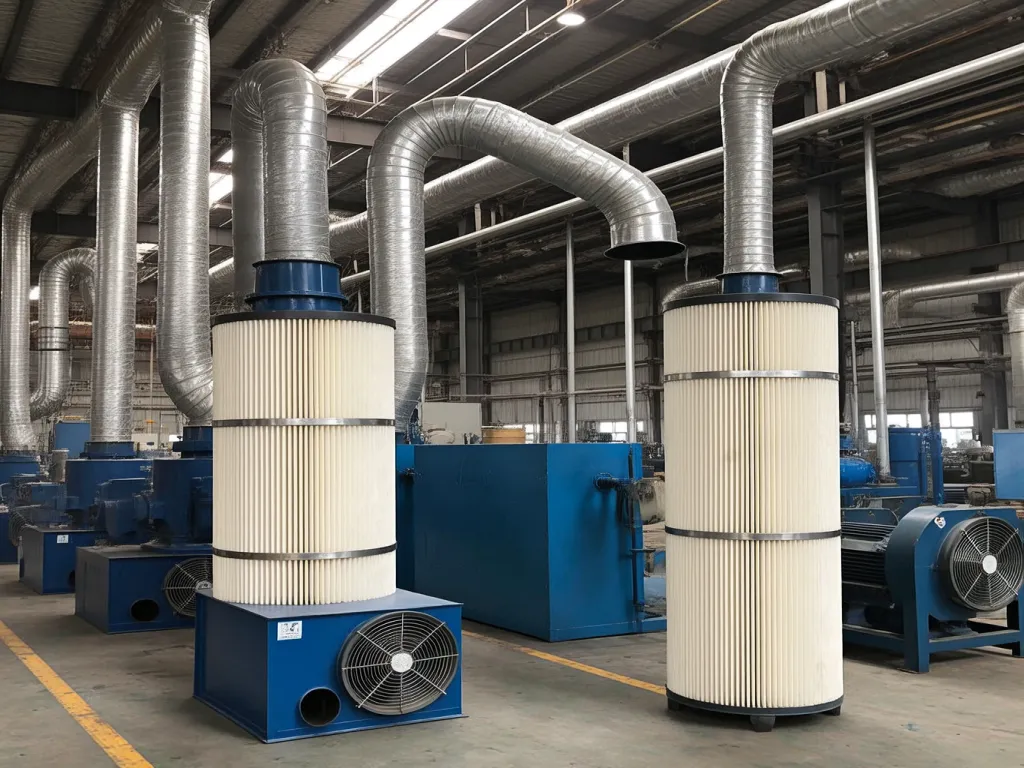
Filter Efficiency Trade-offs: Analyzing the Impact on Dust Collection and Pressure Drop Challenges
When it comes to selecting the right filter bag for dust collectors in industrial settings, the conversation often circles around filter efficiency. But what exactly does ‘filter efficiency’ mean, and why does it matter so much? Let’s break it down. Filter efficiency refers to the percentage of particulate matter that a filter bag can capture from the air stream passing through it. The higher the efficiency, the cleaner the air exiting the system. However, this isn’t a simple case of ‘more is better.’ High-efficiency filter bags, while excellent at trapping fine particles, often come with a trade-off: increased pressure drop. Imagine trying to drink a thick milkshake through a narrow straw versus a wide one. The thicker the shake (or in our case, the finer the particles trapped by the filter), the harder it is to pull through (increased pressure drop). This analogy helps illustrate how high-efficiency filters can create resistance, requiring more energy from your dust collector’s fan to maintain airflow. So, where’s the sweet spot? Finding the balance between filter efficiency and pressure drop is crucial. It’s about understanding your specific industrial needs. Are you dealing with extremely fine dust that demands high-efficiency filtration? Or can you tolerate slightly lower efficiency if it means significantly lower energy consumption? Consider a cement plant versus a woodworking shop. The former generates extremely fine particulates that require high-efficiency filters to meet environmental regulations, while the latter might prioritize lower pressure drop for cost savings. Moreover, the type of dust collector system you have plays a role. Pulse-jet collectors, for instance, can handle higher pressure drops more efficiently than shaker or reverse-air collectors. This means you might opt for a higher-efficiency filter bag, such as the high-performance filtration bag, if your system is designed to accommodate the extra resistance. But how do you quantify this balance? One approach is to look at the total cost of ownership. High-efficiency filters might cost more upfront and increase energy bills, but they could reduce maintenance costs by trapping more particles and extending the lifespan of downstream equipment. Conversely, lower-efficiency filters might save on initial costs and energy but require more frequent replacement and potentially higher maintenance costs due to increased dust leakage. It’s also worth considering the environmental impact. In regions with strict emissions regulations, using high-efficiency filters might be non-negotiable, even if it means higher operational costs. On the flip side, in areas with looser regulations, you might have more flexibility to choose based on cost-effectiveness. Ultimately, the decision hinges on a thorough analysis of your industrial processes, the nature of the dust generated, your system’s capabilities, and your budget constraints. Don’t be afraid to consult with filter bag manufacturers or industry experts. They can provide valuable insights tailored to your specific situation, helping you navigate the complex landscape of filter efficiency and pressure drop. Remember, the goal is to find the optimal point where your dust collection system performs efficiently, economically, and environmentally responsibly. It’s a balancing act, but with the right information and guidance, you can make an informed decision that benefits your bottom line and the planet.
The Science Behind Filter Efficiency
Filter efficiency isn’t just a number; it’s a result of complex interactions between the filter media, particle size, and airflow dynamics. Understanding the science can help you appreciate why certain filters perform better in specific scenarios. For instance, filter bags made from glass fiber tend to have higher efficiency for fine particles due to their small fiber diameter and high surface area. On the other hand, polyester filters might be more suitable for coarser dust where high efficiency isn’t as critical. The key is to match the filter media’s properties with the dust characteristics in your facility. For applications requiring high-temperature resistance, consider the basalt fiber filter bag, which offers exceptional durability in extreme conditions.
Pressure Drop: The Hidden Cost
Pressure drop, often overlooked, can significantly impact your operational costs. As filters capture more particles, they become clogged, increasing resistance to airflow. This forces the fan to work harder, consuming more energy. In some cases, the increased pressure drop can even lead to system downtime if the fan can’t keep up. Regular maintenance, such as pulse cleaning in pulse-jet collectors, can help mitigate this, but it’s essential to factor in the long-term energy costs when choosing filter efficiency. For a balance between efficiency and cost, explore options like the high-efficiency filtration bag, which optimizes performance while minimizing pressure drop.
Case Studies: Real-World Implications
Looking at real-world examples can provide valuable insights. A metal fabrication plant switched to high-efficiency filter bags to comply with stricter air quality standards. While the initial investment was higher, the reduction in dust emissions led to fewer regulatory fines and improved worker health, justifying the cost. Conversely, a small bakery opted for lower-efficiency filters to save on energy bills. Though they experienced slightly more dust in the air, the cost savings outweighed the minor inconvenience, proving that sometimes, lower efficiency can be the right choice.
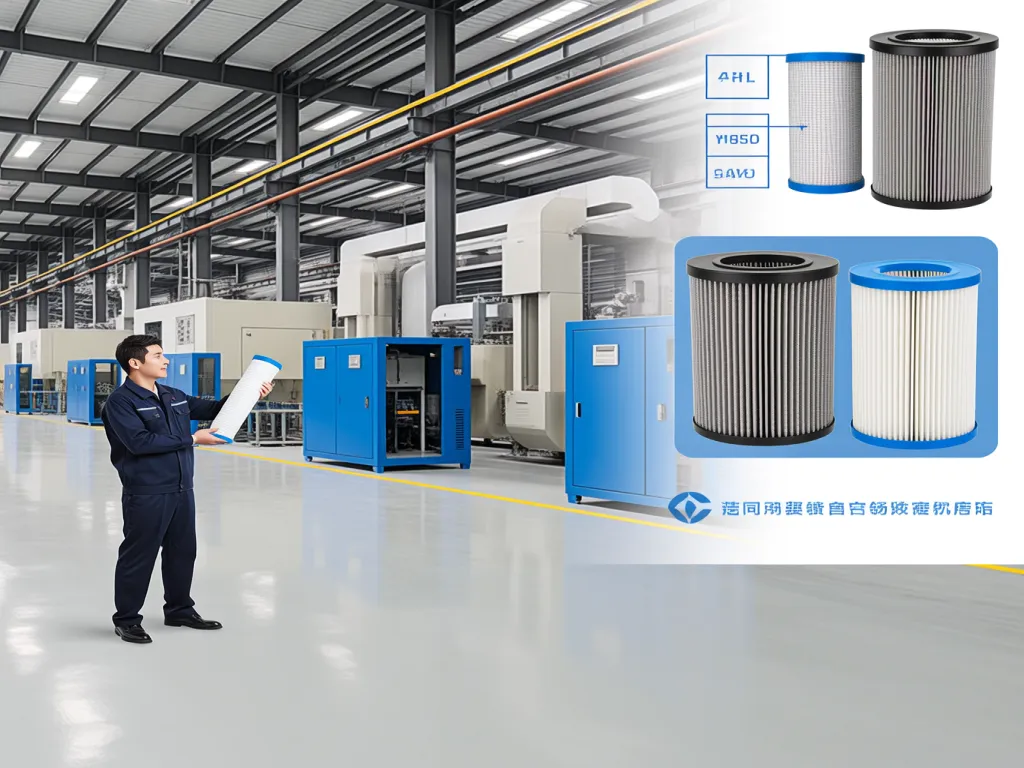
The Economic Ledger of Service Life: Evaluating the Impact of Filter Bag Longevity on Long-Term Operational Costs
When it comes to industrial dust collectors, the filter bag isn’t just a component—it’s the heart of the system. Its service life directly influences your bottom line, affecting everything from replacement frequency to maintenance expenses and even unexpected downtime. So, how do you calculate the true cost of a filter bag over its lifespan? Let’s break it down.
First, consider replacement frequency. A filter bag that lasts twice as long as another may seem more expensive upfront, but if it halves your replacement costs over a year, the savings add up quickly. For instance, if a standard filter bag costs $100 and needs replacing every six months, that’s $200 annually. Now, imagine a premium filter bag priced at $150 but lasting a full year. The annual cost drops to $150, saving you $50 per year per bag. Multiply that across dozens or hundreds of bags in a large facility, and the numbers become substantial.
Next, maintenance costs. Filter bags with shorter lifespans often require more frequent inspections, cleanings, and adjustments. Each maintenance cycle incurs labor costs, potential downtime, and even the risk of damaging the bag during handling. Longer-lasting bags reduce these cycles, lowering both direct and indirect maintenance expenses. For example, a facility using shorter-lived bags might spend $5,000 annually on maintenance, while a switch to longer-lasting bags could cut that by 30%, saving $1,500 yearly.
Then there’s the cost of downtime. When a filter bag fails unexpectedly, production halts. Every minute of downtime costs money—lost output, missed deadlines, and even penalties for late deliveries. A longer-lasting filter bag reduces the risk of sudden failures, minimizing unplanned stops. Let’s say a 30-minute shutdown costs $2,000 in lost production. If a shorter-lived bag causes two such shutdowns a year, that’s $4,000 lost. A more durable bag might eliminate one of those, saving $2,000 annually.
But how do you know which bag truly lasts longer? Look for manufacturers that provide lifespan guarantees or detailed performance data. Some bags are engineered for specific industries, like cement plants or foundries, where harsh conditions demand extra durability. For example, our basalt fiber filter bag is designed to withstand extreme temperatures, making it ideal for such demanding environments. Others use advanced materials, such as coated fabrics or composite fibers, to resist wear and tear.
Don’t overlook the role of proper installation and usage, either. Even the best filter bag can fail prematurely if installed incorrectly or operated outside its recommended parameters. Training staff on correct handling and monitoring pressure drops can extend a bag’s life significantly.
So, when evaluating filter bags, ask yourself: What’s the total cost of ownership over three years? Include purchase price, replacement costs, maintenance, and downtime. Often, the ‘cheaper’ bag ends up being the most expensive option in the long run.
Ultimately, choosing a filter bag with a longer service life isn’t just about saving money—it’s about ensuring consistent performance, reducing headaches, and keeping your operations running smoothly. Isn’t that worth investing a little more upfront?
Calculating Total Cost of Ownership (TCO)
Total Cost of Ownership (TCO) is your compass here. It accounts for every expense tied to the filter bag over its useful life. Start with the purchase price, but don’t stop there. Factor in installation costs, energy consumption (since clogged bags increase fan load), disposal fees for used bags, and storage costs for spares. Then, project these costs over the bag’s expected lifespan. A TCO analysis often reveals that a higher-priced bag with a longer life is cheaper overall than a lower-priced, shorter-lived alternative. For example, a $200 bag lasting three years might cost $66.67 annually, while a $100 bag lasting one year costs $100 annually—plus all the associated maintenance and downtime costs.
Industry-Specific Considerations
Different industries face unique challenges. A filter bag in a food processing plant must meet strict hygiene standards, while one in a steel mill must withstand extreme temperatures and abrasive particles. Tailor your choice to your industry’s demands. For instance, in the pharmaceutical sector, where contamination is unacceptable, opt for bags with antistatic properties and FDA-approved materials. In contrast, a power plant might prioritize bags that resist acid gases and moisture. Understanding your industry’s specifics ensures you pick a bag that not only lasts but performs optimally in your environment. For specialized solutions, explore options like our high-performance filtration bag or high-efficiency filtration bag, designed to meet stringent industrial requirements.
The Role of Supplier Support
Don’t underestimate the value of a responsive supplier. A good supplier provides technical support, troubleshooting guides, and even on-site assistance. They can help optimize your bag usage, recommend the right product for your needs, and offer training to your staff. This support can extend bag life and prevent costly mistakes. For example, a supplier who helps you adjust your cleaning cycle frequency can reduce premature bag wear, saving you money in the long run. Look for suppliers with a proven track record in your industry and a willingness to partner with you for success.
Selecting the ideal filter bag for dust collector in industrial settings isn’t just about specs on paper—it’s about matching your operational demands with real-world performance. We’ve explored how material properties impact durability, why balancing efficiency and pressure drop saves energy, and how longer-lasting filter bags reduce total cost of ownership. Now it’s your turn: review your current system’s pain points, cross-reference them with the insights from this guide, and prioritize upgrades that deliver measurable ROI. Ready to transform your dust collection process? Share this guide with your team or explore our material comparison tool to find your perfect filter bag match today.
n
Need Help Selecting the Right Filter?
Share your application, operating conditions, required efficiency or micron rating, dimensions, and quantity. Our filtration team will help identify a suitable solution.