
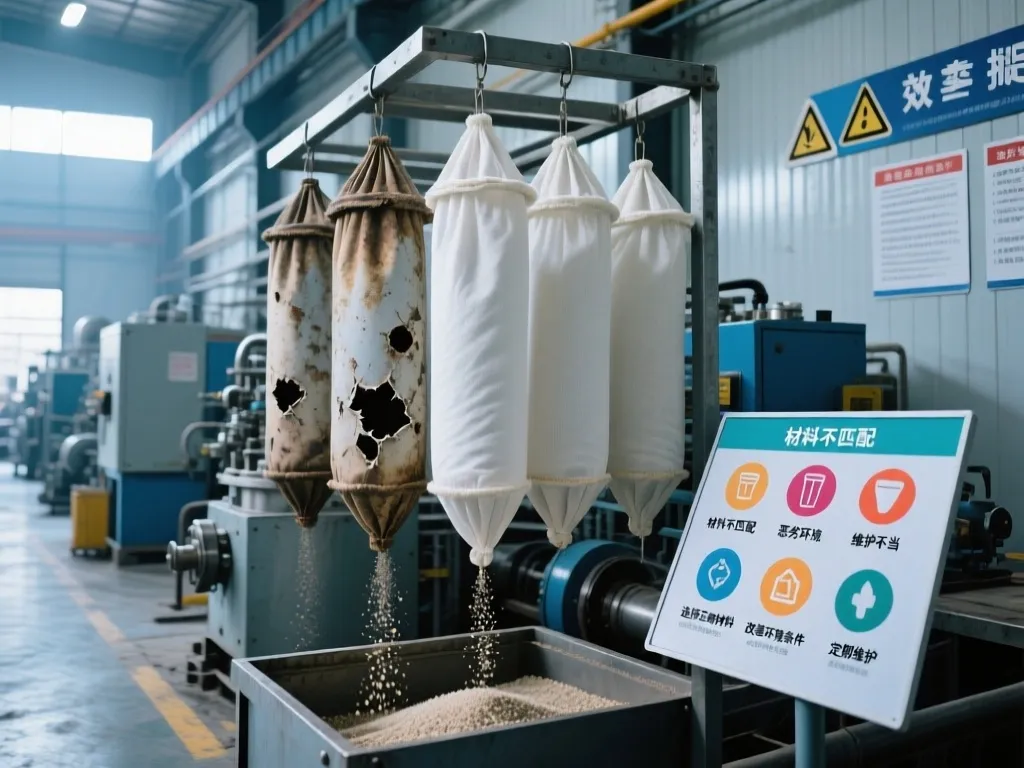
Ever wondered why your industrial filter bags seem to give up the ghost way too soon? It’s a common headache for many in the industry, but understanding Why do industrial filter bags wear out fast? is the first step to solving the problem. From the wrong material choices to harsh operating conditions, there are several culprits at play. In this blog, we’ll dive deep into the reasons behind this issue and arm you with practical solutions to extend your filter bags’ lifespan.
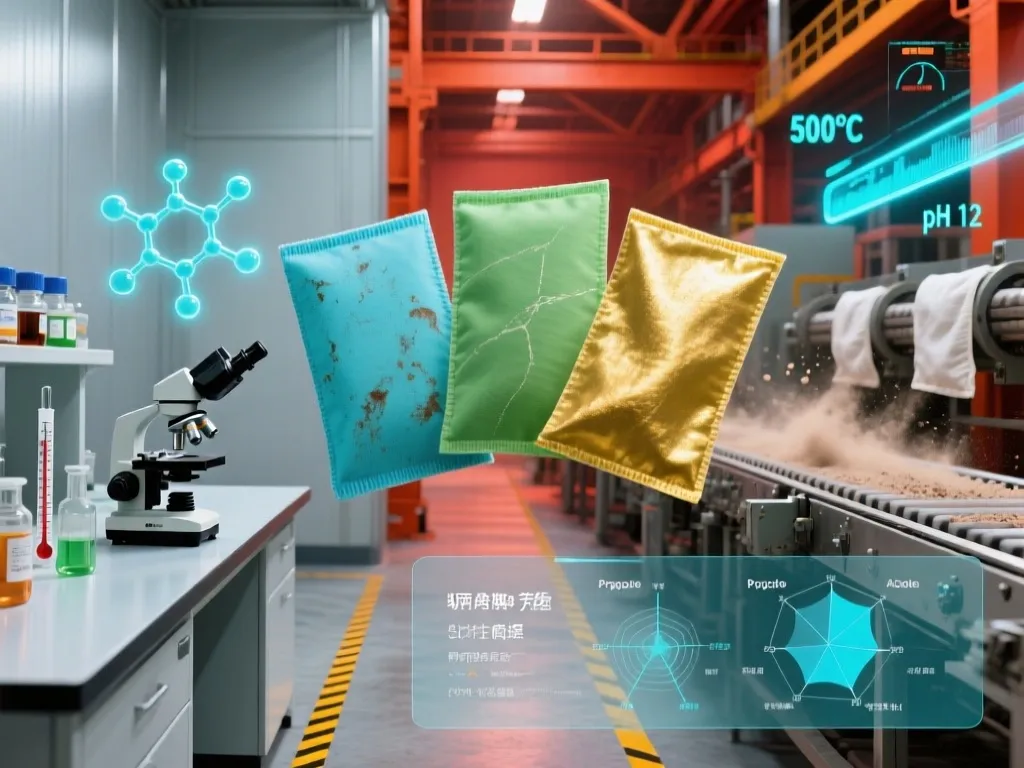
Material Selection Pitfalls: Analyzing Wear and Corrosion Resistance of Different Filter Bag Materials and How to Choose Right One Based on Conditions
When it comes to industrial filter bags, material selection is a make-or-break decision. You might be wondering, ‘Why do my industrial filter bags wear out so fast?’ Well, the answer often lies in the materials used. Let’s dive deep into the world of filter bag materials and understand how their properties affect their lifespan. First up, polyester filter bags. Polyester is a common choice due to its cost-effectiveness. It has decent wear resistance in normal conditions. However, when exposed to high temperatures or certain chemicals, its performance can deteriorate rapidly. For instance, in a cement plant where the dust contains alkaline substances, polyester bags may start to degrade quickly because of chemical reactions. This leads to frequent replacements and increased downtime. Next, consider polypropylene filter bags. These are known for their excellent chemical resistance. They can withstand a wide range of acids and alkalis. But here’s the catch – their wear resistance is relatively lower compared to some other materials. In a mining operation where the dust is abrasive, polypropylene bags may wear out faster as the particles constantly rub against the fabric. This means you’ll need to replace them more often, adding to your operational costs. Now, let’s talk about aramid filter bags. Aramid is a high-performance material with great wear and heat resistance. It can handle extremely high temperatures, making it ideal for applications like incineration plants. But aramid bags come at a higher price. If you’re operating in a low-temperature environment with non-abrasive dust, using aramid bags would be an overkill and a waste of money. On the other hand, if you ignore the high-temperature requirements and use a less heat-resistant material like polyester in an incineration plant, the bags will quickly fail, causing production disruptions. So, how do you choose the right material for your specific work conditions? Start by analyzing the nature of the dust or particles you’re filtering. Is it abrasive? If so, you need a material with high wear resistance like aramid or certain types of coated fabrics. For high-efficiency filtration solutions, consider high-efficiency 1-micron filtration filter bags. Are there any chemicals present? If yes, check the chemical compatibility of different materials. For example, if you’re dealing with strong acids, polypropylene might be a better option than polyester. Temperature is another crucial factor. Make sure the material can withstand the operating temperature without losing its structural integrity. Also, consider the airflow rate. High airflow can put more stress on the filter bags, so you may need a stronger material. In addition to these technical aspects, cost is always a consideration. While high-performance materials may offer better durability, they also come with a higher price tag. You need to strike a balance between the initial cost and the long-term benefits of reduced replacements and downtime. Let me share a real-world example. A steel plant was facing frequent filter bag failures. After analyzing their work conditions, they found that the dust contained a high amount of iron oxide, which is abrasive. They were initially using polyester bags, which were wearing out quickly. By switching to aramid bags, they significantly reduced the replacement frequency and improved the overall efficiency of their filtration system. In conclusion, choosing the right material for your industrial filter bags is not a one-size-fits-all approach. You need to carefully evaluate your work conditions, including the nature of the dust, temperature, chemicals, and airflow rate. By doing so, you can select a material that offers the best combination of wear resistance, corrosion resistance, and cost-effectiveness, thereby extending the lifespan of your filter bags and reducing your operational costs.
Polyester Filter Bags: Pros and Cons
Polyester filter bags are widely used due to their affordability. They have good wear resistance under normal circumstances. However, they are vulnerable to high temperatures and certain chemicals. In environments with alkaline dust, like cement plants, they can degrade rapidly, leading to frequent replacements and increased production interruptions.
Polypropylene Filter Bags: Chemical Resistance vs. Wear Resistance
Polypropylene bags excel in chemical resistance, handling a variety of acids and alkalis. But their wear resistance is relatively low. In abrasive environments such as mining operations, the constant rubbing of particles against the fabric can cause them to wear out quickly, increasing the need for replacements. For a durable solution in refinery industries, you might want to explore carbon black fiberglass filter bags.
Aramid Filter Bags: High Performance at a Cost
Aramid is a high-performance material with excellent wear and heat resistance. It’s suitable for high-temperature applications like incineration plants. However, its high cost means it may not be the best choice for low-temperature, non-abrasive environments. Using the wrong material in high-temperature settings can lead to rapid bag failure. For high-efficiency dust collection solutions, consider high-efficiency dust collection filter bags.
Factors to Consider When Choosing Filter Bag Materials
When selecting filter bag materials, consider the nature of the dust (abrasive or not), the presence of chemicals and their compatibility with different materials, the operating temperature, and the airflow rate. Also, balance the initial cost with the long-term benefits of reduced replacements and downtime. For high-performance solutions tailored for industrial dust collectors, check out high-performance filter bags for industrial dust collectors.
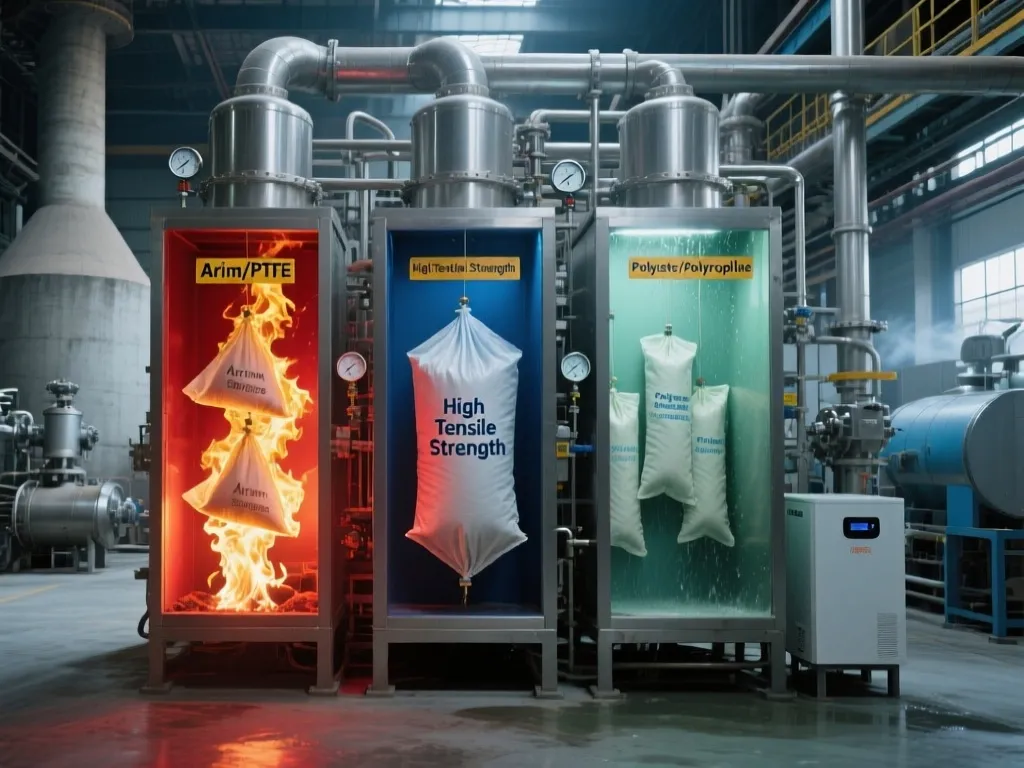
Impact of Harsh Environment: How High Temperature, Pressure, and Humidity Affect Filter Bags and How to Mitigate Wear through Environmental Control
When it comes to industrial filtration, the environment in which filter bags operate plays a pivotal role in determining their lifespan. Harsh conditions such as high temperature, high pressure, and high humidity can significantly accelerate the wear and tear of filter bags, leading to frequent replacements and increased operational costs. Let’s dive deeper into how each of these factors impacts filter bags and explore strategies to mitigate wear through environmental control.
High temperature environments are particularly challenging for filter bags. The heat can cause the filter material to degrade, lose its structural integrity, and become brittle. This not only reduces the filtration efficiency but also makes the filter bags more prone to tears and punctures. Imagine a filter bag working in a cement kiln or a steel mill’s blast furnace – the extreme heat can quickly turn a robust filter into a fragile one. To combat this, selecting filter bags made from heat-resistant materials like aramid fibers or PTFE (Polytetrafluoroethylene) is crucial. These materials can withstand high temperatures without compromising their filtration capabilities. For more information on high-performance filter bags for industrial dust collectors, visit High-Performance Filter Bags for Industrial Dust Collectors.
High pressure, on the other hand, exerts a mechanical stress on the filter bags. The constant pressure can cause the filter material to stretch, deform, or even rupture. This is especially true in applications like hydraulic systems or compressed air filtration, where the pressure can be substantial. To reduce wear under high pressure, it’s essential to choose filter bags with a high tensile strength and excellent pressure resistance. Additionally, ensuring proper installation and securing the filter bags to prevent movement or shifting under pressure can also help extend their lifespan.
High humidity environments pose a different set of challenges. Moisture can cause filter materials to swell, clog, or even support microbial growth, leading to a decline in filtration performance and an increase in wear. In industries like food processing or pharmaceuticals, where humidity control is critical, selecting filter bags with moisture-resistant properties is vital. Materials like polyester or polypropylene, which have low moisture absorption rates, are excellent choices for such applications. Moreover, implementing a dehumidification system in the filtration area can help maintain optimal humidity levels, reducing the risk of moisture-related wear.
So, how can you control the environment to minimize filter bag wear? First and foremost, conduct a thorough assessment of your operational environment to identify the key stressors – temperature, pressure, or humidity. Based on this assessment, select filter bags that are specifically designed to withstand these conditions. Additionally, consider implementing environmental control measures like temperature regulation systems, pressure relief valves, or dehumidifiers to create a more favorable operating environment for your filter bags. By taking these proactive steps, you can significantly extend the lifespan of your filter bags, reduce replacement costs, and ensure consistent filtration performance.
High Temperature Challenges and Solutions
High temperature environments are a common challenge in many industrial settings. The intense heat can cause filter materials to degrade rapidly, leading to reduced filtration efficiency and increased wear. To address this, opt for filter bags made from heat-resistant materials like aramid fibers or PTFE. These materials can withstand extreme temperatures without losing their structural integrity, ensuring long-lasting performance even in the harshest conditions. For efficient and cost-effective filtration solutions, check out High-Efficiency Industrial Bag Filters.
High Pressure Stress and Mitigation Strategies
High pressure can exert significant mechanical stress on filter bags, causing them to stretch, deform, or rupture. This is particularly problematic in applications like hydraulic systems or compressed air filtration. To mitigate wear under high pressure, choose filter bags with high tensile strength and excellent pressure resistance. Additionally, ensure proper installation and secure the filter bags to prevent movement or shifting under pressure, which can further reduce wear and tear.
High Humidity Issues and Moisture Control
High humidity environments can cause filter materials to swell, clog, or support microbial growth, leading to a decline in filtration performance and an increase in wear. To combat this, select filter bags with moisture-resistant properties like polyester or polypropylene. These materials have low moisture absorption rates, making them ideal for humid environments. Furthermore, implementing a dehumidification system in the filtration area can help maintain optimal humidity levels, reducing the risk of moisture-related wear and ensuring consistent filtration performance. For more on filter bags suitable for industrial dust collectors, see Filter Bags for Industrial Dust Collectors.
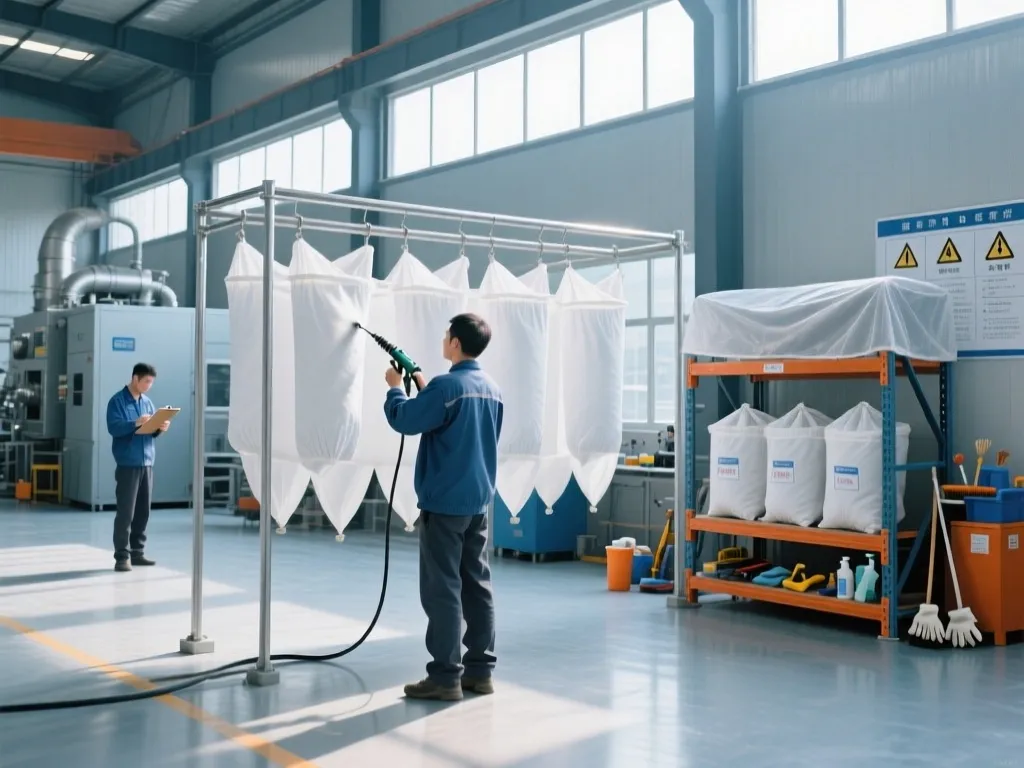
Proper Operation and Maintenance: The Key to Extending the Lifespan of Industrial Filter Bags
Ever wondered why your industrial filter bags seem to wear out faster than expected, even when you’ve chosen the right materials and tried to control the environment? Well, the answer might lie in how you’re operating and maintaining them. Proper operation and maintenance are absolutely crucial for extending the lifespan of your industrial filter bags. Let’s dive into the details and explore how you can keep your filter bags in top-notch condition for longer. First things first, regular cleaning is a must. Dust, debris, and other particles can accumulate on the surface of the filter bag over time, clogging the pores and reducing its filtration efficiency. This not only puts extra strain on the bag but also accelerates its wear and tear. So, how often should you clean your filter bags? It depends on several factors, such as the type of material, the nature of the contaminants, and the operating conditions. Generally speaking, a good rule of thumb is to inspect and clean your filter bags at least once a month. However, if you’re operating in a particularly dusty or harsh environment, you might need to clean them more frequently. When it comes to cleaning methods, there are several options available. One common method is to use compressed air to blow off the accumulated dust. This is a quick and easy way to clean the bags, but it might not be effective for removing stubborn particles. Another method is to use a vacuum cleaner with a soft brush attachment to gently remove the dust. For more thorough cleaning, you can consider using a specialized cleaning solution and a soft brush to scrub the bags. Just make sure to follow the manufacturer’s instructions and use a cleaning solution that’s compatible with your filter bag material, such as those suitable for high-performance filtration bags. Now, let’s talk about replacement cycles. Even with regular cleaning, your filter bags will eventually reach the end of their useful life. But how do you know when it’s time to replace them? One obvious sign is a significant drop in filtration efficiency. If you notice that your filter bags are no longer capturing contaminants as effectively as they used to, it’s probably time for a replacement. Other signs include visible damage, such as tears or holes in the bag, or excessive stretching or deformation. To determine the optimal replacement cycle for your filter bags, you’ll need to consider several factors, including the type of material, the operating conditions, and the level of contamination. It’s a good idea to keep a record of when you installed each filter bag and how it’s performed over time. This will help you identify patterns and make more informed decisions about when to replace them. Finally, let’s not forget about storage conditions. Proper storage is essential for maintaining the quality and lifespan of your filter bags, especially if you have spare bags or need to store them for an extended period. When storing filter bags, make sure to keep them in a clean, dry, and well-ventilated area. Avoid storing them in direct sunlight or in areas with high humidity, as this can cause the material to degrade over time. Also, make sure to store the bags flat or upright, depending on their shape and size, to prevent them from becoming misshapen or damaged. In addition to these basic storage guidelines, there are a few other things you can do to ensure your filter bags stay in good condition. For example, you can use protective covers or bags to shield them from dust and debris. You can also label each bag with its type, size, and installation date to make it easier to identify and manage them. By following these simple yet effective operation and maintenance tips, you can significantly extend the lifespan of your industrial filter bags. Not only will this save you money on replacement costs, but it will also improve the overall efficiency and performance of your filtration system. So, what are you waiting for? Start implementing these tips today and see the difference for yourself!
Regular Cleaning: The First Line of Defense
Regular cleaning is the cornerstone of proper filter bag maintenance. It helps remove accumulated dust and debris, preventing clogging and maintaining optimal filtration efficiency. By incorporating a regular cleaning schedule into your maintenance routine, you can significantly extend the lifespan of your filter bags and ensure they continue to perform at their best.
Replacement Cycles: Knowing When to Let Go
Understanding when to replace your filter bags is just as important as knowing how to clean them. By monitoring their performance and looking out for signs of wear and tear, you can determine the optimal replacement cycle for your specific application. This will help you avoid premature replacements and ensure your filtration system continues to operate efficiently. For instance, if you’re using high-efficiency filtration bags, you’ll need to pay close attention to their performance indicators.
Storage Conditions: Protecting Your Investment
Proper storage conditions are often overlooked but are crucial for maintaining the quality and lifespan of your filter bags. By storing them in a clean, dry, and well-ventilated area, you can prevent degradation and damage, ensuring they’re ready for use when you need them. Taking a few extra steps to protect your filter bags during storage can pay off in the long run. For extreme environments, consider high-temperature-resistant solutions for added protection.
So, there you have it—the lowdown on Why do industrial filter bags wear out fast?. By now, you should have a clearer picture of the material mismatches, environmental challenges, and maintenance missteps that can shorten your filter bags’ service life. But knowledge is power only when applied, right? Implement these insights, tweak your practices, and watch your filter efficiency soar while replacement costs plummet. Ready to take your filtration game to the next level? Dive deeper into our resources or share this gem with your team to spread the wisdom. The journey to optimized filtration starts now!