
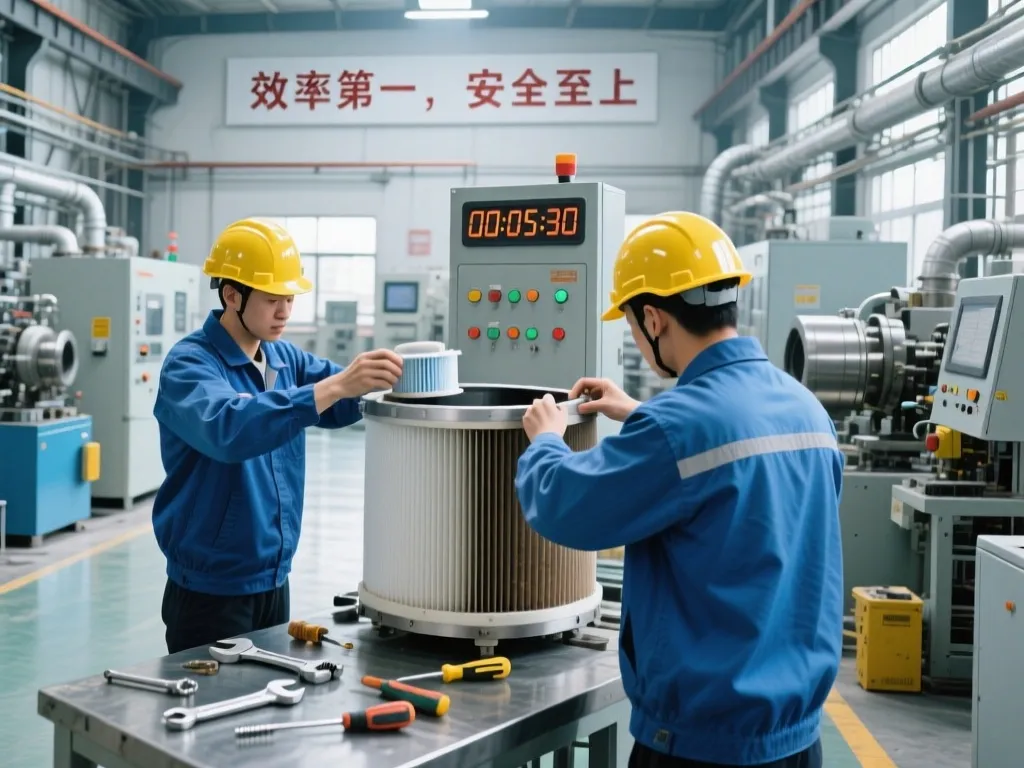
In the high-stakes world of industrial production, every minute counts. That’s why the question ‘How fast can industrial filters be replaced?’ isn’t just a curiosity—it’s a critical factor in maintaining efficiency and minimizing downtime. Whether you’re managing an air filtration system or handling liquid filters, understanding the time frame and optimization techniques for filter replacement can make or break your operational success. So, let’s dive in and uncover the secrets to swift, seamless industrial filter changes.
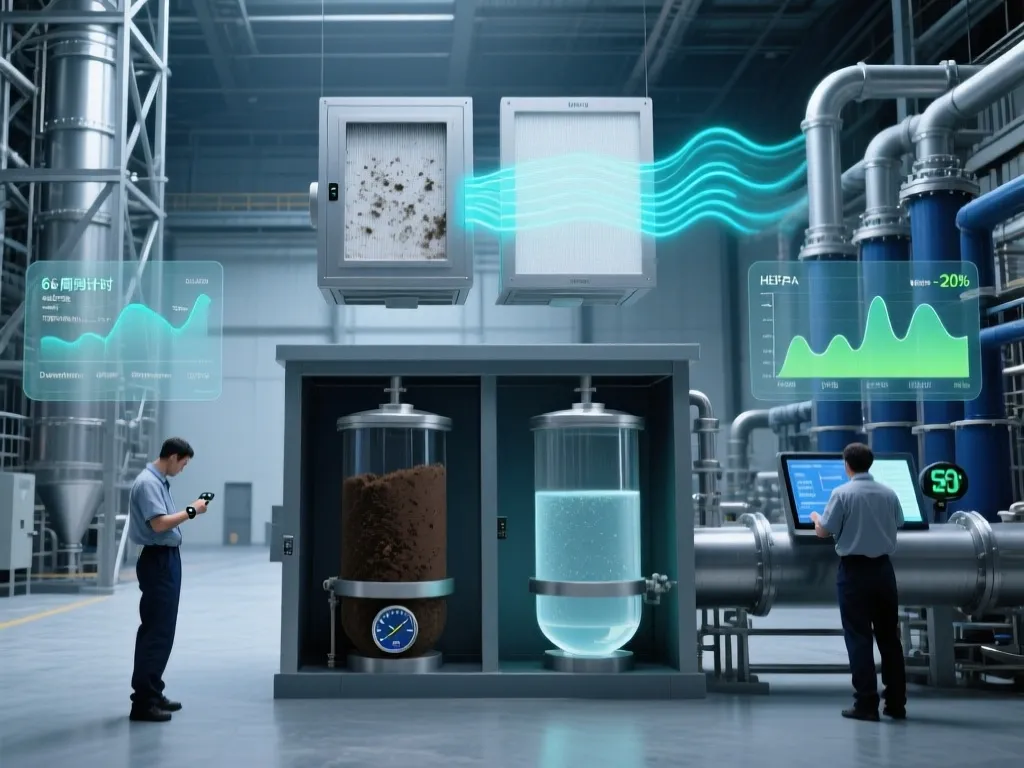
Average Replacement Time for Industrial Filters: Air vs. Liquid Filters
When it comes to maintaining industrial equipment, understanding the average replacement time for industrial filters is crucial. After all, timely replacement ensures optimal performance, prevents downtime, and safeguards against costly repairs. But how fast can industrial filters be replaced, and what factors influence this timeline? Let’s dive into the specifics, focusing on air and liquid filters, two of the most common types in industrial settings. First up, air filters. These unsung heroes of industrial environments play a vital role in keeping the air clean and free from contaminants. The average replacement time for air filters can vary widely depending on several factors, including the type of filter, the environment it’s operating in, and the level of usage. Generally speaking, a standard panel air filter might need replacement every 1 to 3 months under normal operating conditions. However, in environments with high levels of dust, pollutants, or other airborne particles, this interval could shrink to as little as 2 to 4 weeks. On the flip side, high-efficiency particulate air (HEPA) filters, known for their superior filtration capabilities, typically have a longer lifespan. Depending on the application, HEPA filters can last anywhere from 6 months to 2 years before requiring replacement. For those seeking high-efficiency air filtration solutions, exploring options like the industrial bag filter can provide valuable insights. But here’s the kicker: even within these broad ranges, there can be significant variation. For instance, a HEPA filter in a cleanroom environment might last longer than one in a manufacturing plant with heavy machinery and frequent airborne contaminants. Now, let’s shift our focus to liquid filters. These filters are essential for removing impurities from liquids, ensuring the quality and purity of the final product. Like air filters, the replacement time for liquid filters depends on several factors, including the type of filter, the nature of the liquid being filtered, and the flow rate. On average, a standard liquid filter might need replacement every 3 to 6 months. However, in applications where the liquid contains high levels of solids or other contaminants, the filter might clog more quickly, necessitating more frequent replacements—sometimes as often as every few weeks. Conversely, in applications with clean liquids and low flow rates, the filter might last longer, potentially up to a year or more. To give you a better sense of the range, consider this: a liquid filter in a food processing plant might need replacement every 2 to 3 months due to the high levels of organic matter in the liquid. In contrast, a filter in a pharmaceutical manufacturing plant, where the liquid is highly purified and the flow rate is controlled, might last up to a year before replacement is necessary. It’s worth noting that these are just averages. The actual replacement time for any given filter can vary based on a multitude of factors, including the quality of the filter itself, the maintenance practices in place, and even the weather conditions (in the case of outdoor installations). That’s why it’s essential to monitor your filters regularly and establish a replacement schedule based on your specific needs and conditions.
Case Study: Air Filter Replacement in a Manufacturing Plant
To illustrate the point, let’s look at a real-world example. A manufacturing plant in the Midwest was experiencing frequent downtime due to clogged air filters. After conducting an audit, they discovered that the filters were being replaced every 3 months, but the plant’s environment was particularly dusty, leading to premature clogging. By switching to a higher-quality filter and implementing a more frequent replacement schedule (every 6 weeks), they were able to reduce downtime by 30% and save thousands of dollars in repair costs annually.
Case Study: Liquid Filter Replacement in a Food Processing Plant
Similarly, a food processing plant in the South was struggling with inconsistent product quality due to variable filtration performance. Upon investigation, they found that the liquid filters were being replaced on a fixed schedule, regardless of the actual condition of the filters. By implementing a condition-based replacement strategy, where filters were replaced based on pressure drop measurements rather than a set timeframe, they were able to improve product consistency and reduce filter waste by 20%. For those interested in cost-effective filtration solutions, the industrial bag filter offers a high-efficiency option.
Factors Affecting Industrial Filter Replacement Speed
When it comes to industrial filter replacement, the speed isn’t just about how quickly you can get the job done. It’s a complex interplay of several factors that can either speed up or slow down the process. Let’s dive into these key elements and see how they impact your filter replacement speed, with some real-world examples to make it all crystal clear.
First up, the type of filter you’re dealing with plays a massive role. Air filters, for instance, might be relatively straightforward to replace in some systems, but in others, especially those integrated into complex HVAC setups, they can be a real pain. Imagine trying to replace an air filter in a large industrial facility with multiple air handling units scattered across different floors. You’d need to navigate through narrow corridors, climb ladders, and possibly even deal with confined spaces. For high-efficiency air filtration solutions, you may want to explore industrial bag filters which are designed for such demanding environments. On the other hand, liquid filters, like those used in water treatment plants, can be equally challenging. They often require shutting down the entire system, draining the liquid, and then carefully removing and installing the new filter element. In one case, a water treatment plant reported that replacing a large liquid filter took them nearly four hours, mainly due to the need to isolate and drain the section of the system it was in.
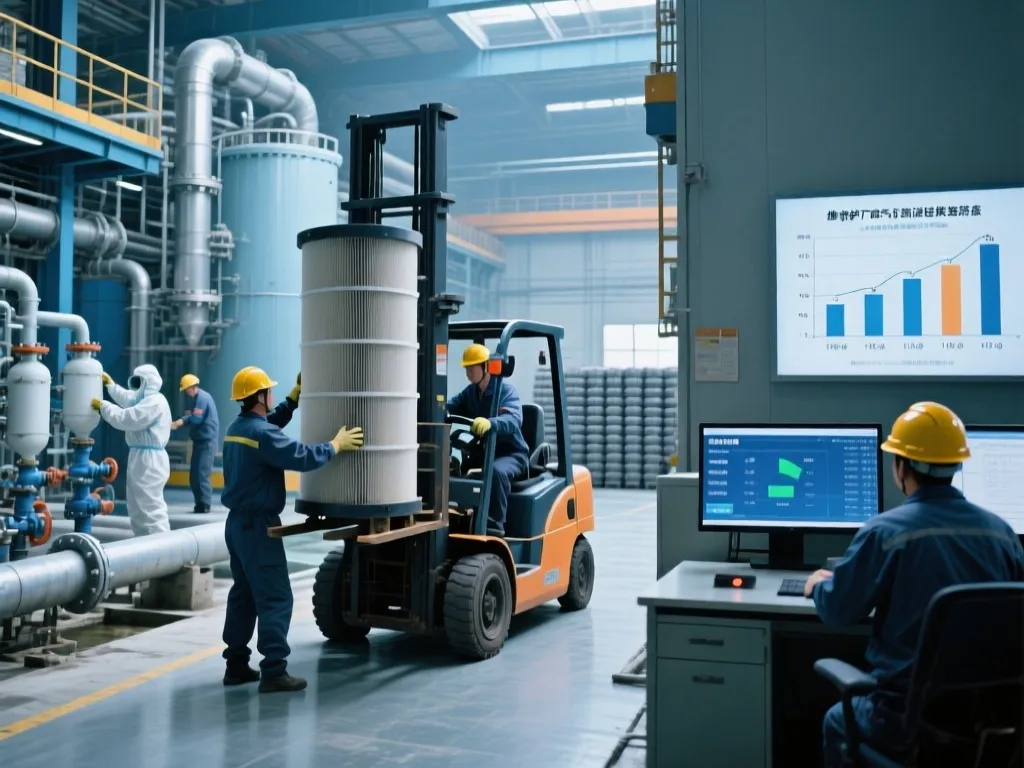
Next, the size of the filter matters a lot. Larger filters, by their very nature, are bulkier and heavier. This means you’ll need more manpower or specialized equipment to handle them safely. For example, a manufacturing plant that uses large-scale air filtration systems for dust control found that replacing their oversized filters took twice as long as replacing smaller ones. They had to use a forklift to lift the heavy filters into place, and the process required careful coordination among the maintenance team to avoid any accidents.
The use environment is another critical factor. Filters in harsh environments, such as those exposed to high temperatures, corrosive chemicals, or extreme humidity, tend to degrade faster. This not only affects their lifespan but also makes replacement more difficult. Consider a chemical plant where the air filters are constantly exposed to corrosive vapors. The filters in such an environment become brittle and fragile over time, making them prone to breaking during replacement. This adds extra time to the process as the maintenance team has to carefully clean up any broken pieces and ensure no contaminants are left behind.
Maintenance status is also a big deal. A well-maintained filter system is generally easier to replace filters in. Regular inspections and cleaning can prevent buildup of dirt and debris that can clog filters and make them harder to remove. For instance, a food processing plant that implemented a strict maintenance schedule for its air filters found that replacement times decreased significantly. By regularly cleaning the filter housing and ensuring the filters were properly seated, they reduced the time needed for each replacement by almost 30%.
Tips to Speed Up Industrial Filter Replacement: Share Pre-Preparation Tools, Standardized Procedures, and Regular Staff Training
When it comes to industrial filter replacement, time is of the essence. Every minute spent on replacing a filter is a minute lost in production. So, how can you ensure that your filter replacement process is as efficient as possible? Let’s dive into some practical tips that can help you speed up the process and boost your overall productivity.
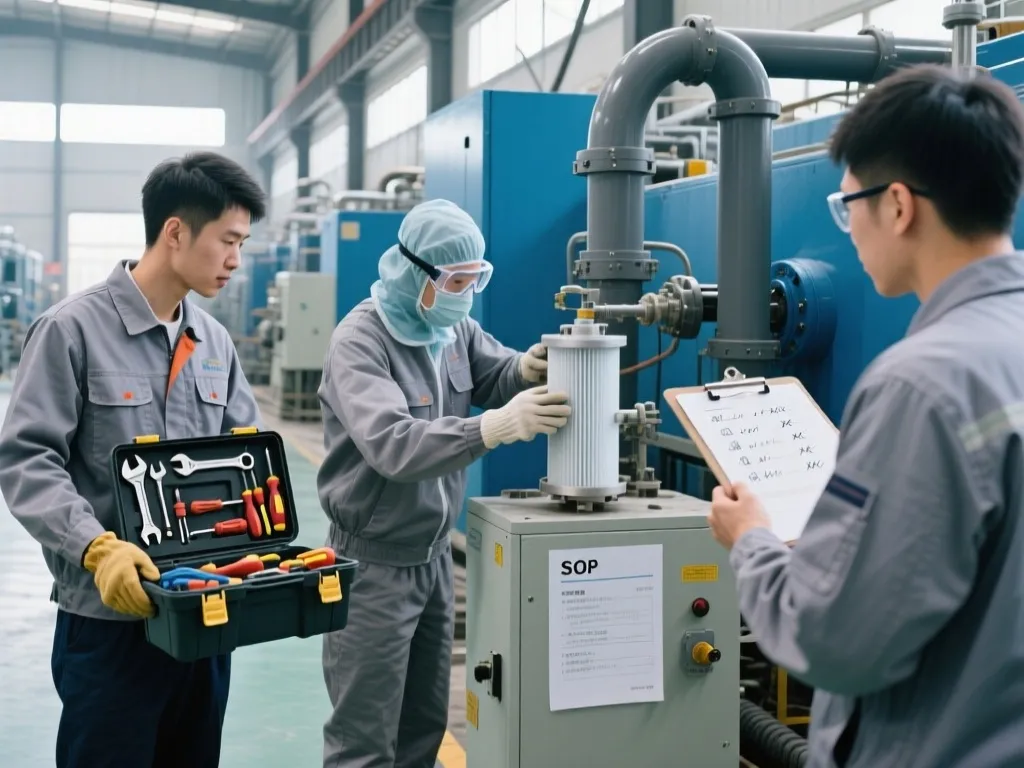
First things first, pre-preparation is key. Imagine trying to replace a filter without having all the necessary tools at hand. It’s a recipe for disaster, right? That’s why it’s crucial to have a well-stocked toolkit specifically designed for filter replacement. This toolkit should include everything from wrenches and screwdrivers to gloves and safety goggles. By having all the tools you need in one place, you can significantly reduce the time spent searching for them during the replacement process. Plus, it ensures that you have the right tools for the job, which can prevent damage to the filter or the equipment it’s attached to.
But having the right tools is only half the battle. You also need to have a standardized operation procedure (SOP) in place. An SOP is a step-by-step guide that outlines exactly how to replace a filter. It should include details such as the order in which to remove and install components, the torque specifications for tightening bolts, and any safety precautions that need to be taken. By following an SOP, you can ensure that every filter replacement is done correctly and efficiently, regardless of who is performing the task. This not only saves time but also reduces the risk of errors that could lead to equipment damage or downtime.
Now, let’s talk about the importance of regular staff training. Even if you have the best tools and an SOP in place, if your staff isn’t trained properly, the replacement process can still be slow and inefficient. That’s why it’s essential to provide regular training sessions for your maintenance team. These sessions should cover topics such as how to use the tools in the toolkit, how to follow the SOP, and how to identify and troubleshoot common issues that can arise during filter replacement. By investing in your staff’s training, you’re not only improving their skills but also empowering them to take ownership of the replacement process, which can lead to faster and more efficient replacements in the long run.
In addition to these core tips, there are a few other things you can do to speed up the filter replacement process. For example, consider using quick-release mechanisms or modular filter designs that allow for faster and easier installation and removal. These features can be particularly useful in high-turnover environments where filters need to be replaced frequently. Another tip is to keep a detailed log of filter replacements, including the date, time, and any issues encountered during the process. This log can help you identify patterns or trends that could indicate underlying problems with your filters or equipment, allowing you to address them proactively and prevent future delays.
Finally, don’t underestimate the power of communication. Make sure that everyone involved in the filter replacement process, from the maintenance team to the production managers, is on the same page. Clearly communicate the expected timeline for replacements, any potential disruptions to production, and the steps being taken to minimize downtime. By keeping everyone informed and involved, you can create a sense of teamwork and accountability that can drive faster and more efficient replacements.
Now you know the answer to ‘How fast can industrial filters be replaced?’ isn’t one-size-fits-all—it depends on filter type, environment, and your optimization efforts. By grasping average replacement times, identifying key influencing factors, and implementing speed-boosting tips, you’re well-equipped to streamline your filter replacement process. Remember, even small improvements in replacement speed can lead to significant gains in productivity and cost savings. So, why wait? Start applying these insights today and watch your industrial operations thrive with smoother, faster filter changes. Want to explore more? Dive deeper into our resources on industrial filter maintenance and optimization.