
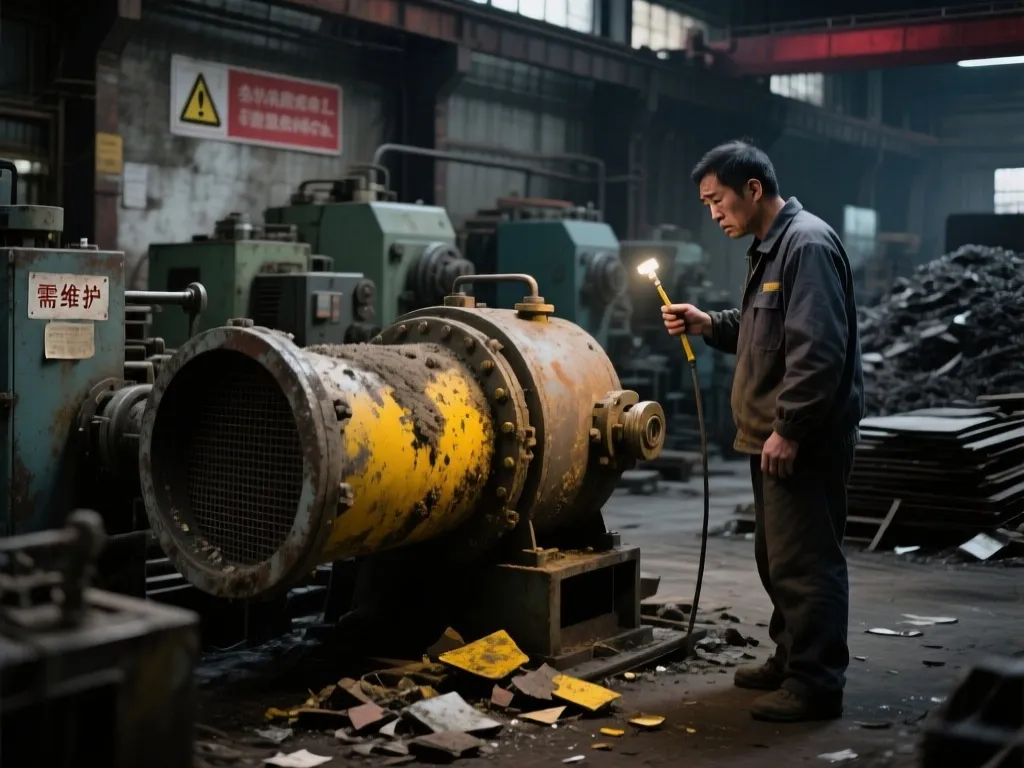
In industrial settings, filters are the unsung heroes keeping operations smooth. But what happens when you delay replacing them? What are the risks of delayed filter replacement? From sudden equipment breakdowns to costly production losses, the consequences can be severe. Let’s uncover the hidden dangers lurking behind overdue filter changes.
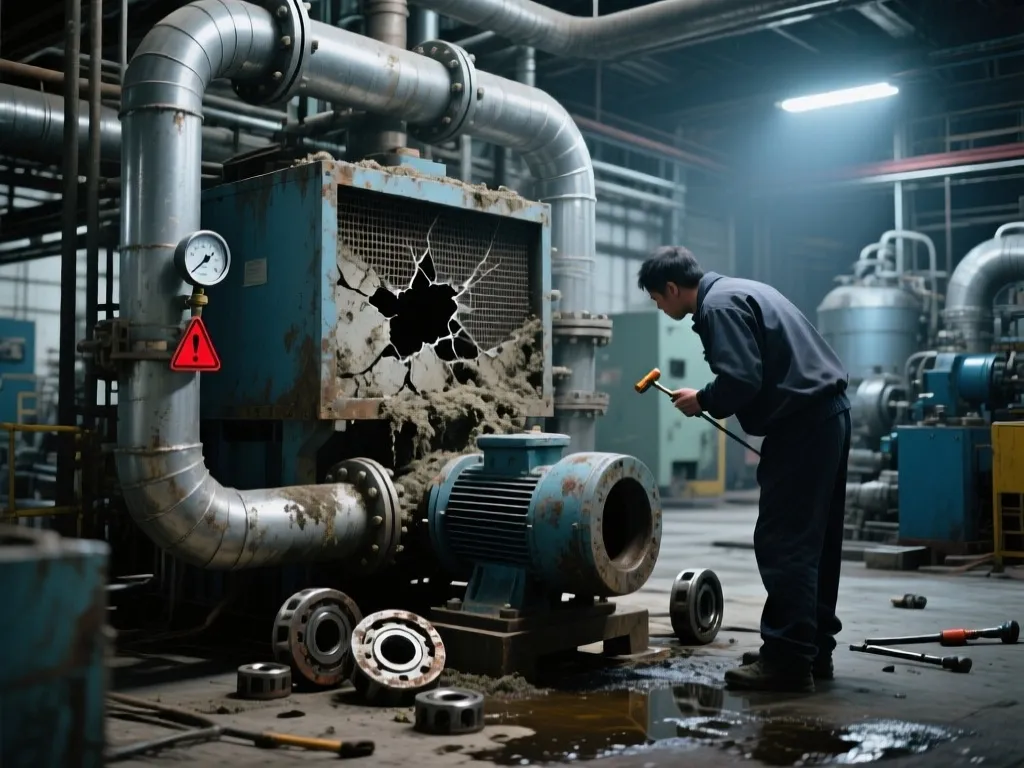
Equipment Breakdowns Galore: How Filter Clogging Leads to Abnormal Internal Pressure, Accelerated Component Wear, and Ultimately, Equipment Failure
Imagine this: Your industrial filtration system is humming along smoothly, handling large volumes of fluids or gases with ease. But beneath the surface, a silent threat is lurking—a clogged filter. This seemingly minor issue can snowball into a major headache, causing equipment breakdowns that disrupt your entire production line. Let’s dive into the nitty-gritty of how a clogged filter can wreak havoc on your industrial equipment. First and foremost, a clogged filter restricts the flow of fluids or gases through the system. This restriction creates a bottleneck, causing the internal pressure to rise significantly. Think of it like trying to breathe through a straw that’s clogged with debris—it’s much harder, right? The same principle applies to your industrial equipment. As the pressure builds up, it puts immense strain on the system’s components, including pipes, valves, and pumps. These components are designed to handle a certain amount of pressure, but when that threshold is exceeded, things start to go south. The increased pressure can cause seals to fail, leading to leaks that not only waste resources but also pose safety hazards. Moreover, the constant high-pressure environment accelerates the wear and tear on these components. For instance, the bearings in pumps may start to overheat and wear out faster, leading to frequent breakdowns and costly repairs. But the problems don’t stop there. The abnormal internal pressure can also affect the overall performance of the equipment. In some cases, it can cause the equipment to operate at suboptimal levels, reducing its efficiency and output. This means you’re not getting the most out of your investment, and your production goals may suffer as a result. Now, let’s talk about the domino effect of these issues. When a component fails due to excessive pressure or wear, it can trigger a chain reaction of failures throughout the system. For example, if a pump fails, it can stop the flow of fluids or gases, causing other parts of the system to shut down as well. This leads to unexpected downtime, which can be incredibly costly for your business. Not only do you have to deal with the immediate repair costs, but you also lose out on potential revenue during the downtime. And let’s not forget about the impact on your production schedule. Every minute of downtime means lost production time, which can delay orders and upset customers. In today’s fast-paced business environment, where timely delivery is crucial, any disruption to your production line can have serious consequences. So, what can you do to prevent these issues from arising? The answer is simple: replace your filters on time. Regular filter replacement ensures that your industrial equipment operates at optimal levels, with minimal risk of pressure buildup or component failure. By staying proactive and keeping your filters clean, you can avoid the headaches and costs associated with equipment breakdowns and downtime. But don’t just take my word for it. There are numerous real-world examples of businesses that have suffered due to delayed filter replacement. In one case, a manufacturing plant experienced a major pump failure because of a clogged filter. The repair costs were astronomical, and the downtime caused significant delays in production. The plant’s management team learned their lesson the hard way and now have a strict filter replacement schedule in place to prevent similar issues from occurring in the future. In another example, a chemical processing facility faced safety hazards due to leaks caused by failed seals. These leaks were a direct result of excessive pressure caused by a clogged filter. The facility had to shut down operations temporarily to address the issue, resulting in lost revenue and potential safety risks for employees. After implementing a regular filter replacement program, they’ve seen a significant reduction in equipment failures and safety incidents.
The Ripple Effect of Pressure Buildup
When a filter becomes clogged, the first thing you’ll notice is a gradual increase in internal pressure. This pressure buildup is like a silent alarm, warning you of impending trouble. As the pressure continues to rise, it puts more and more stress on the system’s components. This can lead to a variety of issues, from minor leaks to catastrophic failures. For example, high pressure can cause gaskets and seals to deform or break, allowing fluids or gases to escape. These leaks not only waste resources but can also create hazardous conditions, especially if the substances being filtered are flammable or toxic. Moreover, the increased pressure can affect the accuracy of pressure gauges and other monitoring devices, giving you false readings and making it difficult to detect problems early on. This can delay maintenance and repairs, allowing the issue to worsen over time.
Accelerated Component Wear: A Silent Killer
One of the most insidious effects of a clogged filter is the accelerated wear and tear on equipment components. When the internal pressure is high, components like bearings, gears, and shafts are subjected to excessive force and friction. This can cause them to wear out much faster than they would under normal operating conditions. For instance, bearings that are designed to last for years may start to fail within months if the pressure is consistently high. This not only increases your maintenance costs but also reduces the overall lifespan of your equipment. In addition, the constant stress on these components can lead to fatigue failure, where small cracks develop over time and eventually cause the component to break. This type of failure is often unpredictable and can occur suddenly, leading to unexpected downtime and costly repairs.
The Domino Effect: From One Failure to Many
Perhaps the most dangerous aspect of a clogged filter is the potential for a chain reaction of failures. When one component fails due to excessive pressure or wear, it can disrupt the normal operation of the entire system. For example, if a pump fails because of a clogged filter, it can stop the flow of fluids or gases, causing other parts of the system to shut down as well. This can lead to a cascade of failures, where one problem triggers another and another, until the entire system is offline. The consequences of such a scenario can be severe, especially in industries where continuous operation is critical. Not only do you face the immediate costs of repairs and downtime, but you may also lose customers due to delayed deliveries or poor product quality. In some cases, a major equipment failure can even lead to safety incidents, putting your employees’ lives at risk.
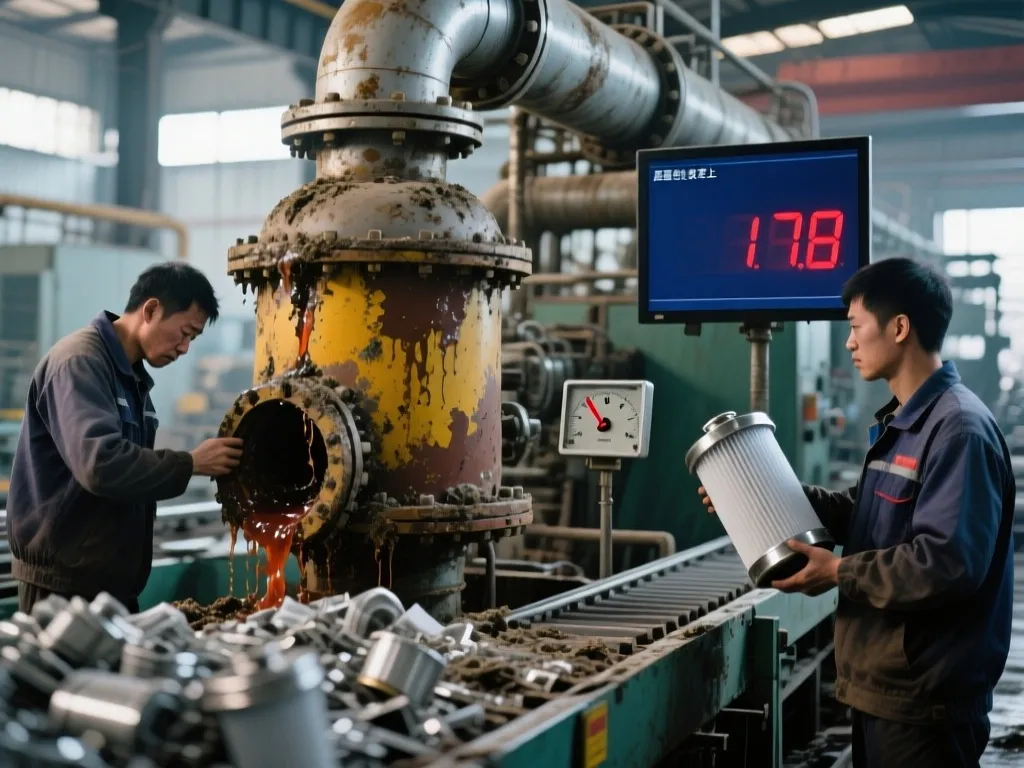
Efficiency Plummets: How Filter Performance Decline Impacts Separation, Leading to Insufficient Product Purity, Reduced Output, and Higher Production Costs
Imagine this scenario: Your industrial filtration system, once a powerhouse of efficiency, is now struggling to keep up. The filters, which should be capturing contaminants and ensuring only the purest substances pass through, are clogged and worn out. What happens next? The entire separation process starts to unravel, with far-reaching consequences for your production line. Let’s dive into the nitty-gritty of how filter performance decline can send your efficiency spiraling downwards.
First off, when filters become clogged, the flow rate of the substances being processed drops significantly. This means that less material is passing through the system in a given time frame, directly impacting your output. For instance, if your system is designed to process 1000 liters of a chemical solution per hour, a clogged filter might reduce that to just 500 liters. That’s a 50% drop in production, right there! But the problems don’t stop at reduced output. The quality of the separated products also takes a hit. A well-functioning filter ensures that only the desired components are separated, leaving behind impurities. However, when the filter is clogged, its ability to discriminate between different substances diminishes. This leads to a higher concentration of impurities in the final product, compromising its purity. In industries like pharmaceuticals or food processing, where purity is paramount, this can be a catastrophic issue, potentially leading to product recalls and damage to your brand reputation.
Moreover, the inefficiency caused by filter performance decline also drives up production costs. Since the system is processing less material per hour, you’ll need to run it for longer periods to meet your production targets. This means more energy consumption, higher labor costs, and increased wear and tear on the equipment. Additionally, the impurities that sneak through the clogged filters can cause damage to downstream components, leading to more frequent maintenance and repair needs. All these factors add up, resulting in a significant increase in your overall production costs. Let’s consider a real-world example to illustrate this point. A chemical manufacturing plant in Europe experienced a 30% drop in production output due to clogged filters in their separation system. The impurities in the final product also increased by 20%, leading to several customer complaints and a temporary halt in production to address the issue. The plant had to invest in emergency filter replacements and additional cleaning processes, which cost them thousands of euros in additional expenses. Not to mention the lost revenue from the production downtime and the potential long-term damage to their customer relationships.
So, what can you do to prevent this from happening to your industrial filtration system? The answer is simple: regular filter replacements. By staying on top of your filter maintenance schedule and replacing them before they become clogged or worn out, you can ensure that your system operates at peak efficiency. This means higher output, purer products, and lower production costs. It’s a win-win situation for your business and your bottom line. In conclusion, the impact of filter performance decline on separation efficiency cannot be overstated. From reduced output and compromised product purity to increased production costs, the consequences can be severe. Don’t let a clogged filter derail your production line. Take proactive steps to maintain your filtration system, and you’ll reap the rewards of consistent, high-quality output and lower operating costs.
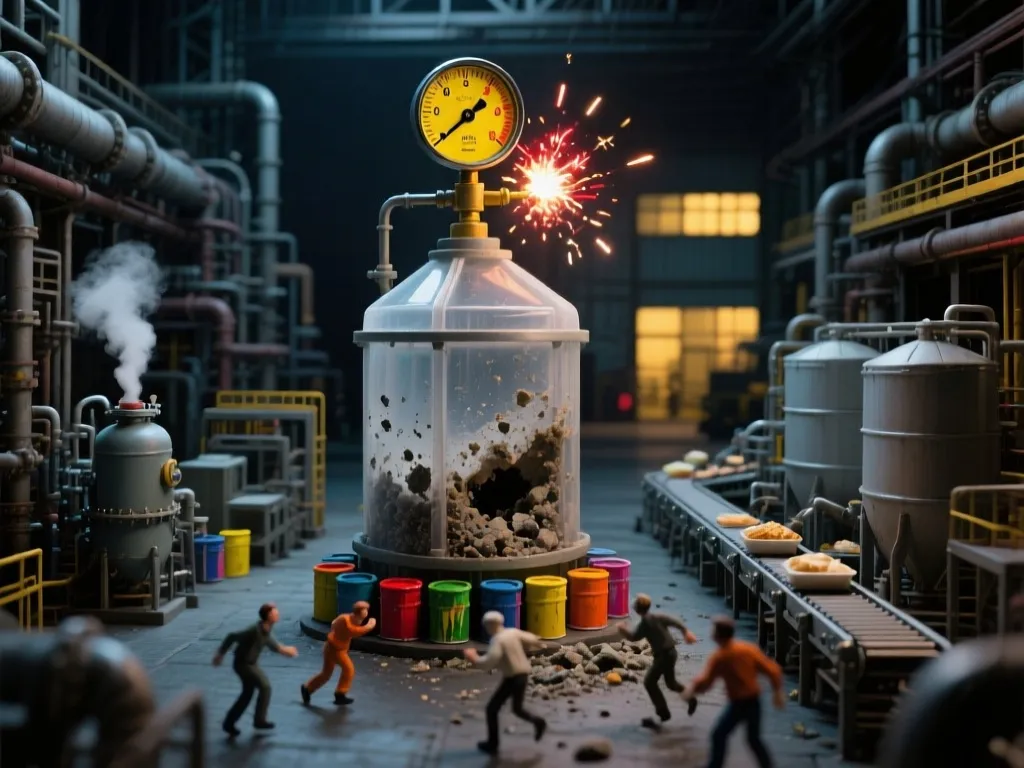
Hidden Dangers Unveiled: How Delayed Filter Replacement Escalates Fire and Explosion Risks, Endangering Lives and Assets
When it comes to industrial operations, safety is non – negotiable. Yet, many businesses overlook a seemingly small but incredibly crucial aspect: timely filter replacement. You might think, “It’s just a filter, what harm can a bit of delay cause?” Well, the answer is far more serious than you might imagine. Let’s dive into the real – world implications of putting off filter changes.
Imagine a chemical processing plant. The filters in its separation systems are designed to capture impurities and prevent the build – up of potentially explosive substances. Over time, as these filters get clogged, the flow of materials through the system becomes restricted. This restricted flow creates a dangerous situation where pressure can build up rapidly. Think of it like a pressure cooker. If the steam can’t escape, the pressure inside keeps rising until it reaches a breaking point. In an industrial setting, this could lead to a violent explosion, sending debris flying in all directions and causing catastrophic damage to the facility.
Take the case of a paint manufacturing factory. Paints often contain flammable solvents. The filters in the production line are responsible for removing any solid particles that could affect the quality of the paint. But when these filters are not replaced on time, the trapped particles can act as fuel. A spark, even a tiny one from a faulty electrical component, could ignite this fuel, setting off a fire that quickly spreads throughout the plant. The flames can consume not only the paint stocks but also the entire building, putting the lives of employees at great risk.
In the food processing industry, the stakes are just as high. Filters are used to purify ingredients and ensure the safety of the final products. If they are not replaced promptly, bacteria and other contaminants can accumulate. These contaminants can react with the food ingredients, producing gases that increase the pressure inside storage tanks or processing vessels. A sudden release of this pressure, perhaps due to a valve failure, could result in an explosion, contaminating the food supply and causing severe health hazards to consumers. For more insights on food safety and filter importance, you can refer to relevant industry studies on food safety guidelines.
Moreover, delayed filter replacement can also lead to the leakage of hazardous chemicals. When a filter is clogged, it may not be able to perform its sealing function effectively. This allows toxic substances to escape into the surrounding environment. In a confined space, these leaked chemicals can create an explosive atmosphere. A simple action like starting a motor or using a tool with a spark could trigger a fire or explosion, endangering everyone in the vicinity.
The financial implications of such accidents are astronomical. The cost of rebuilding a damaged facility, replacing lost equipment, and compensating for injured employees can cripple a business. And let’s not forget the long – term damage to the company’s reputation. Once news of a safety incident spreads, it can be difficult to regain the trust of customers and partners.
So, what can you do to prevent these disasters? The answer is simple: establish a strict filter replacement schedule. Regularly inspect your filters and replace them as soon as they show signs of clogging or reduced performance. Don’t wait for a major incident to happen before taking action. By being proactive, you can protect your employees, your assets, and your business’s future.
Now you know the risks of delayed filter replacement—equipment failure, efficiency drops, and safety threats. Timely filter changes aren’t just maintenance; they’re a lifeline for your industrial operations. Don’t wait for a breakdown to act. Set a replacement schedule, inspect regularly, and keep your systems running safely. Want to dive deeper into filter maintenance best practices? Stay tuned for more insights!