
Filter Bag
FiltEdge industrial filter bags for U.S. dust collection and process filtration are available in multiple media, constructions, finishes, and custom dimensions. Use this page to compare common filter-bag materials, review available products, and request help matching a bag to your dust collector, gas chemistry, temperature, moisture, cleaning method, and required dimensions.
Compare filter bag materials
Polyester (PET)
Typical continuous temperature: Up to 150 °C (302 °F).
Selection strengths: Cost-effective general dust collection; good mechanical strength; compatible with membrane and antistatic treatments.
Key limitations: Avoid sustained high-temperature moisture and acid-dew-point conditions because hydrolysis can shorten service life.
Polypropylene (PP)
Typical continuous temperature: Up to 90 °C (194 °F).
Selection strengths: Strong resistance to many acids and alkalis; hydrophobic; commonly selected for aggressive liquids and low-temperature corrosive service.
Key limitations: Low temperature ceiling and lower dimensional strength for long, heavily loaded bags.
PPS
Typical continuous temperature: Up to 190 °C (374 °F).
Selection strengths: Good resistance to acidic gases, sulfur oxides, and alkalis; used in boiler, biomass, and flue-gas applications.
Key limitations: Oxidation risk rises with high oxygen or NOx at elevated temperature; verify gas chemistry before selection.
Nomex / Meta-Aramid
Typical continuous temperature: Up to 200 °C (392 °F).
Selection strengths: High tensile and abrasion resistance for medium- to high-temperature dry dust collection.
Key limitations: Sensitive to hydrolysis and acid-dew-point conditions; not the first choice for strong acids or alkalis.
PTFE
Typical continuous temperature: 240 °C (464 °F) and above, subject to construction.
Selection strengths: Broad chemical resistance, strong oxidation resistance, and an anti-stick surface; available as pure PTFE felt or as a membrane laminated to another substrate.
Key limitations: Higher material cost; construction, sewing thread, and cage condition require careful review.
Fiberglass
Typical continuous temperature: Up to 260 °C (500 °F).
Selection strengths: High-temperature capability, low elongation, and good dimensional stability, often with protective finish or PTFE membrane.
Key limitations: Brittle fibers require smooth cages and controlled handling; verify exposure to alkaline moisture and hydrofluoric acid.
*Typical media guidance only, not a guaranteed operating limit. Final selection depends on gas or liquid chemistry, moisture, oxygen, cleaning method, bag construction, and operating margin.
How to choose a replacement filter bag
For a practical FiltEdge recommendation, provide the filter media or current bag part number, bag diameter and length, top and bottom construction, dust or liquid composition, normal and peak temperature, moisture and chemical conditions, cleaning method, filtration rating if applicable, and required quantity. Photos of the existing bag, cage, seal, and tubesheet are also helpful.
Filter bag questions
Can FiltEdge match an existing filter bag?
Yes. FiltEdge can review an existing sample, drawing, part number, or dimensional specification. Compatibility and final construction should be confirmed against the operating conditions before ordering.
Is a PTFE membrane the same as a PTFE filter bag?
No. A PTFE membrane is a laminated filtration surface that may be applied to another base fabric such as polyester, PPS, aramid, or fiberglass. A pure PTFE felt bag uses PTFE as the main fiber media.
What information is needed for a quotation?
Please send media, dimensions, top and bottom style, operating temperature, process chemistry, filtration requirement, and quantity. Contact FiltEdge US for selection support and a quotation.
Showing 1–16 of 22 results
-
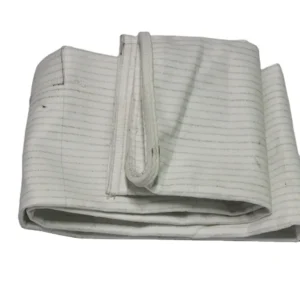
Anti-Static Polyester Dust Collector Filter Bag
Read more -
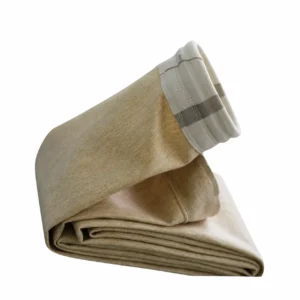
Aramid Filter Bag for Cement Plants
Read more -
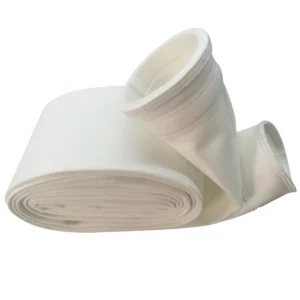
Cost-Effective Industrial Bag Filter
Read more -
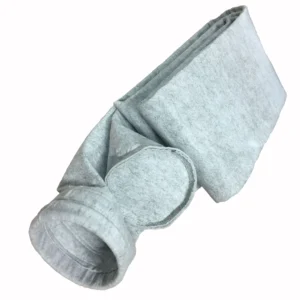
Durable Industrial Dust Bag Filter
Read more -
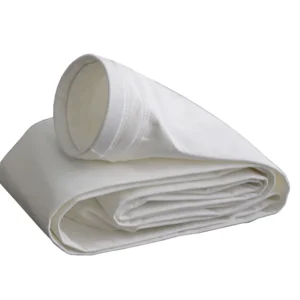
Dust Collector Replacement Filter Bags
Read more -
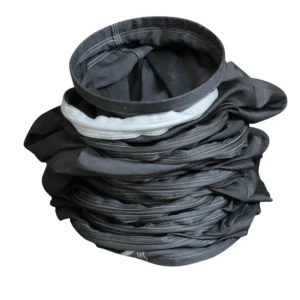
Fiberglass Filter Bag for Carbon Black and Refining
Read more -
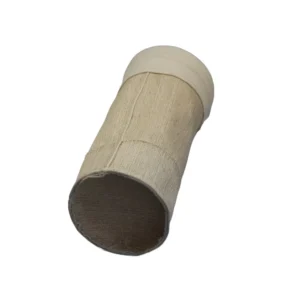
Filter Bag for Industrial Dust Collection
Read more -
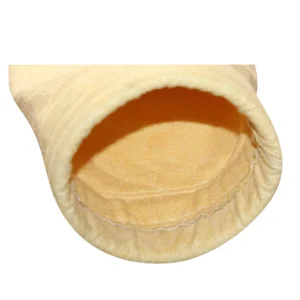
Heat- and Chemical-Resistant Bag Filter
Read more -
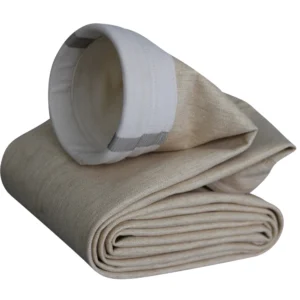
Heavy-Duty Industrial Filtration Bag
Read more -
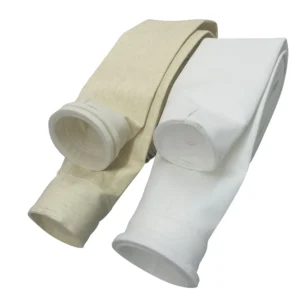
High-Efficiency Dust Collection Filter Bag
Read more -
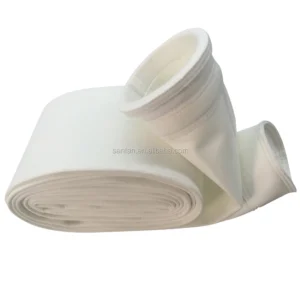
High-Efficiency Industrial Filtration Bag
Read more -
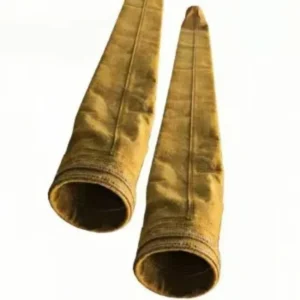
High-Temperature Basalt Fiber Filter Bag
Read more -
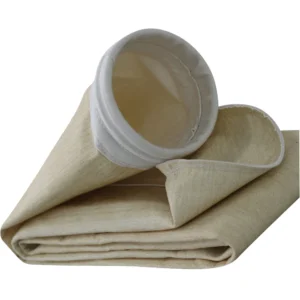
High-Temperature Dust Collection Filter Bag
Read more -
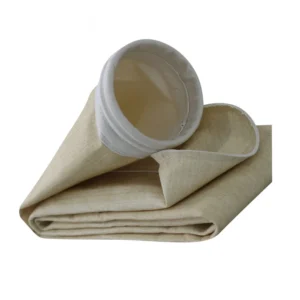
High-Temperature Nomex Aramid Filter Bag
Read more -
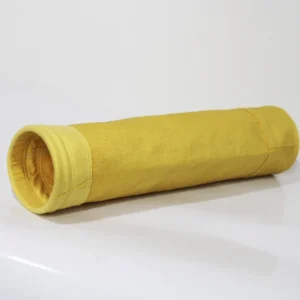
Industrial Air Filtration Bag Filter
Read more -
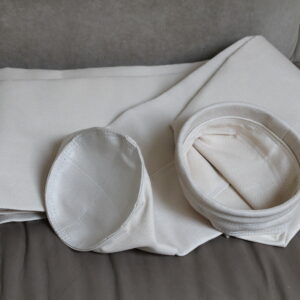
Industrial Dust Collector Filter Bag
Read more