
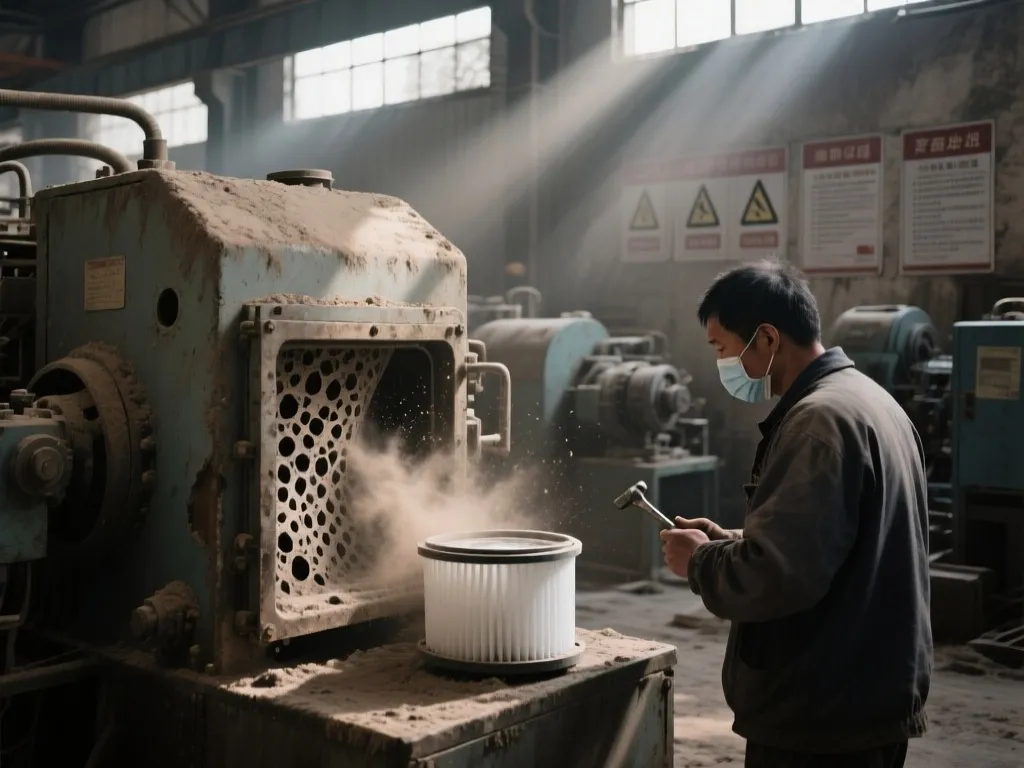
Ever wondered what happens if dust filters are not replaced in time? In industrial settings, dust filters are unsung heroes, quietly protecting your equipment from the onslaught of airborne particles. But what if you ignore their maintenance? The consequences can be far-reaching, affecting not just your machinery but also your workforce and bottom line. Let’s dive into the hidden dangers of neglecting dust filter replacement.
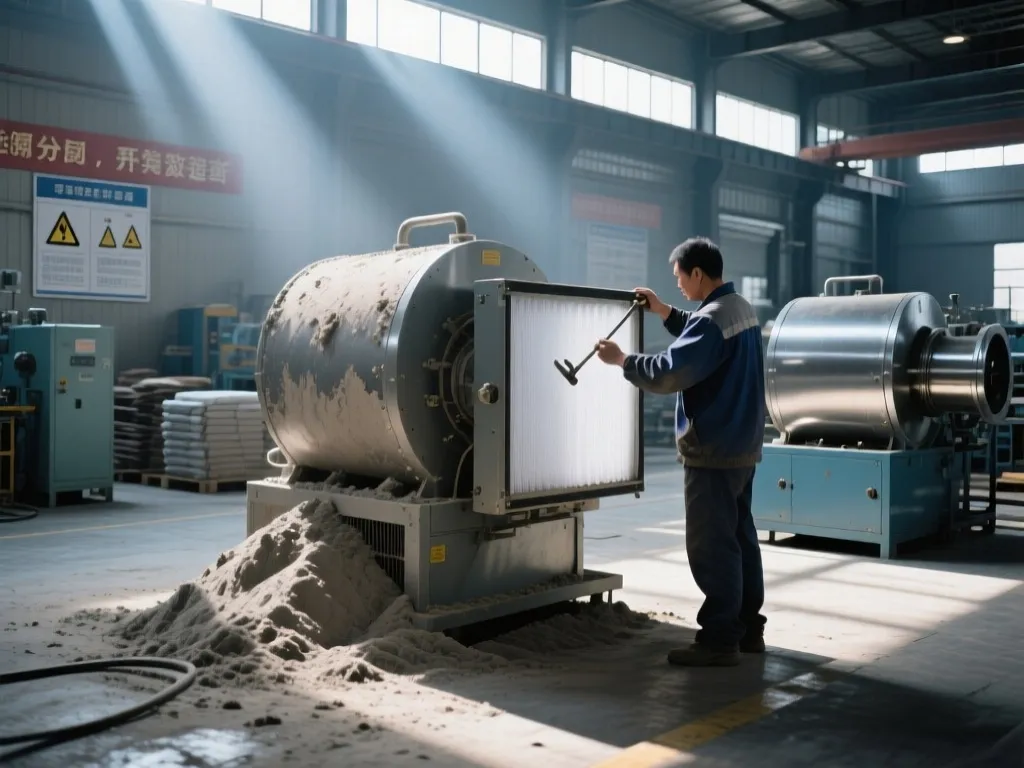
The Invisible Killer of Equipment Performance: How Dust Accumulation Gradually Erodes Efficiency, Leading to Reduced Productivity and Even Equipment Failure
Imagine your industrial equipment is like a marathon runner. Just as a runner needs clean air to breathe and perform at their best, your machines rely on unobstructed airflow to function efficiently. But what happens when dust filters are not replaced in time? Let’s dive into the nitty-gritty of how dust accumulation can turn into a silent but deadly adversary for your equipment. Dust, those tiny particles floating in the air, might seem harmless at first glance. However, when they start to accumulate on your equipment’s filters, they create a barrier that restricts airflow. This is similar to trying to run with a mask on – it’s not impossible, but it’s definitely harder and less efficient. As the dust builds up, the equipment has to work harder to pull in the air it needs. This increased workload puts a strain on the machine’s components, causing them to wear out faster. Think about it this way: if your car’s air filter is clogged, the engine has to work harder to get the oxygen it needs for combustion. This leads to reduced fuel efficiency and can even cause damage to the engine over time. The same principle applies to industrial equipment. A clogged dust filter means the machine is using more energy to perform the same tasks, resulting in higher operational costs and lower productivity. But the problems don’t stop there. Dust accumulation can also lead to overheating. When airflow is restricted, heat generated by the equipment’s operation can’t dissipate properly. This is like trying to cool down on a hot summer day by standing in a corner with no breeze – it’s uncomfortable and potentially dangerous. Overheating can cause components to expand and contract unevenly, leading to cracks, warping, and other forms of damage. In severe cases, it can even trigger a complete system shutdown, bringing your production line to a grinding halt. Let’s look at some real-world examples. In a manufacturing plant that produces automotive parts, dust from metal shavings and other materials can quickly clog up the filters. If these filters are not replaced regularly, the equipment may start to experience frequent breakdowns. This not only disrupts the production schedule but also requires costly repairs and replacements. In another case, a food processing facility faced similar issues with dust from flour and other ingredients. The clogged filters not only reduced the efficiency of the equipment but also contaminated the air inside the plant, posing a health risk to the workers. So, how can you tell if your dust filters need replacing? One obvious sign is a decrease in equipment performance. If your machines are taking longer to complete tasks or are producing lower-quality output, it might be time to check the filters. Another indicator is an increase in energy consumption. If your utility bills are going up without a corresponding increase in production, dust accumulation could be the culprit. Regular maintenance and inspection are key to preventing these issues. By setting up a schedule for filter replacement and sticking to it, you can ensure that your equipment is always operating at its best. This not only improves efficiency and productivity but also extends the lifespan of your machines, saving you money in the long run.
The Impact on Energy Efficiency
As mentioned earlier, a clogged dust filter forces the equipment to work harder, consuming more energy in the process. This is a significant concern for businesses looking to reduce their carbon footprint and lower operational costs. Studies have shown that regular filter replacement can lead to energy savings of up to 15% in some industrial settings. That’s a substantial amount that can add up to significant savings over time. So, if you’re looking to cut costs and be more environmentally friendly, keeping your dust filters clean is a great place to start.
The Risk of Equipment Failure
Dust accumulation doesn’t just affect performance and energy efficiency; it can also lead to catastrophic equipment failure. When components overheat or wear out prematurely due to dust buildup, the risk of a breakdown increases dramatically. This can result in costly repairs, downtime, and even lost production. In some cases, a single equipment failure can disrupt an entire production line, causing delays and financial losses. By replacing dust filters on time, you can minimize this risk and keep your operations running smoothly.
The Importance of Regular Maintenance
Regular maintenance is the key to preventing dust-related issues in your industrial equipment. This includes not only replacing filters but also cleaning the equipment itself and checking for any signs of wear or damage. By establishing a maintenance schedule and sticking to it, you can catch problems early and address them before they become major issues. This proactive approach can save you time, money, and headaches in the long run, ensuring that your equipment is always ready to perform at its best.
Shortened Service Life: How Neglecting Filter Replacement Accelerates Wear and Tear, Reduces Overall Lifespan, and Increases Replacement Costs
Imagine your industrial equipment as a high-performance athlete. Just like an athlete needs clean air to breathe and perform at their best, your machinery relies on clean air to function efficiently. But what happens when the dust filters, which act as the equipment’s ‘lungs’, are not replaced in time? The consequences can be far-reaching and costly, especially when it comes to the service life of your valuable assets. Let’s dive into the nitty-gritty of how neglecting filter replacement can accelerate wear and tear, reduce the overall lifespan of your equipment, and lead to skyrocketing replacement costs.
First off, when dust filters are clogged with debris, they force the equipment to work harder. This increased workload puts excessive strain on the internal components, such as fans, motors, and bearings. Think of it like trying to run a marathon with a stuffy nose – it’s exhausting and puts a lot of pressure on your body. Similarly, your equipment’s components are pushed beyond their limits, leading to premature wear and tear. Over time, this can cause parts to fail much earlier than expected, resulting in unexpected downtime and costly repairs. Moreover, the accumulation of dust and dirt can also lead to corrosion. When these particles settle on metal surfaces, they can attract moisture, creating a perfect environment for rust to form. Corrosion not only weakens the structural integrity of the equipment but also affects its performance. For instance, a corroded fan blade may not rotate as smoothly, reducing airflow and efficiency. This, in turn, can cause other components to overheat, further accelerating the wear and tear process.
Now, let’s talk about the financial implications. When equipment fails due to neglected filter replacement, the costs can quickly add up. Not only do you have to bear the expense of replacing the damaged parts, but you also face the indirect costs of downtime. Every minute your equipment is not running is a minute of lost productivity and potential revenue. In some cases, the downtime can be so extensive that it affects your ability to meet customer deadlines, damaging your reputation and future business prospects. But the costs don’t stop there. When you neglect filter replacement, you’re essentially shortening the overall lifespan of your equipment. This means you’ll have to replace the entire machine much sooner than you would have if you had maintained it properly. And let’s face it, industrial equipment is not cheap. Investing in a new machine is a significant expense that can put a strain on your budget. By simply replacing the dust filters on time, you can extend the life of your equipment and save yourself from these hefty replacement costs.
To put things into perspective, let’s consider a real-world example. A manufacturing plant neglected to replace the dust filters in their air compressors for several years. As a result, the compressors had to work harder, leading to increased energy consumption and premature wear of the internal components. Eventually, one of the compressors failed, causing a production halt that lasted for several days. The cost of repairing the compressor and the lost productivity amounted to thousands of dollars. If they had replaced the filters regularly, they could have avoided this costly situation altogether.
So, what can you do to prevent these issues? The answer is simple – replace your dust filters on time. By doing so, you’re ensuring that your equipment receives clean air, reducing the workload on its components and preventing premature wear and tear. You’re also extending the overall lifespan of your machinery, saving yourself from the hassle and expense of frequent repairs and replacements. In conclusion, neglecting to replace dust filters in time is a recipe for disaster when it comes to the service life of your industrial equipment. It accelerates wear and tear, reduces overall lifespan, and increases replacement costs. Don’t let your equipment suffer the consequences of your negligence. Take action today and make filter replacement a priority in your maintenance routine.
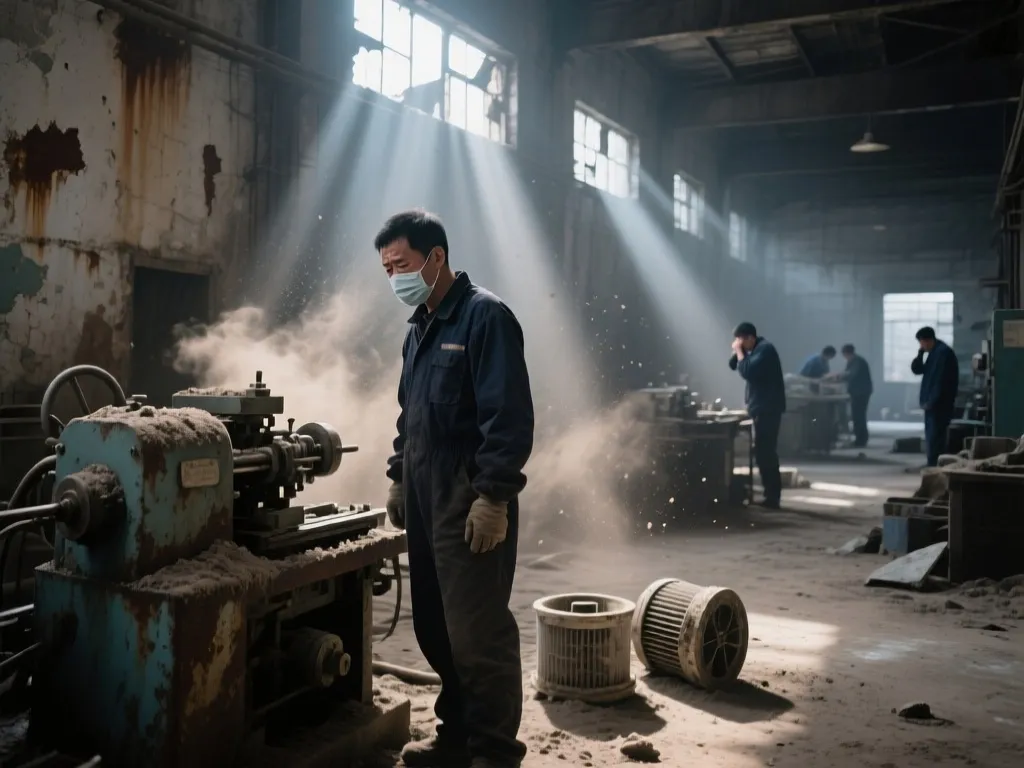
Deterioration of the Work Environment: Dust Everywhere Not Only Affect Employee Health but May Also Violate Safety Regulations, Triggering Legal Disputes and Fines
Imagine walking into a factory floor where the air is thick with dust, like a fog that obscures your vision and irritates your lungs with every breath. This isn’t just an unpleasant scenario; it’s a reality for many workplaces that neglect the timely replacement of dust filters. The consequences of such negligence extend far beyond mere discomfort—they can have serious implications for employee health, safety compliance, and even legal liability.
First, let’s talk about the impact on employee health. Dust particles, especially those from industrial processes, can contain harmful substances like heavy metals, chemicals, and biological agents. When inhaled, these particles can cause a range of respiratory issues, from minor irritations like coughing and sneezing to more severe conditions like asthma, bronchitis, and even lung cancer. According to the Occupational Safety and Health Administration (OSHA), exposure to high levels of dust can lead to chronic respiratory diseases, which not only affect the quality of life for employees but also result in increased absenteeism and decreased productivity. But the health risks don’t stop there. Dust can also settle on surfaces, including food and water sources, leading to ingestion and potential gastrointestinal issues. Moreover, prolonged exposure to dust can cause skin irritation and allergies, further compromising employee well-being. To ensure a safer work environment, using high-efficiency filtration solutions like PTFE-coated baghouse dust collector filter bags can be highly effective in capturing and removing dust particles from the air.
Now, let’s shift our focus to safety regulations. Every industry has its own set of safety standards and guidelines designed to protect workers from hazards like dust exposure. Failing to replace dust filters in a timely manner can result in a workplace that violates these regulations, putting both employees and the company at risk. For instance, OSHA has specific permissible exposure limits (PELs) for various types of dust, and exceeding these limits can lead to fines and penalties. In some cases, repeated violations can even result in the shutdown of operations until the issues are resolved.
But the legal implications don’t end with fines and penalties. If an employee develops a respiratory disease or other health condition as a result of prolonged exposure to dust in the workplace, the company could face legal action. This could include lawsuits for negligence, wrongful death (in extreme cases), and compensation claims for medical expenses, lost wages, and pain and suffering. The financial and reputational damage from such legal disputes can be devastating, especially for small and medium-sized enterprises (SMEs) that may not have the resources to weather such storms.
To illustrate the gravity of the situation, let’s consider a real-world example. A manufacturing plant in the Midwest was recently fined over $100,000 for violating OSHA’s dust exposure limits. The investigation revealed that the plant had not replaced its dust filters in over a year, leading to a buildup of hazardous dust particles in the air. Not only did this result in fines and penalties, but it also led to a temporary shutdown of operations, causing significant financial losses. Moreover, several employees filed lawsuits against the company, alleging that their respiratory issues were a direct result of the unsafe working conditions.
So, what can you do to avoid such a scenario in your workplace? The answer is simple: prioritize the timely replacement of dust filters. By doing so, you’re not only protecting the health and well-being of your employees but also ensuring compliance with safety regulations and avoiding potential legal disputes and fines. It’s a win-win situation that benefits everyone involved.
In conclusion, the deterioration of the work environment due to neglected dust filter replacement is a serious issue that demands immediate attention. Don’t wait until it’s too late to take action. Regularly inspect and replace your dust filters to maintain a safe, healthy, and compliant workplace. Your employees—and your bottom line—will thank you for it.
So, what happens if dust filters are not replaced in time? The answer is clear: a cascade of problems ranging from equipment inefficiency and costly breakdowns to health hazards and legal troubles. Timely replacement of dust filters isn’t just a maintenance task—it’s a strategic move to safeguard your operations, protect your team, and keep your workplace compliant. Don’t wait for the dust to settle on this issue; check your filters now and act before it’s too late. What steps will you take today to ensure your filters are in top shape?