
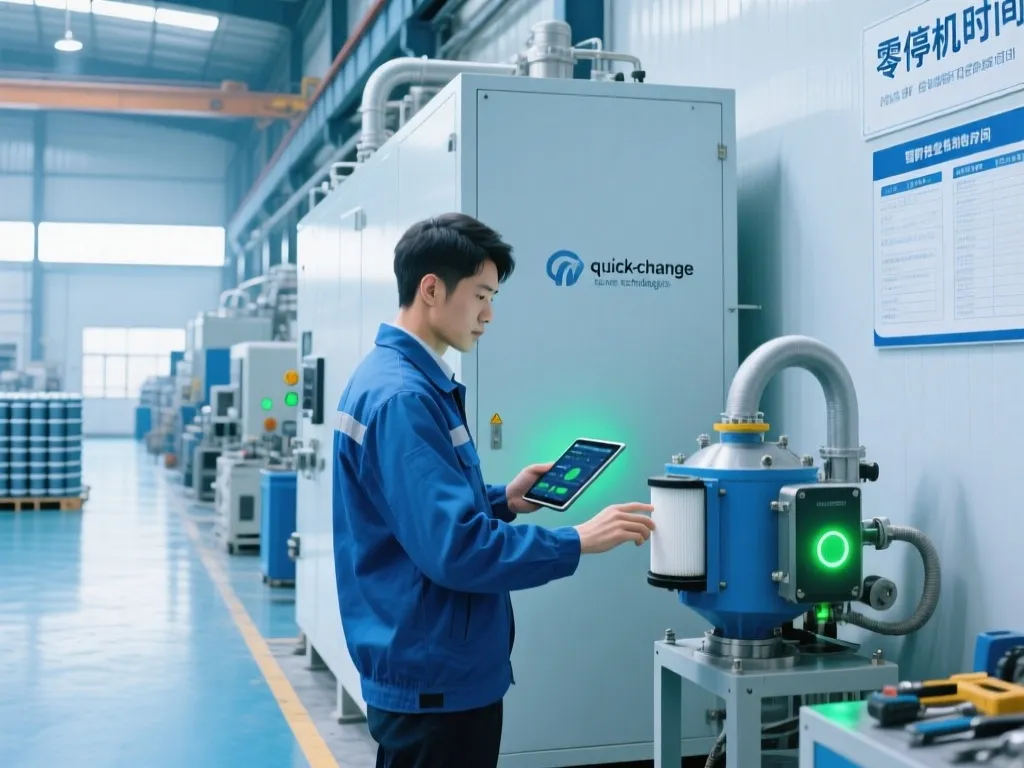
For anyone managing industrial filtration systems, the question How to reduce downtime from filter maintenance? isn’t just academic—it’s the difference between meeting deadlines and losing profits. Imagine your production line grinding to a halt because a filter clogged unexpectedly, or a maintenance task took twice as long as planned. Sound familiar? These scenarios aren’t rare, but they’re avoidable. In this guide, we’ll dive into actionable strategies—from preventive maintenance plans to smart monitoring tools—that keep your filters running smoothly and your operations on track. Ready to turn maintenance headaches into a thing of the past?
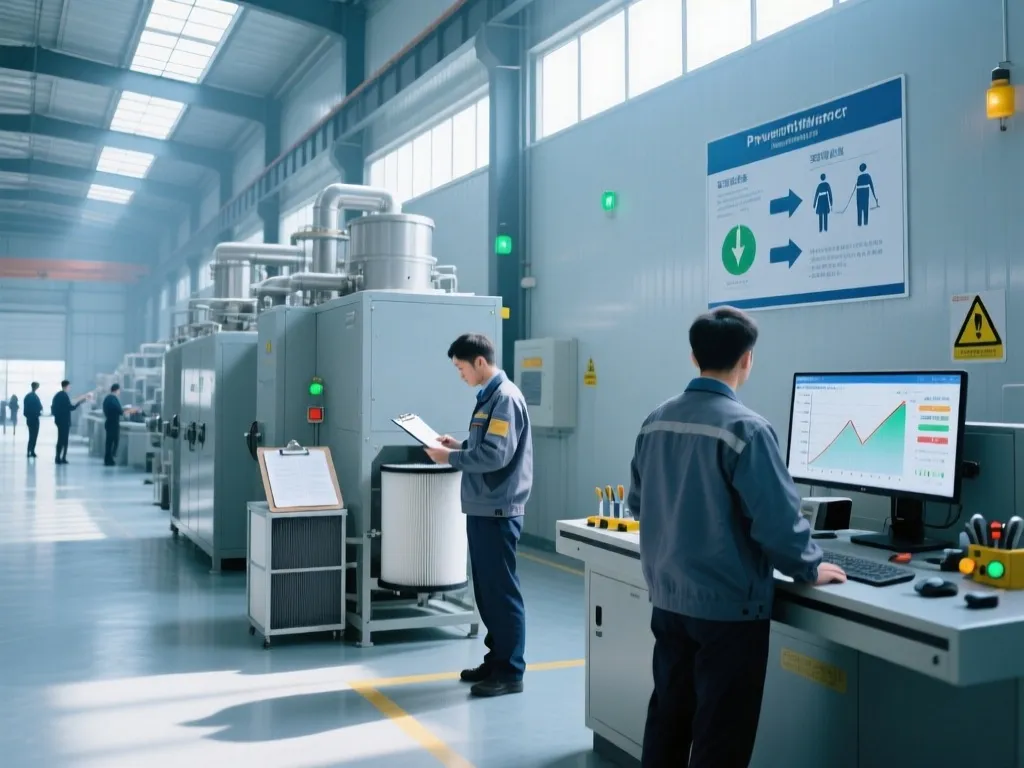
Preventive Maintenance Plan: Crafting a Science-Based Strategy to Minimize Downtime
Ever wondered how to keep your industrial filtration system running smoothly without unexpected interruptions? The answer lies in a well-structured preventive maintenance plan. It’s not just about fixing things when they break; it’s about anticipating problems before they occur. Let’s dive into how you can create a preventive maintenance plan that reduces downtime from filter maintenance and keeps your production line humming. First things first, you need to understand the importance of regular inspections. Think of it like going to the doctor for a check-up. Just as you wouldn’t wait until you’re sick to see a doctor, you shouldn’t wait until your filters are clogged or damaged to inspect them. Regular inspections help you identify potential issues early on, allowing you to address them before they escalate into costly downtime. But how often should you inspect your filters? Well, that depends on several factors, including the type of filter, the operating conditions, and the manufacturer’s recommendations. For instance, if you’re using a high-efficiency particulate air (HEPA) filter in a dusty environment, you might need to inspect it more frequently than a standard filter in a cleaner setting. As a general rule of thumb, start with the manufacturer’s guidelines and adjust based on your specific circumstances. Next up is predicting replacement cycles. This is where things get a bit more technical, but bear with me—it’s worth it. Predicting when your filters need to be replaced involves analyzing historical data, monitoring performance trends, and considering environmental factors. For example, if you’ve noticed that your filters typically last six months under normal operating conditions, but you’ve recently introduced a new process that generates more contaminants, you might need to replace them more frequently. These systems can provide real-time data that helps you predict when a filter is nearing the end of its useful life, allowing you to schedule replacements proactively. Now, let’s talk about documentation. Keeping detailed records of your inspections and replacements is crucial for refining your preventive maintenance plan over time. Documenting things like inspection dates, findings, actions taken, and replacement dates helps you identify patterns and trends. For example, if you notice that a particular filter model consistently fails after a certain number of months, you might want to consider switching to a more durable option. Documentation also comes in handy when it’s time to review your maintenance plan with your team or when you need to justify maintenance expenses to management. It provides concrete evidence of the value of preventive maintenance and helps you make data-driven decisions. Another key aspect of a preventive maintenance plan is training your team. After all, even the best plan won’t be effective if your team doesn’t know how to implement it. Provide comprehensive training on inspection procedures, replacement techniques, and safety protocols. Encourage your team to ask questions and provide feedback on the maintenance plan. Their on-the-ground experience can offer valuable insights that help you improve the plan over time. Finally, don’t be afraid to adapt and evolve your preventive maintenance plan as needed. The industrial filtration landscape is constantly changing, with new technologies, materials, and best practices emerging all the time. Stay informed about industry developments and be open to incorporating new ideas into your plan. Regularly review your plan with your team and make adjustments based on feedback, performance data, and changing operational needs. By following these steps, you can create a preventive maintenance plan that reduces downtime from filter maintenance and keeps your industrial filtration system running at peak efficiency. Remember, preventive maintenance isn’t a one-time task—it’s an ongoing process that requires commitment, collaboration, and continuous improvement. But the payoff is worth it: fewer unexpected breakdowns, lower maintenance costs, and increased production uptime.
Regular Inspections: The Foundation of Preventive Maintenance
Regular inspections are the cornerstone of any effective preventive maintenance plan. They allow you to catch potential issues before they become major problems, saving you time, money, and headaches in the long run. When conducting inspections, pay close attention to signs of wear and tear, such as cracks, leaks, or clogs. Also, check for any unusual noises or vibrations that could indicate a problem with the filter or its components. Don’t forget to document your findings and take appropriate action, whether it’s cleaning the filter, replacing a damaged part, or scheduling a more thorough inspection.
Predicting Replacement Cycles: Data-Driven Decision Making
Predicting when your filters need to be replaced is a critical part of preventive maintenance. By analyzing historical data and monitoring performance trends, you can make informed decisions about when to schedule replacements. This helps you avoid the costs and disruptions associated with premature or delayed replacements. Consider using a filter monitoring system that provides real-time data on key metrics like pressure drop and flow rate. This information can help you predict when a filter is nearing the end of its useful life, allowing you to plan replacements in advance.
Documentation: The Key to Continuous Improvement
Documentation is often overlooked but is essential for refining your preventive maintenance plan over time. By keeping detailed records of inspections, replacements, and any issues that arise, you can identify patterns and trends that help you improve the plan. For example, if you notice that a particular filter model consistently fails after a certain number of months, you might want to consider switching to a more durable option. Documentation also provides a historical record that can be useful for troubleshooting, training new team members, and justifying maintenance expenses to management.
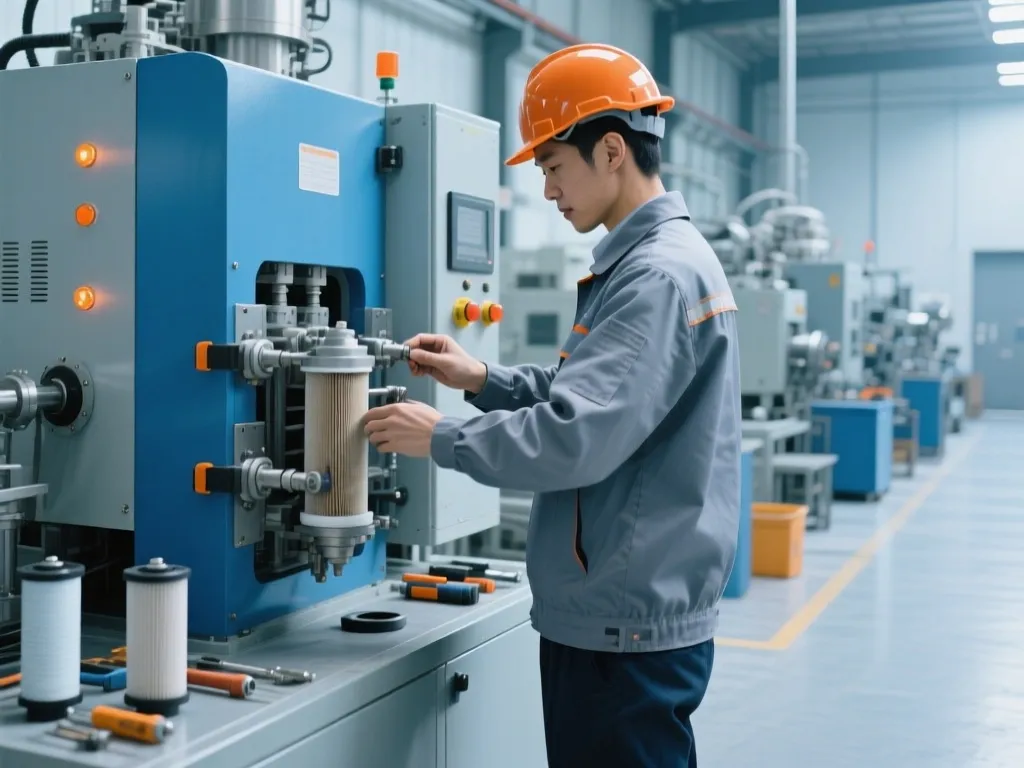
Quick Filter Replacement Techniques: Minimizing Downtime with Innovative Designs
When it comes to industrial filtration, every minute of downtime counts. Unplanned stops can lead to significant production losses, increased maintenance costs, and even safety hazards. That’s why mastering quick filter replacement techniques is crucial for maintaining operational efficiency. In this section, we’ll explore how innovative designs like modular systems and quick-connect mechanisms can dramatically reduce replacement times and keep your operations running smoothly. Let’s dive into the world of rapid filter changes and discover how these technologies can transform your maintenance routine.
One of the most effective strategies for minimizing downtime is implementing modular filter designs. These systems allow you to replace individual filter elements without shutting down the entire system. Imagine being able to swap out a clogged filter cartridge while the rest of your filtration system continues to operate at full capacity. That’s the power of modularity. Modular designs typically feature standardized components that are easy to remove and install. This standardization reduces the need for specialized tools or extensive training, making filter changes something your team can handle quickly and confidently. The beauty of modular systems lies in their flexibility. You can scale your filtration capacity by adding or removing modules as needed, without disrupting production. This adaptability is particularly valuable in industries with fluctuating demand or those that require frequent process changes.
Another game-changer in quick filter replacement is the adoption of quick-connect systems. These innovative mechanisms eliminate the need for time-consuming threading or tightening procedures. With a simple twist, click, or pull, you can secure or release filter elements in seconds. Quick-connect systems come in various forms, from bayonet fittings to lever-lock mechanisms. Each design offers its own advantages, but they all share the same goal: to make filter changes as fast and foolproof as possible. Some advanced quick-connect systems even incorporate safety features that prevent accidental disconnection under pressure, ensuring both operator safety and system integrity.
But how do these technologies translate into real-world time savings? Let’s consider a practical example. In a traditional filtration setup, replacing a filter might require shutting down the system, depressurizing, removing multiple bolts or clamps, extracting the old filter, inserting the new one, and then reassembling everything. This process could easily take 30 minutes or more, depending on the system’s complexity. Now, compare that to a modular system with quick-connect fittings. In this scenario, you might simply isolate the specific module needing service, release the quick-connect mechanism, slide out the old filter element, insert the new one, and reconnect—all in under 5 minutes. That’s an 80% reduction in downtime! When multiplied across multiple filter changes over a year, the time savings become substantial, translating directly into increased productivity and cost savings.
Of course, implementing these quick replacement technologies requires some initial investment and planning. You’ll need to assess your current filtration systems to determine compatibility with modular designs or quick-connect mechanisms. In some cases, retrofitting existing equipment may be possible, while in others, you might need to consider upgrading to newer, more advanced filtration solutions. The good news is that many filter manufacturers now offer modular and quick-connect options as standard features or easy upgrades, making the transition smoother than you might think. It’s also worth noting that quick replacement technologies don’t just save time—they can also improve maintenance safety. By reducing the need for operators to work in confined spaces or handle heavy components, these designs minimize the risk of accidents and injuries. Plus, the simplicity of quick-connect systems means less opportunity for errors that could lead to system leaks or failures.
As you consider implementing these technologies, remember that training is key. Even the most intuitive designs benefit from proper instruction to ensure your team can use them effectively. Invest time in training sessions that demonstrate the correct procedures for module isolation, filter removal, and reconnection. Encourage your team to practice these steps until they become second nature. The initial time investment in training will pay off exponentially in reduced downtime and increased confidence during actual maintenance procedures. In conclusion, quick filter replacement techniques like modular designs and quick-connect systems represent a significant leap forward in industrial filtration maintenance. By adopting these technologies, you can dramatically reduce downtime, improve safety, and boost overall operational efficiency. The next time you’re faced with a filter change, ask yourself: could I be doing this faster and more safely with innovative replacement technologies? The answer might just lead you to your next big productivity breakthrough.
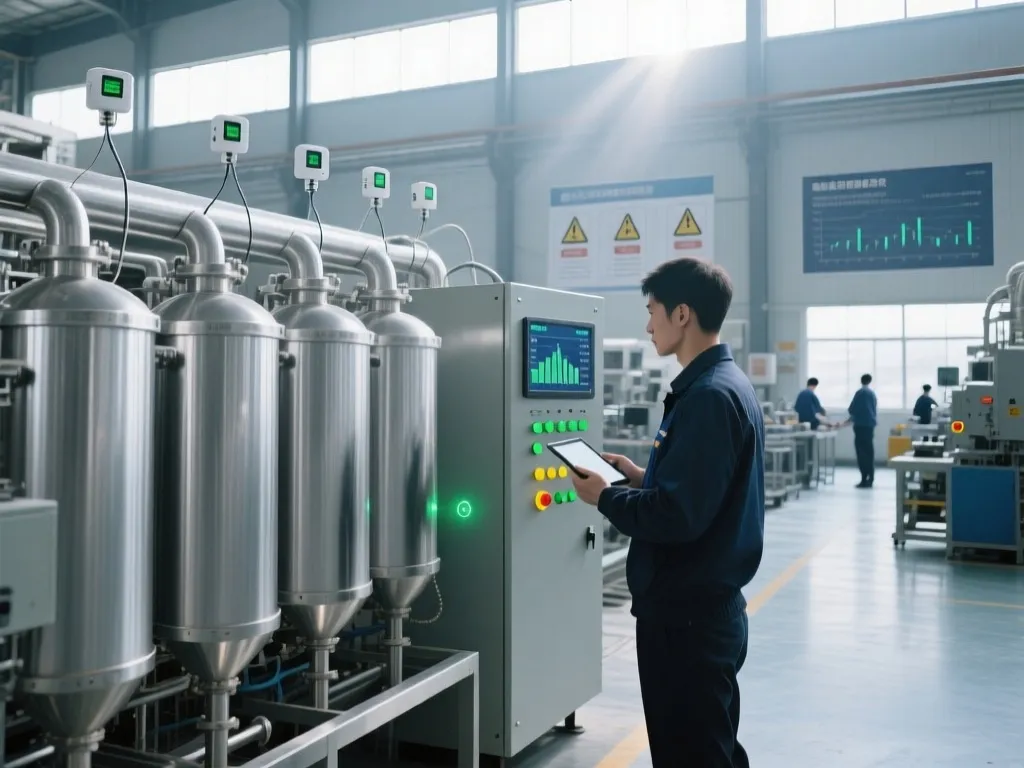
Smart Monitoring Systems: Revolutionizing Filter Maintenance
Imagine this: You’re running a large-scale industrial operation, and suddenly, your production line grinds to a halt. The culprit? A clogged filter that went unnoticed until it was too late. This scenario is all too common in industries reliant on filtration systems, where unexpected downtime can cost thousands—or even millions—of dollars per hour. But what if I told you there’s a way to predict and prevent these issues before they happen? Enter smart monitoring systems, the game-changer in filter maintenance that’s transforming how industries manage their filtration processes. Smart monitoring systems are not just fancy gadgets; they’re sophisticated tools designed to keep a constant eye on your filters’ health. By leveraging advanced sensors and IoT (Internet of Things) technology, these systems can detect even the slightest changes in filter performance, such as pressure drops, flow rate variations, or particulate accumulation. This real-time data collection allows you to stay one step ahead of potential problems, ensuring your filters operate at peak efficiency without any nasty surprises. One of the most significant advantages of smart monitoring systems is their ability to provide early warnings. Traditional maintenance methods often rely on scheduled checks or reactive responses to failures, which can lead to unnecessary downtime. With smart monitoring, you receive alerts as soon as a filter starts showing signs of distress. This proactive approach means you can address issues before they escalate into full-blown crises, saving you time, money, and headaches. But how exactly do these systems work? Let’s break it down. First, sensors are strategically placed throughout your filtration setup to monitor critical parameters like pressure, temperature, and flow. These sensors continuously transmit data to a central hub or cloud-based platform, where sophisticated algorithms analyze the information. If any anomalies are detected, the system sends out an alert via email, SMS, or even through an integrated dashboard, depending on your preferences. This immediate notification allows you to take swift action, whether it’s adjusting operating conditions, scheduling a maintenance check, or replacing a filter element. Moreover, smart monitoring systems can integrate with your existing maintenance management software, creating a seamless workflow that enhances overall efficiency. For instance, when an alert is triggered, the system can automatically generate a work order, assign it to the appropriate technician, and track its progress until resolution. This level of automation reduces manual intervention, minimizes human error, and ensures that every maintenance task is completed on time and to the highest standard. Another key benefit of smart monitoring is its role in predictive maintenance. By analyzing historical data and identifying patterns, these systems can predict when a filter is likely to fail or require replacement. This predictive capability enables you to plan maintenance activities during scheduled downtimes, avoiding unplanned interruptions that can disrupt production. Additionally, it helps optimize inventory management by ensuring you have the right spare parts on hand when needed, reducing excess stock and associated costs. Let’s consider a real-world example to illustrate the impact of smart monitoring systems. A large chemical processing plant was experiencing frequent filter failures, leading to costly production delays and product quality issues. After implementing a smart monitoring solution, they were able to detect early signs of clogging and pressure buildup, allowing them to perform preventive maintenance before any major problems occurred. As a result, their filter-related downtime decreased by 70%, and they saved over $500,000 annually in maintenance and operational costs. In conclusion, smart monitoring systems are revolutionizing filter maintenance by providing real-time insights, early warnings, and predictive capabilities. These advanced tools empower you to take control of your filtration processes, ensuring optimal performance and minimizing the risk of unplanned downtime. If you’re tired of playing catch-up with filter issues, it’s time to embrace the future of maintenance and invest in a smart monitoring system. Your bottom line—and your peace of mind—will thank you.
How Smart Monitoring Systems Detect Issues Early
Smart monitoring systems rely on a network of sensors that continuously monitor various aspects of your filter’s performance. These sensors can detect subtle changes in pressure, flow rate, and particulate levels, which might indicate the early stages of a problem. For example, a gradual increase in pressure drop could signal that a filter is becoming clogged, even if it hasn’t yet affected overall system performance. By catching these issues early, you can intervene before they lead to more significant problems, such as complete filter failure or damage to downstream equipment.
The Role of IoT in Smart Monitoring
The Internet of Things (IoT) plays a crucial role in smart monitoring systems by enabling seamless communication between sensors, the central hub, and your maintenance team. IoT technology allows for real-time data transmission, ensuring that you receive up-to-the-minute information about your filter’s status. This connectivity also facilitates remote monitoring, so you can keep an eye on your filtration system from anywhere, at any time. Whether you’re on-site or managing operations from a distant location, IoT-powered smart monitoring gives you the visibility and control you need to maintain optimal filter performance.
Integrating Smart Monitoring with Maintenance Management
One of the most powerful features of smart monitoring systems is their ability to integrate with existing maintenance management software. This integration creates a unified platform where all maintenance-related data is stored and analyzed. When an alert is triggered, the system can automatically generate a work order, assign it to a technician, and track its progress until completion. This streamlined workflow reduces administrative overhead, ensures that maintenance tasks are completed on time, and provides a clear audit trail for compliance and reporting purposes. By combining smart monitoring with maintenance management, you can achieve a higher level of operational efficiency and reliability.
Mastering How to reduce downtime from filter maintenance boils down to three key moves: adopting a preventive maintenance plan, leveraging quick-change technologies, and integrating smart monitoring systems. These strategies aren’t just theoretical—they’re proven to slash unplanned downtime, extend filter lifespans, and boost overall efficiency. By implementing them, you’re not just maintaining equipment; you’re future-proofing your operations. So, what’s the next step? Start by auditing your current maintenance routine, identify gaps, and pick one strategy to test this week. Share your progress with your team, or drop a comment below—let’s keep the conversation going. The path to ‘zero downtime’ starts here!