

Choosing the right filter bag isn’t just about grabbing any option off the shelf—it’s a strategic decision that impacts your entire filtration system. Whether you’re in chemicals, food processing, or pharmaceuticals, What factors affect filter bag selection? can make or break your operational efficiency. From material properties to industry-specific demands, this guide dives deep into the critical elements you need to consider. Ready to stop guessing and start selecting with confidence?
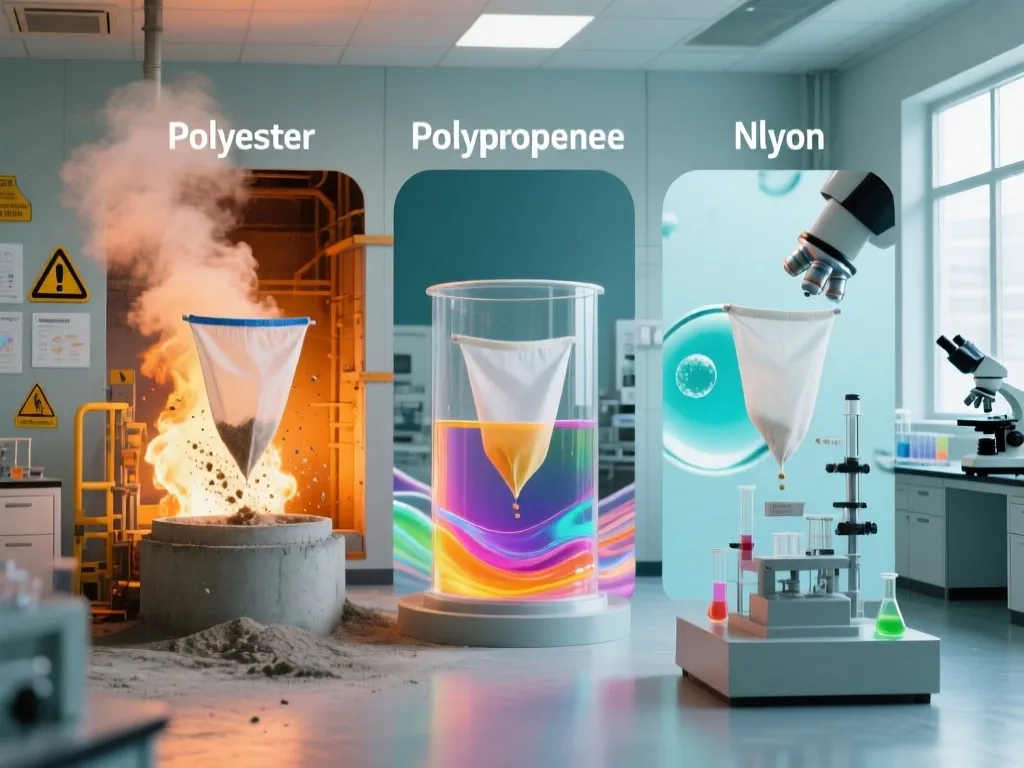
Material Determines Performance: Exploring Differences in Filter Bag Materials
When it comes to filter bag selection, the material is the cornerstone that determines its overall performance. Different materials, such as polyester, polypropylene, and nylon, each have unique characteristics in terms of temperature resistance, corrosion resistance, and filtration accuracy. Let’s dive deep into these differences and understand how to choose the right material based on specific working conditions. Polyester filter bags are a popular choice in many industrial applications. They offer excellent temperature resistance, typically withstanding continuous operating temperatures up to 130 – 150°C. This makes them suitable for high – temperature environments like in some chemical processing and power generation applications. In terms of corrosion resistance, polyester shows good resistance to most organic solvents and weak acids. However, it may not perform well in strong alkaline environments. When it comes to filtration accuracy, polyester filter bags can achieve a wide range of particle retention, from relatively coarse filtration to fine filtration depending on the weave and finish. For example, in a cement plant, polyester filter bags are often used to capture dust particles during the production process. The high – temperature resistance of polyester allows it to handle the hot air and dust generated during cement manufacturing without significant degradation. Polypropylene filter bags, on the other hand, have their own set of advantages. They are known for their excellent chemical resistance, especially against acids and alkalis. This makes them ideal for use in the chemical industry where exposure to various corrosive substances is common. Polypropylene can withstand temperatures up to around 90 – 110°C continuously. Although its temperature resistance is lower compared to polyester, it still meets the requirements of many medium – temperature applications. In terms of filtration accuracy, polypropylene filter bags can also provide effective particle retention. For instance, in a food processing plant that uses acidic cleaning agents, polypropylene filter bags can resist the corrosion and continue to filter out food particles and other impurities effectively. Nylon filter bags are another option with distinct features. Nylon has good abrasion resistance and high tensile strength, which means it can withstand mechanical stress during the filtration process. It can operate at temperatures up to about 120 – 140°C. In terms of corrosion resistance, nylon is resistant to many organic solvents and weak acids but may be affected by strong acids and alkalis over time. Regarding filtration accuracy, nylon filter bags can be designed to achieve high – precision filtration, making them suitable for applications where fine particle removal is crucial. For example, in the pharmaceutical industry, nylon filter bags can be used to filter out small impurities from drug formulations, ensuring the purity and quality of the final product. Our high-performance filter bags are designed to meet the diverse needs of various industries, incorporating these material advantages. So, how do you choose the right material for your specific working conditions? First, consider the temperature of the environment where the filter bag will be used. If it’s a high – temperature application, polyester or nylon might be more suitable, while for medium – temperature and highly corrosive environments, polypropylene could be the better choice. Second, evaluate the nature of the substances being filtered. If there are strong acids or alkalis present, polypropylene’s excellent chemical resistance makes it a top contender. If the focus is on high – precision filtration and mechanical durability, nylon could be the way to go. And if you need a balance between temperature resistance and general – purpose filtration, polyester is often a reliable option. By carefully considering these factors, you can select the filter bag material that will deliver optimal performance in your specific industrial setting.
Polyester Filter Bags: The High – Temperature Workhorse
Polyester filter bags are a popular choice in many industrial applications. They offer excellent temperature resistance, typically withstanding continuous operating temperatures up to 130 – 150°C. This makes them suitable for high – temperature environments like in some chemical processing and power generation applications. In terms of corrosion resistance, polyester shows good resistance to most organic solvents and weak acids. However, it may not perform well in strong alkaline environments. When it comes to filtration accuracy, polyester filter bags can achieve a wide range of particle retention, from relatively coarse filtration to fine filtration depending on the weave and finish. For example, in a cement plant, polyester filter bags are often used to capture dust particles during the production process. The high – temperature resistance of polyester allows it to handle the hot air and dust generated during cement manufacturing without significant degradation.
Polypropylene Filter Bags: Chemical Resistance Champions
Polypropylene filter bags, on the other hand, have their own set of advantages. They are known for their excellent chemical resistance, especially against acids and alkalis. This makes them ideal for use in the chemical industry where exposure to various corrosive substances is common. Polypropylene can withstand temperatures up to around 90 – 110°C continuously. Although its temperature resistance is lower compared to polyester, it still meets the requirements of many medium – temperature applications. In terms of filtration accuracy, polypropylene filter bags can also provide effective particle retention. For instance, in a food processing plant that uses acidic cleaning agents, polypropylene filter bags can resist the corrosion and continue to filter out food particles and other impurities effectively. Our industrial bag filters offer excellent chemical resistance for such demanding environments.
Nylon Filter Bags: Precision and Durability
Nylon filter bags are another option with distinct features. Nylon has good abrasion resistance and high tensile strength, which means it can withstand mechanical stress during the filtration process. It can operate at temperatures up to about 120 – 140°C. In terms of corrosion resistance, nylon is resistant to many organic solvents and weak acids but may be affected by strong acids and alkalis over time. Regarding filtration accuracy, nylon filter bags can be designed to achieve high – precision filtration, making them suitable for applications where fine particle removal is crucial. For example, in the pharmaceutical industry, nylon filter bags can be used to filter out small impurities from drug formulations, ensuring the purity and quality of the final product. For high-precision filtration needs, explore our high-performance industrial bag filters.
Choosing the Right Material for Your Working Conditions
So, how do you choose the right material for your specific working conditions? First, consider the temperature of the environment where the filter bag will be used. If it’s a high – temperature application, polyester or nylon might be more suitable, while for medium – temperature and highly corrosive environments, polypropylene could be the better choice. Second, evaluate the nature of the substances being filtered. If there are strong acids or alkalis present, polypropylene’s excellent chemical resistance makes it a top contender. If the focus is on high – precision filtration and mechanical durability, nylon could be the way to go. And if you need a balance between temperature resistance and general – purpose filtration, polyester is often a reliable option. By carefully considering these factors, you can select the filter bag material that will deliver optimal performance in your specific industrial setting.

Application-Oriented Selection: Analyzing Special Requirements in Chemical, Food, Pharmaceutical Industries
When it comes to selecting filter bags, understanding the unique demands of different industries is crucial. Each sector—chemical, food, pharmaceutical—has its own set of standards and challenges that directly influence the choice of filter bag material, design, and functionality. Let’s dive into these industries one by one to uncover what makes each one tick and how you can tailor your filter bag selection accordingly.First up, the chemical industry. This sector is notorious for its harsh operating environments, where corrosive chemicals, high temperatures, and abrasive particles are the norm. In such settings, the durability and chemical resistance of filter bags become paramount. You’ll want to look for materials like PTFE (Polytetrafluoroethylene) or PPS (Polyphenylene Sulfide), which offer excellent resistance to a wide range of chemicals and can withstand extreme temperatures. But it’s not just about the material; the construction of the filter bag matters too. Seams should be reinforced to prevent leaks, and the bag should be designed to handle the pressure differentials common in chemical processing.Now, let’s shift gears to the food industry. Here, hygiene and safety are non-negotiable. Filter bags used in food processing must meet stringent sanitary standards to prevent contamination and ensure product purity. This means opting for materials that are FDA-approved and can be easily cleaned and sterilized. Stainless steel or food-grade plastics are often preferred for their non-reactive nature and resistance to bacterial growth. Additionally, the design of the filter bag should facilitate easy removal and replacement to minimize downtime during cleaning cycles. It’s also worth considering filter bags with anti-static properties to prevent the buildup of static electricity, which can be a fire hazard in certain food processing environments.Moving on to the pharmaceutical industry, where precision and purity are everything. Pharmaceutical manufacturing involves the handling of sensitive drugs and active pharmaceutical ingredients (APIs), making the choice of filter bag even more critical. In this sector, you’ll need filter bags that can achieve ultra-high filtration efficiencies to remove even the smallest particles and contaminants. Materials like PTFE or glass fiber are commonly used for their exceptional filtration capabilities. Moreover, the filter bag must be compatible with the solvents and chemicals used in pharmaceutical production to avoid any adverse reactions or product degradation. Seal integrity is another key consideration, as any leaks could compromise the sterility of the product.So, how do you translate these industry-specific requirements into actionable filter bag selection criteria? Start by identifying the primary challenges in your operating environment. Is it corrosion, high temperatures, or strict hygiene standards? Once you’ve pinpointed the key issues, research materials and designs that address those challenges head-on. Don’t hesitate to reach out to filter bag manufacturers or suppliers for guidance; they often have extensive knowledge and experience in matching filter bags to specific industry needs.Remember, the right filter bag can make all the difference in your operation’s efficiency, product quality, and safety. By taking the time to understand the unique demands of your industry and selecting a filter bag that meets those demands, you’re setting yourself up for success.
Chemical Industry: Corrosion Resistance and Durability
In the chemical industry, the primary concern is corrosion resistance. Chemicals can be highly reactive, and even a small leak or degradation in the filter bag material can lead to catastrophic consequences. That’s why materials like PTFE and PPS are so popular; they offer unparalleled resistance to a wide range of chemicals, ensuring long-lasting performance even in the harshest environments. But it’s not just about the material; the design of the filter bag must also be robust enough to handle the pressure differentials and mechanical stresses common in chemical processing. Reinforced seams, sturdy construction, and a well-thought-out design are all essential for ensuring the filter bag can withstand the rigors of the chemical industry.
Food Industry: Hygiene and Safety First
For the food industry, hygiene and safety are the top priorities. Filter bags used in food processing must be made from materials that are non-toxic, non-reactive, and easy to clean. FDA-approved materials like stainless steel or food-grade plastics are ideal choices, as they meet the strict sanitary standards required in food production. The design of the filter bag should also facilitate easy removal and replacement, minimizing downtime during cleaning cycles and reducing the risk of contamination. Additionally, consider filter bags with anti-static properties to prevent the buildup of static electricity, which can be a fire hazard in certain food processing environments.
Pharmaceutical Industry: Precision and Purity
In the pharmaceutical industry, precision and purity are everything. Filter bags must be able to achieve ultra-high filtration efficiencies to remove even the smallest particles and contaminants, ensuring the purity and safety of the final product. Materials like PTFE or glass fiber are commonly used for their exceptional filtration capabilities, while seal integrity is crucial to prevent any leaks that could compromise the sterility of the product. When selecting filter bags for pharmaceutical applications, it’s also important to consider compatibility with the solvents and chemicals used in production to avoid any adverse reactions or product degradation.
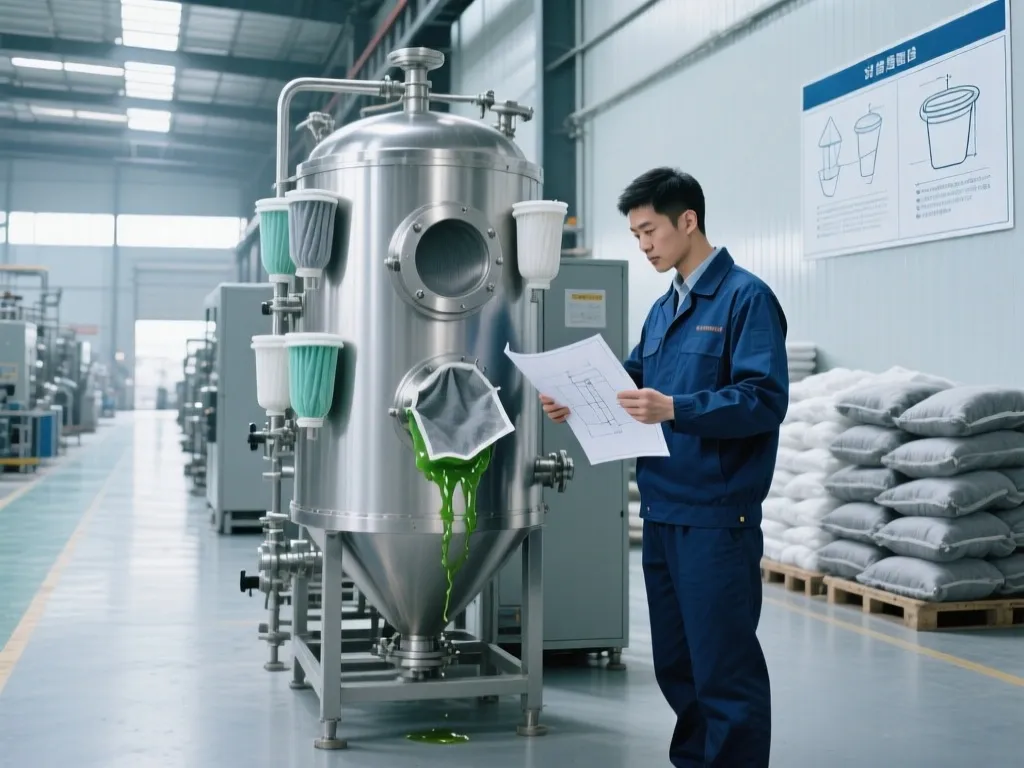
Balancing Size and Performance: How Filter Bag Dimensions Impact Efficiency and Compatibility
When it comes to selecting the right filter bag for your industrial filtration system, size isn’t just a matter of fitting into the available space—it’s a critical factor that directly influences both filtration efficiency and equipment compatibility. Imagine trying to pour a large volume of liquid through a narrow straw; the flow rate is restricted, and the process becomes inefficient. Similarly, choosing a filter bag that’s too small or too large for your system can lead to suboptimal performance, increased maintenance costs, and even potential damage to your equipment. So, how exactly do filter bag dimensions affect these crucial aspects, and how can you determine the best size for your specific needs? Let’s dive in.
Filtration Efficiency Considerations
Firstly, let’s consider filtration efficiency. The size of a filter bag, particularly its surface area, plays a pivotal role in determining how much particulate matter it can capture over a given period. A larger surface area means more filtration media is available to trap contaminants, leading to higher filtration efficiency and longer service life. Conversely, a smaller filter bag may become clogged more quickly, requiring frequent replacements and increasing downtime. But it’s not just about the surface area; the dimensions of the filter bag also influence the flow rate through the system. A bag that’s too small for the volume of air or liquid being processed can create excessive pressure drop, reducing the system’s overall efficiency and potentially causing damage to the pump or blower. On the other hand, an oversized filter bag may not provide sufficient resistance to flow, allowing unfiltered particles to bypass the media and compromise the quality of the output.
Equipment Compatibility Factors
Now, let’s talk about equipment compatibility. Filter bags are designed to fit specific types of filtration equipment, such as baghouses, cartridge filters, or panel filters. Each type of equipment has its own set of dimensions and mounting requirements, and choosing a filter bag that doesn’t match these specifications can lead to installation difficulties, leaks, or even catastrophic failure. For example, a filter bag that’s too long for a baghouse may sag or bunch up, creating gaps that allow contaminants to escape. Similarly, a bag that’s too short may not provide adequate coverage, leaving areas of the filtration media exposed and vulnerable to damage. To ensure proper fit and function, it’s essential to refer to the manufacturer’s guidelines for your specific equipment model, which often include detailed diagrams and measurements for selecting the right filter bag.
Determining the Best Filter Bag Size
So, how do you determine the best filter bag size for your system? The first step is to consult the manufacturer’s specifications for your filtration equipment. These documents typically provide detailed information on the recommended filter bag dimensions, including length, diameter, and neck size. It’s crucial to follow these guidelines closely, as even minor deviations can impact performance and compatibility. Next, consider the specific operating conditions of your system. Factors such as the type and concentration of contaminants, the flow rate, and the temperature and pressure of the process stream can all influence the optimal filter bag size. For instance, if you’re dealing with highly corrosive or abrasive materials, you may need a thicker or more durable filter bag to withstand the harsh conditions. Similarly, if your system operates at high temperatures, you’ll need a filter bag that can maintain its structural integrity and filtration efficiency under those extreme conditions. Finally, don’t forget about the physical constraints of your facility. The available space for the filtration equipment, the height of the ceiling, and the accessibility for maintenance and replacement are all important considerations when selecting filter bag dimensions. An oversized filter bag may not fit into the designated space, while an undersized bag may require frequent replacements that are difficult or time-consuming to perform. In conclusion, choosing the right filter bag size is a delicate balancing act that requires careful consideration of filtration efficiency, equipment compatibility, and physical constraints. By consulting the manufacturer’s specifications, understanding your system’s operating conditions, and taking into account the practical limitations of your facility, you can select a filter bag that provides optimal performance, extends equipment life, and minimizes maintenance costs. Remember, when it comes to filter bags, size truly does matter—so choose wisely!
Now you know the core factors shaping What factors affect filter bag selection?—material resilience, industry-specific demands, and size-performance balance. By aligning these elements with your operational needs, you’ll not only boost filtration efficiency but also cut long-term costs and equipment wear. Why wait? Share this guide with your team, bookmark it for future projects, or explore our catalog of industry-tested filter bags tailored to your unique challenges. The next level of filtration starts here—what’s your first move?
n
Need Help Selecting the Right Filter?
Share your application, operating conditions, required efficiency or micron rating, dimensions, and quantity. Our filtration team will help identify a suitable solution.