
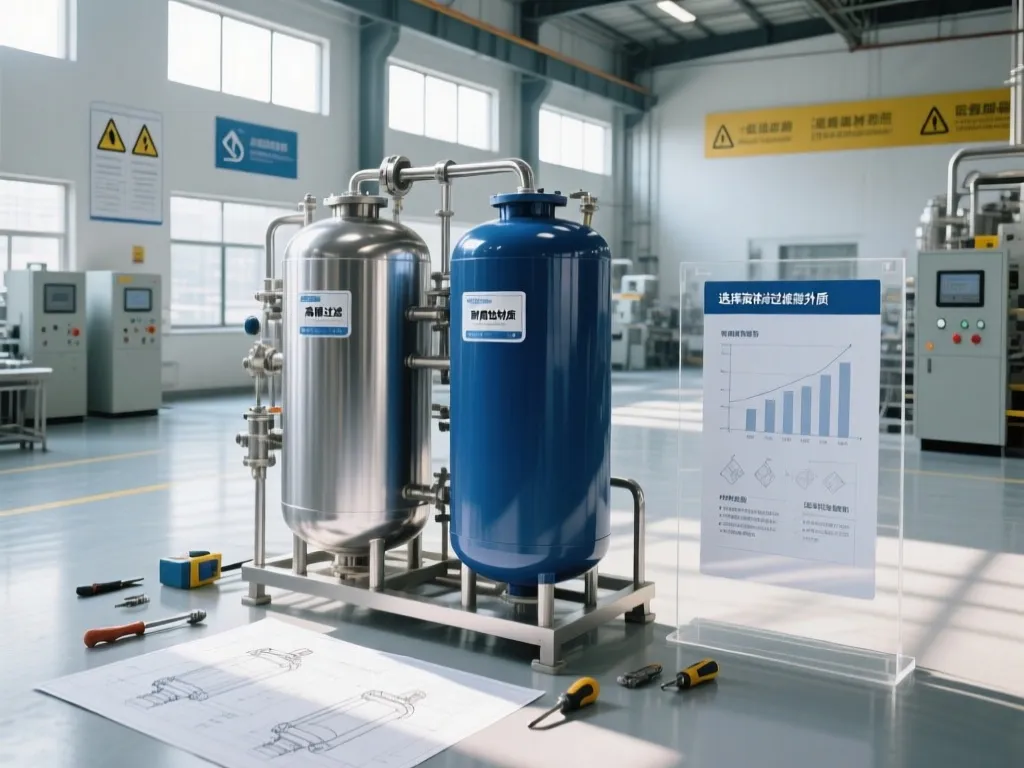
In the world of industrial filtration, the right liquid filter housing can make or break your production process. Whether you’re a business owner hunting for suppliers, an industrial production manager, or a seasoned equipment maintenance professional, selecting the optimal housing is crucial. But with so many options out there, how do you ensure you’re making the right choice? Let’s dive into the nitty-gritty of choosing the ideal liquid filter housing for your specific requirements.
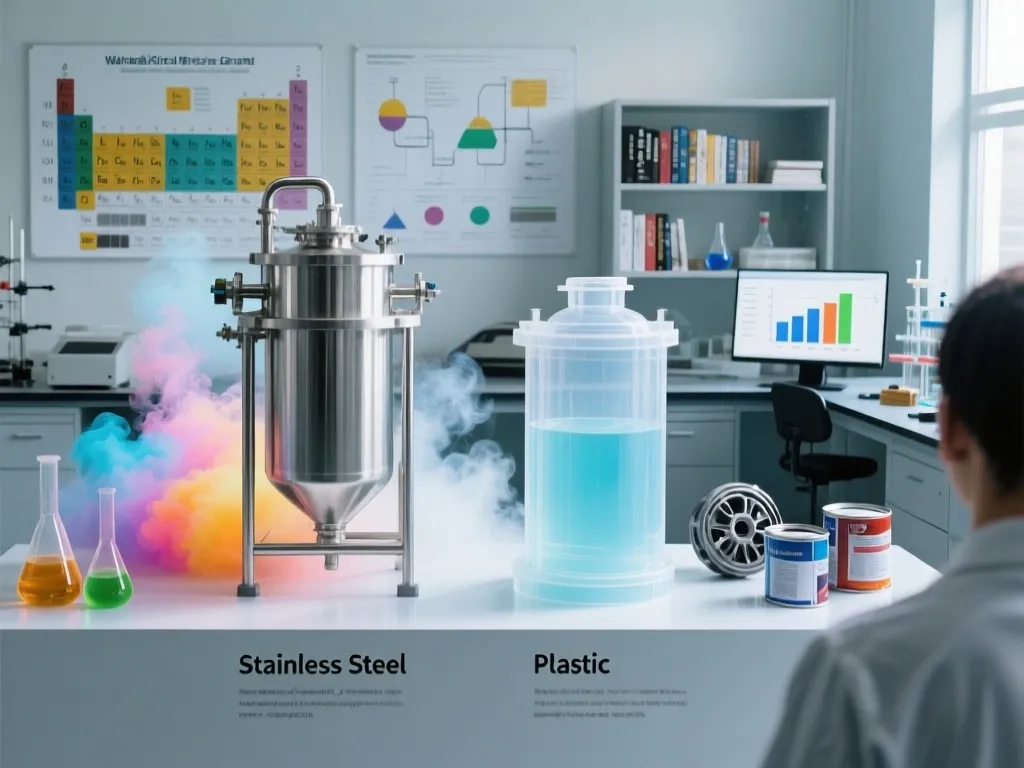
The Art of Material Selection: How Stainless Steel, Plastic, and Other Materials Impact Filtration Performance
When it comes to choosing the right liquid filter housing for your industrial needs, material selection is not just a matter of aesthetics or cost—it’s a critical decision that directly affects filtration efficiency, durability, and overall operational success. The materials used in constructing liquid filter housings vary widely, each bringing its own set of advantages and limitations. Let’s dive into the world of stainless steel, plastic, and other materials to understand how they influence filtration performance and help you make an informed choice.
Stainless Steel: The Champion of Corrosion Resistance and High-Temperature Performance
Stainless steel liquid filter housings are the go-to option for many industrial applications, thanks to their exceptional corrosion resistance. This material can withstand exposure to a wide range of chemicals, including acids, alkalis, and salts, without degrading or leaching harmful substances into the filtered liquid. This makes stainless steel ideal for industries such as pharmaceuticals, food and beverage processing, and chemical manufacturing, where purity and safety are paramount. For those seeking a high-performance stainless steel option, consider exploring our SS 316L water filter housing, which offers superior filtration efficiency and durability. Moreover, stainless steel boasts impressive high-temperature tolerance. It can operate effectively in environments where temperatures soar, making it suitable for processes involving hot liquids or steam sterilization. This durability ensures a longer lifespan for the filter housing, reducing the need for frequent replacements and minimizing downtime. However, stainless steel comes with a higher price tag compared to other materials. Its cost is justified by its longevity and performance, but for budget-conscious operations or those with less demanding filtration requirements, it may not always be the most economical choice.
Plastic: A Cost-Effective Alternative with Its Own Set of Advantages
On the other end of the spectrum, plastic liquid filter housings offer a cost-effective alternative without compromising on functionality in many cases. Plastics like polypropylene (PP) and polyvinylidene fluoride (PVDF) are commonly used due to their good chemical resistance, although not as extensive as stainless steel. They are particularly effective against a variety of organic solvents, oils, and some acids, making them suitable for applications in the automotive, paint, and coatings industries. For a durable and efficient plastic filtration solution, our water filter housing is an excellent choice. Plastic filter housings are also lightweight, which simplifies installation and handling. They are less prone to thermal expansion and contraction compared to metals, reducing the risk of leaks due to stress on seals and connections. Additionally, plastics can be molded into complex shapes, allowing for customized designs that fit specific space constraints or process requirements. Nevertheless, plastics have their limitations. They generally have lower heat resistance than metals, which restricts their use in high-temperature applications. Some plastics may also be susceptible to UV degradation if exposed to sunlight for extended periods, requiring additional protective measures in outdoor settings.
Making the Right Choice: Matching Material to Liquid Properties
So, how do you decide which material is best for your liquid filter housing? The key lies in understanding the properties of the liquid you’re filtering. Consider factors such as chemical composition, temperature, pH level, and any potential for abrasion or corrosion. For instance, if you’re dealing with highly corrosive liquids or operating at elevated temperatures, stainless steel is likely your best bet. Its robustness will ensure reliable performance and longevity, even in harsh conditions. Conversely, if your application involves less aggressive liquids and you’re working within a tight budget, a plastic filter housing might be sufficient. For those requiring a high-temperature and high-pressure filtration solution, our SS316 liquid filter bag housing is an ideal option. Just be sure to select a plastic grade that’s compatible with your liquid’s chemical properties to avoid premature failure. In some cases, a hybrid approach may be the answer. For example, you could use a stainless steel housing with plastic internal components for added chemical resistance in specific areas. This allows you to leverage the strengths of both materials while mitigating their weaknesses.
The Mystery of Filtration Accuracy: Selection Strategies at the Micron Level
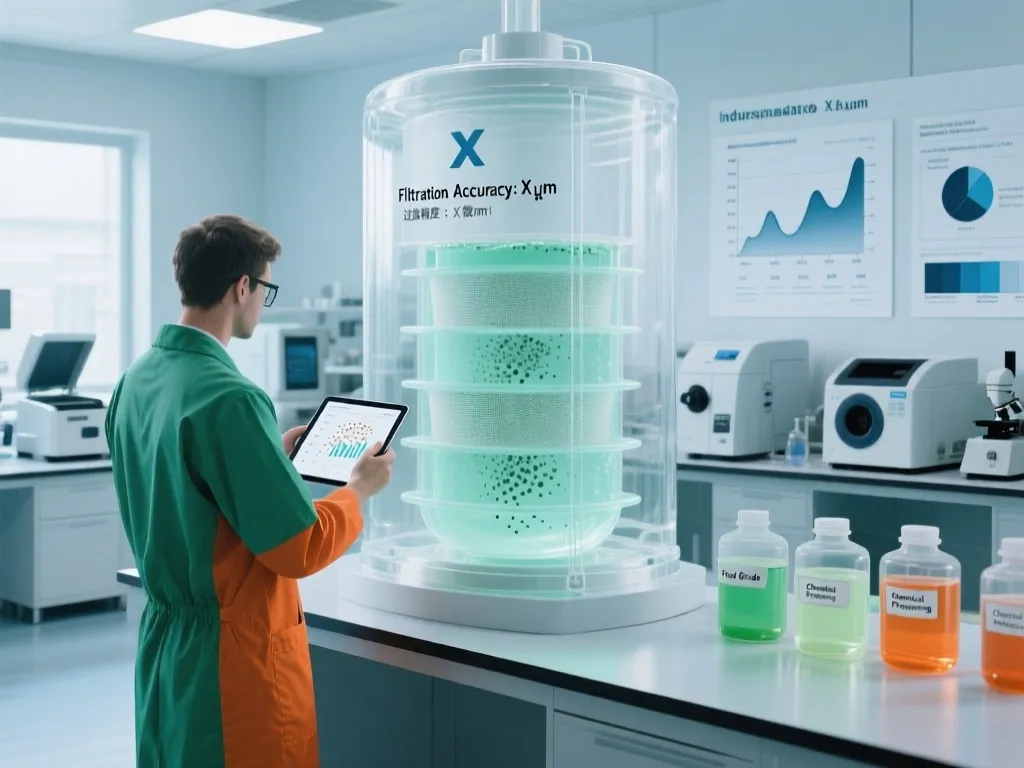
When it comes to industrial filtration, the filtration accuracy of a liquid filter housing is a critical factor that can make or break your production process. But what exactly is filtration accuracy, and why does it matter so much? Simply put, filtration accuracy refers to the size of the particles that a filter can effectively remove from a liquid. It’s measured in microns (μm), with smaller numbers indicating finer filtration. Now, you might be wondering, ‘How do I know which filtration accuracy is right for my production needs?’ Well, that’s where the magic of micron-level selection comes in.
Different industries and applications have varying requirements for liquid purity. For instance, in the food and beverage industry, even the tiniest impurities can affect the taste, color, and safety of the final product. On the other hand, in the chemical processing industry, certain impurities might be acceptable or even necessary for the reaction to occur. So, how do you strike the right balance? Let’s dive deeper. First, consider the nature of the liquid you’re filtering. Is it a viscous oil, a corrosive chemical, or a delicate biological sample? The viscosity, corrosivity, and sensitivity of the liquid will all influence your choice of filtration accuracy. For example, if you’re filtering a highly corrosive liquid, you’ll need a filter housing with a material that can withstand the chemical attack, such as our stainless steel liquid cartridge filter housing, as well as a filtration accuracy that can capture the desired particles without clogging too quickly.
Next, think about the end use of the filtered liquid. Will it be used for drinking, manufacturing, or research? Each application has its own set of purity standards. For drinking water, you’ll need a filtration accuracy that can remove bacteria, viruses, and other harmful contaminants. For manufacturing processes, the requirements might be less stringent, but you’ll still need to ensure that the filtered liquid meets the specifications for your product.
Finally, consider the production volume and efficiency. If you’re processing large volumes of liquid, you’ll need a filter housing with a high flow rate and a filtration accuracy that can handle the load without frequent replacements or cleanings. On the other hand, if you’re working with small batches or delicate samples, you might prioritize precision and accuracy over flow rate. So, how do you translate all these factors into a practical selection strategy? Here’s a step-by-step guide: 1. Identify the impurities: Start by understanding what contaminants are present in your liquid and what size they are. This will give you a baseline for your filtration accuracy requirements. 2. Determine the purity standards: Research the industry standards or regulatory requirements for your application. This will help you set a target for your filtration accuracy. 3. Consider the liquid properties: Take into account the viscosity, corrosivity, and sensitivity of the liquid. This will influence your choice of filter material and housing design. 4. Evaluate production needs: Think about your production volume, efficiency requirements, and budget. This will help you balance the need for high filtration accuracy with practical considerations like cost and maintenance. 5. Test and iterate: Don’t be afraid to test different filtration accuracies and housing designs. Sometimes, the best way to find the right solution is through trial and error. By following these steps, you’ll be well on your way to selecting the perfect filtration accuracy for your liquid filter housing. Remember, the goal is to strike a balance between purity, efficiency, and cost-effectiveness. With the right strategy, you can ensure that your filtered liquid meets the highest standards of quality and safety.
Sealing Performance and Flow Rate Adaptability: The Double Guarantee for Safety and Efficiency
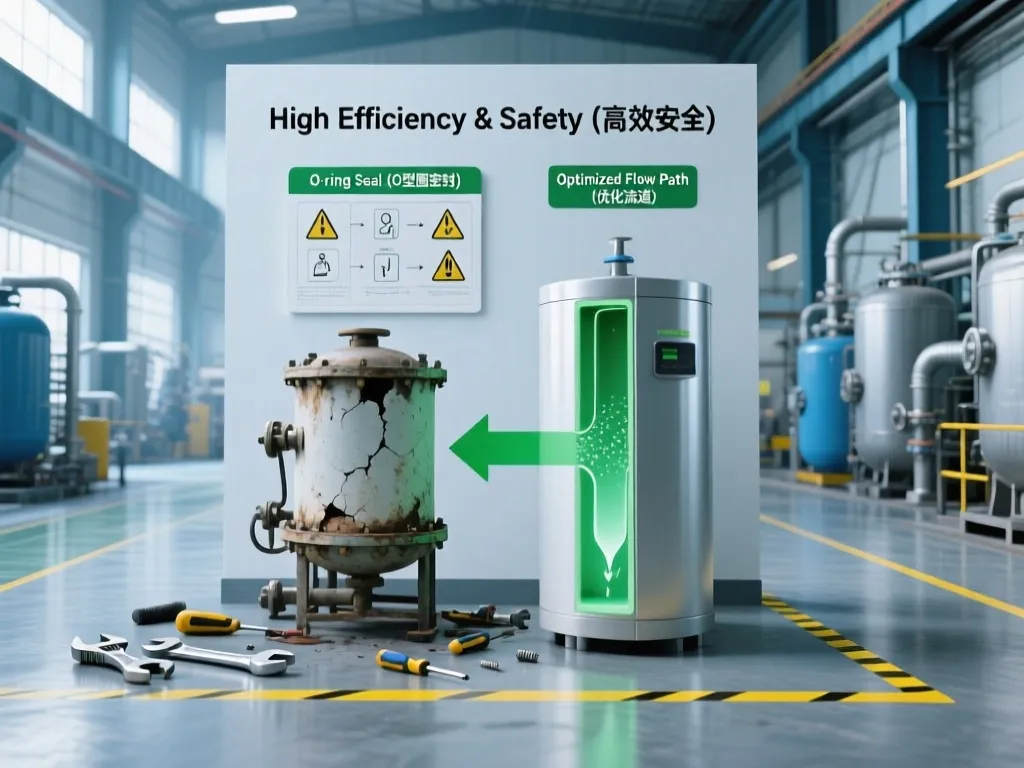
When it comes to industrial filtration, the importance of sealing performance and flow rate adaptability in liquid filter housing cannot be overstated. These two factors are like the twin pillars that support the entire filtration process, ensuring both safety and efficiency. Let’s first delve into the significance of good sealing performance. In industrial settings, the liquids being filtered often contain various chemicals, corrosive substances, or even hazardous materials. A leak in the liquid filter housing can lead to catastrophic consequences, such as environmental pollution, production downtime, and potential safety hazards for workers. For instance, in a chemical plant, if a filter housing with poor sealing allows a toxic chemical to escape, it could contaminate the surrounding area, endangering the health of nearby residents and causing irreparable damage to the ecosystem. Moreover, leaks can also result in the loss of valuable liquids, increasing production costs and reducing overall efficiency. So, what makes a good sealing design? There are several common types of sealing mechanisms used in liquid filter housing. One of the most widely used is the O-ring seal. O-rings are simple yet effective, providing a reliable seal by compressing between two mating surfaces. They are available in a variety of materials, such as rubber, silicone, and fluorocarbon, each suitable for different operating conditions. For example, rubber O-rings are cost-effective and work well in general-purpose applications, while fluorocarbon O-rings offer excellent resistance to chemicals and high temperatures, making them ideal for harsh industrial environments. Another popular sealing design is the gasket seal. Gaskets are flat pieces of material placed between two flanges to create a seal. They can be made from materials like cork, paper, or metal, depending on the specific requirements. Gaskets are often used in large-diameter filter housings where O-rings may not be sufficient to provide a complete seal. In addition to O-rings and gaskets, some liquid filter housing also feature welded seals. Welded seals offer the highest level of integrity as they are permanently fused together, eliminating the possibility of leaks due to loose or damaged seals. However, welded seals are more expensive and difficult to repair or replace compared to other types. Now, let’s shift our focus to flow rate adaptability. The liquid flow rate in an industrial process can vary significantly depending on factors such as the size of the production line, the type of liquid being filtered, and the desired filtration speed. Choosing a liquid filter housing with the right flow rate adaptability is crucial for ensuring optimal filtration efficiency. If the filter housing is too small for the flow rate, it can cause a bottleneck in the system, reducing the overall throughput and potentially damaging the filter elements due to excessive pressure. On the other hand, if the filter housing is too large, it can lead to unnecessary energy consumption and increased costs. To determine the appropriate flow rate for your liquid filter housing, you need to consider several factors. First, calculate the maximum expected flow rate of the liquid in your industrial process. This can be done by measuring the volume of liquid passing through a specific point in a given time period. Next, consider the viscosity of the liquid. Viscous liquids require more pressure to flow through the filter housing, so you may need a larger housing or a more powerful pump to achieve the desired flow rate. Additionally, the filtration media used in the filter housing also affects the flow rate. Some media, such as fine mesh screens, offer high filtration efficiency but can restrict the flow of liquid, while coarser media allow for higher flow rates but may not provide the same level of filtration. By carefully considering these factors and selecting a liquid filter housing with the appropriate flow rate adaptability, you can ensure that your filtration system operates at peak efficiency, providing clean and safe liquids for your industrial processes.
The Consequences of Poor Sealing Performance
As mentioned earlier, poor sealing performance in liquid filter housing can have severe consequences. In addition to environmental pollution and safety hazards, leaks can also lead to product contamination. For example, in the food and beverage industry, if a filter housing leaks and allows contaminants to enter the production line, it can compromise the quality and safety of the final product, resulting in product recalls and damage to the brand’s reputation. Moreover, leaks can also disrupt the normal operation of the production line, causing delays and increasing maintenance costs.
Factors Affecting Flow Rate Adaptability
Several factors influence the flow rate adaptability of liquid filter housing. Apart from the ones already mentioned, the design of the filter housing itself plays a crucial role. A well-designed filter housing with smooth internal surfaces and optimized flow paths can reduce pressure drop and improve flow rate. Additionally, the location of the inlet and outlet ports, as well as the size and shape of these ports, can also affect the flow of liquid through the housing. It’s important to choose a filter housing that is designed to handle the specific flow rate requirements of your industrial process.
Case Study: Selecting the Right Liquid Filter Housing for a Chemical Plant
Let’s consider a real-world example of a chemical plant that was facing issues with their existing liquid filter housing. The plant was experiencing frequent leaks due to poor sealing performance, which not only caused environmental concerns but also led to production downtime and increased maintenance costs. Additionally, the flow rate of the liquid through the filter housing was not optimized, resulting in inefficient filtration and higher energy consumption. After conducting a thorough analysis of their industrial process, the plant decided to upgrade their liquid filter housing. They chose a housing with high-quality O-ring seals made from fluorocarbon material, which offered excellent chemical resistance and high-temperature tolerance. They also selected a housing with a larger diameter and optimized flow paths to improve the flow rate adaptability. The results were remarkable. The new filter housing eliminated leaks, improved filtration efficiency, and reduced energy consumption, leading to significant cost savings and increased productivity for the chemical plant.
Selecting the appropriate liquid filter housing is undeniably the linchpin of successful industrial filtration. By arming yourself with knowledge about material selection, filtration accuracy, sealing performance, and flow rate adaptability, you’re well – equipped to make a choice that will safeguard your industrial production. Remember, the right housing can enhance efficiency, reduce costs, and ensure top – notch product quality. So, why wait? Take this guide and start your journey to unlock the full potential of industrial filtration. And if you’re eager to explore more advanced filtration solutions, keep your eyes peeled for our upcoming articles on cutting – edge industrial filtering technologies.
n
Need Help Selecting the Right Filter?
Share your application, operating conditions, required efficiency or micron rating, dimensions, and quantity. Our filtration team will help identify a suitable solution.