
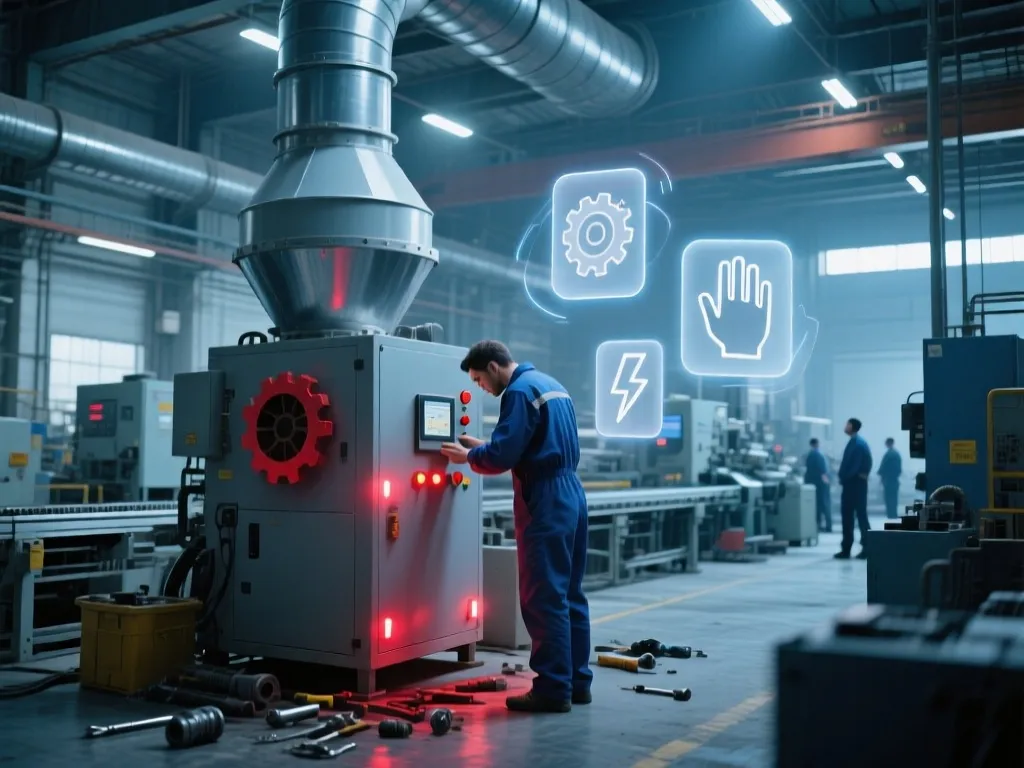
Imagine this: Your production line is humming along smoothly, and suddenly, the dust collector stops working. Chaos ensues. What causes sudden dust collector failure? It’s a question that plagues many industrial facilities. In this blog, we’ll dive deep into the common reasons behind these unexpected breakdowns, from mechanical glitches to electrical hiccups and even human errors. By the end, you’ll be armed with the knowledge to prevent these issues and keep your operations running smoothly.

Mechanical Failures: How Filter Bag Damage, Pulse Valve Malfunction, and Fan Issues Lead to Dust Collector Performance Decline or Complete Failure
When it comes to the sudden failure of dust collectors, mechanical issues are often the primary culprits. Let’s delve into three common mechanical problems that can cause your dust collector to go from a reliable workhorse to a useless piece of equipment in no time. First up, filter bag damage. Filter bags are the heart of any dust collector, responsible for trapping and holding the dust particles. But over time, they can suffer from wear and tear, leading to holes, tears, or even complete rupture. What causes this damage? Well, it could be due to abrasive dust particles constantly rubbing against the bag material, or perhaps the bags are not properly sized for the application, causing excessive stress. In some cases, chemical reactions between the dust and the bag material can also lead to degradation. When a filter bag is damaged, the dust collector’s efficiency plummets. Dust starts escaping through the holes, contaminating the surrounding environment and potentially causing health hazards for workers. Moreover, the increased pressure drop across the damaged bags can strain the fan, leading to higher energy consumption and even fan failure. Next, let’s talk about pulse valve malfunction. Pulse valves are responsible for cleaning the filter bags by releasing short bursts of compressed air. This process, known as pulse jet cleaning, is crucial for maintaining the dust collector’s performance. However, if the pulse valves fail to operate correctly, the filter bags can become clogged with dust, reducing their airflow capacity and increasing the pressure drop. What causes pulse valve malfunction? It could be due to dirt or debris getting stuck in the valve mechanism, preventing it from opening or closing properly. Alternatively, the solenoid coil that controls the valve’s operation might be faulty, leading to erratic or no operation at all. In some cases, the compressed air supply might be contaminated with oil or water, which can damage the valve’s internal components. When pulse valves malfunction, the dust collector’s performance suffers greatly. The reduced airflow means less dust is being captured, and the increased pressure drop can cause the fan to work harder, leading to higher energy costs and potential fan failure. Finally, let’s not forget about fan issues. The fan is the powerhouse of the dust collector, responsible for drawing in the dusty air and pushing it through the filter bags. If the fan fails, the entire system comes to a grinding halt. What causes fan failure? It could be due to mechanical wear and tear, such as worn bearings or a damaged impeller. In some cases, the fan might be overloaded due to excessive pressure drop across the filter bags, caused by clogging or damage. Additionally, electrical issues, such as a faulty motor or control circuit, can also lead to fan failure. When the fan fails, the dust collector is rendered useless. Without the fan’s suction power, dusty air cannot be drawn into the system, and the filter bags cannot perform their function. This can lead to a buildup of dust in the surrounding area, posing health and safety risks for workers. Moreover, the sudden loss of fan operation can cause pressure imbalances in the system, potentially damaging other components such as the filter bags or pulse valves. For those looking to upgrade their dust collection system, consider exploring advanced solutions like the high-efficiency industrial cyclone separator, which offers superior powder separation and dust collection capabilities.
Filter Bag Damage Prevention and Repair
To prevent filter bag damage, it’s crucial to choose the right bag material for your specific application. Consider factors such as the type of dust, temperature, and chemical exposure when selecting the bag material. Additionally, ensure that the bags are properly sized and installed to avoid excessive stress. Regular inspection and maintenance are also key. Check for signs of wear and tear, such as holes or tears, and replace damaged bags promptly. In some cases, applying a protective coating or using reinforced bags can extend their lifespan.
Pulse Valve Maintenance and Troubleshooting
To keep pulse valves in good working condition, regular cleaning is essential. Remove any dirt or debris that might have accumulated in the valve mechanism. Check the solenoid coil for signs of damage or wear, and replace it if necessary. Additionally, ensure that the compressed air supply is clean and dry, as contaminants can damage the valve’s internal components. If you’re experiencing issues with pulse valve operation, troubleshoot by checking the electrical connections, air supply pressure, and valve mechanism for any obvious problems.
Fan Maintenance and Performance Optimization
To prevent fan failure, regular maintenance is crucial. Check the bearings for signs of wear and lubricate them as needed. Inspect the impeller for damage or imbalance, and replace it if necessary. Additionally, monitor the fan’s performance regularly, checking for signs of reduced airflow or increased noise. If you notice any issues, investigate the cause promptly and take corrective action. In some cases, upgrading the fan to a more efficient model or adjusting the system’s pressure drop can improve performance and reduce the risk of failure.
Electrical System Issues: Unraveling the Impact of Power Failures, Aging Control Wires, and Sensor Malfunctions on Dust Collector Operation
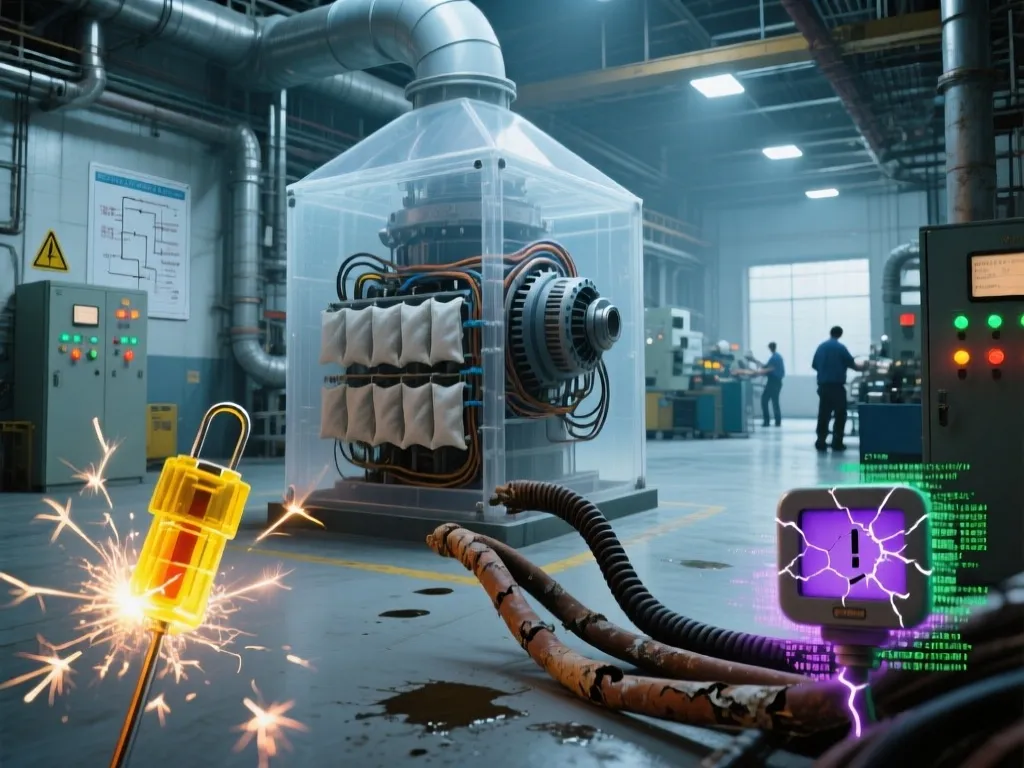
When it comes to the sudden failure of dust collectors, electrical system issues often play a significant yet underappreciated role. Have you ever found yourself scratching your head, wondering why your dust collector just stopped working out of the blue? Well, let’s dive into the world of electrical problems and see how they can wreak havoc on your dust collector’s operation. First up, power failures. A dust collector relies heavily on a stable power supply to function correctly. Imagine this scenario: you’re running a high – production line, and suddenly, the dust collector shuts down. The first thing to check is the power source. Power failures can occur due to various reasons, such as a blown fuse, a tripped circuit breaker, or even issues with the main power grid. A blown fuse is a common culprit. When the current flowing through the circuit exceeds the fuse’s rated capacity, it melts, cutting off the power supply. This can happen if there’s a short – circuit or an overload in the system. Similarly, a tripped circuit breaker serves as a safety mechanism to prevent electrical fires. If the dust collector draws too much power, the circuit breaker trips, interrupting the current. To diagnose a power failure, start by checking the fuse box or circuit breaker panel. Look for any blown fuses or tripped breakers. If you find one, replace the fuse or reset the breaker. However, don’t just stop there. Investigate why the fuse blew or the breaker tripped in the first place. It could be a sign of a more significant underlying issue, like a faulty component in the dust collector. Next, let’s talk about aging control wires. Over time, the control wires in a dust collector can deteriorate. Exposure to heat, moisture, and mechanical stress can cause the insulation on the wires to crack or wear off. When this happens, it can lead to short – circuits or open – circuits. A short – circuit occurs when two or more wires come into contact with each other, bypassing the normal electrical path. This can cause a sudden surge of current, potentially damaging other components in the dust collector. An open – circuit, on the other hand, means that the electrical path is broken, and the current can’t flow. This can result in the dust collector not receiving the necessary signals to operate correctly. To diagnose aging control wires, visually inspect them for any signs of damage, such as cracks in the insulation or exposed wires. You can also use a multimeter to test the continuity of the wires. If you detect a short – circuit or open – circuit, you’ll need to replace the damaged wires. Finally, sensor malfunctions can also cause sudden dust collector failures. Sensors play a crucial role in monitoring various parameters of the dust collector, such as air pressure, temperature, and dust levels. If a sensor fails, it can send incorrect signals to the control system, leading to improper operation or a complete shutdown. For example, a faulty air pressure sensor might indicate that the pressure is too low when it’s actually normal. This could cause the dust collector to stop working, thinking there’s a problem with the air supply. To diagnose sensor malfunctions, you’ll need to access the sensor readings. Many dust collectors have a control panel that displays sensor data. Check if the readings are within the normal range. If not, the sensor might be faulty. You can also perform a calibration test on the sensor to ensure its accuracy. If the sensor is indeed malfunctioning, replace it with a new one. For advanced dust collection solutions that can help mitigate such issues, explore our high-efficiency industrial cyclone separator. In conclusion, electrical system issues like power failures, aging control wires, and sensor malfunctions can be the hidden culprits behind sudden dust collector failures. By understanding how these problems affect the dust collector’s operation and knowing how to diagnose and repair them quickly, you can keep your dust collector running smoothly and avoid costly downtime.
Power Failures: The First Line of Investigation
Power failures are often the most straightforward yet overlooked cause of dust collector problems. A stable power supply is the lifeblood of any electrical device, and dust collectors are no exception. When the power goes out, the dust collector stops working, plain and simple. But it’s not just about a complete power outage. Fluctuations in voltage can also wreak havoc. For instance, if the voltage drops suddenly, the dust collector’s motor might not get enough power to run efficiently, leading to reduced performance or even a complete shutdown. On the other hand, a voltage surge can damage sensitive electronic components in the control system, causing long – term problems. To prevent power – related issues, consider installing a voltage stabilizer or an uninterruptible power supply (UPS). A voltage stabilizer can regulate the voltage, ensuring that the dust collector receives a consistent power supply. A UPS, on the other hand, can provide backup power in case of a power outage, allowing you to shut down the dust collector safely or continue operating for a short period.
Aging Control Wires: The Silent Killers
Aging control wires are like a ticking time bomb in your dust collector’s electrical system. As the wires age, their insulation becomes brittle and can crack easily. This exposes the bare wires, increasing the risk of short – circuits. Short – circuits can cause sparks, which can ignite flammable dust particles in the dust collector, leading to a fire hazard. Open – circuits, caused by broken wires, can disrupt the normal flow of electrical signals, preventing the dust collector from operating as intended. To extend the life of your control wires, avoid exposing them to extreme temperatures and moisture. If possible, route the wires in a protected area, away from moving parts and heat sources. Regularly inspect the wires for any signs of damage and replace them immediately if you find any issues.
Sensor Malfunctions: The Misguided Signals
Sensors are the eyes and ears of your dust collector’s control system. They provide real – time data on various parameters, allowing the control system to make informed decisions. However, when a sensor malfunctions, it can send incorrect signals, leading to chaos in the dust collector’s operation. For example, a faulty dust level sensor might indicate that the dust bin is full when it’s only half – full. This could cause the dust collector to stop collecting dust prematurely, reducing its efficiency. To ensure the accuracy of your sensors, perform regular calibration tests. Most sensors come with calibration instructions from the manufacturer. Follow these instructions carefully to keep your sensors in top – notch condition. If a sensor fails despite regular calibration, don’t hesitate to replace it. A faulty sensor is better replaced than risking a major breakdown of your dust collector.
Operation and Maintenance Negligence: How Human Factors Become Invisible Killers of Dust Collector Failures
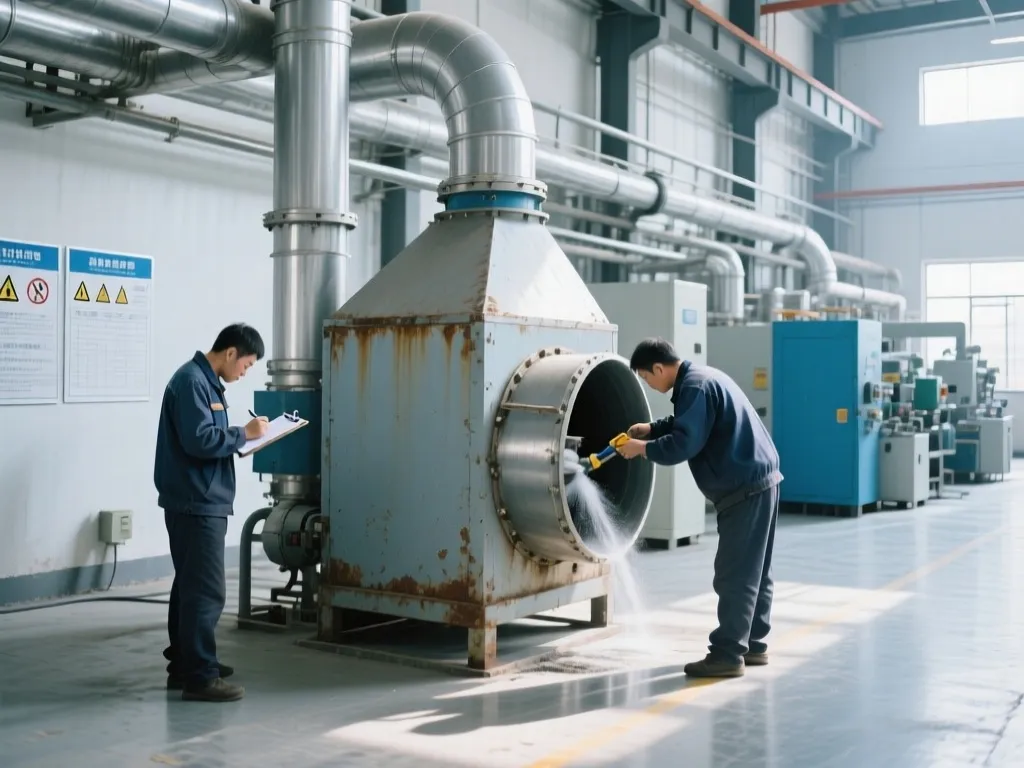
When it comes to sudden dust collector failures, many of us might first think of mechanical or electrical issues. But have you ever considered that human factors, like improper operation, inadequate maintenance, and incomplete cleaning, could be silently sabotaging your equipment? Let’s dive deep into how these seemingly innocent mistakes can lead to catastrophic consequences for your dust collector. First off, improper operation is a common culprit. Imagine this scenario: an operator, in a rush to get the job done, starts the dust collector without following the correct startup sequence. This could lead to excessive pressure buildup, causing strain on the filter bags or even damaging the pulse valves. Or, what if the operator adjusts the settings without understanding the implications, leading to suboptimal performance and premature wear and tear? These aren’t just hypothetical situations; they happen all too often in industrial settings. Now, let’s talk about maintenance, or rather, the lack thereof. Regular maintenance is crucial for keeping your dust collector in top shape. But when maintenance is neglected, problems start to creep in. For instance, if the filter bags aren’t replaced or cleaned at the recommended intervals, they can become clogged, reducing airflow and increasing pressure drop. This not only affects the dust collector’s efficiency but also puts extra stress on the fan and other components, potentially leading to costly repairs or replacements. And don’t forget about the pulse valves – if they’re not inspected and cleaned regularly, they can get stuck or fail to operate correctly, further compromising the dust collector’s performance. Cleaning is another area where human error can wreak havoc. A thorough cleaning is essential to remove accumulated dust and debris from the dust collector’s internal components. But if the cleaning is done hastily or incompletely, residues can remain, acting as abrasives that gradually wear down the filter bags or other parts. Moreover, incomplete cleaning can create hotspots where dust builds up more rapidly, increasing the risk of fire or explosion in extreme cases. So, how can you prevent these human-induced failures? The answer lies in education, training, and establishing a robust maintenance routine. Train your operators on the correct startup and shutdown procedures, as well as how to adjust settings safely and effectively. Implement a regular maintenance schedule that includes filter bag replacement or cleaning, pulse valve inspection, and general system checks. And when it comes to cleaning, make sure it’s done thoroughly and regularly, using the right tools and techniques to remove all traces of dust and debris. For those looking to enhance their dust collection systems, consider exploring our high-efficiency industrial cyclone separator, which offers superior powder separation and dust collection solutions. By taking these proactive steps, you can significantly reduce the risk of sudden dust collector failures caused by human factors. Remember, prevention is always better than cure, especially when it comes to industrial equipment like dust collectors. So, don’t let improper operation, inadequate maintenance, or incomplete cleaning be the downfall of your dust collection system. Take control, educate your team, and keep your dust collector running smoothly for years to come.
The Cost of Improper Operation
Improper operation doesn’t just affect the dust collector’s performance; it can also have financial implications. Consider the cost of replacing damaged filter bags or pulse valves due to incorrect startup or shutdown procedures. Or the downtime caused by a malfunctioning dust collector, leading to production delays and lost revenue. These costs can quickly add up, making it essential to train your operators on the correct procedures to avoid such mishaps.
The Importance of Regular Maintenance
Regular maintenance is like giving your dust collector a health check-up. It helps identify potential issues before they become major problems, saving you time and money in the long run. By replacing or cleaning filter bags at the recommended intervals, inspecting pulse valves, and checking for any signs of wear and tear, you can ensure your dust collector operates at peak efficiency and has a longer lifespan.
Thorough Cleaning: A Must-Do Task
Cleaning might seem like a mundane task, but it’s crucial for the health of your dust collector. A thorough cleaning removes accumulated dust and debris that can clog filter bags, damage pulse valves, or create hotspots for potential fires. Make sure your cleaning routine includes all internal components, using the right tools and techniques to ensure a spotless finish. And don’t forget to document your cleaning activities for future reference and compliance purposes.
So, what causes sudden dust collector failure? As we’ve seen, it can be a mix of mechanical, electrical, and operational factors. But here’s the good news: by understanding these root causes, you can take proactive steps to prevent them. Regular maintenance, proper training, and a keen eye for early warning signs can save you from costly downtime. Want to ensure your dust collector never lets you down again? Start by reviewing your current maintenance practices and consider implementing the preventive measures we’ve discussed. And if you’re curious about more advanced solutions, why not explore the latest in dust collector technology?