
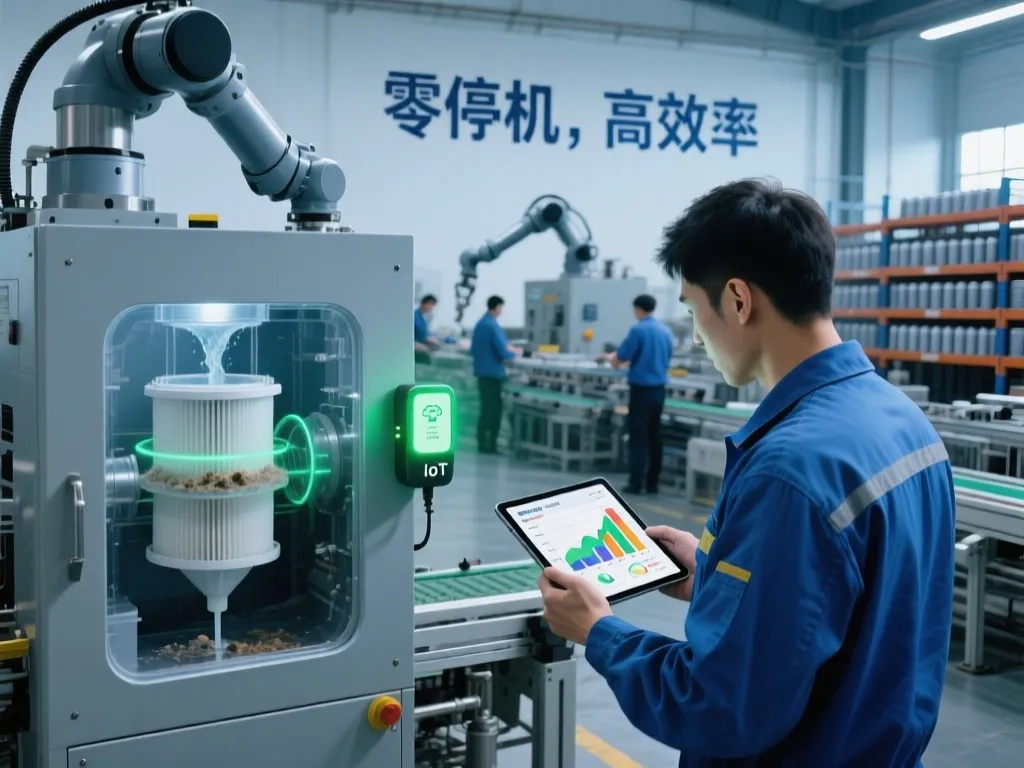
Imagine your production line grinding to a halt because of a clogged filter—sound familiar? For industrial equipment maintainers and production managers, filter failures aren’t just inconveniences; they’re costly emergencies. But what if you could predict and prevent these issues before they disrupt operations? This guide dives into How to prevent downtime caused by filter failure, blending IoT-powered smart monitoring with hands-on maintenance strategies. Let’s turn ‘reactive fixes’ into ‘proactive wins.’
Common Causes of Filter Failure: From Material Aging to Improper Operation and Lack of Maintenance
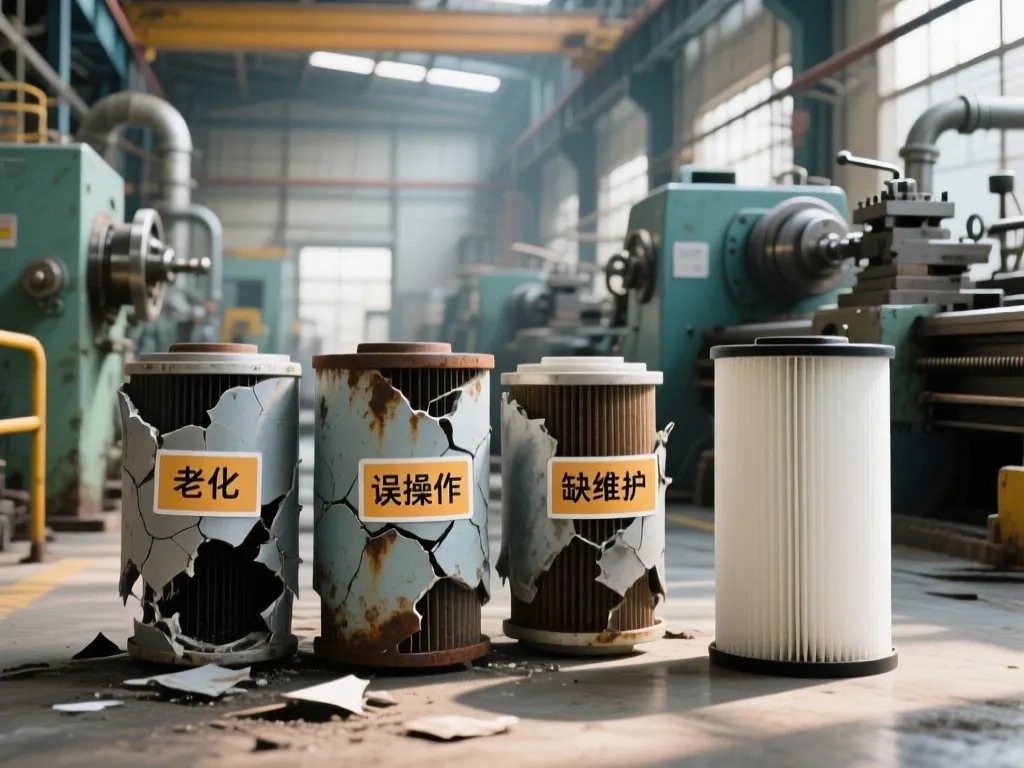
Ever wondered why your industrial filters keep failing, causing unexpected downtime and costing you a fortune? Let’s dive deep into the root causes of filter failure, so you can finally put an end to those frustrating interruptions. First up, material aging – it’s like the natural wear and tear of your favorite pair of shoes, but for filters. Over time, the materials used in filters, whether it’s the filter media itself or the housing, can degrade due to exposure to harsh chemicals, high temperatures, or simply the passage of time. This degradation can lead to reduced filtration efficiency, leaks, or even complete filter failure. Imagine trying to strain a thick soup with a worn-out strainer – it just won’t work, right? The same goes for your industrial filters. Next, improper operation. This is a big one, folks. You might think that turning on the filter and letting it run is all there is to it, but that’s far from the truth. Operating filters outside their recommended parameters, such as exceeding the maximum flow rate or pressure, can cause significant stress on the filter components. It’s like pushing your car’s engine beyond its limits – eventually, something’s going to give. Improper operation can lead to premature wear, reduced lifespan, and ultimately, filter failure. And let’s not forget about the importance of following the manufacturer’s instructions for installation and operation. Skipping steps or ignoring warnings can be a recipe for disaster. Now, onto the lack of maintenance. This is probably the most common yet easily preventable cause of filter failure. Just like your car needs regular oil changes and tune-ups, your industrial filters need regular maintenance to keep them running smoothly. Neglecting routine maintenance tasks, such as cleaning or replacing filter elements, can lead to clogging, reduced airflow, and increased pressure drop across the filter. This, in turn, can cause the filter to work harder, leading to premature failure. It’s like never cleaning your air conditioner’s filter – eventually, the airflow will be restricted, and the unit will struggle to keep your space cool. But here’s the thing: maintenance doesn’t have to be a daunting task. By implementing a regular maintenance schedule and following best practices, you can significantly reduce the risk of filter failure and extend the lifespan of your filters. And guess what? We’ll be sharing some of those best practices later in this blog, so stay tuned! So, there you have it – the three main culprits behind filter failure: material aging, improper operation, and lack of maintenance. By understanding these root causes, you can take proactive steps to prevent filter failure and keep your industrial operations running smoothly. But wait, there’s more! In the next section, we’ll explore how modern technology, such as IoT sensors and smart monitoring software, can help you detect filter issues before they become major problems. So, keep reading to discover the secrets to achieving zero downtime in your industrial filtration systems!
Material Aging: The Silent Killer of Filters
Material aging is a gradual process that often goes unnoticed until it’s too late. The filter media, which is responsible for capturing contaminants, can become brittle or lose its porosity over time. This reduces its ability to effectively filter out particles, leading to decreased product quality or even equipment damage. The filter housing, on the other hand, can corrode or crack due to exposure to corrosive substances or extreme temperatures. This can cause leaks, which not only waste resources but also pose safety hazards. To combat material aging, it’s essential to choose high-quality filters made from durable materials that can withstand the rigors of your industrial environment. Regular inspections can also help you identify signs of aging early on, allowing you to replace filters before they fail.
Improper Operation: Pushing Your Filters to the Limit
Improper operation is a common mistake that can have serious consequences for your filters. Operating filters at flow rates or pressures higher than their rated capacity can cause excessive stress on the filter elements, leading to premature wear or even rupture. Similarly, using filters for applications they’re not designed for, such as filtering out particles that are too large or too small, can also reduce their lifespan. Make sure your filters are properly sized for your application and that you’re operating them within their recommended parameters. If you’re unsure about anything, don’t hesitate to reach out to the manufacturer or a qualified technician for assistance.
Lack of Maintenance: The Fast Track to Filter Failure
Lack of maintenance is perhaps the most preventable cause of filter failure. Yet, it’s also one of the most common. Many industrial facilities neglect routine maintenance tasks, such as cleaning or replacing filter elements, due to time constraints or lack of awareness. This can lead to clogging, reduced airflow, and increased pressure drop across the filter, which in turn can cause the filter to work harder and fail prematurely. To ensure your filters stay in top condition, implement a regular maintenance schedule that includes cleaning or replacing filter elements as needed. Keep track of maintenance tasks and dates to ensure nothing falls through the cracks. And don’t forget to train your staff on the importance of maintenance and how to perform basic maintenance tasks. By making maintenance a priority, you can significantly reduce the risk of filter failure and keep your industrial operations running smoothly.
Efficient Detection and Early Warning System Construction: Leveraging Modern Technologies for Real-Time Monitoring and Fault Prevention
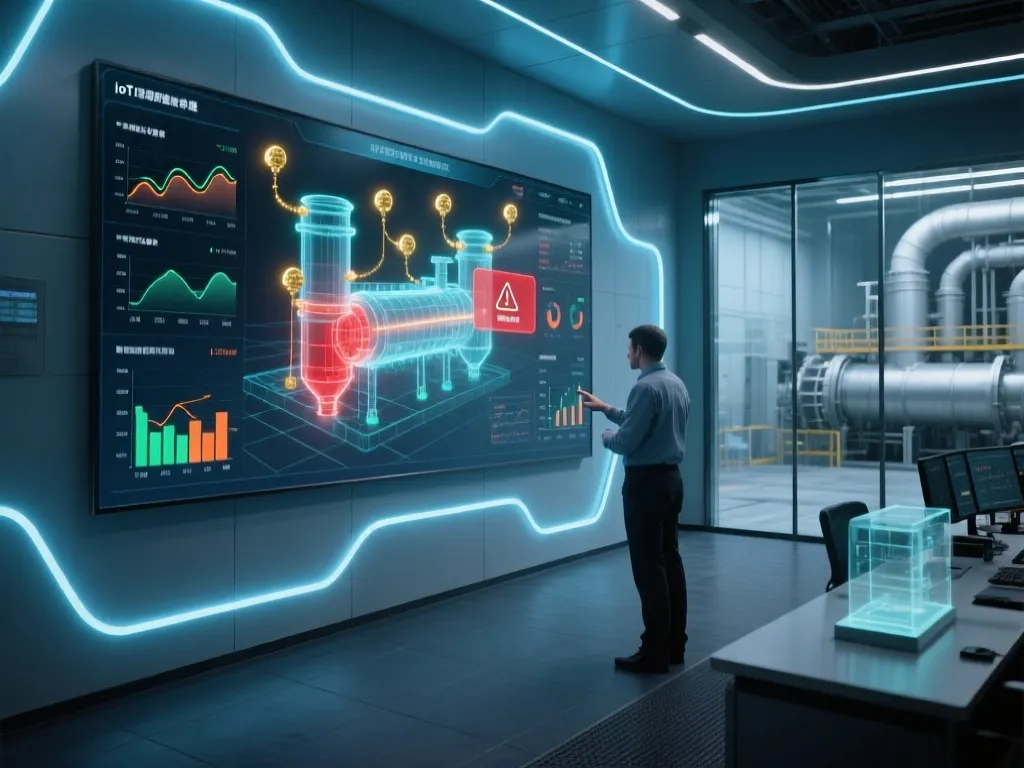
In the fast-paced world of industrial filtration, downtime caused by filter failure can be a costly nightmare. But what if you could predict these failures before they happen, giving you the chance to intervene and keep your production lines running smoothly? The answer lies in constructing an efficient detection and early warning system using modern technologies like IoT sensors and smart monitoring software. Let’s dive into how these tools can transform your filter maintenance strategy. Imagine having a network of sensors attached to your filters, continuously collecting data on pressure, flow rate, temperature, and even the quality of the filtered substance. These IoT sensors are the eyes and ears of your filtration system, providing real-time insights that were previously impossible to obtain. By integrating these sensors with a smart monitoring platform, you can visualize the health of your filters at a glance, from anywhere in the world. But how does this translate into preventing downtime? The magic happens when you combine real-time data with advanced analytics. Smart monitoring software can analyze the data collected by IoT sensors, identifying patterns and anomalies that indicate potential filter issues. For example, a sudden drop in flow rate could signal a clogged filter, while an increase in temperature might indicate a mechanical problem. By setting up custom alerts based on these parameters, you can receive notifications the moment a potential issue arises, allowing you to take proactive action before it escalates into a full-blown failure. One of the key advantages of this approach is its ability to adapt to your specific needs. Every industrial filtration system is unique, with its own set of challenges and operating conditions. Smart monitoring software can be customized to account for these variables, ensuring that the alerts you receive are relevant and actionable. For instance, if you’re operating in a harsh environment with high levels of particulate matter, you can adjust the sensitivity of your sensors to detect clogs earlier, preventing costly downtime. But it’s not just about detecting problems; it’s also about predicting them. By analyzing historical data, smart monitoring software can identify trends and patterns that indicate when a filter is likely to fail. This predictive capability allows you to schedule maintenance or replacements in advance, avoiding unexpected downtime and ensuring that your filters are always operating at peak efficiency. Imagine being able to plan your maintenance activities around your production schedule, rather than being forced to stop production unexpectedly due to a filter failure. To make the most of these technologies, it’s essential to integrate them into a comprehensive filter management strategy. This means not only investing in the right hardware and software but also training your staff to use them effectively. Provide your team with the knowledge and skills they need to interpret the data collected by IoT sensors, respond to alerts promptly, and take appropriate action to prevent filter failures. By empowering your staff with the right tools and training, you can create a culture of proactive maintenance that keeps your filtration system running smoothly. In conclusion, constructing an efficient detection and early warning system using modern technologies like IoT sensors and smart monitoring software is a game-changer for industrial filtration. By providing real-time insights, custom alerts, and predictive capabilities, these tools enable you to prevent downtime caused by filter failure, ensuring that your production lines keep running efficiently. So why wait? Start exploring these technologies today and take your filter maintenance strategy to the next level!
The Role of IoT Sensors in Real-Time Monitoring
IoT sensors are the backbone of any efficient detection and early warning system. These tiny devices can be attached to various parts of your filtration system, collecting data on critical parameters like pressure, flow rate, and temperature. By continuously monitoring these metrics, IoT sensors provide a wealth of information that can help you identify potential issues before they cause downtime. For example, a sudden increase in pressure could indicate a blockage in the filter, while a drop in flow rate might suggest that the filter is becoming clogged. By analyzing this data in real-time, you can take proactive action to address these issues, preventing costly failures and keeping your production lines running smoothly.
Smart Monitoring Software: The Brain Behind the Operation
While IoT sensors collect the data, it’s the smart monitoring software that makes sense of it all. This powerful platform integrates data from multiple sensors, providing a comprehensive view of your filtration system’s health. By analyzing this data using advanced algorithms, smart monitoring software can identify patterns and anomalies that indicate potential problems. For instance, it might detect a gradual increase in temperature over time, suggesting that a mechanical component is wearing out. By setting up custom alerts based on these parameters, you can receive notifications the moment a potential issue arises, allowing you to take immediate action to prevent downtime.
Predictive Maintenance: Staying One Step Ahead
One of the most exciting aspects of using modern technologies for filter monitoring is the ability to predict failures before they happen. By analyzing historical data, smart monitoring software can identify trends and patterns that indicate when a filter is likely to fail. This predictive capability allows you to schedule maintenance or replacements in advance, avoiding unexpected downtime and ensuring that your filters are always operating at peak efficiency. Imagine being able to plan your maintenance activities around your production schedule, rather than being forced to stop production unexpectedly due to a filter failure. Predictive maintenance is the future of industrial filtration, and it’s within your reach today.
Maintenance Best Practices & Case Studies: Share Optimal Cycles and Methods for Regular Maintenance, Cleaning, and Replacement of Filters, Demonstrating How Proper Maintenance Significantly Reduces Downtime Risks
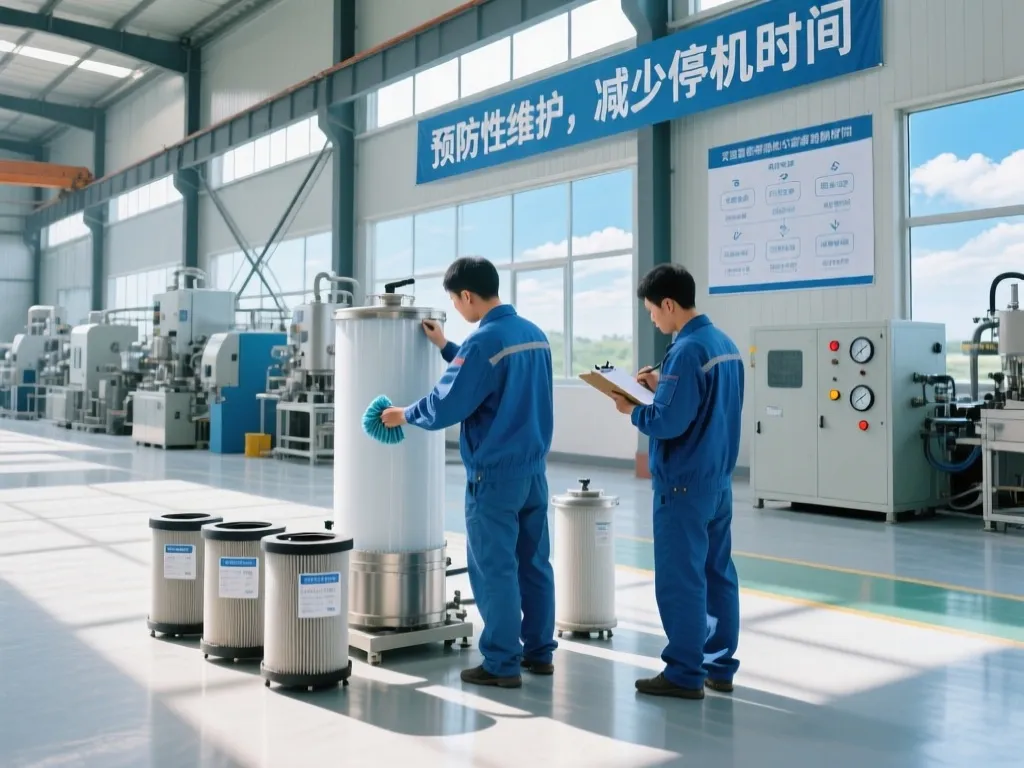
When it comes to preventing downtime caused by filter failure, establishing a robust maintenance routine is non-negotiable. Let’s dive into the nitty-gritty of how to keep your industrial filters in top-notch condition, ensuring they operate efficiently and minimize unexpected breakdowns.
First off, understanding the optimal maintenance cycle is crucial. Different filters, depending on their type, material, and the environment they operate in, have varying lifespans and maintenance needs. For instance, a coarse filter used in a less demanding application might only require monthly checks and cleaning, whereas a fine particulate filter in a high-dust environment might need weekly attention. The key here is to start with the manufacturer’s recommendations as a baseline and then adjust based on your specific operational conditions.
Regular cleaning is another cornerstone of effective filter maintenance. Dust, debris, and other contaminants can clog filters, reducing their efficiency and increasing the risk of failure. But how often should you clean them? Again, it depends. A good rule of thumb is to inspect filters after every use or shift and clean them if there’s visible buildup. For automated systems, consider implementing a scheduled cleaning cycle based on operational hours or production cycles.
Now, let’s talk about replacement. Even with the best maintenance and cleaning practices, filters will eventually reach the end of their useful life. Replacing them before they fail is essential to prevent downtime. But how do you know when it’s time? Many modern filters come with pressure differential indicators that signal when the filter is clogged and needs replacement. Additionally, setting up a preventive maintenance schedule based on historical data and manufacturer guidelines can help you anticipate replacement needs.
Let’s look at a real-world example to illustrate the impact of proper maintenance. A manufacturing plant in Germany was experiencing frequent downtime due to filter failures in their air compression system. After conducting a thorough analysis, they discovered that the filters were being cleaned infrequently and replaced only when they failed completely. By implementing a strict maintenance schedule that included weekly cleaning and monthly inspections, along with replacing filters based on pressure differential readings, they were able to reduce downtime by a staggering 70%. This not only improved production efficiency but also extended the lifespan of their air compression system, saving them thousands of euros in repair and replacement costs.
Another case study comes from a food processing facility in the United States. They were struggling with inconsistent product quality due to contaminants in their processing air. Upon investigation, they found that their filters were not being cleaned or replaced regularly, allowing particles to pass through and contaminate the product. By adopting a preventive maintenance approach that included daily cleaning and bi-weekly filter replacements, they were able to achieve consistent product quality and eliminate downtime caused by filter-related issues.
From pinpointing root causes like material degradation to deploying IoT sensors for real-time alerts, the strategies in this guide empower you to tackle filter failures head-on. Remember, regular maintenance isn’t just a checklist item—it’s your insurance against unexpected downtime. By adopting these practices, you’re not just fixing filters; you’re future-proofing your production line. Ready to transform your filter management? Share this guide with your team or explore our case studies on how factories slashed downtime by 40% with smart monitoring. The next breakthrough in your operations starts here—what’s your first move?