
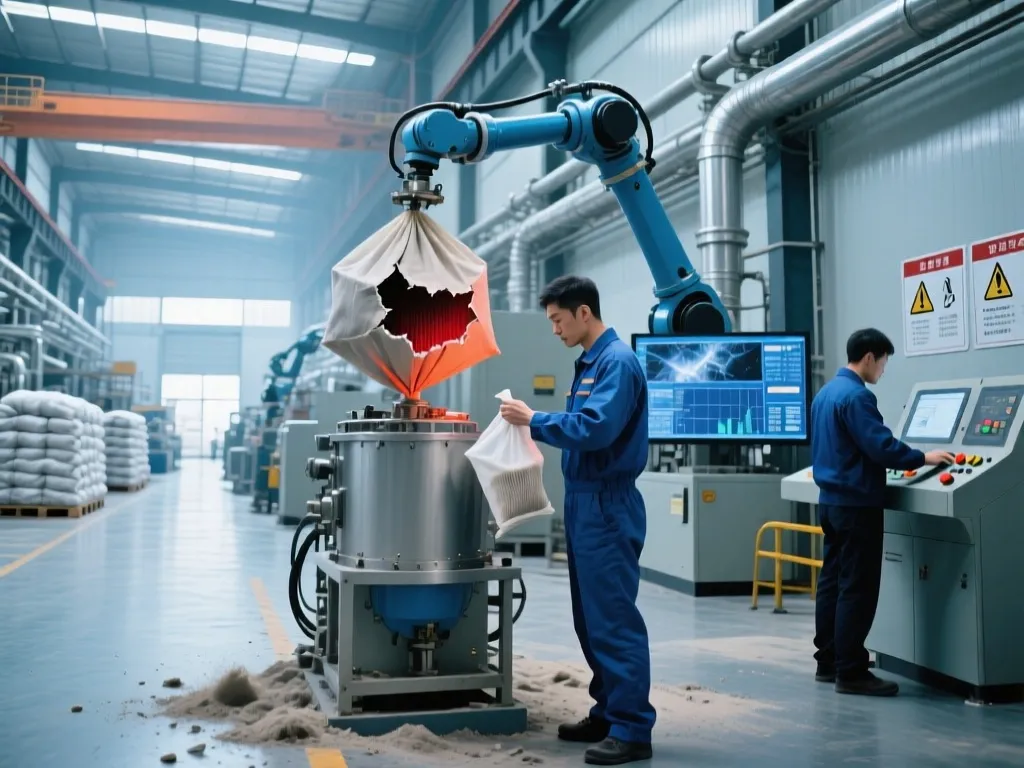
Imagine this: your industrial filtration system is humming along smoothly, when suddenly—a filter bag fails. What now? Whether you’re an operator, maintenance engineer, or production manager, knowing what to do when a filter bag fails suddenly can mean the difference between a minor hiccup and a full-blown production shutdown. In this guide, we’ll walk you through emergency response steps, common failure causes, and post-replacement monitoring strategies to get you back on track fast. Ready to turn crisis into calm?
Emergency Response Steps Explained: From Immediate Shutdown to Filter Bag Replacement
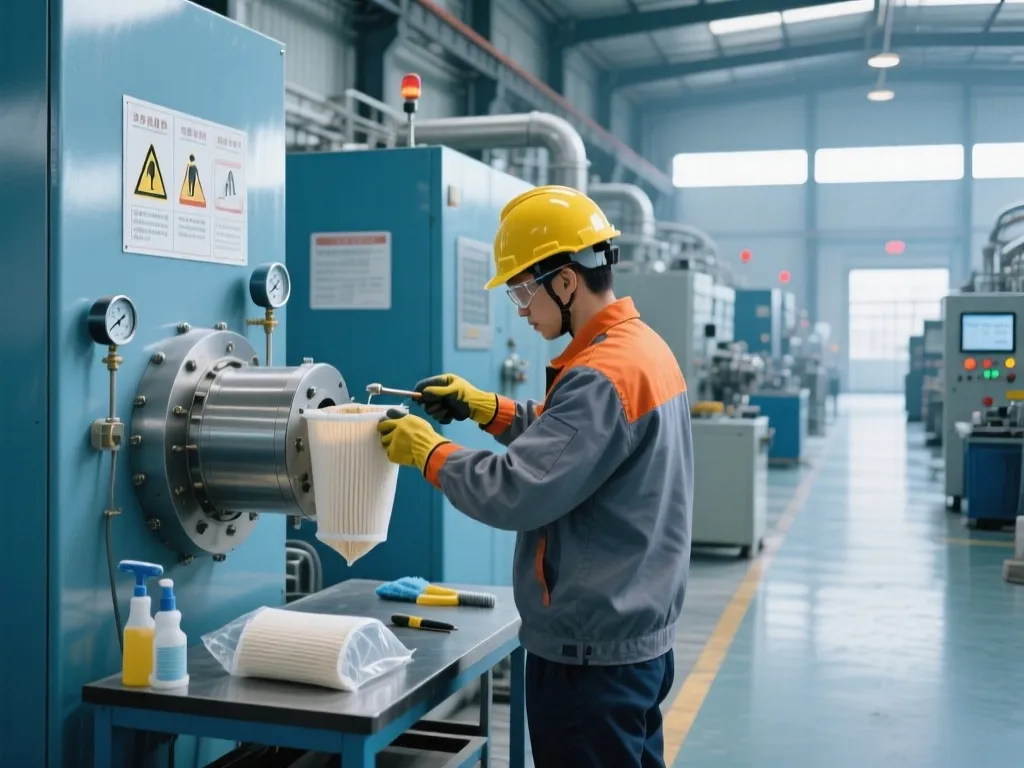
When a filter bag fails suddenly, every second counts. A rapid and effective response can mean the difference between a minor hiccup and a major production shutdown. So, what should you do when faced with this unexpected situation? Let’s walk through the emergency response steps in detail, ensuring you can handle the crisis with confidence and efficiency. First things first: immediately shut down the system. This is crucial to prevent further damage and potential safety hazards. Don’t wait to see if the problem will resolve itself; a failing filter bag can quickly escalate into a more serious issue. Once the system is safely powered down, it’s time to inspect the filter bag. Look for visible signs of damage, such as tears, holes, or excessive wear. Pay attention to the areas around the seams and the connections to the filter frame, as these are common weak points. But don’t stop at a visual inspection alone. Check the pressure differentials across the filter bag. An abnormal increase in pressure can indicate a blockage or a compromised filter bag. Also, examine the surrounding equipment for any signs of leakage or unusual noises, which could be related to the filter bag failure. Now that you’ve identified the issue, it’s time to prepare for replacement. Before you start, make sure you have the right replacement filter bag on hand. Check the specifications to ensure compatibility with your system. Gather all the necessary tools, such as wrenches, gloves, and safety goggles, to make the process as smooth as possible. Next, carefully remove the damaged filter bag. Follow the manufacturer’s instructions to avoid damaging the filter frame or other components. Be mindful of any sharp edges or hot surfaces during this step. Once the old filter bag is out, clean the filter frame thoroughly. Remove any debris or residue that could affect the performance of the new filter bag. Now, it’s time to install the new filter bag. Make sure it’s properly seated and secured in the filter frame. Double-check all the connections to ensure a tight fit. After the new filter bag is in place, it’s essential to perform a system check. Gradually restart the system and monitor the pressure differentials and other performance indicators. Look for any signs of leaks or abnormal operation. If everything checks out, you can gradually increase the system’s load to its normal operating level. But remember, even after a successful replacement, it’s important to stay vigilant. Keep a close eye on the system’s performance over the next few days to ensure the new filter bag is functioning as expected.
Immediate System Shutdown
The moment you notice a filter bag failure, your first action should be to shut down the system. This is not just a precautionary measure; it’s a necessity to prevent further damage to the equipment and potential safety risks. Imagine a scenario where a failing filter bag allows contaminants to enter the system, causing clogs or even damaging sensitive components. By shutting down the system promptly, you’re minimizing the chances of such disasters occurring. Think of it as hitting the pause button on a movie when something unexpected happens. You need that moment to assess the situation and decide on the best course of action.
Thorough Inspection of the Filter Bag
Once the system is down, it’s time to roll up your sleeves and inspect the filter bag. Start with a visual inspection. Look for any obvious signs of damage, like tears or holes. These are usually easy to spot and can give you a quick indication of the problem. But don’t rely solely on your eyes. Use your hands to feel for any irregularities, such as bulges or thin spots in the filter material. Also, check the pressure differentials across the filter bag. If the pressure is significantly higher than normal, it could mean the filter bag is blocked or damaged, preventing proper airflow. This is similar to checking the blood pressure of a patient; abnormal readings can indicate underlying health issues.
Preparing for Replacement
After identifying the damaged filter bag, it’s time to get ready for the replacement. First, make sure you have the correct replacement filter bag. Check the model number, size, and material specifications to ensure compatibility with your system. Using the wrong filter bag can lead to poor performance or even further damage. Next, gather all the necessary tools. You’ll need wrenches to loosen and tighten bolts, gloves to protect your hands from sharp edges and hot surfaces, and safety goggles to shield your eyes from any debris that might fly during the replacement process. It’s like preparing for a DIY project at home; having all the tools ready beforehand makes the job much easier and safer.
Removing the Damaged Filter Bag
Now comes the tricky part: removing the damaged filter bag. Follow the manufacturer’s instructions carefully. Each system may have slightly different procedures for filter bag removal, so it’s important to adhere to the guidelines provided. Use the appropriate tools to loosen any bolts or clamps that hold the filter bag in place. Be gentle but firm to avoid damaging the filter frame or other components. As you remove the old filter bag, be aware of any sharp edges or hot surfaces. Wear your gloves and safety goggles to protect yourself. It’s a bit like handling a delicate piece of glass; you need to be cautious to prevent any accidents.
Cleaning the Filter Frame
Once the old filter bag is out, don’t rush to install the new one. Take the time to clean the filter frame thoroughly. Any debris or residue left on the frame can affect the performance of the new filter bag. Use a brush or a vacuum cleaner to remove any loose particles. For stubborn dirt or grease, you may need to use a mild cleaning solution. Make sure the frame is completely dry before installing the new filter bag to prevent any moisture-related issues. Think of it as cleaning a plate before putting new food on it; a clean surface ensures better results.
Installing the New Filter Bag
With the filter frame clean and ready, it’s time to install the new filter bag. Make sure it’s properly aligned and seated in the frame. Check all the connections to ensure a tight fit. A loose filter bag can lead to leaks and reduced filtration efficiency. Double-check your work by gently tugging on the filter bag to make sure it’s securely in place. It’s similar to putting on a new tire on a car; you want to make sure it’s properly mounted and tightened to ensure safe driving.
System Check and Gradual Restart
After installing the new filter bag, it’s crucial to perform a system check before fully restarting the operation. Gradually increase the power to the system and monitor the pressure differentials and other performance indicators. Look for any signs of leaks or abnormal operation, such as strange noises or vibrations. If everything seems normal, you can gradually increase the system’s load to its normal operating level. This step is like taking a new car for a test drive; you want to make sure everything is working properly before hitting the highway.
Common Causes of Filter Bag Failure: Understanding Root Causes for Prevention
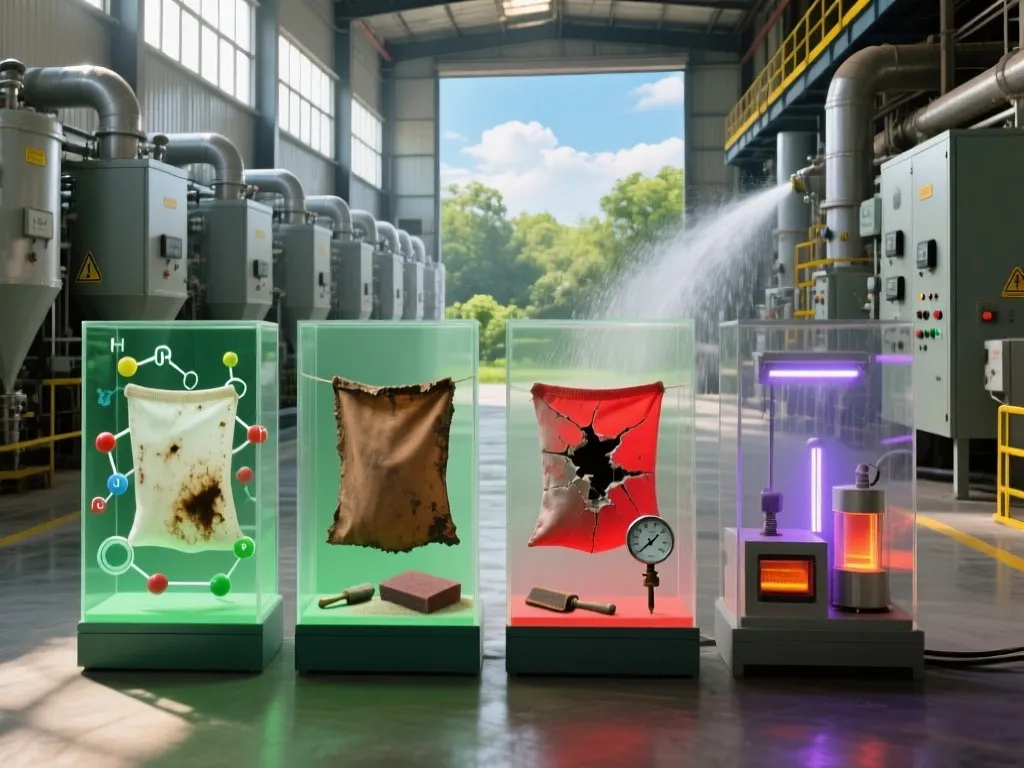
When a filter bag fails suddenly, it’s not just an inconvenience—it can disrupt your entire production line and lead to costly downtime. But why does this happen? Let’s dive into the most common reasons behind filter bag failures, so you can take proactive steps to prevent them in the future. First up, chemical corrosion. This is a big one, especially in industries where harsh chemicals are part of the daily grind. Imagine your filter bag is like a superhero’s cape, protecting the system from the villains (in this case, corrosive substances). But even superheroes have their kryptonite. If the chemicals in your process are too aggressive for the filter bag material, they’ll start to eat away at it, weakening the fabric until it eventually gives way. So, how do you know if chemical corrosion is the culprit? Look for signs like discoloration, thinning of the fabric, or even holes that seem to appear out of nowhere. The best way to combat this is by choosing filter bags made from materials that are resistant to the specific chemicals in your process. Next on the list is physical wear and tear. Just like your favorite pair of jeans gets frayed at the knees after years of use, filter bags can also suffer from abrasion and friction. This is especially common in systems where the filter bags are constantly moving or rubbing against other components. Over time, this constant friction can cause the fabric to weaken and eventually tear. To prevent this, make sure your filter bags are properly installed and secured, so they don’t move around more than necessary. Also, consider using filter bags with reinforced edges or extra layers of fabric in high-wear areas. Now, let’s talk about operation errors. Sometimes, the root cause of filter bag failure isn’t the bag itself, but how it’s being used. For example, if the system is operated at too high a pressure, it can put excessive stress on the filter bags, causing them to burst. Or, if the filter bags aren’t cleaned or replaced regularly, they can become clogged with debris, which can also lead to failure. To avoid these issues, make sure your operators are properly trained on how to use and maintain the system. Implement a regular maintenance schedule, and stick to it. And don’t be afraid to ask for help if you’re not sure about something—it’s better to be safe than sorry when it comes to preventing filter bag failures. Last but not least, let’s not forget about environmental factors. Extreme temperatures, humidity, and even UV exposure can all take a toll on filter bags over time. For example, if your system is located outdoors and exposed to direct sunlight, the UV rays can degrade the fabric, making it more prone to failure. Similarly, if the system is in a very humid environment, moisture can seep into the filter bags and cause them to rot or mildew. To protect your filter bags from environmental damage, consider using covers or enclosures to shield them from the elements. And if possible, try to locate your system in a more temperate, controlled environment.
Chemical Corrosion: The Invisible Enemy
Chemical corrosion is often the silent killer of filter bags. It’s not always immediately obvious, but over time, it can wreak havoc on your system. To identify chemical corrosion, look for changes in the color or texture of the filter bag fabric. If you notice any discoloration or a rough, uneven surface, it’s likely that chemicals are attacking the material. To prevent this, choose filter bags made from materials that are specifically designed to resist the chemicals in your process. And don’t forget to regularly inspect your filter bags for signs of corrosion—catching it early can save you a lot of headaches down the line.
Physical Wear and Tear: The Gradual Decline
Physical wear and tear is a more gradual process, but it can be just as damaging as chemical corrosion. To minimize physical wear, make sure your filter bags are properly installed and secured. Check for any loose or frayed edges, and replace any damaged filter bags immediately. Also, consider using filter bags with reinforced edges or extra layers of fabric in high-wear areas. These small investments can pay off big time in the long run by extending the life of your filter bags.
Operation Errors: The Human Factor
Operation errors are often the easiest to prevent, but they can also be the most costly if not addressed. To avoid operation-related filter bag failures, make sure your operators are properly trained on how to use and maintain the system. Provide clear instructions and guidelines, and encourage them to ask questions if they’re unsure about anything. Implement a regular maintenance schedule, and stick to it religiously. And don’t be afraid to invest in training and education for your operators—it’s a small price to pay for preventing costly downtime and filter bag failures.
Environmental Factors: The External Threats
Environmental factors can be tricky to control, but they’re still important to consider when it comes to preventing filter bag failures. If your system is located outdoors, consider using covers or enclosures to protect the filter bags from direct sunlight, rain, and wind. If the system is in a humid environment, make sure there’s adequate ventilation to prevent moisture buildup. And if possible, try to locate your system in a more temperate, controlled environment to minimize the impact of environmental factors on your filter bags.
Post-Production Recovery Monitoring and Adjustment: How to Monitor System Performance and Make Necessary Adjustments After Filter Bag Replacement to Ensure Long-Term Stable Operation
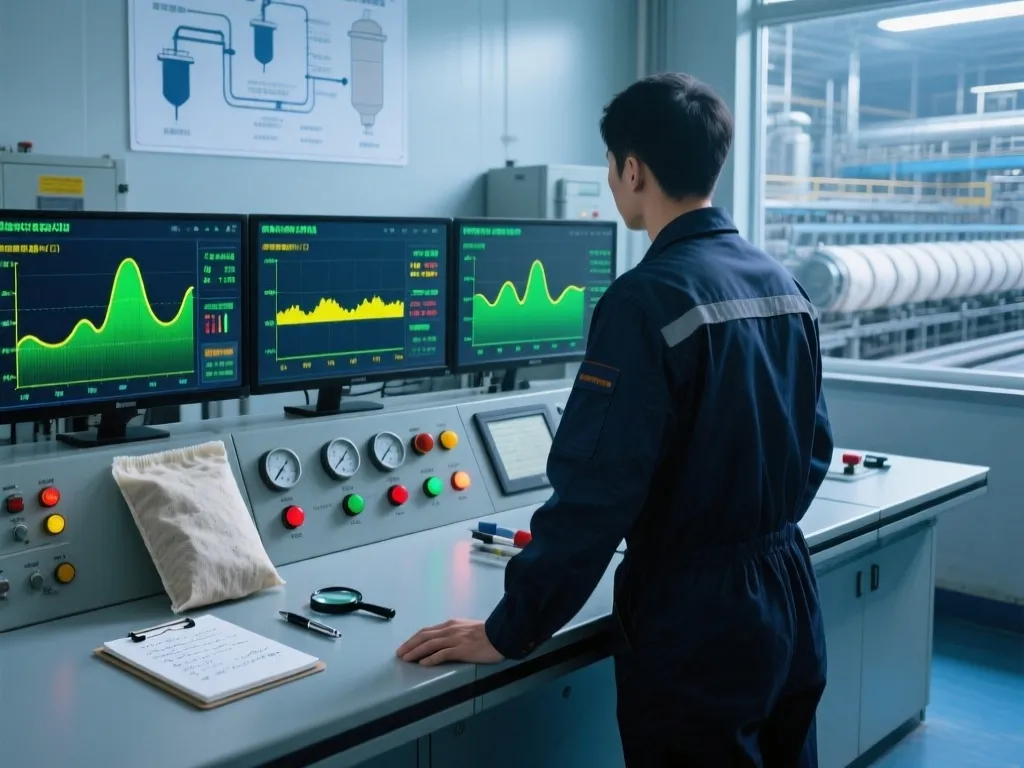
So, you’ve successfully replaced the failed filter bag and got your production line back up and running. But the job isn’t done yet! Now comes the crucial part: monitoring the system’s performance and making any necessary adjustments to ensure long-term stability. Let’s dive into the key steps you should take.
First things first, establish a comprehensive monitoring plan. This isn’t just about checking a few gauges here and there; it’s about creating a systematic approach to track the system’s health. Start by identifying the critical parameters that directly impact the performance of your filter system. These could include pressure differentials, flow rates, temperature, and even the quality of the filtered output. By keeping a close eye on these metrics, you’ll be able to spot any potential issues before they escalate into major problems.
Now, let’s talk about pressure differentials. This is one of the most important indicators of your filter system’s health. A sudden increase in pressure differential could signal a blockage or a problem with the new filter bag. On the other hand, a decrease might indicate that the bag isn’t functioning optimally, perhaps due to improper installation or a manufacturing defect. Regularly monitoring and recording these values will help you establish a baseline for normal operation, making it easier to detect anomalies.
Flow rates are another critical parameter to watch. If the flow rate drops significantly after replacing the filter bag, it could mean that the new bag is restricting the flow more than it should. This could be due to a variety of factors, such as incorrect sizing, improper material selection, or even a buildup of debris on the bag’s surface. Conversely, an unusually high flow rate might suggest that the bag isn’t capturing particles effectively, allowing contaminants to pass through. For high-performance filtration solutions that can help maintain optimal flow rates, consider exploring our range of high-performance filtration bags.
Temperature is also worth monitoring, especially in systems where heat plays a significant role. Extreme temperatures can affect the performance and lifespan of your filter bag. For instance, high temperatures can cause certain materials to degrade faster, while low temperatures might make the bag more brittle and prone to breakage. By keeping track of the temperature within the system, you can ensure that it stays within the optimal range for your filter bag’s material.
But monitoring alone isn’t enough. You also need to be prepared to make adjustments based on the data you collect. If you notice a consistent increase in pressure differential, for example, you might need to clean or replace the filter bag sooner than scheduled. Or, if the flow rate is consistently low, you could consider adjusting the system’s settings or even switching to a different type of filter bag that offers better flow characteristics, such as our high-efficiency filtration bags.
It’s also a good idea to conduct regular visual inspections of the filter bag and the surrounding components. Look for signs of wear and tear, such as fraying edges, holes, or discoloration. These could indicate that the bag is nearing the end of its useful life or that there’s an underlying issue with the system that needs to be addressed. Additionally, check for any leaks or unusual noises, as these could be signs of a more serious problem.
In some cases, you might find that despite your best efforts, the system still isn’t performing as expected. This is where a deeper analysis comes into play. Consider conducting a root cause analysis to identify the underlying factors contributing to the subpar performance. This could involve reviewing the system’s design, operating conditions, and maintenance history. By getting to the bottom of the issue, you can implement more effective solutions that address the root cause rather than just treating the symptoms.
Finally, don’t forget to document everything! Keep detailed records of your monitoring activities, adjustments made, and any issues encountered. This information will be invaluable for future reference, helping you identify patterns, troubleshoot problems more efficiently, and make informed decisions about maintenance and replacement schedules.
Establishing a Monitoring Plan
Creating a systematic monitoring plan is the foundation of ensuring long-term stability after replacing a filter bag. Identify critical parameters like pressure differentials, flow rates, temperature, and filtered output quality. Regularly track these metrics to establish a baseline for normal operation and detect anomalies early.
Analyzing Pressure Differentials
Pressure differentials are a key indicator of your filter system’s health. Sudden increases may signal blockages or issues with the new filter bag, while decreases could indicate suboptimal functioning. Regular monitoring helps you establish a normal range and spot problems before they escalate.
Monitoring Flow Rates
Flow rates provide insights into the filter bag’s performance. A significant drop could mean the bag is restricting flow, while an unusually high rate might suggest ineffective particle capture. Adjustments may be needed based on these observations to maintain optimal performance. For high-performance filtration solutions that can help maintain optimal flow rates, consider exploring our range of high-performance filtration bags.
Keeping an Eye on Temperature
Temperature affects the performance and lifespan of your filter bag. Extreme temperatures can cause degradation or brittleness. Monitoring the system’s temperature ensures it stays within the optimal range for your filter bag’s material, preventing premature failure.
Making Necessary Adjustments
Based on the data collected from monitoring, be prepared to make adjustments. This could involve cleaning or replacing the filter bag sooner, adjusting system settings, or switching to a different type of bag, such as our high-efficiency filtration bags. Regular visual inspections also help identify wear and tear or other issues.
Conducting Root Cause Analysis
If the system still isn’t performing as expected, conduct a root cause analysis. Review the system’s design, operating conditions, and maintenance history to identify underlying factors. Implement solutions that address the root cause rather than just treating the symptoms.
Documenting Everything
Keep detailed records of monitoring activities, adjustments made, and issues encountered. This information is invaluable for future reference, helping you identify patterns, troubleshoot problems more efficiently, and make informed decisions about maintenance and replacement schedules.
Facing a filter bag failure doesn’t have to be a nightmare. By mastering these emergency response steps—from immediate shutdown to post-replacement monitoring—you’ll be equipped to handle sudden breakdowns with confidence. Remember, understanding common failure causes is your best defense against future issues. So, bookmark this guide, share it with your team, and keep your production lines running smoothly. What other filtration challenges are you tackling? Let’s explore more solutions together!