

When it comes to industrial dust collection, selecting the right filter bags is crucial. But with so many options out there, how do you know which ones are the best fit for your specific needs? In this guide, we’ll walk you through the process of How to select industrial filter bags for dust collection?, from analyzing dust characteristics to evaluating performance. Ever wondered why some filter bags outperform others in certain conditions? Let’s dive in and find out!
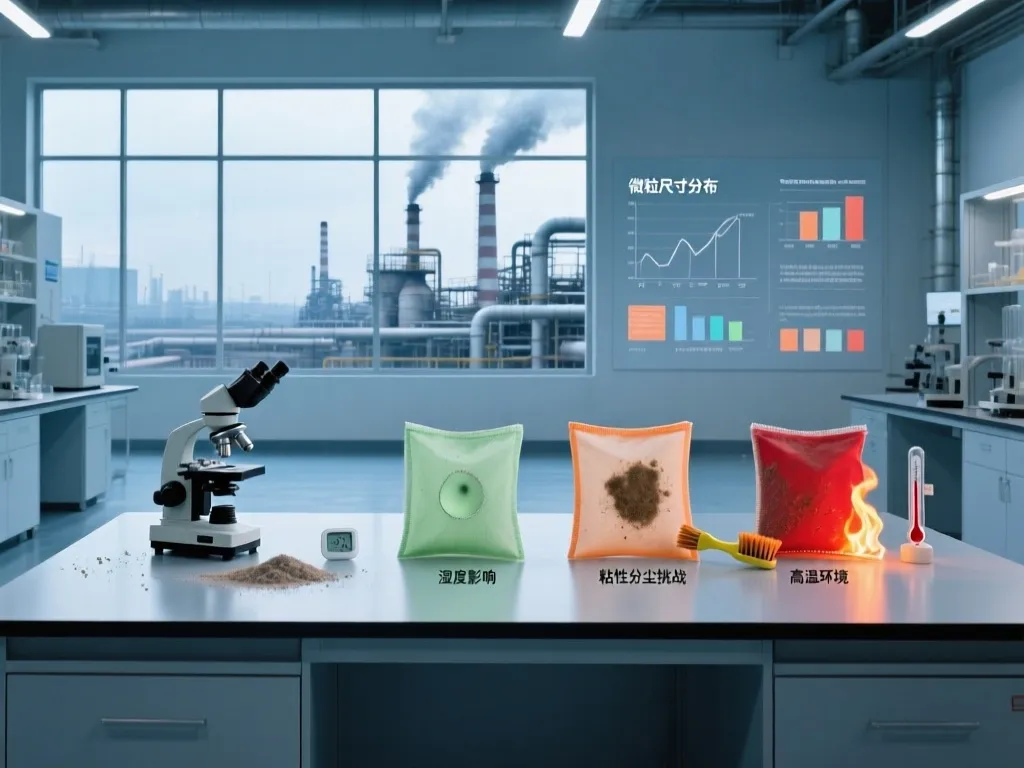
Dust Characteristics Analysis: Key Parameters Influencing Filter Bag Selection
When it comes to selecting industrial filter bags for dust collection, understanding the characteristics of the dust you’re dealing with is absolutely crucial. Why? Because each dust type has unique properties that can significantly impact the performance and lifespan of your filter bags. Let’s dive into the key parameters you need to consider: particle size distribution, humidity, stickiness, and temperature. First up, particle size distribution. This refers to the range of particle sizes present in your dust. Are you dealing with fine, sub-micron particles or larger, more coarse ones? The answer matters because different filter bag materials have varying efficiencies at capturing different particle sizes. For instance, fine particles can easily penetrate through standard filter media, requiring a more advanced material like PTFE (Polytetrafluoroethylene) membranes for effective capture. On the other hand, larger particles might not need such high-tech solutions and can be efficiently captured by standard polyester or polypropylene bags. Next, let’s talk about humidity. High humidity levels can wreak havoc on your filter bags if you’re not careful. Moisture can cause certain dusts to become sticky or clog the filter pores, reducing airflow and increasing pressure drop. In such cases, you’ll need a filter bag material that’s resistant to moisture and can handle the increased cleaning cycles required to maintain performance. Materials like acrylic or PPS (Polyphenylene Sulfide) are excellent choices for high-humidity environments due to their moisture resistance and durability. For more information on high-performance filter bags suitable for industrial dust collectors, you can explore our high-performance filter bag solutions. Stickiness is another critical factor to consider. Some dusts, like those from food processing or chemical manufacturing, can be inherently sticky. These sticky dusts can adhere to the filter bag surface, forming a layer that’s hard to remove during cleaning cycles. This not only reduces filtration efficiency but also shortens the lifespan of your filter bags. To combat this, you’ll need a filter bag material with a smooth surface and excellent release properties. PTFE-coated filter bags or those made from materials like Ryton® (a type of polyphenylene sulfide) are great options for sticky dusts as they resist adhesion and facilitate easy cleaning. Finally, temperature plays a significant role in filter bag selection. Different dusts are generated at different temperatures, and your filter bags need to be able to withstand those conditions without degrading. For instance, if you’re dealing with high-temperature dusts from metal smelting or cement production, you’ll need a filter bag material that can handle the heat. Materials like Nomex® (a type of aramid fiber) or fiberglass are excellent choices for high-temperature applications as they can withstand temperatures up to 400°C (752°F) or even higher without losing their structural integrity. For cement plant dust collection, our high-performance aramid filter bags are specifically designed to handle such demanding conditions. Now, let’s put it all together and provide some filter bag material recommendations based on different dust types. For fine, dry dusts, consider using PTFE-coated filter bags or those made from high-efficiency synthetic fibers like P84 (polyimide). For high-humidity environments, acrylic or PPS filter bags are excellent choices due to their moisture resistance. If you’re dealing with sticky dusts, opt for PTFE-coated or Ryton® filter bags for their excellent release properties. And for high-temperature applications, Nomex® or fiberglass filter bags are your best bet. Remember, selecting the right filter bag material is just the first step in ensuring efficient dust collection. You also need to consider factors like the dust’s chemical composition, the presence of corrosive gases, and the overall design of your dust collection system. But by understanding the key dust characteristics and how they influence filter bag selection, you’re well on your way to making an informed decision that will keep your system running smoothly and efficiently for years to come.
Particle Size Distribution and Filter Bag Selection
Particle size distribution is a critical factor in filter bag selection because it determines the efficiency of dust capture. Fine particles require advanced filter media like PTFE membranes for effective capture, while larger particles can be efficiently captured by standard polyester or polypropylene bags. Understanding the particle size distribution of your dust helps you choose the right filter bag material that balances filtration efficiency and cost-effectiveness.
Humidity and Its Impact on Filter Bag Performance
High humidity levels can cause dust to become sticky or clog filter pores, reducing airflow and increasing pressure drop. To combat this, you need a filter bag material that’s resistant to moisture and can handle increased cleaning cycles. Acrylic or PPS filter bags are excellent choices for high-humidity environments due to their moisture resistance and durability. For environments with high-temperature dusts, such as in refinery industries, consider our carbon black fiberglass filter bags for a durable and efficient solution.
Stickiness and Filter Bag Material Selection
Sticky dusts can adhere to the filter bag surface, forming a layer that’s hard to remove during cleaning cycles. This reduces filtration efficiency and shortens the lifespan of your filter bags. To address this issue, choose a filter bag material with a smooth surface and excellent release properties, such as PTFE-coated or Ryton® filter bags.
Temperature Considerations in Filter Bag Selection
Temperature is a crucial factor in filter bag selection, especially in high-temperature applications like metal smelting or cement production. You need a filter bag material that can withstand the heat without degrading. Nomex® or fiberglass filter bags are excellent choices for high-temperature environments as they can withstand temperatures up to 400°C (752°F) or even higher. For even higher temperature resistance, our high-temperature resistant filtration bags are designed to meet the most demanding industrial needs. Additionally, for those seeking Nomex aramid filter bags for high-temperature industrial filtration, our Nomex aramid filter bags offer an excellent solution.

Industrial Filter Bag Selection Based on Working Conditions
When it comes to selecting industrial filter bags for dust collection, understanding the specific working conditions of your industrial scenario is absolutely crucial. Different industries, such as chemical, metallurgical, and food processing, present unique challenges that can significantly impact the performance and longevity of your filter bags. Let’s dive into these scenarios and explore how to choose the right filter bags for each one. In the chemical industry, you’re likely dealing with a wide range of corrosive gases and chemicals. These substances can wreak havoc on standard filter materials, causing premature wear and tear or even complete failure. So, what’s the solution? Look for filter bags made from materials that are highly resistant to corrosion, such as PTFE (polytetrafluoroethylene) or certain types of aramid fibers. These materials can withstand the harsh chemical environment, ensuring your dust collection system operates efficiently for longer. Now, let’s shift our focus to the metallurgical industry. Here, high temperatures are the norm, especially in processes like smelting or forging. Traditional filter bags might melt or degrade under such extreme heat, leading to costly downtime and maintenance. To combat this, opt for filter bags specifically designed for high-temperature applications. Materials like fiberglass or ceramic fibers can withstand temperatures well above what you’d encounter in most industrial settings, making them ideal for metallurgical processes. But what about the food processing industry? While you might not be dealing with corrosive gases or extreme temperatures, hygiene and food safety are paramount. In this scenario, you need filter bags that are not only effective at capturing dust but also easy to clean and sanitize. Stainless steel filter bags or those made from food-grade polymers are excellent choices. They’re durable, resistant to bacteria growth, and can be easily cleaned to meet strict food safety standards. It’s also worth mentioning that some industries might present a combination of these challenges. For instance, a chemical plant that also processes metals at high temperatures would require filter bags that can handle both corrosion and heat. In such cases, a hybrid material or a multi-layered filter bag design might be the best bet. So, how do you determine which filter bag is right for your specific working conditions? Start by conducting a thorough assessment of your industrial environment. Identify the key challenges you face, whether it’s corrosion, high temperatures, hygiene requirements, or a combination of factors. Then, consult with a reputable filter bag manufacturer or supplier who can guide you through the selection process based on your unique needs. Remember, choosing the right filter bag isn’t just about finding a product that fits your budget. It’s about ensuring your dust collection system operates at peak efficiency, minimizing downtime, and protecting your equipment from premature wear and tear. By taking the time to understand your working conditions and selecting filter bags accordingly, you’ll be setting yourself up for long-term success.
Chemical Industry: Corrosion Resistance is Key
In the chemical industry, corrosive gases and chemicals are a constant threat to filter bags. To ensure longevity and efficiency, opt for materials like PTFE or aramid fibers that offer excellent corrosion resistance. These materials can withstand the harsh chemical environment, preventing premature failure and costly downtime.
Metallurgical Industry: High-Temperature Tolerance
High temperatures are a hallmark of the metallurgical industry. Traditional filter bags might not survive under such extreme conditions. Instead, choose filter bags made from fiberglass or ceramic fibers, which can withstand temperatures well above the norm, ensuring your dust collection system remains operational even in the hottest of environments.
Food Processing Industry: Hygiene and Food Safety First
In the food processing industry, hygiene and food safety are non-negotiable. Filter bags must be easy to clean and sanitize to prevent bacterial growth and contamination. Stainless steel or food-grade polymer filter bags are ideal choices, offering durability and ease of maintenance while meeting strict food safety standards.
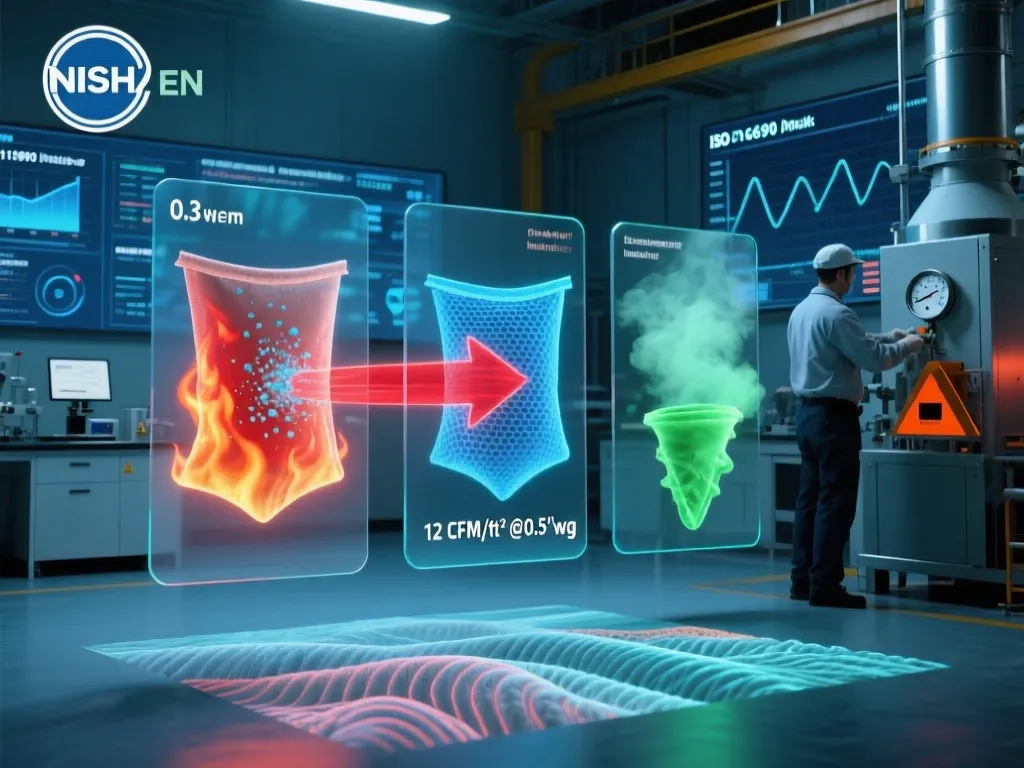
Performance Evaluation & Testing: How to Assess Key Metrics Like Filtration Efficiency, Air Permeability, and Durability
When it comes to selecting industrial filter bags for dust collection, understanding how to evaluate their performance is just as crucial as analyzing dust characteristics or considering working conditions. After all, even the most suitable filter bag material won’t deliver optimal results if its performance metrics don’t meet your system’s demands. So, how do you assess filtration efficiency, air permeability, durability, and other critical factors? And how can you validate these claims through testing—both in the lab and in real-world applications? Let’s break it down step by step.
First up: filtration efficiency. This metric measures how effectively a filter bag captures particles of different sizes. Think of it like a sieve—the finer the mesh, the smaller the particles it can trap. But unlike a static sieve, filter bags rely on mechanisms like inertial impaction, diffusion, and electrostatic attraction to capture dust. To quantify this, manufacturers use standardized tests like ISO 16890 or ASTM D6843, which expose the filter bag to a known concentration of particles and measure the percentage captured. For example, a filter bag rated at 99.9% efficiency at 0.3 microns means it removes 99.9% of particles that size or larger. But here’s the catch: efficiency isn’t static. It changes as the filter loads with dust, so dynamic testing that simulates real-world operation is essential.
Next is air permeability—a fancy term for how easily air flows through the filter bag. Why does this matter? Because if air can’t pass through efficiently, your system’s pressure drop increases, leading to higher energy consumption and reduced airflow. Imagine trying to breathe through a straw versus a wide-open mouth—that’s the difference between low and high air permeability. Manufacturers measure this using a Frasier tester or similar device, which calculates the volume of air (in cubic feet per minute, or CFM) that passes through a square foot of fabric at a specific pressure. A higher CFM means better airflow, but there’s a trade-off: materials with higher permeability often have lower filtration efficiency for fine particles. The key is finding the sweet spot where your system maintains sufficient airflow without sacrificing capture rates.
Durability is another non-negotiable. Industrial filter bags operate in harsh environments—think abrasive dust, corrosive gases, or extreme temperatures. If a bag wears out too quickly, you’ll face frequent replacements, downtime, and higher costs. So, how do you assess durability? Look for physical properties like tensile strength (how much force the material can withstand before tearing), abrasion resistance (how well it holds up against rubbing or scraping), and chemical compatibility (whether it degrades when exposed to specific gases or liquids). For example, a polyester filter bag might last longer in a dry, non-corrosive environment, while a PTFE-coated bag could be better suited for high-temperature or chemically aggressive applications. Manufacturers often provide accelerated aging tests or field data to back up their durability claims, so ask for these when comparing options.
Now, let’s talk testing—both in the lab and on-site. Laboratory testing is your first line of defense. It allows you to compare filter bags under controlled conditions, using standardized metrics like those mentioned above. But lab results don’t always translate perfectly to real-world performance. That’s where field testing comes in. Install a small batch of filter bags in your system and monitor their performance over time. Track metrics like pressure drop, emission levels, and maintenance frequency. Did the bags maintain their efficiency as dust loaded? Did they resist abrasion or chemical damage? Field testing gives you answers to questions lab tests can’t—like how a filter bag performs under your specific operating conditions.
Here’s a pro tip: don’t rely solely on manufacturer claims. While reputable suppliers provide accurate data, independent testing adds an extra layer of confidence. Look for third-party certifications or partnerships with research institutions. For example, a filter bag that’s been tested by the National Institute for Occupational Safety and Health (NIOSH) or meets European EN standards carries more weight than one with only in-house testing.
In summary, evaluating filter bag performance requires a mix of lab metrics (efficiency, permeability, durability) and real-world validation (field testing). By understanding these factors and how they interact, you’ll avoid costly mistakes—like choosing a high-efficiency bag that clogs too quickly or a durable bag that can’t capture fine particles. Ready to dive deeper? Let’s explore how to match these performance metrics to your system’s unique needs.
Filtration Efficiency: Beyond the Numbers
Filtration efficiency isn’t just about hitting a percentage—it’s about understanding how that efficiency holds up over time. For instance, a bag rated at 99% efficiency might drop to 90% after a few weeks of use as dust builds up on the surface. This is why dynamic testing matters. Look for filter bags that maintain consistent efficiency even as they load, or consider pulse-jet cleaning systems that periodically shake off dust to restore performance. Pro tip: If your application involves hazardous particles (like asbestos or silica), prioritize filter bags with electrostatic properties—they attract and hold charged particles more effectively.
Air Permeability: Balancing Flow and Filtration
Air permeability is a balancing act. Too high, and you risk letting fine particles slip through; too low, and your system struggles to maintain airflow. The solution? Choose a filter bag with a permeability rating that matches your system’s design. For example, a baghouse operating at 6,000 CFM might need filter bags with a permeability of 10-15 CFM/ft² at 0.5″ water gauge pressure. If you’re unsure, consult with a filter bag supplier—they can analyze your system’s airflow requirements and recommend the right permeability range.
Durability: Testing Toughness in Real Conditions
Durability isn’t just about tensile strength—it’s about how a filter bag holds up under your specific operating conditions. For example, a bag exposed to abrasive dust (like cement or sand) needs high abrasion resistance, while one in a corrosive environment (like chemical processing) needs chemical stability. Ask suppliers for field data or case studies showing how their bags perform in similar applications. If possible, run a pilot test with a few bags before committing to a full order.
Now that you’ve got the lowdown on How to select industrial filter bags for dust collection?, you’re well-equipped to make informed decisions for your industrial dust collection system. Remember, choosing the right filter bags can significantly boost your system’s efficiency, extend its lifespan, and cut down on maintenance costs. So, why wait? Start applying these tips today and see the difference for yourself! And if you’re curious about how to tailor your selection even further for specific industries, keep exploring – the possibilities are endless!