
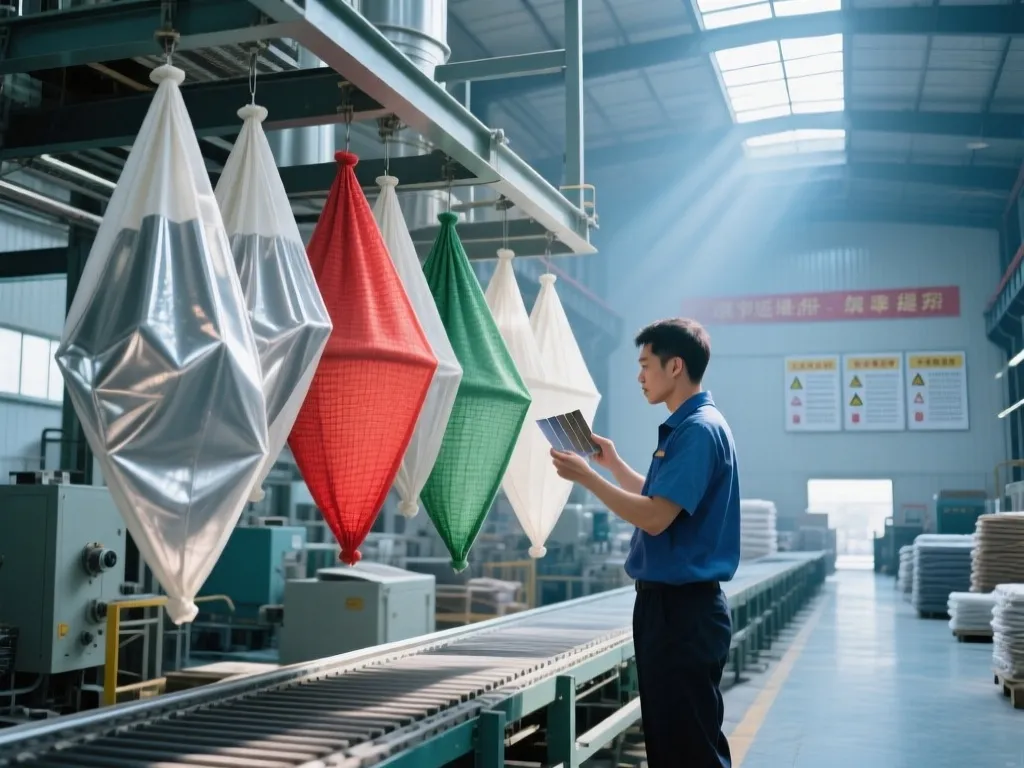
In the industrial world, every detail matters—especially when it comes to dust collector bags. These unsung heroes of filtration systems face extreme conditions daily, from scorching temperatures to corrosive chemicals. But here’s the catch: not all dust collector bags are created equal. Choosing the wrong material can lead to frequent replacements, reduced efficiency, and higher maintenance costs. So, how do you ensure you’re making the right choice for your specific industrial scenario? Let’s dive into the art of selecting the perfect dust collector bags material.

Analyzing Common Industrial Scenarios: Requirements for Dust Collector Bags Material in High-Temperature, Corrosive, and Humid Environments
When it comes to industrial filtration, the environment in which dust collector bags operate can vary dramatically. From the scorching heat of metal smelting plants to the corrosive atmosphere of chemical processing facilities, and the damp conditions of food processing units, each scenario presents unique challenges that directly impact the choice of dust collector bags material. Let’s dive into these common industrial scenarios and understand how they influence the material selection for dust collector bags.
First off, high-temperature environments are a common sight in industries like metal smelting, foundries, and cement production. Here, the dust collector bags are exposed to extreme heat, often exceeding 200°C (392°F). In such conditions, the material must not only withstand the high temperatures without melting or degrading but also maintain its structural integrity and filtration efficiency. Imagine a dust collector bag made of a material that starts to sag or lose its shape under heat; it would quickly become ineffective, allowing dust particles to escape and compromising the entire filtration system. That’s why materials like Nomex, with their excellent heat resistance and dimensional stability, are preferred in these scenarios. For high-performance dust collector bags designed for such extreme environments, you can explore our Aramid solution for cement plant dust collection.
Next up, corrosive environments. Chemical processing plants, pharmaceutical manufacturing, and even some food processing units can generate corrosive gases and vapors that can wreak havoc on standard dust collector bags. These corrosive substances can eat away at the material, causing it to weaken, tear, or even dissolve over time. To combat this, materials with high chemical resistance are essential. Polyphenylene sulfide (PPS), for instance, is known for its outstanding resistance to a wide range of chemicals, making it an ideal choice for corrosive environments. It can withstand the attack of acids, alkalis, and organic solvents, ensuring long-lasting performance and minimal maintenance.
Now, let’s talk about high-humidity environments. Food processing, paper mills, and textile industries often operate in damp conditions where moisture levels are high. In such settings, dust collector bags can easily become saturated with water, leading to clumping, clogging, and reduced airflow. Moreover, prolonged exposure to moisture can promote the growth of mold and bacteria, posing health risks and compromising product quality. To address these issues, materials with good moisture resistance and breathability are crucial. Polyester, with its hydrophobic properties, is a popular choice for humid environments. It repels water, preventing clumping and clogging, while its excellent breathability ensures efficient airflow and filtration.
High-Temperature Resistance: The Key to Survival in Scorching Environments
In high-temperature scenarios, the material’s ability to withstand heat without compromising performance is paramount. As mentioned earlier, Nomex is a standout choice due to its exceptional heat resistance. But what makes it so special? Nomex is an aromatic polyamide fiber that can withstand continuous temperatures up to 200°C (392°F) and short-term exposure to even higher temperatures without melting or degrading. This means that in metal smelting plants or cement kilns, where temperatures can soar, Nomex dust collector bags will maintain their shape and filtration efficiency, ensuring reliable operation and minimal downtime. For high-efficiency dust collection solutions suitable for such extreme conditions, consider our high-efficiency dust collection solution.
Chemical Resistance: Defending Against Corrosive Attacks
When it comes to corrosive environments, the material’s chemical resistance is the first line of defense. PPS, as mentioned earlier, is a top performer in this regard. It can resist a wide range of chemicals, including strong acids like sulfuric acid and hydrochloric acid, as well as alkalis like sodium hydroxide. This makes it an ideal choice for chemical processing plants where corrosive substances are prevalent. Additionally, PPS is also resistant to oxidation and hydrolysis, further enhancing its durability and longevity in harsh conditions. For high-performance filter bags designed to withstand corrosive environments, you can check out our high-performance solutions for industrial dust collectors.
Moisture Resistance: Keeping Dampness at Bay in Humid Settings
In high-humidity environments, moisture resistance is crucial to prevent clumping, clogging, and mold growth. Polyester, with its hydrophobic nature, excels in this area. It repels water, preventing the dust collector bags from becoming saturated and heavy. This ensures efficient airflow and filtration, even in damp conditions. Moreover, polyester’s excellent breathability allows moisture to escape, reducing the risk of mold and bacteria growth. This makes it a popular choice for food processing plants, paper mills, and textile industries where humidity levels are high. For a cost-effective and high-efficiency filtration solution suitable for humid environments, consider our industrial bag filter solution.
Detailed Introduction to Material Characteristics: Polyester, Polypropylene, Nomex, etc.
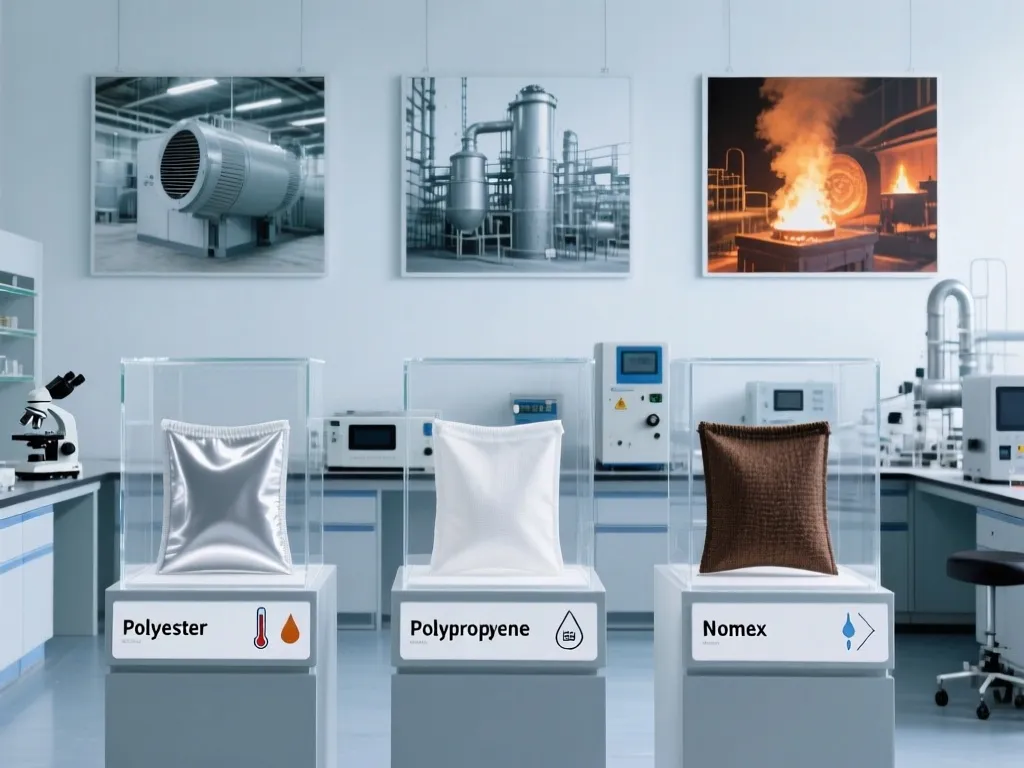
When it comes to selecting the right material for dust collector bags, understanding the unique characteristics of each option is crucial. Let’s dive into the specifics of polyester, polypropylene, and Nomex, comparing their key indicators such as temperature resistance, corrosion resistance, and air permeability. Polyester dust collector bags are a popular choice due to their excellent balance of properties. They can withstand moderate temperatures, typically up to around 130-150°C (266-302°F), making them suitable for many industrial applications where high -heat isn’t the primary concern. In terms of corrosion resistance, polyester shows good resistance to a wide range of chemicals, including acids and alkalis at normal concentrations. However, it may not be the best option for highly concentrated or aggressive chemical environments. One of the standout features of polyester is its air permeability. It allows for efficient airflow through the bag, which is essential for maintaining optimal dust collection performance. This high air permeability helps in reducing pressure drops across the filter, leading to lower energy consumption and improved overall system efficiency. Polypropylene dust collector bags, on the other hand, have their own set of advantages. They are known for their excellent chemical resistance. Polypropylene is highly resistant to most acids, alkalis, and organic solvents, making it an ideal choice for industries dealing with corrosive substances, such as the chemical and pharmaceutical sectors. Temperature – wise, polypropylene can handle temperatures up to about 90 – 110°C (194 – 230°F). While this is lower than polyester, it’s still sufficient for many non – high – temperature applications. When it comes to air permeability, polypropylene bags offer good performance, although not as high as polyester in some cases. But their superior chemical resistance often outweighs this minor difference in many industrial scenarios. Nomex dust collector bags are the go – to option for high – temperature applications. They can withstand extremely high temperatures, up to around 200 – 250°C (392 – 482°F), making them perfect for industries like metal smelting, cement production, and power generation. If you are interested in exploring more about high-temperature industrial filtration solutions, check out our Nomex Aramid Filter Bags. In addition to their high – temperature resistance, Nomex also has good corrosion resistance, especially against organic acids and some inorganic substances. However, its cost is generally higher compared to polyester and polypropylene. Air permeability of Nomex bags is decent, but the focus is more on its ability to maintain structural integrity and filtration efficiency under extreme heat conditions. Now, let’s compare these materials side by side. If your industrial process generates a lot of heat, Nomex is clearly the winner in terms of temperature resistance. But if cost is a major factor and the temperature is within the range that polyester can handle, polyester might be a more economical choice. For environments with high levels of corrosive chemicals, polypropylene’s excellent chemical resistance makes it the top pick. And when it comes to air permeability, polyester usually takes the lead, which can translate to energy savings in the long run. So, how do you decide which material is right for your specific industrial scenario? It all depends on a careful evaluation of your process conditions, including temperature, chemical exposure, and the desired level of airflow. By understanding the characteristics of each material, you can make an informed decision that ensures optimal performance and cost – effectiveness of your dust collection system.
Polyester Dust Collector Bags
Polyester dust collector bags are a popular choice due to their excellent balance of properties. They can withstand moderate temperatures, typically up to around 130 – 150°C (266 – 302°F), making them suitable for many industrial applications where high -heat isn’t the primary concern. In terms of corrosion resistance, polyester shows good resistance to a wide range of chemicals, including acids and alkalis at normal concentrations. However, it may not be the best option for highly concentrated or aggressive chemical environments. One of the standout features of polyester is its air permeability. It allows for efficient airflow through the bag, which is essential for maintaining optimal dust collection performance. This high air permeability helps in reducing pressure drops across the filter, leading to lower energy consumption and improved overall system efficiency. For high-performance solutions for industrial dust collectors, consider our Filter Bags.
Polypropylene Dust Collector Bags
Polypropylene dust collector bags, on the other hand, have their own set of advantages. They are known for their excellent chemical resistance. Polypropylene is highly resistant to most acids, alkalis, and organic solvents, making it an ideal choice for industries dealing with corrosive substances, such as the chemical and pharmaceutical sectors. Temperature – wise, polypropylene can handle temperatures up to about 90 – 110°C (194 – 230°F). While this is lower than polyester, it’s still sufficient for many non – high – temperature applications. When it comes to air permeability, polypropylene bags offer good performance, although not as high as polyester in some cases. But their superior chemical resistance often outweighs this minor difference in many industrial scenarios.
Nomex Dust Collector Bags
Nomex dust collector bags are the go – to option for high – temperature applications. They can withstand extremely high temperatures, up to around 200 – 250°C (392 – 482°F), making them perfect for industries like metal smelting, cement production, and power generation. In addition to their high – temperature resistance, Nomex also has good corrosion resistance, especially against organic acids and some inorganic substances. However, its cost is generally higher compared to polyester and polypropylene. Air permeability of Nomex bags is decent, but the focus is more on its ability to maintain structural integrity and filtration efficiency under extreme heat conditions.
Practical Guide to Material Selection: Matching Dust Collector Bags to Industrial Scenarios
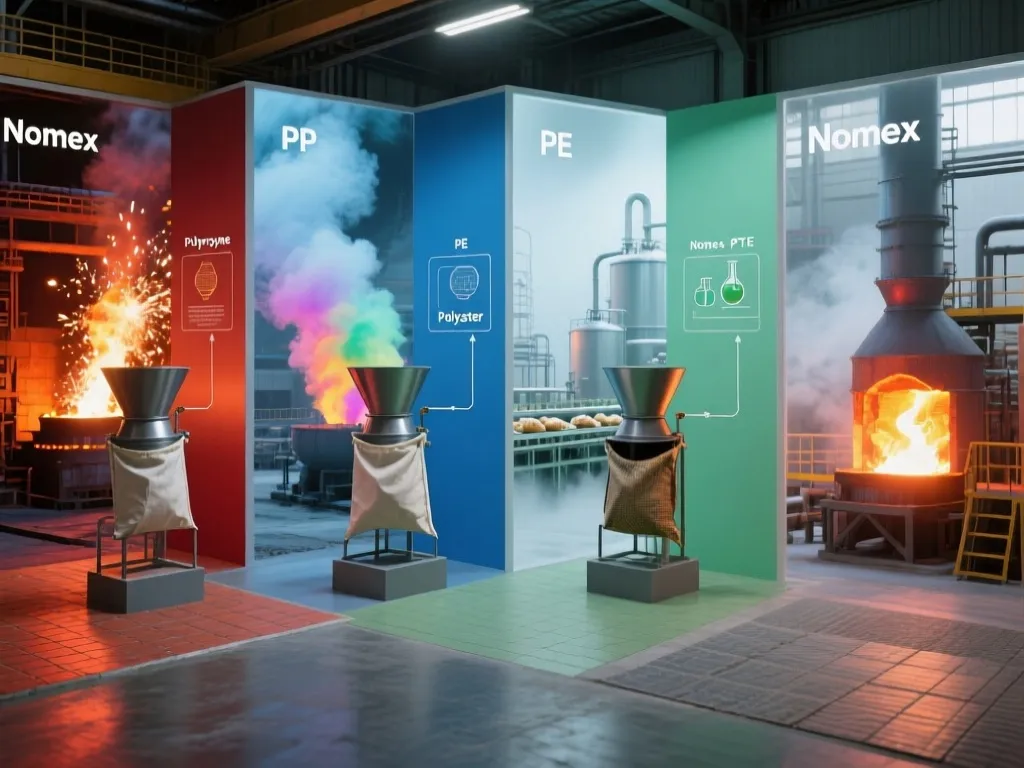
Choosing the right material for your dust collector bags isn’t just about picking something off the shelf—it’s about understanding the unique demands of your industrial environment and finding a solution that meets those needs head-on. Let’s dive into some real-world scenarios to see how material selection can make or break your dust collection system. Imagine you’re running a steel mill where temperatures soar, and the air is thick with abrasive particles. In this scorching environment, you need a dust collector bag that can withstand extreme heat without melting or degrading. Enter Nomex—a heat-resistant material that laughs in the face of high temperatures. Nomex bags are designed to handle continuous operating temperatures up to 400°F (204°C), making them ideal for steel mills, foundries, and other high-heat applications. For more on high-performance solutions in such scenarios, check out our Nomex-based dust collector bags. But what if your factory deals with corrosive chemicals instead of intense heat? Let’s say you’re in the chemical processing industry, where acidic or alkaline fumes are part of the daily grind. In this case, you need a material that won’t react with these corrosive substances. Polypropylene (PP) is your go-to choice here. PP bags are chemically inert, meaning they won’t degrade or release harmful byproducts when exposed to acids or bases. This makes them perfect for chemical plants, pharmaceutical manufacturing, and any other setting where corrosion is a concern. Now, let’s shift gears to a humid environment—like a food processing plant where moisture is always in the air. In such settings, you need a dust collector bag that won’t absorb moisture, which can lead to clogging, reduced airflow, and even microbial growth. Polyester (PE) is an excellent option for humid conditions. PE bags are hydrophobic, meaning they repel water and resist moisture absorption. This keeps your system running smoothly, even in damp environments, and reduces the risk of contamination. For high-efficiency dust collection solutions suitable for humid environments, explore our polyester dust collector bags. But what if your operation involves a mix of challenges—say, high temperatures and corrosive chemicals? This is where things get tricky, but not impossible. For example, a glass manufacturing plant might face both extreme heat from furnaces and corrosive fumes from melting raw materials. In this case, you might need a hybrid solution, like a Nomex bag with a PTFE (Teflon) membrane. The Nomex provides heat resistance, while the PTFE membrane adds chemical resistance and improves filtration efficiency. Let’s look at another example: a woodworking shop where dust is abundant, but temperatures are moderate. Here, the main concern is capturing fine wood particles without clogging. A polyester bag with a high surface area and excellent air permeability would be ideal. The PE material ensures durability, while the design maximizes dust capture and airflow. So, how do you decide which material is right for your specific scenario? Start by identifying the primary challenges in your environment: Is it heat, corrosion, moisture, or a combination? Then, match those challenges to the material properties we’ve discussed. Remember, the goal is to find a balance between durability, filtration efficiency, and cost-effectiveness. If you’re still unsure, don’t hesitate to reach out to our team of experts. We’ve helped countless clients navigate the complex world of dust collector bag materials, and we’re here to do the same for you. Whether you’re dealing with extreme temperatures, corrosive chemicals, or high humidity, we’ll work with you to find the perfect solution for your needs.
High-Temperature Scenarios: Nomex to the Rescue
In high-temperature environments like steel mills and foundries, Nomex is the material of choice. Its ability to withstand continuous operating temperatures up to 400°F (204°C) makes it ideal for these harsh conditions. Nomex bags maintain their structural integrity even when exposed to intense heat, ensuring reliable dust collection without the risk of melting or degradation. This heat resistance translates to longer bag life, reduced maintenance costs, and improved overall system efficiency. For high-performance solutions in high-temperature environments, consider our Nomex dust collector bags.
Corrosive Environments: Polypropylene’s Chemical Inertness
For chemical processing plants and other settings where corrosive substances are present, polypropylene (PP) bags offer unmatched resistance. PP is chemically inert, meaning it won’t react with acids, bases, or other corrosive chemicals. This property ensures that the bags won’t degrade over time, even when exposed to harsh fumes. Additionally, PP bags are easy to clean and maintain, making them a cost-effective choice for corrosive environments.
Humid Conditions: Polyester’s Hydrophobic Nature
In humid environments like food processing plants, polyester (PE) bags excel due to their hydrophobic properties. PE repels water, preventing moisture absorption and reducing the risk of clogging and microbial growth. This moisture resistance ensures consistent airflow and filtration efficiency, even in damp conditions. PE bags are also durable and resistant to abrasion, making them a reliable choice for high-humidity applications. For cost-effective filtration solutions in humid environments, see our polyester dust collector bags.
Hybrid Solutions: Combining Materials for Complex Challenges
Some industrial scenarios present a mix of challenges, such as high temperatures and corrosive chemicals. In these cases, a hybrid solution may be necessary. For example, a Nomex bag with a PTFE (Teflon) membrane combines heat resistance with chemical inertness, offering a versatile solution for glass manufacturing plants and other complex environments. Hybrid bags leverage the strengths of multiple materials to provide comprehensive protection and improved filtration performance.
Selecting the ideal dust collector bags material isn’t just about picking the most durable option—it’s about finding the perfect match for your industrial environment. By understanding the unique demands of your scenario—whether it’s high heat, corrosive substances, or humid conditions—you can make an informed decision that boosts filtration efficiency and slashes maintenance costs. Remember, the right material choice is a game-changer. If you’re still unsure which dust collector bags material suits your needs best, don’t hesitate to reach out to our expert team. We’re here to help you navigate this crucial decision and ensure your industrial operations run smoothly. What other industrial filtration challenges are you facing? Let’s explore solutions together!