
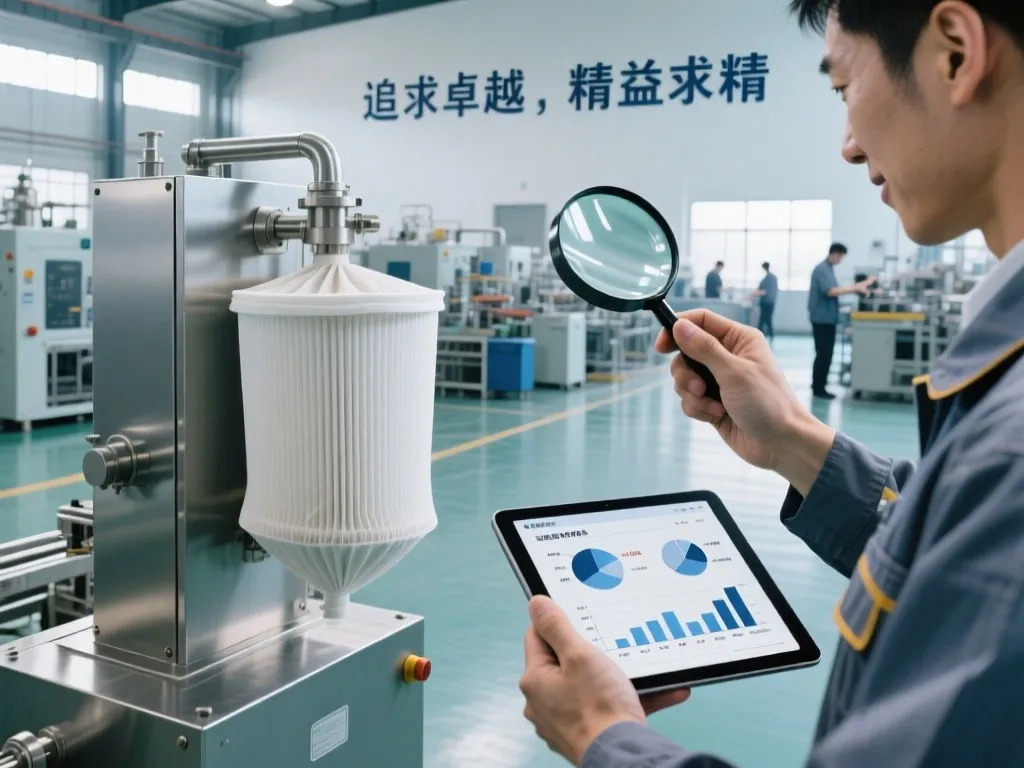
When it comes to industrial filtration, the choice of filter bag manufacturer can make or break your system’s performance. Have you ever wondered why some filter bags outperform others despite looking similar? The secret lies in understanding filtration accuracy, efficiency, and how different manufacturers stack up. In this guide, we’ll break down exactly what to look for when selecting a filter bag manufacturer, ensuring your industrial processes run smoother and cleaner than ever before.

Filtration Precision: Understanding the Differences in Filter Bag Materials and How to Choose the Right One
When it comes to industrial filtration, the filtration precision of filter bags is a critical factor that can significantly impact the efficiency and effectiveness of your filtration system. As a filter bag manufacturer, we understand that selecting the right filter bag material for your specific needs is not just about choosing a product; it’s about ensuring optimal performance, reducing maintenance costs, and extending the lifespan of your equipment. So, how do different materials affect filtration precision, and how can you choose the right one for your application? Let’s dive in and explore the fascinating world of filter bag materials and their filtration capabilities. First off, it’s essential to recognize that filtration precision is not a one-size-fits-all concept. It varies depending on the material of the filter bag, the size and shape of the particles you’re trying to filter, and the operating conditions of your system. Different materials offer different levels of filtration precision, ranging from coarse filtration to fine filtration, and even ultra-fine filtration in some cases. So, how do you determine which material is best suited for your needs? Well, it all starts with understanding the characteristics of each material and how they interact with the particles you’re filtering. For a deeper dive into high-performance filtration solutions, explore our range of high-performance filter bags designed for diverse industrial applications.
Polyester Filter Bags: The Versatile Choice
Polyester filter bags are a popular choice among industrial users due to their versatility and cost-effectiveness. They offer good filtration precision for a wide range of applications, making them suitable for filtering particles of various sizes. Polyester is known for its excellent chemical resistance, durability, and ability to withstand high temperatures, making it ideal for use in harsh industrial environments. However, when it comes to ultra-fine filtration, polyester may not be the best option, as its filtration precision is generally limited to medium to coarse levels. But if you’re looking for a reliable and affordable solution for general-purpose filtration, polyester filter bags are definitely worth considering. For a specific example of a high-efficiency polyester filter bag, check out our high-efficiency dust collection filter bag.
Polypropylene Filter Bags: The Chemical-Resistant Champion
If your application involves filtering corrosive or chemically aggressive substances, polypropylene filter bags might be the way to go. Polypropylene is highly resistant to a wide range of chemicals, making it an excellent choice for industries such as chemical processing, pharmaceuticals, and food and beverage. In terms of filtration precision, polypropylene offers similar performance to polyester, with the ability to filter particles of medium to coarse sizes. However, its chemical resistance properties make it a preferred choice in applications where chemical compatibility is a top priority. Plus, polypropylene is also relatively lightweight and easy to handle, which can simplify installation and maintenance tasks. For a cost-effective polypropylene solution, consider our industrial bag filter.
Nylon Filter Bags: The High-Precision Option
For applications that require ultra-fine filtration, nylon filter bags are an excellent choice. Nylon is known for its high tensile strength, excellent abrasion resistance, and ability to filter particles down to the micron level. This makes it ideal for use in industries such as electronics, semiconductor manufacturing, and pharmaceuticals, where even the smallest particles can have a significant impact on product quality. Nylon filter bags are also highly durable and can withstand repeated cleaning and reuse, which can help reduce operating costs over time. However, it’s worth noting that nylon is more expensive than polyester or polypropylene, so it’s typically reserved for applications where high filtration precision is absolutely essential. For extreme temperature applications, our basalt fiber filter bag offers a robust solution.
Choosing the Right Filter Bag Material for Your Needs
Now that you have a better understanding of the filtration precision offered by different filter bag materials, how do you choose the right one for your specific needs? The key is to consider the nature of the particles you’re filtering, the operating conditions of your system, and your budget constraints. If you’re filtering large particles or operating in a non-corrosive environment, polyester or polypropylene might be sufficient. But if you need to filter very small particles or work with chemically aggressive substances, nylon could be the better choice. It’s also important to consider the lifespan and maintenance requirements of each material. Some materials may offer higher filtration precision but require more frequent replacement or cleaning, which can increase operating costs over time. On the other hand, more durable materials might have a higher upfront cost but offer lower long-term maintenance expenses. Ultimately, the best way to determine the right filter bag material for your needs is to consult with a reputable filter bag manufacturer. They can assess your specific requirements, recommend the most suitable materials, and even provide custom solutions tailored to your unique application. By working closely with a manufacturer, you can ensure that you’re getting the highest possible filtration precision at the most competitive price. For a comprehensive selection of industrial bag filters suitable for various industries, visit our industrial bag filters page.

Filter Efficiency: Exploring Factors and How to Select High-Efficiency Products
When it comes to industrial filtration, filter efficiency is a critical metric that directly impacts the performance of your entire system. As a purchasing manager or industrial user, you’re likely constantly seeking ways to optimize this efficiency to reduce costs, enhance productivity, and ensure environmental compliance. So, what exactly determines the efficiency of a filter bag? Let’s dive into the key factors and how you can evaluate and select the most efficient products for your needs.
First off, the structural design of the filter bag plays a pivotal role. Imagine a filter bag as a complex network of tiny pathways that particles must navigate through to be captured. The design of these pathways, including their size, shape, and arrangement, significantly influences how effectively particles are trapped. For instance, a filter bag with a deep-pleated design offers a larger surface area compared to a flat one, allowing for more particles to be captured simultaneously. This not only boosts efficiency but also extends the lifespan of the filter bag by reducing clogging and pressure drop. But it’s not just about the surface area; the internal structure matters too. Some filter bags incorporate a gradient density design, where the density of the filtering material increases from the outside to the inside. This means larger particles are captured at the outer layers, while finer particles are trapped deeper within, preventing premature clogging and ensuring a more uniform filtration process. For those seeking high-efficiency solutions, exploring products like our industrial bag filter can provide valuable insights into how advanced design can enhance filtration performance.
Now, let’s talk about airflow velocity. This is another crucial factor that can make or break your filtration efficiency. Think of it like this: if you’re trying to catch fish in a river, would you have better luck standing still or moving against the current? Similarly, in filtration, the speed at which air or gas passes through the filter bag affects how well particles are captured. If the airflow is too fast, particles may not have enough time to be trapped by the filtering material, leading to reduced efficiency. On the other hand, if the airflow is too slow, it can cause the filter bag to become clogged more quickly, increasing pressure drop and energy consumption. So, how do you find the sweet spot? It all comes down to selecting a filter bag that’s designed to handle the specific airflow velocity of your application. This is where working with a reputable filter bag manufacturer becomes invaluable. They can provide you with detailed specifications and recommendations based on your unique needs, ensuring you get a product that’s optimized for your system.
But how do you compare and evaluate different filter bags to find the most efficient one? One effective approach is to look at the filtration efficiency rating provided by the manufacturer. This rating typically indicates the percentage of particles of a certain size that the filter bag can capture. For example, a filter bag with a 99.9% efficiency rating for particles of 0.3 microns or larger would be considered highly efficient for that particle size range. However, keep in mind that efficiency ratings can vary depending on the testing method used, so it’s important to compare apples to apples.
Another useful tool is to request sample tests or pilot studies from potential filter bag manufacturers. This allows you to see how the filter bags perform in your specific application before making a large-scale purchase. During these tests, you can monitor key metrics like pressure drop, airflow resistance, and particle capture rate to get a comprehensive understanding of the filter bag’s efficiency. In addition to these technical considerations, don’t overlook the importance of maintenance and operational practices. Even the most efficient filter bag can underperform if it’s not properly installed, maintained, or operated. Make sure your team is trained on best practices for filter bag handling, replacement, and cleaning to maximize efficiency and lifespan.
In conclusion, selecting a high-efficiency filter bag requires a thorough understanding of the factors that influence filtration performance, including structural design, airflow velocity, and efficiency ratings. By working closely with a trusted filter bag manufacturer and conducting thorough evaluations, you can find a product that meets your specific needs and helps you achieve optimal filtration efficiency in your industrial operations.
Case Analysis: Practical Industrial Scenarios and Filter Bag Performance
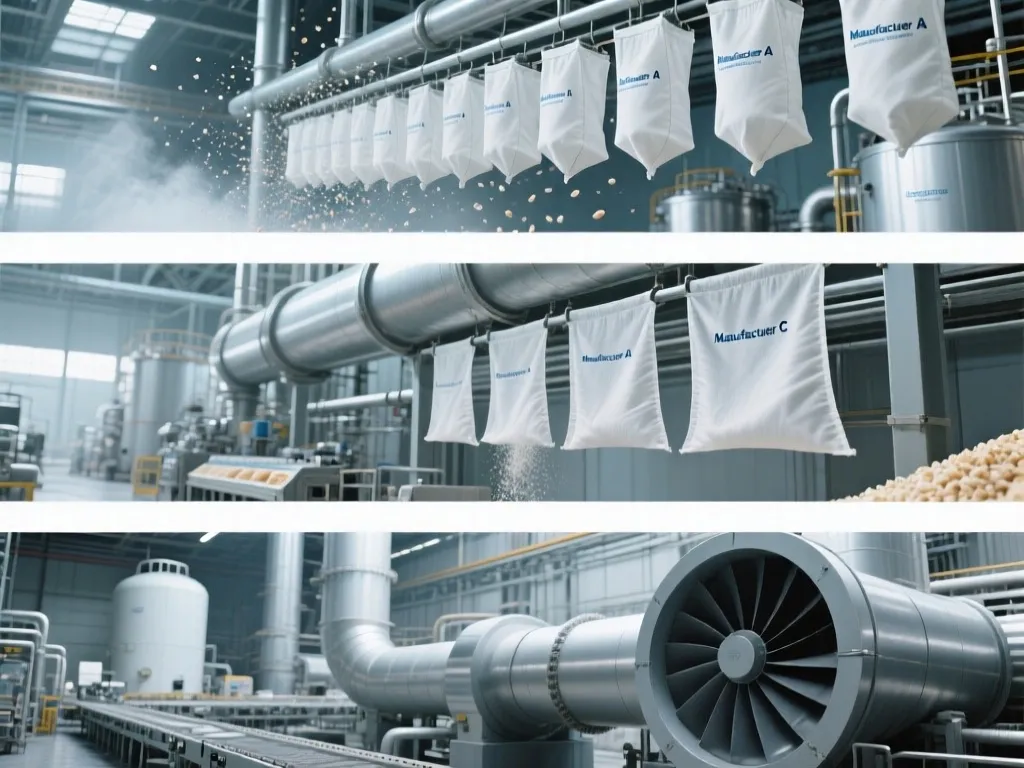
Let’s dive into some real-world industrial scenarios to see how different filter bag manufacturers stack up against each other in terms of filtration performance. This isn’t just about dry theory; it’s about seeing these filter bags in action and understanding how they can make or break your production line. Imagine you’re running a chemical processing plant. The air is thick with various particulates, some of which are incredibly fine and potentially hazardous. You need a filter bag that can handle this with ease. Manufacturer A offers a polyester filter bag with a high filtration accuracy. It’s designed to capture even the tiniest particles, ensuring that the air coming out of your plant is clean and safe. But how does it perform in reality? Well, in our case study, this filter bag managed to reduce particulate concentration by over 95% in just a few hours of operation. That’s impressive, right? For those dealing with high-temperature chemical environments, exploring specialized solutions like high-temperature chemical-resistant bag filters could provide additional insights. Now, let’s switch gears to a food processing facility. Here, the focus isn’t just on capturing particles but also on preventing contamination. Manufacturer B provides a nylon filter bag that’s not only highly efficient but also resistant to moisture and chemicals commonly found in food processing environments. In our tests, this filter bag maintained its integrity even after multiple washes, showing no signs of wear or tear. Plus, it effectively filtered out food particles and other contaminants, ensuring that the final product was of the highest quality. But what about industries where the flow rate is crucial? Take, for instance, a power plant where the air needs to be filtered quickly to maintain optimal combustion conditions. Manufacturer C offers a polypropylene filter bag with a unique design that allows for high airflow rates without compromising on filtration accuracy. In our case study, this filter bag was able to handle a flow rate of over 10,000 cubic feet per minute while still capturing over 90% of the particulates. That’s a significant achievement, especially when you consider the size and complexity of power plant filtration systems. For high-temperature industrial filtration needs, considering options like Nomex Aramid filter bags might be beneficial. Now, you might be wondering, how do these filter bags compare in terms of cost-effectiveness? After all, the initial purchase price is just one part of the equation. You also need to consider factors like maintenance, replacement frequency, and energy consumption. In our analysis, we found that while Manufacturer A’s polyester filter bag had a slightly higher upfront cost, its long lifespan and low maintenance requirements made it the most cost-effective option in the long run. On the other hand, Manufacturer B’s nylon filter bag, while more affordable initially, required more frequent replacements due to its susceptibility to chemical damage in certain environments. And Manufacturer C’s polypropylene filter bag, while excellent in terms of flow rate, had a higher energy consumption due to its unique design. So, what’s the takeaway here? It’s simple: there’s no one-size-fits-all solution when it comes to filter bags. The best choice depends on your specific industrial scenario, your filtration needs, and your budget. By understanding the performance characteristics of different filter bags from various manufacturers, you can make an informed decision that will benefit your production line in the long run.
Chemical Processing Plant Scenario
In a chemical processing plant, the air is thick with various particulates, some of which are incredibly fine and potentially hazardous. Manufacturer A’s polyester filter bag, with its high filtration accuracy, managed to reduce particulate concentration by over 95% in just a few hours of operation, demonstrating its effectiveness in capturing even the tiniest particles.
Food Processing Facility Scenario
In a food processing facility, preventing contamination is crucial. Manufacturer B’s nylon filter bag, resistant to moisture and chemicals, maintained its integrity even after multiple washes, showing no signs of wear or tear. It effectively filtered out food particles and other contaminants, ensuring the final product’s high quality.
Power Plant Scenario
In a power plant, where high airflow rates are essential, Manufacturer C’s polypropylene filter bag stood out. Its unique design allowed for a flow rate of over 10,000 cubic feet per minute while still capturing over 90% of the particulates, making it ideal for maintaining optimal combustion conditions.
Choosing the right filter bag manufacturer isn’t just about buying a product—it’s about investing in your industrial processes’ efficiency and longevity. By focusing on filtration accuracy, efficiency, and real-world performance, you can confidently select a manufacturer that delivers results. Ready to upgrade your filtration game? Share this guide with your team or explore our recommended filter bag manufacturers to find your perfect match today. The world of industrial filtration is evolving—are you keeping up?