
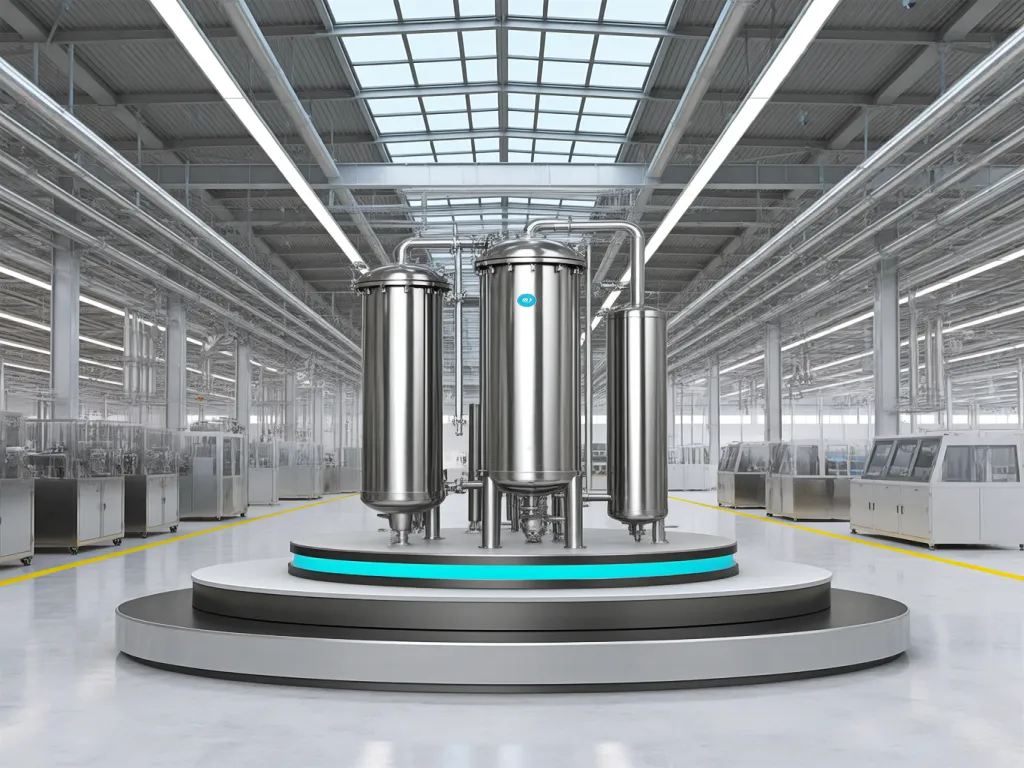
In the industrial world, every drop of efficiency counts. Whether you’re managing a bustling factory floor or overseeing a complex production line, the choice of filtration bags can make or break your operational success. As a filtration bags manufacturer, we understand the critical role these components play in ensuring product quality, controlling costs, and meeting environmental standards. But how do you sift through the myriad of options to find the one that truly delivers? Let’s dive into the secrets of selecting a filtration bags manufacturer that stands out in efficiency and performance.
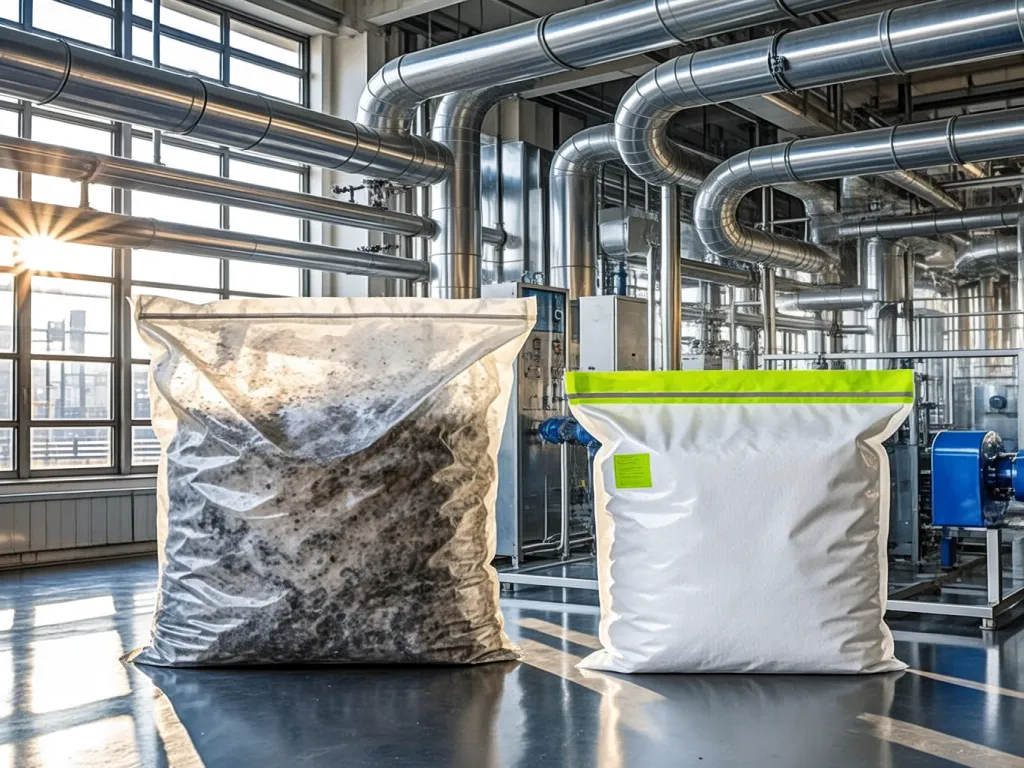
The Critical Role of Filtration Efficiency in Industrial Processes
When it comes to industrial filtration, the term ‘filtration efficiency’ isn’t just a buzzword—it’s the cornerstone of effective operations. Imagine you’re running a factory where every product needs to meet stringent quality standards. Now, picture a scenario where your filtration system isn’t up to par. What happens? Let’s dive into the nitty-gritty of how filtration efficiency impacts your industrial processes, from product quality to cost management and environmental compliance.
First off, let’s talk about product quality.
In industries ranging from pharmaceuticals to food processing, the purity of the final product is non-negotiable. Filtration bags with high efficiency ensure that even the tiniest particles, which could otherwise contaminate the product, are effectively trapped. For instance, in the dairy industry, a filtration bag with a 99.9% efficiency rate can prevent unwanted bacteria and solid particles from entering the milk, ensuring a safe and high-quality product. This level of precision is crucial for maintaining brand reputation and customer trust. Can you afford to compromise on quality?
Moving on to production costs,
it’s easy to overlook the long-term savings that come with investing in high-efficiency filtration bags. While the initial cost might be higher, the reduced need for frequent replacements and lower maintenance costs can lead to significant savings over time. Consider a chemical plant that processes corrosive substances. A low-efficiency filter might require replacement every month, leading to downtime and increased labor costs. In contrast, a high-efficiency filter could last twice as long, halving the replacement frequency and associated costs. Isn’t it wise to invest in a solution that pays off in the long run?
Now, let’s address the elephant in the room: environmental regulations.
With governments worldwide tightening their grip on industrial emissions, compliance is no longer optional. High-efficiency filtration bags play a pivotal role in meeting these standards. For example, in the power generation sector, filters with high particle retention rates can significantly reduce the emission of harmful pollutants like sulfur dioxide and particulate matter. This not only helps in avoiding hefty fines but also positions your company as an environmentally responsible entity. How would your stakeholders react if your plant was fined for non-compliance? For further insights into environmental compliance and filtration solutions, you may explore EPA’s guidelines on air emissions.
Moreover, the environmental impact extends beyond regulatory compliance.
By using high-efficiency filters, you’re contributing to a cleaner planet. Reduced emissions mean cleaner air and water, which benefits everyone. It’s a win-win situation: you meet your environmental obligations while enhancing your corporate social responsibility profile. Isn’t it rewarding to know that your operations are making a positive difference?
In real-world scenarios, the difference between high and low-efficiency filters can be stark.
Take the automotive industry, for instance. Paint shops require pristine air to ensure a flawless finish on vehicles. A low-efficiency filter might allow dust particles to settle on the paint, leading to defects and rework. On the other hand, a high-efficiency filter ensures a dust-free environment, resulting in a superior finish and reduced waste. The cost savings from reduced rework can be substantial, not to mention the improved customer satisfaction from a flawless product.
In conclusion,
the importance of filtration efficiency in industrial processes cannot be overstated. It affects product quality, production costs, and environmental compliance in profound ways. By investing in high-efficiency filtration bags from a reputable filtration bags manufacturer, you’re not just buying a product—you’re securing the future of your operations. So, the next time you’re in the market for filtration solutions, ask yourself: can I afford to settle for anything less than the best?
Different Material Filtration Bags Efficiency Comparison: Detailed Analysis of Polyester, Polypropylene, Nylon, and Other Common Materials
When it comes to industrial filtration, the choice of material for filtration bags can significantly impact the overall efficiency of your system. As a filtration bags manufacturer, we understand that you need not just any bag, but one that meets your specific requirements for efficiency, durability, and cost-effectiveness. Let’s dive into a detailed comparison of polyester, polypropylene, and nylon filtration bags, incorporating experimental data and real-world application cases to help you make an informed decision. For those seeking a comprehensive filtration solution, our high-efficiency industrial bag filters offer a blend of performance and value tailored to diverse industrial needs.
Polyester Filtration Bags in Detail
Polyester’s strength lies in its versatility. It can withstand high temperatures up to 130°C (266°F) without melting or degrading, making it suitable for hot gas filtration. Its chemical inertness means it won’t react with most substances, ensuring consistent performance over time. The high particle retention rate makes it a top choice for industries where air quality is paramount, such as cement and steel production. For efficient dust collection in such demanding environments, consider our high-efficiency dust collection filter bags, designed to optimize performance and longevity.
Polypropylene Filtration Bags: A Cost-Effective Solution
If budget is a major concern, polypropylene bags offer an attractive alternative. They are less expensive than polyester and nylon, yet still provide reliable filtration. Their moisture resistance makes them ideal for liquid filtration in food and beverage processing. However, be mindful of their temperature limitations; prolonged exposure to high heat can cause them to deform or lose structural integrity. For industrial dust collectors requiring cost-effective yet high-performance solutions, explore our high-performance filter bags, engineered to balance affordability with durability.
Nylon Filtration Bags: The Heavy-Duty Champion
For applications demanding the highest level of durability and precision, nylon bags shine. Their ability to filter extremely fine particles makes them indispensable in pharmaceuticals and electronics manufacturing. The added strength also means they can handle abrasive materials without tearing, reducing the need for frequent replacements. Though initially more costly, their longevity and reusability often justify the investment. For industries requiring robust filtration solutions, our high-performance industrial bag filters deliver unmatched reliability and efficiency.
How to Evaluate Filtration Efficiency of Filtration Bags Manufacturers
When it comes to selecting the right filtration bags manufacturer, understanding how to evaluate their filtration efficiency is crucial. After all, the efficiency of your filtration bags can significantly impact your industrial processes, from product quality to cost management and environmental compliance. So, how exactly do you assess the filtration efficiency of a manufacturer’s products? Let’s dive into the standard methods and what to look for.
Particle Retention Rate: The First Line of Defense
One of the most fundamental metrics for evaluating filtration bags is the particle retention rate. This measures the percentage of particles that the filtration bag can effectively capture and retain. Imagine you’re filtering out fine dust from an air stream; a high particle retention rate means fewer dust particles escape, resulting in cleaner air and a more efficient process. Manufacturers typically provide particle retention data based on standardized tests. These tests involve introducing a known quantity of particles of varying sizes into a controlled air or liquid stream and measuring how many are captured by the filtration bag. The higher the retention rate, the more effective the bag is at filtering out contaminants. But here’s the thing: not all particles are created equal. Some filtration bags may excel at capturing large particles but struggle with smaller ones. That’s why it’s essential to look at the retention rate across different particle sizes. A manufacturer that provides detailed particle retention data for various sizes demonstrates a deeper understanding of their product’s capabilities.
Air Permeability Testing: Balancing Efficiency and Flow
While particle retention is crucial, it’s not the only factor to consider. Air permeability, or the ease with which air can pass through the filtration bag, is equally important. Why? Because a bag with low permeability might capture particles effectively but could also restrict airflow, leading to increased pressure drops and higher energy consumption. Think of it like this: you want a filtration bag that acts like a fine sieve, letting air through while keeping particles out. Manufacturers conduct air permeability tests by measuring the volume of air that passes through the bag under a specific pressure difference. The results are typically reported in units like cubic feet per minute (CFM) per square foot of filter area. When evaluating air permeability, consider your specific application. High-efficiency filtration might require a bag with lower permeability, but this could come at the cost of reduced airflow. On the other hand, applications where airflow is critical might necessitate a bag with higher permeability, even if it means slightly lower particle retention. For instance, in applications demanding both high efficiency and optimal airflow, an industrial bag filter with balanced permeability and retention could be the ideal choice.
Dust Holding Capacity: How Much Can It Take?
Another key metric is the dust holding capacity of the filtration bag. This refers to the amount of dust or particulate matter the bag can accumulate before it needs to be replaced or cleaned. A higher dust holding capacity means fewer bag changes, lower maintenance costs, and less downtime. Manufacturers determine dust holding capacity through accelerated aging tests, where the bag is exposed to high levels of dust over a short period. The amount of dust retained before a significant pressure drop occurs is recorded as the dust holding capacity. This metric is particularly important in industries with heavy dust loads, such as cement production or woodworking. Choosing a filtration bag with a high dust holding capacity can lead to substantial cost savings and improved operational efficiency.
How to Obtain These Critical Data Points from Manufacturers
Now that you know what to look for, how do you actually get this information from filtration bags manufacturers? Here are a few tips: 1. Request Technical Data Sheets: Reputable manufacturers provide detailed technical data sheets for their products. These sheets should include particle retention rates, air permeability values, and dust holding capacities. Don’t settle for vague descriptions; ask for specific numbers and test conditions. 2. Ask for Third-Party Testing Reports: Some manufacturers conduct independent testing by certified laboratories. These reports offer an unbiased assessment of the filtration bag’s performance. If a manufacturer can’t provide third-party testing data, it might be a red flag. 3. Inquire About Application-Specific Testing: If you have a unique industrial process, ask the manufacturer if they’ve tested their bags in similar conditions. Application-specific testing can give you a better idea of how the bag will perform in your environment. 4. Check for Industry Certifications: Look for manufacturers whose products meet industry standards like ISO 9001 for quality management or specific filtration standards set by organizations like the American Filtration and Separations Society (AFS). 5. Request Samples for In-House Testing: If possible, obtain samples of the filtration bags and conduct your own tests. This hands-on approach allows you to verify the manufacturer’s claims and ensure the bags meet your specific requirements. By understanding these evaluation methods and knowing how to obtain the relevant data, you’re well-equipped to choose a filtration bags manufacturer that delivers the efficiency your industrial processes demand. Remember, the right filtration bag can make all the difference in product quality, operational costs, and environmental compliance. So, take the time to evaluate thoroughly—your industrial processes will thank you for it!
Choosing the right filtration bags manufacturer is more than a purchase—it’s an investment in your industrial process’s future. By prioritizing filtration efficiency, you’re not just buying a product; you’re securing a partner in productivity and quality. Remember, the difference between a good filter and a great one lies in the details—material selection, particle retention, and breathability reports. Armed with this guide, you’re now equipped to make an informed decision that will elevate your operations. Ready to transform your filtration system? Dive deeper into our resources or reach out for a tailored consultation. The path to peak efficiency starts here.