

Ever struggled to find the right filtration bags for dust collector systems? You’re not alone. Selecting the ideal filter isn’t just about grabbing the first option on the shelf—it’s about matching your dust’s unique characteristics to the bag’s material, pore size, and design. Whether you’re battling fine powders, sticky residues, or humid air, the wrong choice could mean clogged filters, reduced airflow, and higher maintenance costs. In this guide, we’ll break down how to tailor filtration bags for dust collector systems to your specific dust type, ensuring peak performance and longevity. Ready to transform your dust collection game?

Particle Size Matters: How to Choose Filtration Bags for Dust Collector Based on Dust Characteristics
When it comes to selecting filtration bags for dust collectors, one of the most critical factors to consider is the size of the dust particles you’re dealing with. Why? Because the particle size directly influences the choice of filter material, pore size, and ultimately, the efficiency of your dust collection system. Let’s dive into the nitty-gritty of how particle size affects your filtration bag selection and provide some tailored recommendations for different scenarios.
First off, it’s essential to understand that dust particles vary widely in size, ranging from coarse, visible grains to fine, almost invisible particulates. The size of these particles plays a pivotal role in determining which filtration bag material and pore size will work best. For instance, larger particles (above 10 microns) can be effectively captured by bags with coarser pores and sturdier materials, as they don’t require as much surface area or fine filtration to be trapped. On the other hand, fine particles (below 5 microns) demand bags with finer pores and specialized materials that can capture these tiny invaders without clogging too quickly.
So, how do you choose the right filtration bag based on particle size? Let’s break it down:
- Coarse Particles (Above 10 Microns): If your dust collector is primarily dealing with coarse particles, you’re in luck. These particles are relatively easy to capture, and you have a bit more flexibility in your filter material choice. Polyester is a popular option here due to its durability and cost-effectiveness. It can handle the abrasion from larger particles without wearing out too quickly. For pore size, a medium to coarse option (around 20-50 microns) should suffice, providing a good balance between filtration efficiency and airflow. For high-performance solutions tailored to coarse particle filtration, consider exploring our high-performance filtration bags.
- Medium Particles (5-10 Microns): Moving into the medium particle range, you’ll need to be a bit more selective. These particles are small enough to slip through coarser pores but still large enough that you don’t need the finest filtration available. Nylon or polypropylene filters can be excellent choices here, offering a good mix of durability and filtration efficiency. Opt for a pore size in the range of 10-20 microns to effectively capture these particles while maintaining adequate airflow.
- Fine Particles (Below 5 Microns): This is where things get tricky. Fine particles require the most precise filtration, and choosing the wrong bag can lead to rapid clogging and reduced efficiency. For these tiny troublemakers, you’ll want to look at filtration bags made from advanced materials like PTFE (Polytetrafluoroethylene) or ePTFE (Expanded Polytetrafluoroethylene). These materials offer exceptional filtration efficiency, even for sub-micron particles. As for pore size, you’ll be looking at the finest options available, often below 5 microns, to ensure these particles don’t slip through the cracks. For high-temperature resistant solutions ideal for fine particle filtration, our basalt fiber filter bags offer an excellent choice.
But wait, there’s more to it than just material and pore size. The construction of the filtration bag also matters. For instance, bags with a pleated design can increase the surface area, allowing for better filtration of fine particles without sacrificing airflow. Additionally, bags with a surface treatment or coating can enhance their ability to capture and retain fine dust, further improving efficiency.
Now, you might be wondering, ‘How do I know the exact particle size distribution in my dust?’ That’s a great question! Conducting a particle size analysis can provide you with valuable insights into the composition of your dust, helping you make an informed decision about which filtration bag to choose. Many industrial hygiene labs or environmental consulting firms offer this service, providing you with a detailed report on particle size distribution, which you can then use to tailor your filtration bag selection.
In conclusion, selecting the right filtration bags for dust collectors based on particle size is crucial for maintaining optimal dust collection efficiency. By understanding the relationship between particle size, filter material, and pore size, you can make an informed decision that will keep your dust collector running smoothly and your workspace clean. So, the next time you’re faced with choosing filtration bags, remember: particle size matters!
Coarse Particles Filtration Solutions
When dealing with coarse particles, the key is to find a balance between durability and filtration efficiency. Polyester filters are a go-to choice for many industrial applications due to their robustness and ability to withstand the abrasion caused by larger particles. These filters typically feature a medium to coarse pore size, around 20-50 microns, which is ideal for capturing coarse dust without impeding airflow too much. The result? A dust collection system that operates efficiently and lasts longer, reducing the need for frequent filter replacements. For high-efficiency options designed specifically for coarse particle filtration, explore our high-efficiency filtration bags.
Medium Particles: Finding the Sweet Spot
Medium-sized particles require a bit more finesse in filter selection. Nylon and polypropylene filters emerge as strong contenders here, offering a good compromise between filtration capability and durability. These materials can handle the moderate abrasion from medium particles while still providing adequate filtration. A pore size in the 10-20 micron range is typically effective for capturing these particles, ensuring that your dust collector maintains high efficiency without becoming clogged too quickly.
Fine Particles: The Ultimate Filtration Challenge
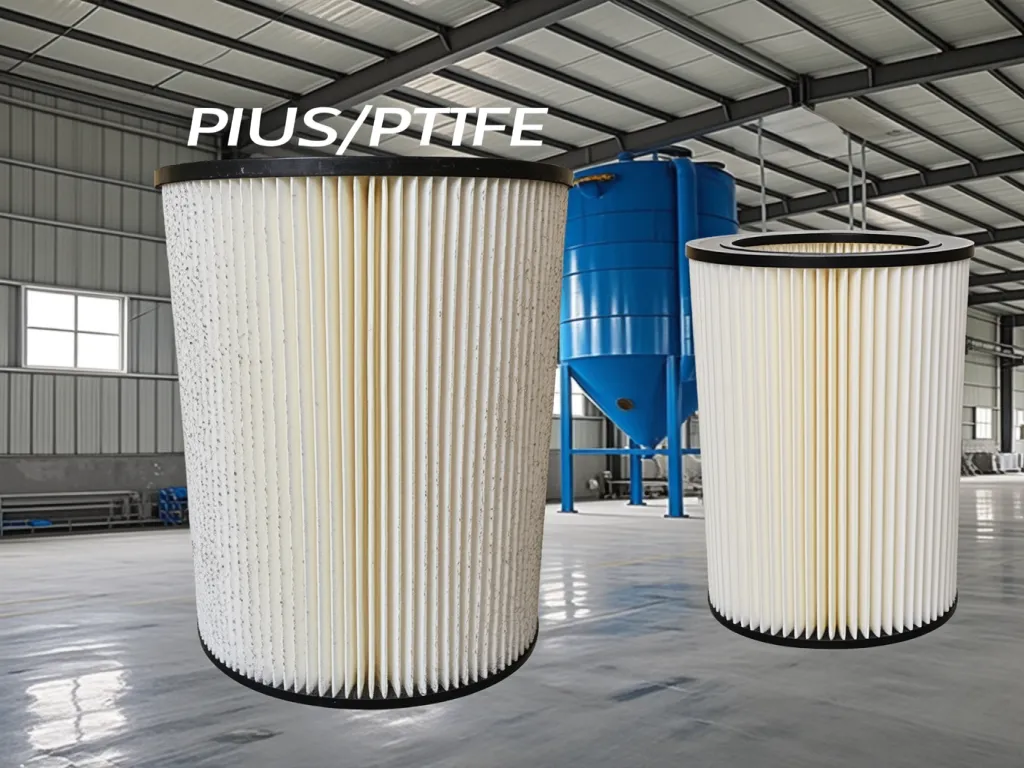
Fine particles, especially those below 5 microns, pose the greatest challenge in dust collection. To tackle these tiny particles, advanced filter materials like PTFE and ePTFE come into play. These materials boast exceptional filtration efficiency, capable of capturing even the smallest particulates. Coupled with a pore size below 5 microns, these filters ensure that your dust collector operates at peak performance, even in environments with high concentrations of fine dust. Additionally, considering filters with a pleated design or surface treatment can further enhance their ability to capture and retain fine particles, providing an extra layer of protection for your workspace.
The Impact of Humidity on Filtration Bag Performance: Choosing Moisture-Resistant and Hydrolysis-Resistant Materials
When it comes to selecting filtration bags for dust collectors, humidity is often an overlooked but critical factor. High humidity environments can significantly impact the performance and lifespan of your filtration bags. So, how exactly does humidity affect filtration bag performance, and what can you do to mitigate these effects? Let’s dive in.
First, let’s understand why humidity matters. In industrial settings, especially those involving wet processes or located in humid climates, the moisture content in the air can be surprisingly high. This moisture can interact with the dust particles being collected, as well as with the filtration bag material itself. When dust particles are damp, they tend to stick more readily to the bag surface, leading to clogging and reduced airflow. Moreover, prolonged exposure to moisture can cause certain filtration bag materials to degrade, compromising their structural integrity and filtration efficiency.
So, what materials are best suited for high-humidity environments? The key is to look for filtration bags that are both moisture-resistant and hydrolysis-resistant. Moisture-resistant materials prevent water absorption, keeping the bag dry and reducing the risk of clogging. Hydrolysis-resistant materials, on the other hand, can withstand chemical reactions with water over time, preventing the bag from breaking down prematurely.
One popular choice for high-humidity applications is polyphenylene sulfide (PPS) filtration bags. PPS is known for its excellent chemical resistance, including resistance to hydrolysis. It can maintain its strength and filtration efficiency even in wet conditions, making it a top pick for industries like waste incineration, coal-fired power plants, and chemical processing.
Another great option is polytetrafluoroethylene (PTFE) membrane filtration bags. PTFE is inherently hydrophobic, meaning it repels water rather than absorbing it. This property, combined with its high temperature resistance and chemical inertness, makes PTFE bags ideal for harsh, humid environments. They’re commonly used in pharmaceuticals, food processing, and other industries where cleanliness and product purity are paramount.
But what about the impact of humidity on cleanability? After all, even the best filtration bags will eventually need to be cleaned to maintain optimal performance. Here’s where things get interesting. High humidity can actually make the cleaning process more challenging. When dust particles are damp, they don’t dislodge as easily during pulse cleaning or reverse air cleaning. This means you may need to increase the frequency or intensity of your cleaning cycles, which can put additional stress on the filtration bags and shorten their lifespan.
To combat this, consider investing in filtration bags with advanced surface treatments or coatings. These treatments can enhance the bag’s ability to release dust during cleaning, even in humid conditions. Some coatings create a smooth, non-stick surface that prevents dust from adhering too tightly, while others may incorporate hydrophobic agents to further repel moisture.
Now, you might be wondering, ‘How do I know if my current filtration bags are up to the task in a humid environment?’ One telltale sign is a decrease in airflow or an increase in pressure drop across the baghouse. This could indicate that the bags are becoming clogged with damp dust. Another sign is premature bag failure, such as tears or holes, which can be caused by the combined effects of moisture and mechanical stress during cleaning.
If you’re experiencing these issues, it’s definitely time to reevaluate your filtration bag selection. Don’t wait until your system is struggling to keep up with production demands. By proactively choosing moisture-resistant and hydrolysis-resistant materials, you can avoid costly downtime and maintain consistent dust collection performance.
In summary, humidity plays a significant role in filtration bag performance. To ensure your dust collector operates efficiently in high-humidity environments, opt for materials like PPS or PTFE that offer excellent moisture and hydrolysis resistance. Consider advanced surface treatments to enhance cleanability, and keep an eye out for signs of clogging or premature bag failure. With the right filtration bags, you can conquer humidity and keep your industrial processes running smoothly.
Why Humidity Matters in Filtration
In industrial settings, humidity can be a silent saboteur of filtration efficiency. When dust particles are damp, they cling to filtration bag surfaces more tenaciously, leading to clogging and reduced airflow. This not only hampers dust collection performance but also increases the energy consumption of your dust collector as it struggles to pull air through clogged bags. Moreover, prolonged exposure to moisture can cause certain bag materials to degrade, compromising their structural integrity and filtration capabilities. Understanding the impact of humidity is the first step in selecting the right filtration bags for your needs.
Choosing Moisture-Resistant Materials
Selecting filtration bags that can withstand high humidity starts with choosing the right materials. Moisture-resistant materials are designed to repel water rather than absorb it, keeping the bag surface dry and reducing the risk of clogging. Polyphenylene sulfide (PPS) is a standout choice in this category. Its excellent chemical resistance, including resistance to hydrolysis, makes it ideal for wet conditions. Polytetrafluoroethylene (PTFE) membrane bags are another excellent option, thanks to their inherent hydrophobicity and high temperature resistance. When selecting materials, always consider the specific humidity levels and chemical exposures in your industrial environment to ensure optimal performance.
Hydrolysis Resistance: A Key Consideration
While moisture resistance is crucial, don’t overlook the importance of hydrolysis resistance. Hydrolysis is a chemical reaction where water breaks down the molecular bonds in a material, leading to degradation. In humid environments, this can be a significant issue for certain filtration bag materials. Choosing bags made from hydrolysis-resistant materials like PPS or PTFE can prevent premature failure and extend the lifespan of your filtration system. These materials can withstand the rigors of wet conditions without compromising their structural integrity or filtration efficiency.
Enhancing Cleanability in Humid Conditions
High humidity can make the cleaning process more challenging, as damp dust particles don’t dislodge as easily during pulse or reverse air cleaning. To combat this, consider filtration bags with advanced surface treatments or coatings. These treatments can create a smooth, non-stick surface that prevents dust from adhering too tightly, making it easier to release during cleaning. Some coatings may also incorporate hydrophobic agents to further repel moisture, enhancing the bag’s overall performance in humid environments. Investing in these enhanced bags can reduce cleaning frequency and intensity, saving you time and money in the long run.
Sticky Dust Challenge: Anti-Adhesive Filtration Bags & Maintenance Essentials
When it comes to industrial dust collection, not all dust is created equal. If you’ve ever dealt with sticky, adhesive dusts – think resins, tar, or certain chemical powders – you’ll know they’re the bane of any filtration system. These clingy particles don’t just sit on the surface; they embed themselves into fabric fibers, creating a crusty buildup that clogs pores and drastically reduces airflow. The result? Your dust collector works overtime, energy consumption spikes, and maintenance becomes a nightmare. But here’s the thing: the right filtration bags for dust collector can transform this headache into a manageable process. Let’s break down how to tackle sticky dust challenges head-on. First, material selection is crucial. Standard polyester bags might work for dry, non-sticky dusts, but when dealing with adhesives, you need specialized fabrics. PTFE (Teflon) coated bags are stars in this arena. Their non-stick surface prevents particles from adhering, making clean-down cycles far more effective. For extreme cases, consider fiberglass composite bags with silicone treatments – these create a slick barrier that even the most tenacious dusts can’t cling to. But material alone isn’t enough. Surface finish matters just as much. Smooth, calendared finishes reduce particle adhesion compared to rough, unfinished surfaces. Some manufacturers even offer nano-coatings that create an ultra-slippery microscopic texture. Imagine your bag surface as a non-stick pan versus a regular one – the difference in cleanability is night and day. Now, let’s talk about bag design features that combat clogging. Pleated bags increase surface area without enlarging footprint, meaning more dust-holding capacity and longer intervals between changes. For sticky applications, look for bags with reinforced seams and cuffs – weak points are where dust tends to accumulate and harden. But here’s a pro tip many overlook: consider the bag’s shape. Cylindrical bags with smooth transitions between sections reduce dust ‘pockets’ where buildup can occur. Some advanced designs even incorporate slight tapers to encourage dust to slide off during pulse cleaning. Speaking of pulse cleaning, this brings us to the maintenance side of things. No matter how anti-adhesive your bags are, regular maintenance is non-negotiable. Sticky dusts create hard crusts over time, so frequent pulse cleaning (adjusted to your specific dust type) prevents buildup from becoming permanent. But don’t just rely on automated systems – manual inspections are vital. Check for any areas where dust seems to be accumulating faster, as this could indicate a weak spot in your bag design or a malfunctioning pulse valve. Let’s get real for a moment: have you ever opened a dust collector to find bags caked in what looks like concrete? It’s not just gross – it’s expensive. Every inch of clogged fabric reduces your system’s efficiency, meaning you’re either pushing less air through (reducing capture effectiveness) or using more energy to force air through (increasing costs). The worst part? Many facilities only discover this during annual maintenance, having unknowingly operated at subpar efficiency for months. The solution? Implement a predictive maintenance schedule based on your specific dust characteristics. For highly sticky applications, this might mean weekly visual inspections and monthly pressure drop measurements. Invest in differential pressure gauges that alert you when resistance climbs above baseline – this is your early warning system for impending clogs. Here’s something counterintuitive but crucial: sometimes, more frequent bag changes are cheaper than fewer changes with premium bags. Why? Because downtime costs money. If your production line has to shut down for bag replacement, those lost hours might outweigh the savings from a slightly cheaper (but less effective) bag. Calculate your true cost of ownership, not just the per-bag price. Finally, let’s bust a myth: anti-adhesive doesn’t mean maintenance-free. Even the best bags require proper care. This means: 1) Ensuring your pulse cleaning system is properly tuned (too weak and it won’t dislodge sticky particles; too strong and it might damage bags), 2) Using the right compressed air quality (oil and water in your air lines will create their own sticky messes), and 3) Training your maintenance crew on the specific challenges of your dust type. Sticky dust collection isn’t just about buying the right bags – it’s about creating a system where bags, cleaning protocols, and maintenance practices work in harmony. When you get this balance right, what was once a maintenance headache becomes a smoothly running component of your production process. And isn’t that what we all want? A filtration system that just… works.
Material Matters: Choosing Anti-Adhesive Fabrics
The foundation of any effective sticky dust solution lies in material selection. Standard polyester, while cost-effective for many applications, simply won’t cut it for adhesive dusts. These particles act like microscopic glue, bonding to fabric fibers at a molecular level. The solution? Specialized surface treatments and composite materials. PTFE (polytetrafluoroethylene) coated bags are the gold standard for anti-adhesive properties. Their non-stick surface reduces particle adhesion by up to 80% compared to untreated fabrics. For extreme cases, consider fiberglass composite bags with silicone treatments. These create a chemical barrier that even the most tenacious dusts struggle to penetrate. But don’t stop at the base fabric – surface finishes play a critical role. Calendaring processes create smooth, glossy surfaces that dust particles can’t grip onto. Some advanced manufacturers even apply nano-coatings that create microscopic peaks and valleys, reducing the contact area for sticky particles. This might sound counterintuitive, but these textured surfaces actually prevent adhesion by minimizing the flat surface area where particles can settle.
Design Innovations: Bags Built for Easy Cleaning
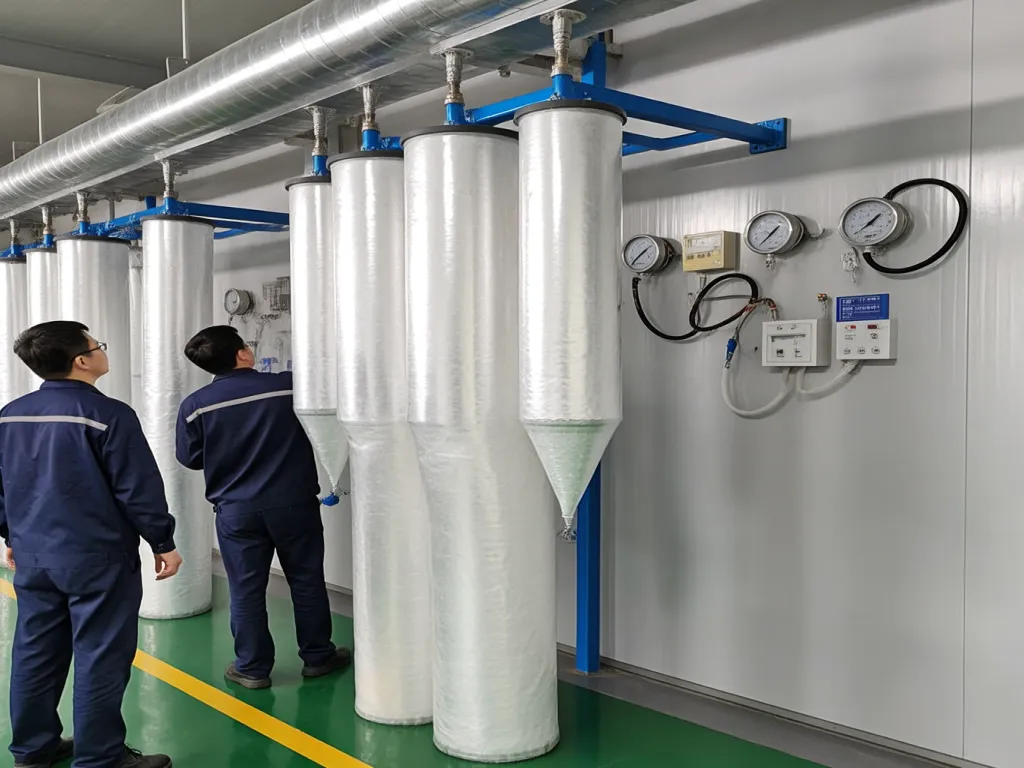
Material selection is half the battle – the other half is intelligent design. Traditional smooth-bore bags work fine for dry dusts, but sticky applications demand more sophisticated solutions. Pleated bags are a game-changer in this space. By increasing surface area without enlarging the bag’s footprint, they provide more dust-holding capacity while maintaining efficient airflow. For highly adhesive dusts, look for bags with reinforced seams and cuffs. These weak points are where dust tends to accumulate and harden, creating leaks and reducing bag life. Some manufacturers now offer seamless construction techniques that eliminate these vulnerability points entirely. Shape matters more than you might think. Cylindrical bags with smooth transitions between sections reduce ‘dust pockets’ where buildup can occur. Advanced designs incorporate slight tapers that encourage dust to slide off during pulse cleaning, rather than accumulating at the bottom. Here’s a pro tip: consider bags with integrated support cages that maintain their shape during operation. Flaccid bags allow dust to settle in creases, creating hard-to-clean areas. Rigid cages keep bags taut, ensuring even airflow and preventing dust accumulation.
Maintenance Strategies: Beyond Just Changing Bags
The most advanced filtration bags for dust collector will underperform without proper maintenance. Sticky dusts create hard crusts over time, so your maintenance strategy needs to be proactive rather than reactive. Start with your pulse cleaning system. Many facilities make the mistake of using standard settings for all dust types. For sticky applications, you’ll need: 1) Shorter pulse intervals (more frequent but gentler cleaning prevents buildup from hardening), 2) Higher pressure differentials (to dislodge stubborn particles without damaging bags), 3) Dry, oil-free compressed air (moisture and oil create their own sticky messes). But don’t rely solely on automation. Implement a visual inspection program that looks for: 1) Uneven dust loading (indicates cleaning system issues), 2) Hardened crusts forming on bag surfaces, 3) Any signs of bag abrasion or damage. Here’s where many operations drop the ball: they wait for pressure drops to signal problems. By then, you’re already operating at reduced efficiency. Instead, establish baseline pressure readings for your specific dust type and monitor for gradual increases. A 10% rise over baseline often indicates the early stages of clogging. Finally, train your maintenance crew on the specific challenges of sticky dust. They should understand: 1) How to properly handle and store anti-adhesive bags (contamination from oils or chemicals can ruin their properties), 2) The importance of gentle cleaning during bag changes (rough handling can damage coatings), 3) How to identify early signs of coating degradation (reduced cleanability often precedes visible damage).
Choosing the right filtration bags for dust collector systems isn’t a one-size-fits-all task—it’s a strategic move to boost efficiency, slash costs, and extend equipment life. By aligning your filter’s material, pore size, and design with your dust’s properties, you’ll sidestep common pitfalls like clogging, moisture damage, and premature wear. Whether you’re tackling fine particles, sticky residues, or humid conditions, this guide equips you to make informed decisions. Ready to upgrade your system? Dive deeper into our tailored recommendations and share your success stories—or challenges—below. What dust type are you tackling next?