
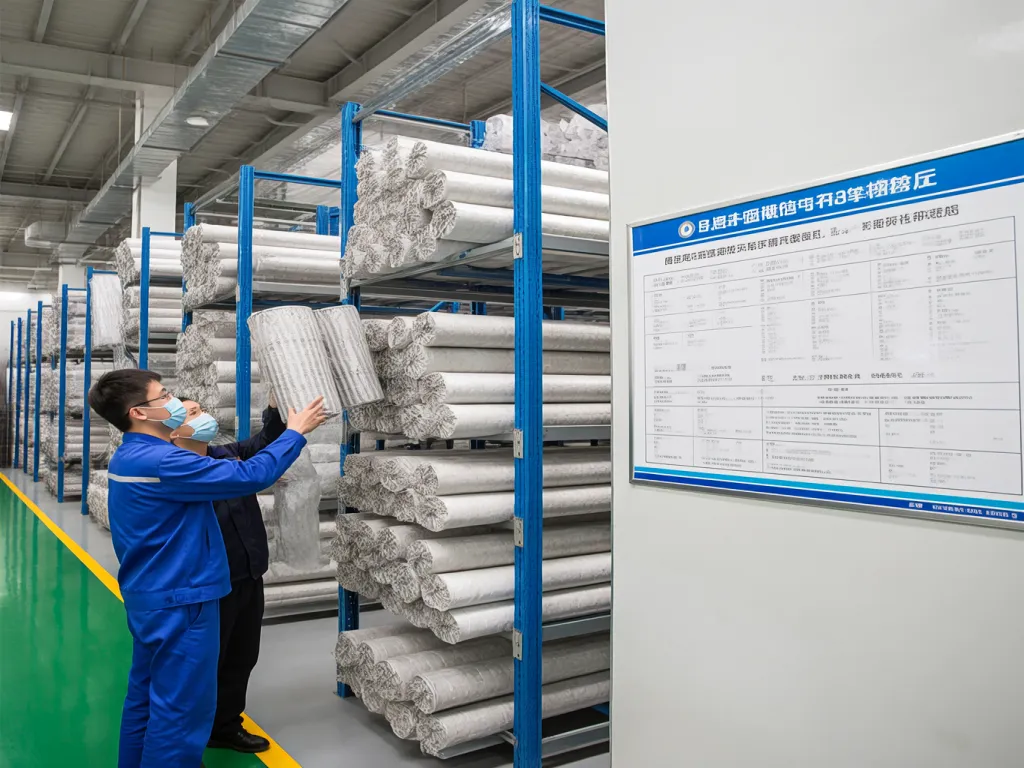
Navigating the world of industrial filtration can be tricky, especially when you’re trying to match the right filter bag to your specific industrial needs. That’s where understanding the industrial filter bag HS code becomes invaluable. Whether you’re in the chemical, power, or cement industry, knowing the HS code can simplify your search for the perfect filter bag. But how exactly do you use these codes to your advantage? Let’s dive in and find out.
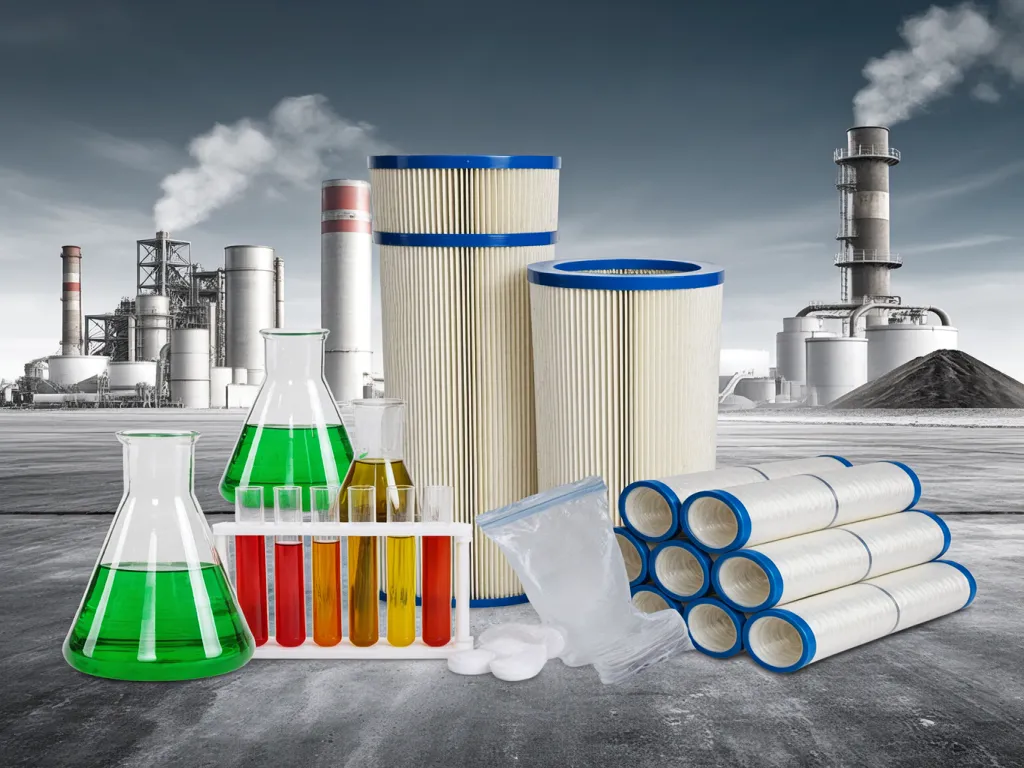
Industrial Filter Bag HS Code: Material, Precision, and Scenario Adaptation Guide
When it comes to industrial filtration, the choice of filter bag material and filtration precision is far from arbitrary. Different industrial scenarios, such as chemical processing, power generation, and cement production, each have unique requirements that directly impact the performance and longevity of filter bags. Let’s dive into how these factors interplay, using HS codes as our guide to find the perfect fit for your needs.
First up, the chemical industry. Here, the environment is often harsh, with corrosive gases and liquids being the norm. For such scenarios, polyester (HS code: 5911.90) filter bags are a popular choice. Why? Because polyester offers excellent chemical resistance, maintaining its structural integrity even when exposed to a wide range of chemicals. But what if your chemical process involves high temperatures? That’s where glass fiber (HS code: 7019.90) filter bags come into play. Their high-temperature tolerance makes them ideal for capturing fine particulates in hot gas streams, ensuring your filtration system operates efficiently without the risk of material degradation.
Moving on to the power sector, specifically coal-fired power plants. The challenge here is twofold: high temperatures and abrasive particulates. Polypropylene (HS code: 5911.30) filter bags, with their good chemical resistance and moderate temperature tolerance, can handle the abrasive nature of coal dust. However, for even higher temperatures and more demanding filtration needs, glass fiber or PTFE (Polytetrafluoroethylene, though not directly mentioned in HS codes for simplicity, often falls under similar categories) coated filter bags are preferred. Their enhanced durability and heat resistance ensure long-term reliability in these harsh conditions.
Now, let’s talk about the cement industry. Cement production generates a significant amount of dust, which is not only abrasive but also varies in particle size. For coarse dust filtration, polyester filter bags are sufficient, offering a balance between cost and performance. But when it comes to fine dust, such as that produced during cement grinding, higher filtration precision is required. This is where glass fiber filter bags shine. Their ability to capture even the smallest particles ensures that the air emitted from the cement plant is clean, meeting environmental regulations and protecting worker health.
But how do you find the right HS code for your specific needs? It’s simple. Start by identifying the material and filtration precision required for your industrial scenario. Then, use the HS code database to locate the corresponding code. This code not only helps in importing or exporting the filter bags but also serves as a quick reference to ensure you’re getting the right product for your application.
Remember, choosing the right filter bag material and filtration precision is not just about compliance; it’s about optimizing your filtration system for maximum efficiency and cost-effectiveness. By understanding the unique requirements of your industrial scenario and using HS codes as a guide, you can make informed decisions that will benefit your operation in the long run.
Chemical Industry: Corrosion Resistance is Key
In the chemical industry, the choice of filter bag material is crucial due to the corrosive nature of many chemicals. Polyester filter bags, with their excellent chemical resistance, are a go-to option. But when temperatures soar, glass fiber filter bags offer the added benefit of high-temperature tolerance, ensuring your filtration system remains effective even in the most challenging conditions.
Power Sector: Handling High Temperatures and Abrasives
Power plants, especially coal-fired ones, face the dual challenge of high temperatures and abrasive particulates. Polypropylene filter bags are a cost-effective solution for handling coal dust, while glass fiber or PTFE-coated filter bags are preferred for their enhanced durability and heat resistance in more demanding scenarios.
Cement Industry: Balancing Cost and Performance
Cement production generates dust of varying particle sizes. Polyester filter bags are suitable for coarse dust, offering a balance between cost and performance. For fine dust, glass fiber filter bags provide the necessary filtration precision to ensure clean air emissions and regulatory compliance.
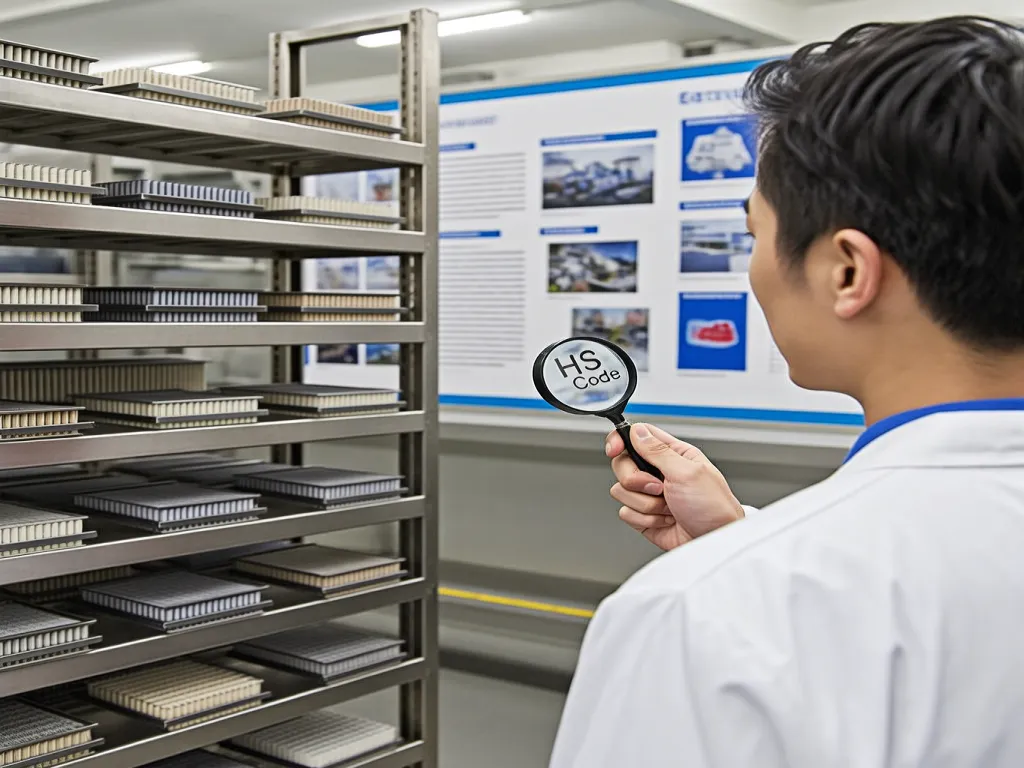
The Impact of Filtration Precision on Industrial Filtration Efficiency & How to Find the Right Filter Bags via HS Codes
When it comes to industrial filtration, the stakes are high. You’re not just dealing with dust or debris; you’re handling substances that can affect product quality, equipment longevity, and even worker safety. That’s why understanding the impact of filtration precision is crucial. But how do you ensure you’re getting the right filter bag for your specific needs? Enter the HS code system, a global standard for classifying traded products that can be your secret weapon in finding the perfect industrial filter bag.
Let’s break down filtration precision first. In industrial settings, filtration precision refers to the size of particles a filter bag can effectively capture. This is measured in microns (µm), with smaller numbers indicating higher precision. For instance, a 1-micron filter bag will trap much finer particles than a 10-micron one. But why does this matter? Well, imagine you’re in the pharmaceutical industry. You need to ensure that no contaminants, no matter how small, make it into your final product. A high-precision filter bag is non-negotiable here. On the other hand, if you’re in the cement industry, dealing with larger particles, a lower-precision filter might suffice and even be more cost-effective.
Now, how do HS codes come into play? Each industrial filter bag has a specific HS code that categorizes it based on material, design, and filtration capabilities. For example, polyester filter bags might fall under one HS code, while glass fiber bags have another. These codes are standardized internationally, making it easier for you to search for and compare products across different suppliers and regions.
Let’s say you’re looking for a high-precision filter bag for your chemical processing plant. You know you need something that can capture particles as small as 2 microns. Instead of sifting through countless product descriptions, you can use the HS code system to narrow down your search. By inputting the relevant HS code for high-precision polyester filter bags (or whatever material suits your needs), you can quickly find suppliers who offer exactly what you’re looking for.
But how do you know which HS code to use? That’s where understanding your industrial scenario comes in. Different industries have different filtration needs. The power industry, for example, might prioritize durability and heat resistance, while the food and beverage industry focuses on hygiene and non-toxicity. By knowing your industry’s specific requirements, you can better match them with the appropriate HS code and, consequently, the right filter bag.
Navigating HS Codes for Optimal Filtration
Navigating the HS code system might seem daunting at first, but it’s quite straightforward once you get the hang of it. Start by identifying the key characteristics of your ideal filter bag: material, filtration precision, and any special features like anti-static properties or flame resistance. Then, use these criteria to search for the corresponding HS codes. Many online databases and trade platforms allow you to filter products by HS code, making the process even more efficient. For instance, if you’re in the automotive industry and need a filter bag that can handle both fine dust and larger debris, you might look for an HS code that covers multi-layer filter bags made from a combination of materials like polyester and glass fiber. This way, you’re not just getting a bag that fits your size requirements but also one that’s built to withstand the specific challenges of your industrial environment.
Case Study: Matching Filtration Needs with HS Codes
Let’s consider a real-world example. A mid-sized steel manufacturing plant was facing issues with dust emissions, affecting both air quality and product quality. They needed a filter bag that could capture fine iron oxide particles without clogging frequently. After assessing their needs, they determined they required a high-precision, durable filter bag, likely made from a combination of polyester and aramid fibers.
Using the HS code system, they quickly identified several suppliers offering filter bags that matched their specifications. By comparing prices, lead times, and customer reviews, they selected a supplier whose product not only met their filtration needs but also offered a competitive price and reliable delivery. This case highlights the power of combining industry knowledge with the HS code system. By understanding their specific filtration requirements and leveraging HS codes to find suitable products, the steel plant was able to solve their dust emission problem efficiently and cost-effectively.

Real-World Success Stories: Applying Industrial Filter Bag HS Codes for Efficiency and Savings
Choosing the right industrial filter bag isn’t just about picking a product off the shelf—it’s a strategic decision that can significantly impact your operational efficiency and bottom line. By leveraging the HS code system, businesses can navigate the complexities of filter bag selection with precision. Let’s dive into some real-world examples where understanding industrial filter bag HS codes made all the difference. Imagine a chemical processing plant facing persistent issues with filter bag longevity and filtration efficiency. The plant was using generic polyester filter bags (HS code: 5911.90), which, while cost-effective initially, were not withstanding the corrosive environment. The frequent replacements were driving up costs and causing production downtime. By analyzing their specific needs—high chemical resistance and durability—the plant switched to PTFE-coated glass fiber filter bags (HS code: 7019.90). This change not only extended the filter bag lifespan by threefold but also improved filtration efficiency, leading to cleaner product outputs and reduced waste. The initial investment in higher-quality bags paid off handsomely in long-term savings. Another case involves a cement manufacturing facility struggling with dust emissions. Their existing polypropylene filter bags (HS code: 5911.90) were clogging frequently, leading to increased pressure drops and energy consumption. The solution? Switching to high-efficiency, fine-micron nomex filter bags (HS code: 6815.99). These bags offered superior dust collection capabilities, reducing emissions to below regulatory limits and cutting energy costs by 15%. The facility’s environmental compliance improved, and so did its reputation among eco-conscious customers. In the power generation sector, a coal-fired plant was grappling with fly ash filtration. Their conventional polyester bags were ineffective, allowing too much particulate matter to pass through. The plant adopted a phased approach, first testing small batches of PPS (polyphenylene sulfide) filter bags (HS code: 6815.99) known for their high-temperature resistance and chemical stability. The results were impressive: a 90% reduction in particulate emissions and a significant drop in maintenance costs due to fewer bag replacements. Encouraged by these outcomes, the plant fully transitioned to PPS bags, achieving optimal performance and compliance with stringent air quality standards. What do these cases have in common? They all demonstrate the power of aligning filter bag selection with specific industrial requirements and leveraging HS codes for informed purchasing. By understanding the nuances of each material’s properties and how they interact with different process conditions, businesses can avoid costly trial-and-error approaches. Moreover, the HS code system serves as a valuable tool for cross-referencing product specifications with international standards, ensuring compatibility and quality. It simplifies the procurement process, enabling buyers to quickly identify and source the right filter bags from global suppliers. But don’t just take our word for it. Consider the feedback from engineers and procurement managers who’ve made the switch. ‘The difference in performance was night and day,’ says one power plant engineer. ‘Our emissions dropped, and we haven’t looked back since.’ Adds a chemical plant manager, ‘Investing in better-quality bags upfront saved us thousands in the long run.’ So, how can you replicate these successes in your own operations? Start by conducting a thorough assessment of your filtration needs. What are the specific challenges you’re facing? Are you dealing with corrosive chemicals, high temperatures, or fine particulates? Next, use the HS code system to research filter bag options that match your criteria. Look for products with proven track records in similar industrial settings, such as high-performance industrial dust collector filter bags. Don’t hesitate to reach out to suppliers for technical data sheets and case studies. Finally, consider conducting a pilot test before full-scale implementation. This allows you to evaluate performance under real-world conditions and make adjustments as needed. Remember, the goal is not just to buy a filter bag but to invest in a solution that enhances your operational efficiency and sustainability.
Case Study 1: Chemical Processing Plant
In a chemical processing plant, the initial use of generic polyester filter bags (HS code: 5911.90) led to frequent replacements due to corrosion. By switching to PTFE-coated glass fiber filter bags (HS code: 7019.90), the plant achieved a threefold increase in filter bag lifespan and improved filtration efficiency, resulting in cleaner product outputs and reduced waste.
Case Study 2: Cement Manufacturing Facility
A cement manufacturing facility faced issues with dust emissions using polypropylene filter bags (HS code: 5911.90). The adoption of high-efficiency, fine-micron nomex filter bags (HS code: 6815.99) reduced emissions below regulatory limits and cut energy costs by 15%, enhancing environmental compliance and customer reputation.
Case Study 3: Coal-Fired Power Plant
A coal-fired power plant struggled with fly ash filtration using conventional polyester bags. By testing and then fully adopting PPS (polyphenylene sulfide) filter bags (HS code: 6815.99), the plant achieved a 90% reduction in particulate emissions and significant maintenance cost savings, meeting stringent air quality standards. For those seeking similar high-performance solutions, exploring options like durable industrial bag filters could provide valuable insights.
Choosing the right industrial filter bag, guided by its HS code, is pivotal for efficient and cost-effective filtration. By grasping the nuances of industrial filter bag HS codes and their corresponding material and precision requirements, you’re equipped to make informed decisions tailored to your industrial setting. Ready to elevate your filtration game? Start by exploring the HS codes relevant to your industry and witness the transformation in your filtration efficiency. The journey to optimal industrial filtration begins now – what filter bag will you choose next?