
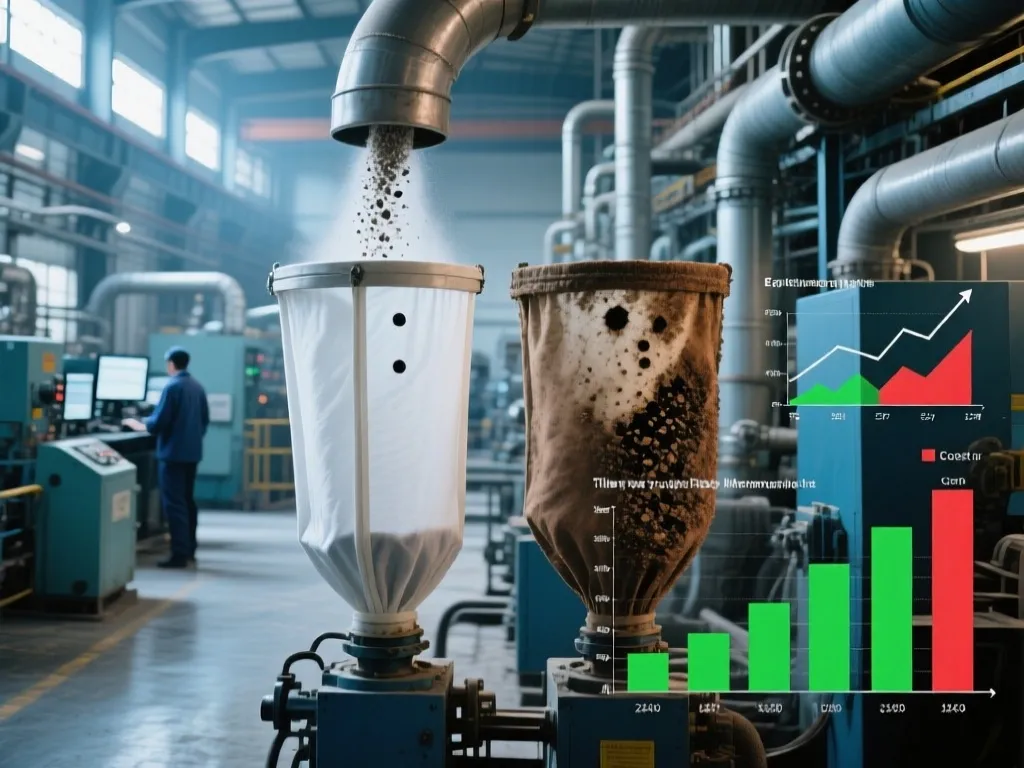
Ever wondered why your once-efficient filter bags seem to be struggling to keep up with the demands of your industrial processes? You’re not alone. The question ‘Why do filter bags lose efficiency over time?’ is a common concern among professionals in the industrial filtration sector. From subtle changes in material properties to the relentless buildup of particulate matter, several factors contribute to this decline. But what exactly are these factors, and how can you mitigate their impact? Let’s dive in and unravel the mysteries behind the diminishing performance of your filter bags.
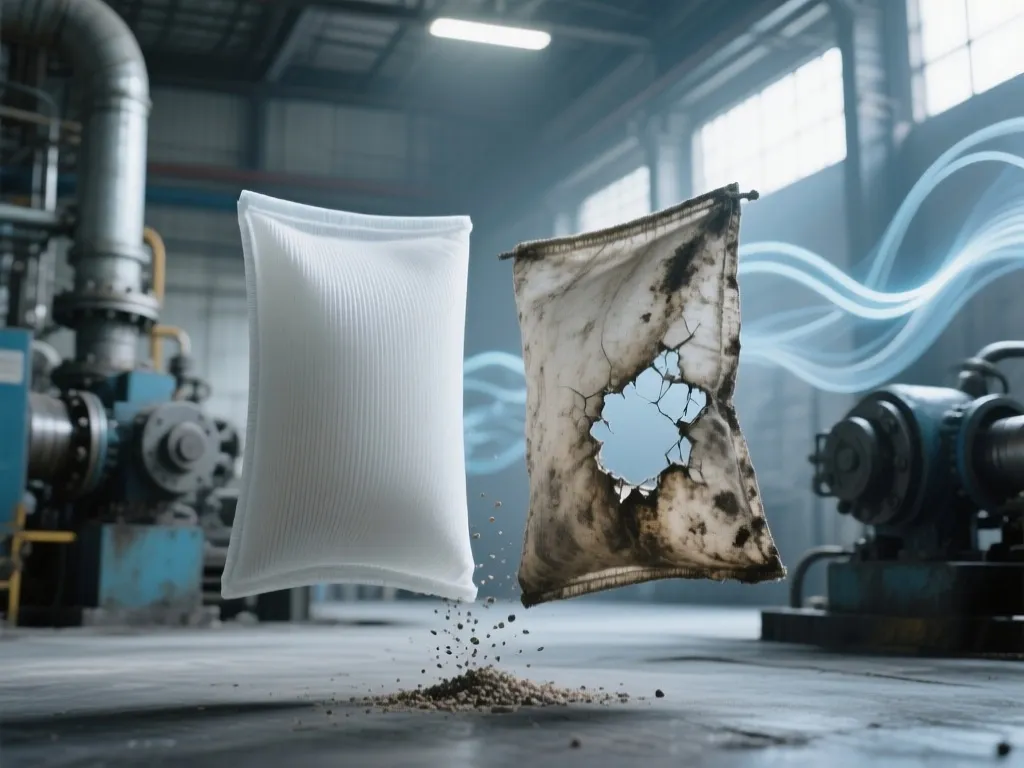
Material Aging: How Physical and Chemical Changes in Filter Bag Materials Over Time Lead to Declining Filtration Performance
Have you ever wondered why your once-efficient filter bags seem to lose their magic touch over time? It’s not just a coincidence; there’s a science behind it, and it’s all about material aging. Just like a well-loved book that starts to show signs of wear and tear after years of being flipped through, filter bags undergo physical and chemical changes that can significantly impact their filtration performance. Let’s dive into the nitty-gritty of how these changes occur and why they matter so much. First off, let’s talk about the physical changes. Imagine your filter bag as a super-fine net designed to catch all the unwanted particles in your industrial process. Over time, with constant exposure to high-velocity airflows and abrasive particles, this net starts to fray at the edges. The fibers that make up the filter bag can become thinner, weaker, and even break off. This means that the once-tight weave of the filter bag now has gaps, allowing smaller particles to slip through that it would have caught before. It’s like trying to catch fish with a net that has holes in it – not very effective, right? Now, onto the chemical changes. Filter bags are often made from materials that are resistant to certain chemicals and temperatures, but that doesn’t mean they’re invincible. Over time, exposure to harsh chemicals, whether they’re in the gas stream being filtered or in the cleaning agents used to maintain the filter bags, can cause the material to degrade. This degradation can manifest in several ways. For instance, the material might become brittle, losing its flexibility and ability to bounce back after being compressed during the filtration process. Or, it might undergo a chemical reaction that changes its molecular structure, making it less effective at capturing particles. Let’s not forget about the role of temperature in all of this. High temperatures can accelerate both physical and chemical aging processes. Just like how a plastic ruler left in the sun for too long becomes brittle and breaks easily, filter bags exposed to high temperatures can lose their structural integrity faster. This means that even if you’re using the same type of filter bag you’ve always used, if your process temperatures have increased, you might be seeing a faster decline in filtration performance. So, what does all this mean for you, the industrial filter user? Well, it means that understanding the aging process of your filter bags is crucial for maintaining optimal filtration performance. You need to be aware of the physical and chemical changes that can occur and take steps to mitigate them. This might involve choosing filter bags made from more durable materials, such as the woven fiberglass filter bags known for their high efficiency in dust collection, adjusting your process parameters to reduce exposure to harsh conditions, or implementing a more frequent maintenance and replacement schedule. But don’t just take my word for it. There have been numerous studies and industry reports that have documented the impact of material aging on filter bag performance. These resources can provide you with valuable insights into how different materials behave under various conditions and help you make more informed decisions about your filtration system. In the end, the key to preventing filter bag efficiency loss due to material aging is awareness and proactive management. By staying informed about the latest developments in filter bag technology and understanding the specific needs of your industrial process, you can ensure that your filtration system continues to operate at peak performance for years to come.
Physical Changes in Filter Bag Materials
The physical degradation of filter bag materials is a gradual but significant process. As mentioned earlier, the fibers can become thinner and weaker due to constant exposure to abrasive particles and high-velocity airflows. This thinning and weakening can lead to the formation of gaps in the filter bag’s structure, allowing smaller particles to pass through. Additionally, the fibers might also start to clump together, reducing the surface area available for filtration and further decreasing efficiency. It’s a bit like trying to clean your house with a vacuum cleaner that has a clogged filter – it just doesn’t work as well.
Chemical Changes and Their Impact
Chemical changes in filter bag materials can be just as detrimental, if not more so, than physical changes. Exposure to harsh chemicals can cause the material to break down at a molecular level, altering its properties and reducing its effectiveness. For example, some chemicals might react with the filter bag material to form new compounds that are less efficient at capturing particles. Others might cause the material to become more porous, allowing more particles to escape. It’s essential to understand the chemical compatibility of your filter bag material with the substances it will be exposed to in your industrial process.
The Role of Temperature in Material Aging
Temperature plays a crucial role in the aging process of filter bag materials. High temperatures can accelerate both physical and chemical degradation, leading to a faster decline in filtration performance. This is because heat can cause the material to expand and contract, weakening its structure over time. It can also increase the rate of chemical reactions, causing the material to break down more quickly. If your industrial process involves high temperatures, it’s essential to choose filter bags that are specifically designed to withstand these conditions and to monitor their performance closely for signs of aging.
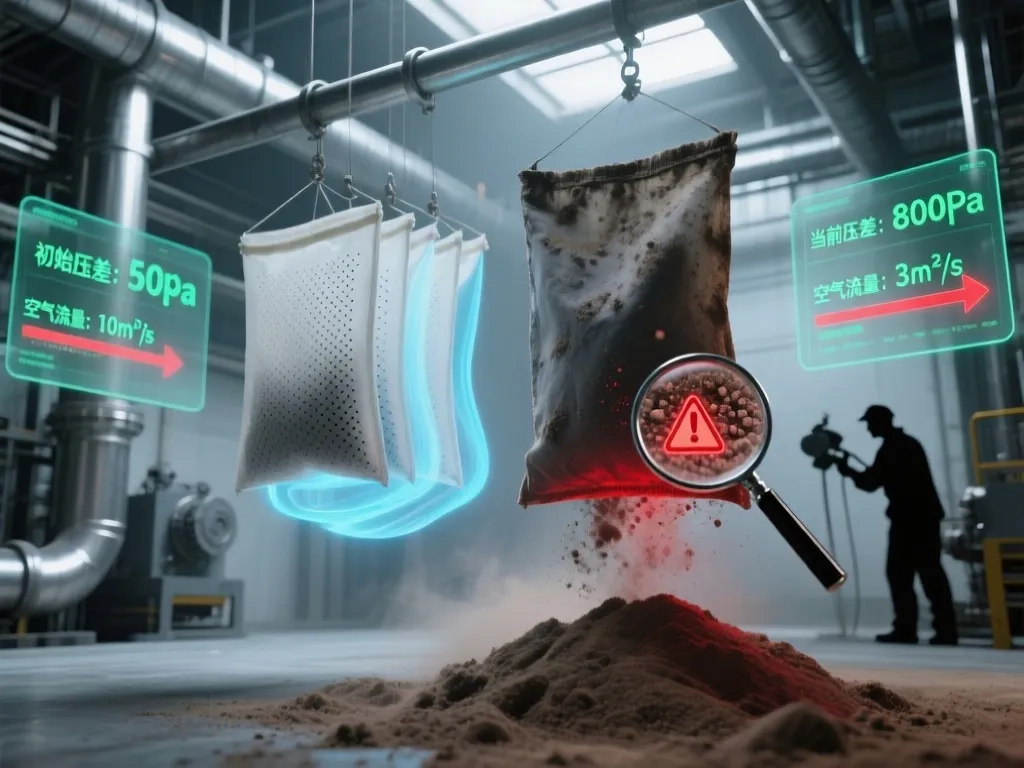
Dust Accumulation and Clogging: Analyzing the Process of Dust Buildup on Filter Bag Surfaces and How It Gradually Blocks Pores, Affecting Filtration Efficiency
Have you ever wondered why your filter bags, once the workhorses of your industrial filtration system, start to show signs of fatigue over time? One of the most common culprits is dust accumulation and clogging. Let’s dive deep into this phenomenon to understand how it unfolds and why it’s crucial to address it promptly. Imagine your filter bag as a sieve, designed to let air or gas pass through while trapping unwanted particles. Initially, when the filter bag is new, its pores are wide open, allowing for maximum airflow and efficient filtration. However, as time goes by, the story changes. Dust particles, carried by the air or gas stream, begin to settle on the surface of the filter bag. At first, this might seem harmless. After all, a little dust won’t hurt, right? Wrong. These particles, no matter how small, start to accumulate layer by layer, forming a dense cake on the filter bag’s surface. This cake acts as a barrier, reducing the effective pore size of the filter bag. As the layers thicken, the airflow through the filter bag becomes restricted. Think of it like trying to breathe through a straw while someone is pinching the other end. The harder you try, the more difficult it becomes. Similarly, the filtration system has to work harder to push air through the clogged filter bag, leading to increased energy consumption and reduced efficiency. But the trouble doesn’t stop there. As the dust cake builds up, it starts to penetrate deeper into the filter bag’s pores. This is where the real damage begins. The dust particles, now lodged within the pores, create a physical blockage that prevents air or gas from passing through freely. This not only reduces the filtration efficiency but also increases the pressure drop across the filter bag. A higher pressure drop means the filtration system has to exert more force to maintain the same airflow, further straining the system and potentially leading to premature failure. Moreover, the type of dust also plays a significant role in how quickly and severely the filter bag clogs. Fine, sticky dust particles, like those found in cement or pharmaceutical industries, tend to adhere more strongly to the filter bag’s surface and within its pores. This makes them harder to remove during cleaning cycles, leading to faster clogging and reduced filter bag lifespan. On the other hand, coarser dust particles, like those in metalworking or woodworking applications, might not clog the filter bag as quickly but can still cause significant wear and tear over time due to their abrasive nature. So, what can you do to prevent or mitigate dust accumulation and clogging in your filter bags? Regular maintenance is key. Implementing a scheduled cleaning program, using appropriate cleaning methods like pulse-jet or reverse-air cleaning, can help remove the dust cake and restore the filter bag’s efficiency. Additionally, selecting the right type of filter bag for your specific application is crucial. For instance, woven fiberglass filter bags are known for their high efficiency in dust collection and may be suitable for certain demanding applications. Consider factors like the dust type, particle size distribution, temperature, and humidity when choosing a filter bag material and design. By understanding the process of dust accumulation and clogging, you can take proactive steps to ensure your filter bags continue to perform at their best, keeping your industrial filtration system running smoothly and efficiently.
The Initial Stage: Dust Deposition
At the very beginning, dust particles start to settle on the filter bag’s surface. This deposition is influenced by various factors, including the velocity of the air or gas stream, the size and shape of the dust particles, and the surface properties of the filter bag. Some particles might bounce off the surface due to their high velocity or low adhesion properties, while others stick firmly, initiating the buildup process. It’s like the first few snowflakes landing on a sidewalk; initially, they don’t cause much of a problem, but as more and more accumulate, they start to create a layer that affects the surface’s functionality.
The Growth Phase: Dust Cake Formation
As more dust particles continue to deposit on the filter bag’s surface, they start to form a dense layer known as a dust cake. This cake grows in thickness over time, acting as a secondary filter medium. While it might seem like a good thing at first, as it can trap additional particles, the reality is that it significantly reduces the airflow through the filter bag. The dust cake also increases the pressure drop across the filter, making the filtration system work harder to maintain the desired airflow. It’s similar to adding more layers of clothing; initially, you might feel warm, but as the layers increase, you start to feel restricted and uncomfortable.
The Clogging Stage: Pore Blockage
The most critical stage is when the dust cake starts to penetrate the filter bag’s pores. Fine dust particles, in particular, can easily find their way into the pores and get lodged there. This creates a physical blockage that prevents air or gas from passing through freely, leading to a significant reduction in filtration efficiency. As the pores become more and more blocked, the pressure drop across the filter bag continues to rise, eventually reaching a point where the filtration system can no longer operate effectively. It’s like trying to drink a thick milkshake through a tiny straw; no matter how hard you suck, you just can’t get enough liquid through.

Chemical Corrosion and Environmental Factors: How They Accelerate Filter Bag Aging and Reduce Lifespan
When it comes to the efficiency decline of filter bags over time, chemical corrosion and environmental factors play a significant yet often underestimated role. Let’s delve into how these elements can wreak havoc on your filter bags, leading to premature aging and reduced performance. First off, chemical substances are a major culprit. In industrial settings, filter bags are constantly exposed to a variety of chemicals, from corrosive acids to alkaline solutions. These chemicals can react with the filter bag material, causing it to degrade rapidly. Humidity is another environmental factor that can’t be ignored. High humidity levels can create a moist environment around the filter bags, which is conducive to the growth of microorganisms like bacteria and fungi. Temperature fluctuations also have a profound impact on filter bag lifespan. Extreme temperatures, whether hot or cold, can cause the filter bag material to expand or contract. So, what can you do to mitigate these environmental factors and extend the lifespan of your filter bags? One approach is to select filter bag materials that are resistant to the specific chemicals present in your industrial environment. Additionally, controlling humidity levels in the filtration area can help prevent microbial growth and reduce the risk of moisture-related damage. As for temperature, ensuring that the filter bags are operating within their recommended temperature range is crucial. By understanding and addressing these environmental factors, you can significantly improve the longevity and efficiency of your filter bags, saving you time and money in the long run.
The Impact of Chemical Substances on Filter Bags
Chemical substances are a major culprit. In industrial settings, filter bags are constantly exposed to a variety of chemicals, from corrosive acids to alkaline solutions. These chemicals can react with the filter bag material, causing it to degrade rapidly. For instance, if you’re using a polyester filter bag in an environment where sulfuric acid is present, the acid can attack the polymer chains, breaking them down and weakening the fabric. This chemical attack not only reduces the structural integrity of the filter bag but also affects its filtration efficiency. Over time, the pores in the filter bag may become enlarged or distorted, allowing more particles to pass through, thus compromising the quality of the filtered product.
How Humidity Affects Filter Bag Performance
Humidity is another environmental factor that can’t be ignored. High humidity levels can create a moist environment around the filter bags, which is conducive to the growth of microorganisms like bacteria and fungi. These microorganisms can produce acidic byproducts that further corrode the filter bag material. Moreover, moisture can also cause the filter bag fibers to swell, leading to a decrease in pore size and an increase in pressure drop across the filter. This means your filtration system has to work harder to achieve the same level of filtration, putting additional strain on the filter bags and accelerating their wear and tear.
Temperature Fluctuations and Filter Bag Lifespan
Temperature fluctuations also have a profound impact on filter bag lifespan. Extreme temperatures, whether hot or cold, can cause the filter bag material to expand or contract. Over time, this repeated expansion and contraction can lead to material fatigue, making the filter bag more prone to tears and holes. For example, in a high-temperature application like a cement kiln, the filter bags are subjected to intense heat, which can cause the fibers to become brittle and break easily. On the other hand, in cold storage facilities or outdoor applications in freezing temperatures, the filter bags may become stiff and lose their flexibility, increasing the risk of damage during handling or operation.
Strategies to Mitigate Environmental Factors
So, what can you do to mitigate these environmental factors and extend the lifespan of your filter bags? One approach is to select filter bag materials that are resistant to the specific chemicals present in your industrial environment. For example, if you’re dealing with strong acids, consider using a PTFE (polytetrafluoroethylene) filter bag, which has excellent chemical resistance. Additionally, controlling humidity levels in the filtration area can help prevent microbial growth and reduce the risk of moisture-related damage. This can be achieved through proper ventilation and the use of dehumidifiers if necessary. As for temperature, ensuring that the filter bags are operating within their recommended temperature range is crucial. If your application involves extreme temperatures, look for filter bags that are specifically designed to withstand those conditions. By understanding and addressing these environmental factors, you can significantly improve the longevity and efficiency of your filter bags, saving you time and money in the long run.
Now that you’ve uncovered the reasons behind ‘Why do filter bags lose efficiency over time?’, it’s clear that proactive maintenance and timely replacements are key to keeping your industrial filtration system running smoothly. By understanding the role of material degradation, dust accumulation, and environmental factors, you can take steps to extend the lifespan of your filter bags and ensure consistent performance. Remember, a well-maintained filtration system is the backbone of efficient industrial operations. So, don’t wait until it’s too late – take action now to safeguard your processes and products. Curious about more ways to optimize your filtration setup? Stay tuned for our next deep dive into industrial filtration best practices!