
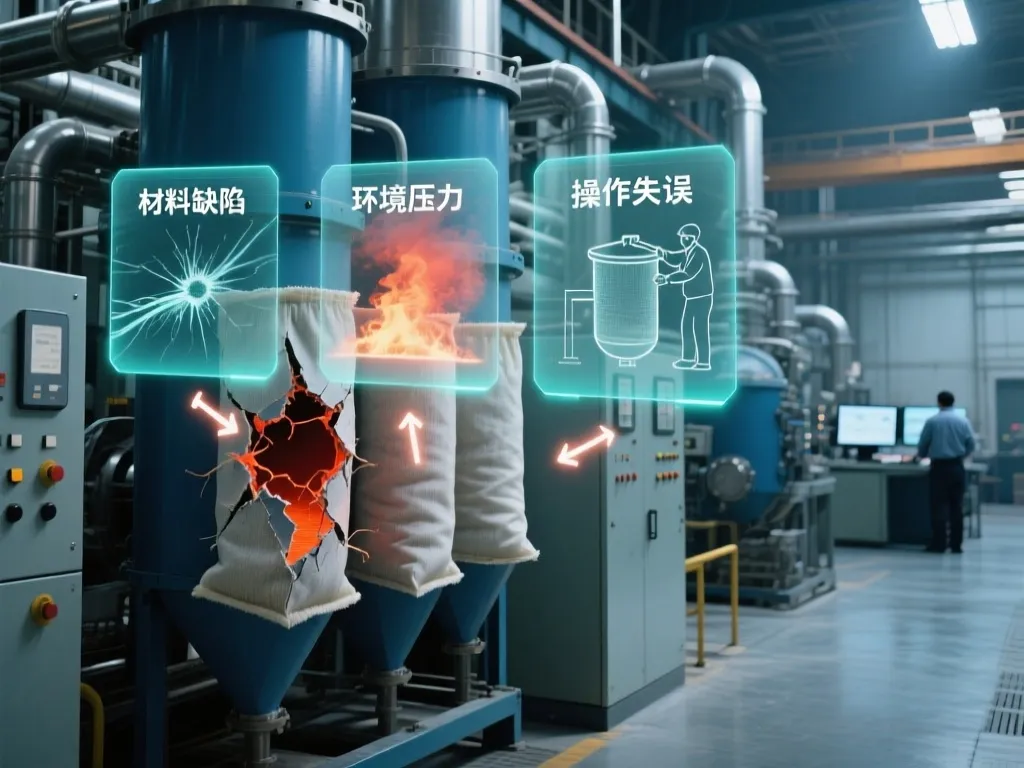
Industrial setting showing causes of filter bag failure: material defects, environmental stress, operational errors.

Imagine your industrial filtration system grinding to a halt unexpectedly—a nightmare scenario for any plant manager. The culprit? Often, it’s an untimely filter bag failure. But what really triggers these breakdowns? In this post, we’ll dive deep into What causes unexpected filter bag failure, exploring material flaws, harsh environments, and human errors that shorten their lifespan. By the end, you’ll have actionable insights to keep your filters—and your operations—running smoothly.

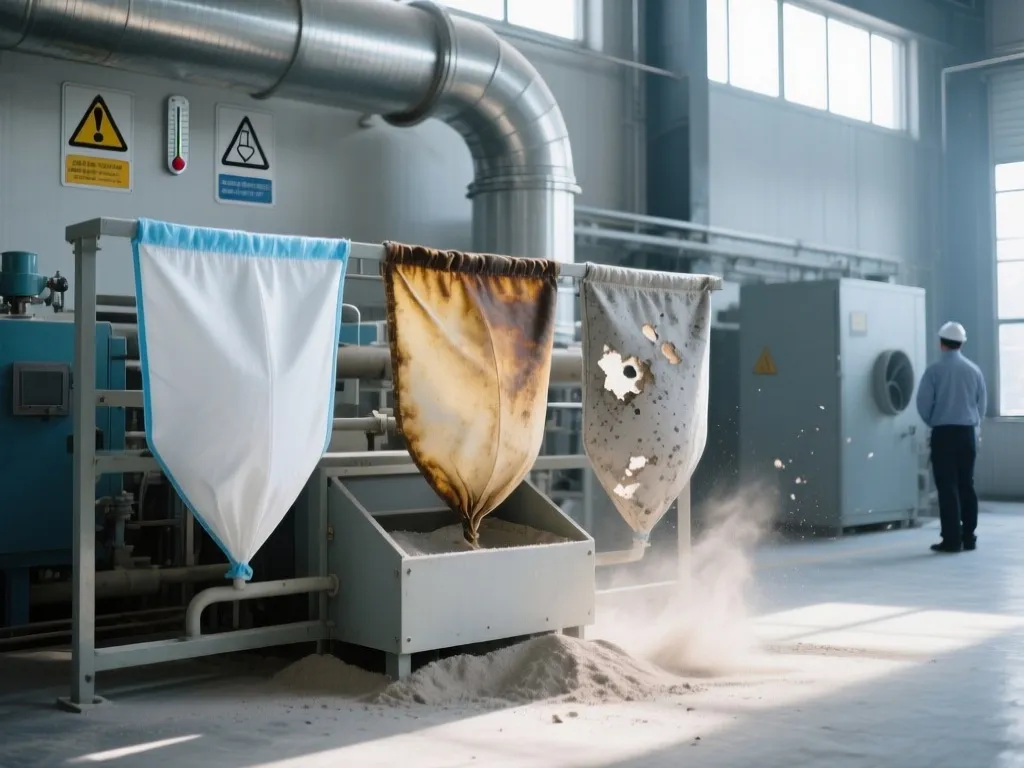
Damaged filter bags in an industrial environment, showing holes and wear.

Material Matters: How Poor Selection, Aging, and Wear Lead to Filter Bag Failure

When it comes to industrial filtration systems, the material of your filter bags isn’t just a detail—it’s the cornerstone of performance and longevity. You might be surprised to learn that a significant portion of unexpected filter bag failures stem directly from material-related issues. So, what exactly goes wrong when the material isn’t up to par? Let’s dive into the nitty-gritty of material selection, aging, and wear, and how these factors can spell disaster for your filtration process. First off, let’s talk about material selection. Imagine you’re choosing a pair of shoes for a marathon. You wouldn’t pick flip-flops, right? The same logic applies to filter bags. Each industrial application has its unique set of challenges—be it extreme temperatures, corrosive chemicals, or abrasive particles. Selecting a filter bag material that can’t withstand these conditions is like sending your shoes into battle without armor. For instance, if you’re dealing with high-temperature gases, a polyester filter bag might seem like a cost-effective choice initially. But did you know that polyester starts to degrade at temperatures above 130°C (266°F)? Opting for a material like PPS (polyphenylene sulfide) or PTFE (polytetrafluoroethylene), which can handle much higher temperatures, would be a wiser investment in the long run. Now, let’s shift gears to aging. Even the toughest materials aren’t immortal. Over time, exposure to harsh environments causes chemical and physical changes in the filter bag material, leading to a decline in performance. This process, known as aging, can manifest in various ways, such as reduced tensile strength, increased permeability, or even brittleness. Take, for example, a filter bag used in a cement plant. The constant bombardment of abrasive particles gradually wears down the fabric, making it more prone to tears and holes. Similarly, exposure to acidic gases can cause chemical degradation, weakening the material’s structure. Regular inspections and timely replacements are crucial to prevent catastrophic failures due to aging. Wear and tear is another common culprit behind filter bag failures. In industrial settings, filter bags are subjected to constant mechanical stress, whether it’s from vibration, abrasion, or repeated cleaning cycles. This relentless action can cause the material to fray, thin out, or develop holes, compromising the bag’s ability to capture particles effectively. Consider a filter bag in a dust collector system. Every time the system backwashes or pulses to clean the bags, the fabric undergoes rapid expansion and contraction. Over time, this cyclic stress can lead to fatigue failure, especially if the material isn’t designed to withstand such conditions. So, how do you ensure you’re choosing the right material for your specific application? The key lies in understanding your operational environment inside out. What are the temperature ranges? Are there any corrosive chemicals present? How abrasive are the particles you’re filtering? Answering these questions will guide you toward materials that offer the right balance of durability, chemical resistance, and thermal stability. For instance, if you’re dealing with highly corrosive environments, materials like Ryton or glass fiber might be your best bet, thanks to their excellent chemical resistance. On the other hand, for applications involving sticky or oily particles, a hydrophobic material like PTFE can prevent clogging and improve cleaning efficiency. In conclusion, the material of your filter bags plays a pivotal role in determining their lifespan and performance. By making informed choices based on your specific operational conditions, you can significantly reduce the risk of unexpected failures and ensure smooth, efficient filtration for years to come. Remember, a little bit of research and due diligence now can save you a lot of headaches (and money) down the line!

The Impact of Temperature on Material Choice

Temperature is a critical factor that often gets overlooked when selecting filter bag materials. As mentioned earlier, different materials have varying temperature thresholds. Exceeding these limits can cause the material to melt, deform, or lose its structural integrity, leading to premature failure. For example, a filter bag made of acrylic, which is suitable for temperatures up to 140°C (284°F), would be a poor choice for applications involving higher temperatures. Instead, materials like Nomex or P84, which can withstand temperatures up to 240°C (464°F) or even higher, would be more appropriate. Understanding the temperature range of your operation is essential to making the right material selection.

Chemical Resistance: A Non-Negotiable Factor

In many industrial processes, filter bags are exposed to a variety of chemicals, ranging from mild acids to strong bases. The chemical resistance of the material determines how well it can withstand these substances without degrading. For instance, if you’re filtering gases containing sulfuric acid, a material like polyester, which is susceptible to acid attack, would quickly deteriorate. On the other hand, materials like PTFE or PPS offer excellent chemical resistance, making them ideal for such harsh environments. Always consider the chemical composition of the substances you’ll be filtering when choosing a filter bag material.

Abrasion Resistance: The Key to Longevity

Abrasive particles can wreak havoc on filter bags, causing them to wear out prematurely. The abrasion resistance of the material is a measure of its ability to withstand the constant rubbing and scraping of these particles. Materials like polyester and acrylic have relatively low abrasion resistance, making them unsuitable for applications involving highly abrasive particles. In contrast, materials like aramid or basalt fiber offer superior abrasion resistance, ensuring longer service life even in the most demanding conditions. If your operation involves abrasive particles, prioritize materials with high abrasion resistance to avoid frequent replacements and downtime.

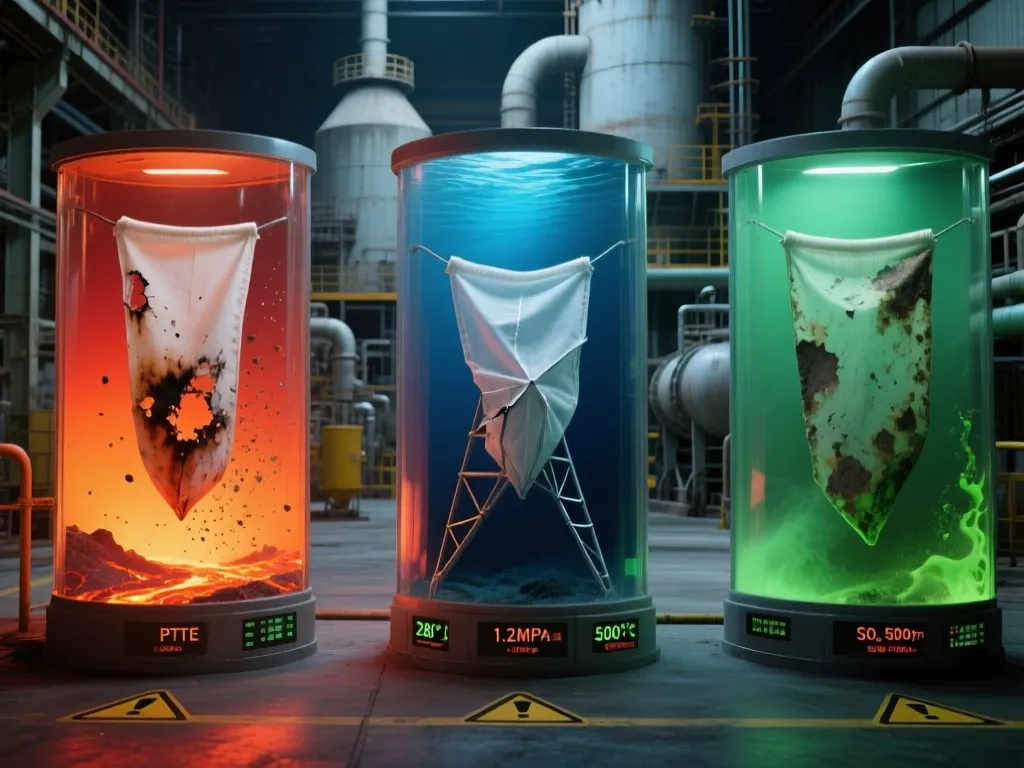
Filter bags in testing chambers under extreme conditions to analyze failure causes.

Environmental Factors: How High Temperature, High Pressure, and Corrosive Gases Impact Filter Bag Performance

When it comes to industrial filtration, the environment in which filter bags operate can be as crucial as the materials they’re made from. High temperature, high pressure, and corrosive gases are three of the most common and challenging environmental factors that can significantly impact the performance and lifespan of your filter bags. Let’s dive into each of these factors to understand how they affect filter bags and what you can do to mitigate their effects. High temperature environments are a common sight in many industrial processes, such as in cement plants, steel mills, and incinerators. When filter bags are exposed to temperatures beyond their design limits, several issues can arise. Firstly, the fibers in the filter bag can start to break down, leading to a loss of structural integrity. This breakdown can cause holes or tears in the bag, allowing particulate matter to escape and reducing filtration efficiency. Secondly, high temperatures can cause the filter bag material to become brittle, making it more susceptible to cracking and breaking under normal operating conditions. To combat these issues, it’s essential to select filter bags that are specifically designed to withstand high temperatures. Materials like PTFE (Polytetrafluoroethylene), PPS (Polyphenylene Sulfide), and glass fiber are known for their excellent thermal stability and can operate effectively at temperatures up to 260°C (500°F) or even higher, depending on the specific grade and construction. High pressure environments, on the other hand, can put excessive stress on filter bags, leading to premature failure. In systems where the pressure differential across the filter bag is high, the bag can be forced against the cage or support structure, causing abrasion and wear. Over time, this can lead to holes or thinning of the bag material, compromising its filtration capabilities. To reduce the impact of high pressure, consider using filter bags with reinforced seams and edges. These reinforcements can help distribute the stress more evenly across the bag, reducing the likelihood of localized wear and tear. Additionally, selecting a filter bag with a higher pressure rating can ensure that it can withstand the operating conditions without failing. Corrosive gases are another significant challenge in many industrial settings, particularly in chemical processing, power generation, and waste incineration. Gases like sulfur dioxide, hydrogen chloride, and chlorine can react with the filter bag material, causing chemical degradation and reducing its lifespan. The extent of the corrosion depends on the concentration of the corrosive gas, the temperature, and the duration of exposure. To protect against corrosive gases, it’s crucial to choose filter bags made from materials that are resistant to chemical attack. For example, PTFE is highly resistant to most chemicals, making it an excellent choice for corrosive environments. Other materials like P84 (Polyimide) and Ryton (Polyphenylene Sulfide) also offer good chemical resistance and can be suitable alternatives depending on the specific application. In addition to selecting the right materials, optimizing the operating environment can also help extend the lifespan of your filter bags. This includes maintaining proper temperature and pressure controls, ensuring adequate ventilation to reduce the concentration of corrosive gases, and implementing regular maintenance and inspection routines to identify and address issues before they lead to failure. By understanding the impact of high temperature, high pressure, and corrosive gases on filter bags, and taking proactive steps to mitigate these effects, you can significantly improve the performance and longevity of your industrial filtration system. So, the next time you’re selecting filter bags for your application, don’t just focus on the material – consider the environment too!

High Temperature: The Silent Killer of Filter Bags

High temperature environments are a common sight in many industrial processes, such as in cement plants, steel mills, and incinerators. When filter bags are exposed to temperatures beyond their design limits, several issues can arise. Firstly, the fibers in the filter bag can start to break down, leading to a loss of structural integrity. This breakdown can cause holes or tears in the bag, allowing particulate matter to escape and reducing filtration efficiency. Secondly, high temperatures can cause the filter bag material to become brittle, making it more susceptible to cracking and breaking under normal operating conditions. To combat these issues, it’s essential to select filter bags that are specifically designed to withstand high temperatures. Materials like PTFE, PPS, and glass fiber are known for their excellent thermal stability and can operate effectively at temperatures up to 260°C (500°F) or even higher, depending on the specific grade and construction.

High Pressure: The Stress Test for Filter Bags

High pressure environments, on the other hand, can put excessive stress on filter bags, leading to premature failure. In systems where the pressure differential across the filter bag is high, the bag can be forced against the cage or support structure, causing abrasion and wear. Over time, this can lead to holes or thinning of the bag material, compromising its filtration capabilities. To reduce the impact of high pressure, consider using filter bags with reinforced seams and edges. These reinforcements can help distribute the stress more evenly across the bag, reducing the likelihood of localized wear and tear. Additionally, selecting a filter bag with a higher pressure rating can ensure that it can withstand the operating conditions without failing.

Corrosive Gases: The Chemical Challenge for Filter Bags

Corrosive gases are another significant challenge in many industrial settings, particularly in chemical processing, power generation, and waste incineration. Gases like sulfur dioxide, hydrogen chloride, and chlorine can react with the filter bag material, causing chemical degradation and reducing its lifespan. The extent of the corrosion depends on the concentration of the corrosive gas, the temperature, and the duration of exposure. To protect against corrosive gases, it’s crucial to choose filter bags made from materials that are resistant to chemical attack. For example, PTFE is highly resistant to most chemicals, making it an excellent choice for corrosive environments. Other materials like P84 and Ryton also offer good chemical resistance and can be suitable alternatives depending on the specific application.

Optimizing the Operating Environment

In addition to selecting the right materials, optimizing the operating environment can also help extend the lifespan of your filter bags. This includes maintaining proper temperature and pressure controls, ensuring adequate ventilation to reduce the concentration of corrosive gases, and implementing regular maintenance and inspection routines to identify and address issues before they lead to failure. By taking these proactive steps, you can significantly improve the performance and longevity of your industrial filtration system.

Quality check process for filter bags to prevent unexpected failures.

Operation Mistakes: Common Errors in Installation, Maintenance, and Upkeep

When it comes to filter bag failure, improper operation during installation, maintenance, and regular upkeep is often a major culprit. Let’s delve into the common mistakes and how to avoid them to ensure your filter bags last as long as possible. Firstly, during installation, one of the most prevalent errors is incorrect positioning. Imagine trying to fit a square peg into a round hole – that’s what it’s like when a filter bag isn’t placed correctly in its housing. This misalignment can cause uneven stress distribution, leading to premature wear and tear. For instance, if the bag is not centered properly, the flow of the filtered material can be uneven, causing some parts of the bag to be exposed to more pressure than others. To prevent this, always follow the manufacturer’s instructions precisely. Use the provided alignment tools or markers to ensure the bag is in the right position. Another installation blunder is using the wrong type of fasteners or not tightening them sufficiently. Loose fasteners can allow the filter bag to move around, creating friction and potential damage. On the other hand, over-tightening can also be a problem, as it can distort the shape of the bag, affecting its filtration efficiency. Always use the recommended fasteners and tighten them to the specified torque. Moving on to maintenance, one of the biggest mistakes is neglecting regular inspections. Many operators assume that if the filter system is running, everything is fine. But this is a dangerous assumption. Small issues, like a tiny tear or a buildup of debris, can quickly escalate into major problems if left unchecked. Regular inspections, say once a week or as per the manufacturer’s recommendation, can help you spot these issues early. During inspections, check for signs of wear, such as thinning of the fabric, holes, or loose seams. Also, look for any blockages or clogs that could impede the flow of the filtered material. Another maintenance faux pas is using the wrong cleaning methods. Some operators might use harsh chemicals or high-pressure water jets to clean the filter bags, thinking it will get them spotless. However, this can actually damage the fabric, reducing its lifespan. Instead, use gentle cleaning agents recommended by the manufacturer and follow the proper cleaning procedures. For example, some filter bags can be cleaned by simply shaking them out or using a soft brush to remove debris. When it comes to upkeep, one common error is not replacing filter bags at the right time. Many operators wait until the bag is completely worn out or fails before replacing it. But this can lead to a host of problems, including reduced filtration efficiency, increased pressure drop, and even damage to other components of the filter system. To avoid this, keep track of the usage hours of your filter bags and replace them according to the manufacturer’s recommended lifespan. Also, consider the operating conditions. If your filter system is exposed to harsh environments or high levels of contaminants, you may need to replace the bags more frequently. By being aware of these common operation mistakes and taking steps to avoid them, you can significantly extend the life of your filter bags and ensure the smooth operation of your industrial filter system. So, are you ready to give your filter bags the care they deserve?

Installation Errors and Solutions

Incorrect positioning during installation is a major issue. It can lead to uneven stress and premature wear. Use alignment tools and follow instructions. Wrong fasteners or improper tightening can also cause problems. Loose fasteners allow movement, while over-tightening distorts the bag. Use recommended fasteners and tighten to the specified torque.

Maintenance Mistakes and Remedies

Neglecting regular inspections is a common maintenance mistake. Small issues can turn into big problems if left unchecked. Inspect weekly for wear, blockages, and clogs. Using harsh cleaning methods can damage the fabric. Use gentle cleaning agents and follow proper procedures.

Upkeep Blunders and Corrections

Not replacing filter bags at the right time is a significant upkeep error. Waiting until complete failure can reduce efficiency and damage other components. Track usage hours and replace according to the manufacturer’s recommendation. Consider harsh operating conditions for more frequent replacements.

Filter bag failures don’t have to be a mystery. By understanding What causes unexpected filter bag failure—whether it’s material mismatches, environmental stressors, or operational slip-ups—you can take proactive steps to extend their life and avoid costly downtime. Remember, every failure is a lesson in disguise. Share this guide with your team, bookmark it for troubleshooting, or explore our related resources to master industrial filtration. Ready to future-proof your system? Let’s get started!

Leave a Reply

Your email address will not be published. Required fields are marked *