

Durable filter sacks for industrial use in factory setting

In the world of industrial filtration, the quest for durability is unending. Whether you’re managing a chemical plant or overseeing a manufacturing process, the reliability of your filter sacks can make or break your operational efficiency. Enter the realm of durable filter sacks for industrial use—a game-changer for those seeking longevity and performance. But how do you choose the right one amidst a sea of options? This blog dives deep into the science of materials, comparing and contrasting to help you make an informed decision. Ready to transform your filtration setup?

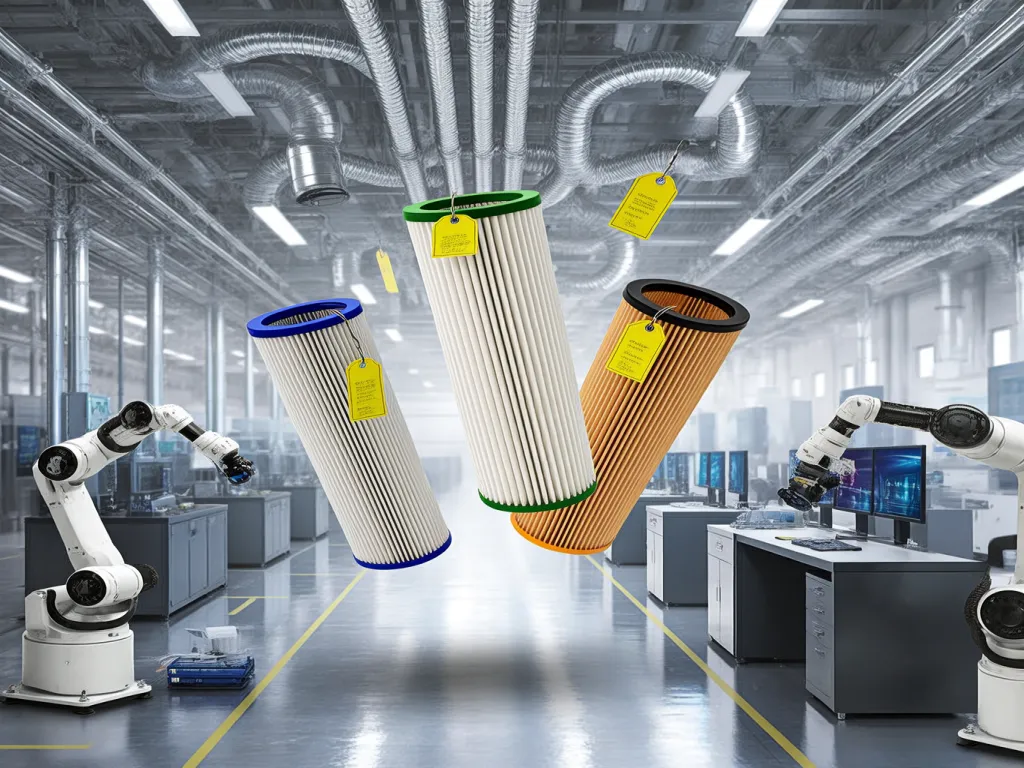
Display of durable filter sacks for industrial applications

Material Overview: Common Filter Sack Materials for Industrial Use

When it comes to selecting durable filter sacks for industrial use, understanding the different materials available is crucial. Each material has its own set of characteristics that make it suitable for specific applications. Let’s dive into the most common materials used in industrial filter sacks: polyester, polypropylene, and nylon.

Polyester is one of the most widely used materials for industrial filter sacks. Why? Well, for starters, polyester is known for its excellent strength-to-weight ratio. This means it can handle a significant amount of stress without tearing or breaking down. Polyester filter sacks are also highly resistant to abrasion, making them ideal for environments where the filter sack will come into contact with rough or abrasive materials. Additionally, polyester has good chemical resistance, which is a big plus in industries that deal with corrosive substances. It can withstand a wide range of temperatures, typically from -40°C to 120°C, making it versatile for various industrial settings. For high-efficiency filtration solutions that leverage polyester’s strengths, consider exploring our industrial bag filter.

Polypropylene is another popular choice for industrial filter sacks. One of the key advantages of polypropylene is its exceptional chemical resistance. It can handle a wide variety of chemicals, including acids, bases, and solvents, without degrading. This makes it a great option for industries like chemical processing or pharmaceuticals. Polypropylene is also hydrophobic, meaning it repels water. This property is beneficial in applications where moisture could affect the filtering process. However, polypropylene has a lower melting point compared to polyester, usually around 160-170°C, so it’s not the best choice for high-temperature environments. If you’re looking for a dust collection solution that capitalizes on polypropylene’s properties, check out our filter bag for dust collection.

Nylon is a material that often flies under the radar but offers some impressive features. Nylon filter sacks are incredibly strong and durable. They have a high tensile strength, which means they can withstand a lot of pulling force without stretching or breaking. Nylon is also resistant to abrasion and has good chemical resistance, although not as extensive as polypropylene. One of the unique characteristics of nylon is its ability to absorb moisture. While this might seem like a drawback, in some cases, it can be an advantage. For example, in applications where a certain level of moisture retention is needed, nylon can be a suitable choice. Nylon can typically handle temperatures up to around 150°C, making it suitable for a range of industrial processes. For high-performance industrial dust collector solutions that utilize nylon’s unique properties, explore our high-performance filter bags.

Now, you might be wondering, ‘How do I know which material is right for my specific industrial needs?’ That’s a great question! The choice of material depends on several factors. If your industry involves a lot of abrasive materials, polyester’s abrasion resistance makes it a top contender. For chemical-heavy environments, polypropylene’s chemical resistance is hard to beat. And if you need a filter sack with high tensile strength and some moisture absorption capabilities, nylon could be the way to go. Understanding these basic characteristics of each material will help you make an informed decision when selecting durable filter sacks for your industrial operations. For a comprehensive range of high-performance filtration solutions, visit our industrial bag filters page.

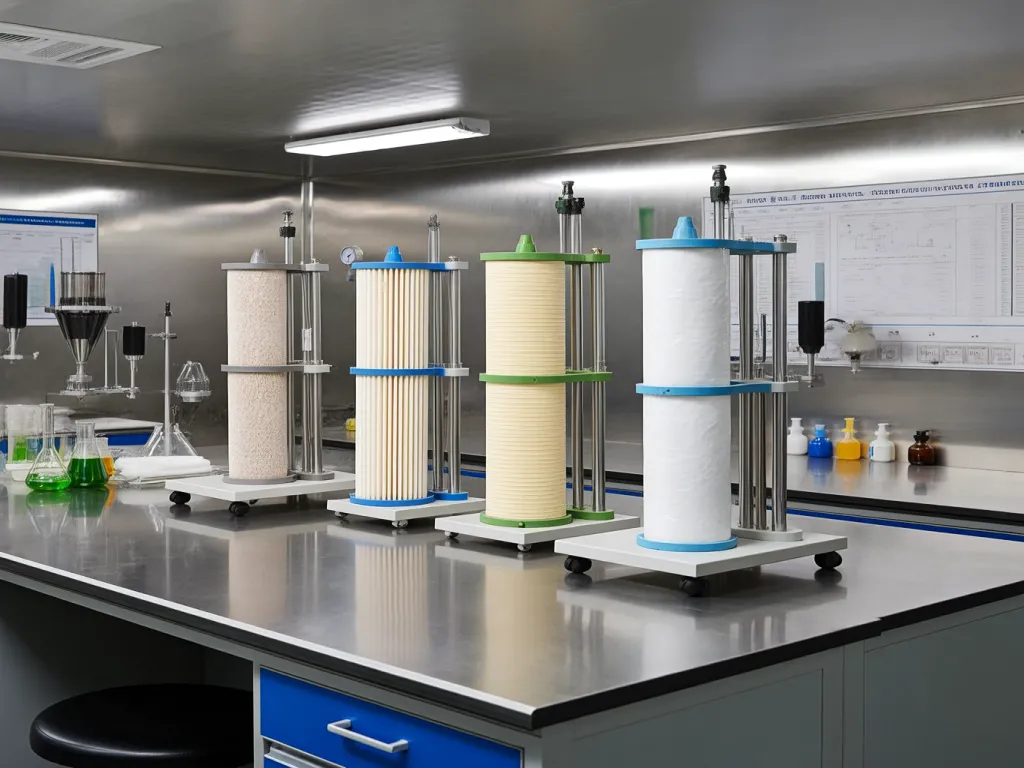
Testing setup for durable industrial filter sacks

Durable Filter Sacks Material Comparison: Performance in Wear, Corrosion, and Heat Resistance

When it comes to industrial filter sacks, durability isn’t just a nice-to-have—it’s a must. Imagine running a factory where your filtration system fails because the filter sack couldn’t handle the wear and tear, the corrosive chemicals, or the high temperatures. Not only would production halt, but you’d also face costly downtime and potential safety hazards. That’s why understanding how different materials perform in these areas is crucial. Let’s dive into the nitty-gritty of material durability, comparing polyester, polypropylene, and nylon through real-world experiments and case studies.

Wear Resistance: Polyester Leads the Pack

Wear resistance is a big deal in industrial settings. Polyester’s robust fibers resist abrasion like a champ. Think of it as the tough guy in a bar fight—it can take a lot of hits and keep going. In experiments, polyester filter sacks outlasted polypropylene and nylon by a significant margin. For more detailed insights into wear testing methodologies, you can refer to industry-standard abrasion test protocols such as those outlined by ASTM International. Polypropylene, while cheap, frays easily under constant friction, making it a poor choice for high-wear areas. Nylon is tougher but can stretch, which might throw off your filtration accuracy. So, if your equipment is constantly moving parts or handling abrasive materials, polyester is your go-to.

Corrosion Resistance: Polyester’s Chemical Fortitude

Chemicals are everywhere in industry, from cleaning agents to raw materials. Polyester’s chemical stability makes it resistant to most acids, alkalis, and solvents. It’s like having a shield against corrosion. Polypropylene can handle weaker chemicals but falters against stronger ones. Nylon’s resistance varies; it’s good against some but not all. A real-world example: A chemical plant switched to polyester after polypropylene sacks dissolved in a strong acid bath. The new sacks lasted years instead of months, saving thousands in replacement costs.

Heat Resistance: Polyester Stands the Heat

High temperatures can wreak havoc on materials. Polyester’s high melting point makes it ideal for hot processes. It’s like wearing a fireproof suit in a foundry. Polypropylene melts at lower temps, limiting its use. Nylon can handle moderate heat but degrades above 200°C. In a metal smelting operation, polyester sacks kept their shape and efficiency, while polypropylene ones sagged and clogged, reducing airflow and filtration. If your process involves heat, polyester is the way to go.

Installation of durable filter sacks in industrial environment

Selecting the Right Material: Practical Advice Based on Industrial Environment Needs

When it comes to choosing durable filter sacks for industrial use, understanding the specific demands of your working environment is crucial. The right material can mean the difference between a filter sack that lasts for years and one that fails prematurely. So, how do you navigate the maze of options? Let’s break it down based on key environmental factors.

First up, chemical properties. If your industrial process involves corrosive substances, you’ll want a material that can withstand chemical attacks without degrading. Polyester, for instance, offers excellent resistance to most acids and alkalis, making it a top choice for chemical processing plants. On the other hand, if you’re dealing with strong oxidizing agents, polypropylene might be a better fit due to its superior resistance to oxidation.

Temperature range is another critical consideration. In high-temperature environments, such as those found in metal smelting or glass manufacturing, you’ll need a filter sack material that can handle the heat without melting or losing structural integrity. Nylon, with its high melting point and excellent thermal stability, is often the go-to material in these scenarios. Conversely, if you’re working in cold storage facilities or handling cryogenic materials, you’ll want a material that remains flexible and doesn’t become brittle at low temperatures. Polyester, again, shows its versatility here, maintaining its flexibility even in freezing conditions.

But what about pressure? In high-pressure filtration systems, like those used in hydraulic fracturing or water treatment, the material needs to withstand significant force without bursting. This is where reinforced materials come into play. Filter sacks made from a combination of polyester and a strong weave pattern can provide the necessary strength and durability to handle high-pressure applications effectively.

Now, you might be wondering, ‘How do I know which material is best for my specific application?’ The answer lies in understanding the trade-offs between different materials. For example, while polyester excels in chemical resistance and temperature flexibility, it might not be the best choice for high-pressure applications where a reinforced structure is needed. Similarly, polypropylene’s oxidation resistance makes it ideal for certain chemical environments but less suitable for high-temperature settings.

So, what’s the takeaway? The key is to assess your industrial environment’s unique demands—chemical exposure, temperature extremes, pressure requirements—and then match those needs with the material properties of available filter sacks. By doing so, you’ll ensure that you’re investing in durable filter sacks for industrial use that can withstand the rigors of your specific application, providing reliable performance and longevity.

Choosing the right durable filter sacks for industrial use is more than just a purchase—it’s an investment in efficiency and reliability. By understanding the unique properties of materials like polyester, polypropylene, and nylon, and how they stand up to the rigors of your specific industrial environment, you’re well-equipped to make a choice that lasts. Remember, the right material can significantly extend the lifespan of your filter sacks, saving you time and money in the long run. So, why wait? Dive into our material comparison guide, apply these insights to your setup, and watch your filtration efficiency soar. Share your success stories or ask further questions in the comments below—let’s keep the conversation going!

Leave a Reply

Your email address will not be published. Required fields are marked *