
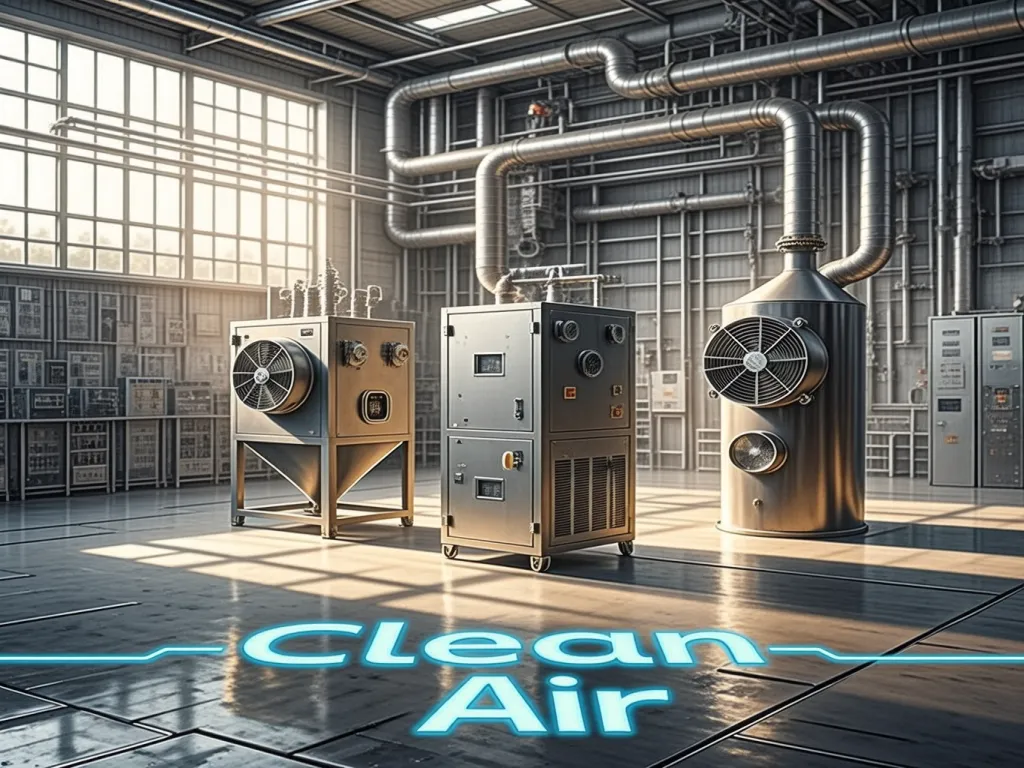
Dust emissions in industrial plants aren’t just an environmental headache—they can lead to regulatory fines, equipment damage, and even health risks for workers. If you’re a plant manager, supplier, or engineer, you’ve likely asked yourself: How to reduce dust emissions in industrial plants effectively? The answer isn’t one-size-fits-all. From bag filters to electrostatic precipitators and cyclone separators, each technology has its strengths and quirks. Let’s dive into a no-nonsense comparison to help you pick the right tool for your dusty dilemma.
Bag Filters: A Comprehensive Guide to Working Principles, Efficiency, and Applications
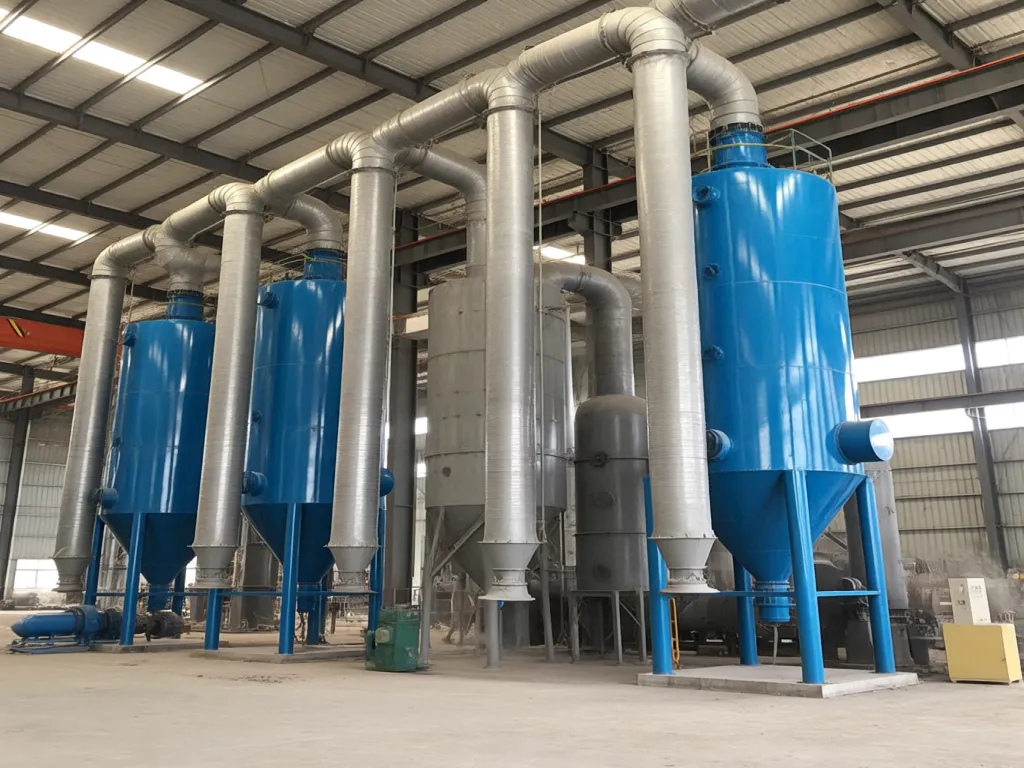
When it comes to reducing dust emissions in industrial plants, bag filters, also known as fabric filters or baghouses, stand out as a highly effective solution. But what exactly makes them so popular, and how do they stack up against other dust collection technologies? Let’s dive deep into the world of bag filters to understand their working principles, filtration efficiency, and suitability for various industrial scenarios.Bag filters operate on a relatively straightforward yet highly efficient principle: filtration through a fabric medium. The process begins when dust-laden air enters the baghouse and passes through a series of fabric bags. These bags, typically made from materials like polyester, fiberglass, or Nomex, act as physical barriers, trapping dust particles as the air flows through. The clean air then exits the baghouse, while the captured dust accumulates on the surface of the bags.Over time, as the dust layer builds up, the pressure drop across the bags increases, indicating that it’s time for cleaning. This is where the pulse-jet cleaning mechanism comes into play. Compressed air is periodically injected into the bags in short bursts, causing them to rapidly expand and contract. This action dislodges the accumulated dust, which then falls into a hopper at the bottom of the baghouse for collection and disposal.Now, let’s talk about filtration efficiency. Bag filters are renowned for their high efficiency in capturing a wide range of dust particles. Depending on the fabric material and design, they can achieve filtration efficiencies of up to 99.9% for particles as small as 0.5 microns. This makes them suitable for applications where fine dust control is critical, such as in pharmaceuticals, food processing, and electronics manufacturing.But what types of dust are bag filters best suited for? The answer lies in understanding the properties of the dust, particularly its particle size distribution and chemical composition. Bag filters excel at capturing dry, non-sticky dust particles with a wide range of sizes, from coarse to fine. They are particularly effective for dust with a median particle size (D50) between 1 and 100 microns. However, for extremely sticky or wet dust, or dust with a high moisture content, other technologies like wet scrubbers might be more appropriate.When it comes to particle size range, bag filters can handle a broad spectrum. They are capable of capturing both large, heavy particles that settle quickly and small, lightweight particles that remain suspended in the air for extended periods. This versatility makes them a go-to choice for many industrial applications, from cement plants and steel mills to power generation and chemical processing.For those specifically dealing with cement plants, an anti-static industrial pulse-jet baghouse can be an excellent choice for efficient dust collection.But like any technology, bag filters have their limitations. One of the main challenges is the potential for bag blinding or plugging, especially when dealing with very fine or sticky dust. This can reduce airflow and increase pressure drop, leading to decreased system performance and higher energy consumption. Regular maintenance, including bag replacement and cleaning, is essential to keep the system running smoothly.Another consideration is the space requirement. Bag filters typically require a larger footprint compared to some other dust collection technologies, such as electrostatic precipitators or cyclones. This can be a limiting factor in facilities with limited space or where retrofitting an existing system is necessary.Despite these limitations, the advantages of bag filters often outweigh the drawbacks, especially in applications where high filtration efficiency and versatility are paramount. Their ability to handle a wide range of dust types and particle sizes, combined with relatively low operating costs and ease of maintenance, makes them a popular choice for many industrial plants.So, how do you know if a bag filter is the right fit for your facility? Consider factors such as the type and size of dust generated, the required filtration efficiency, available space, and budget constraints. By carefully evaluating these aspects, you can make an informed decision that ensures optimal dust control and compliance with environmental regulations.
Working Principles of Bag Filters
Bag filters operate on a relatively straightforward yet highly efficient principle: filtration through a fabric medium. The process begins when dust-laden air enters the baghouse and passes through a series of fabric bags. These bags, typically made from materials like polyester, fiberglass, or Nomex, act as physical barriers, trapping dust particles as the air flows through. The clean air then exits the baghouse, while the captured dust accumulates on the surface of the bags.Over time, as the dust layer builds up, the pressure drop across the bags increases, indicating that it’s time for cleaning. This is where the pulse-jet cleaning mechanism comes into play. Compressed air is periodically injected into the bags in short bursts, causing them to rapidly expand and contract. This action dislodges the accumulated dust, which then falls into a hopper at the bottom of the baghouse for collection and disposal.
Filtration Efficiency and Particle Size Range
Bag filters are renowned for their high efficiency in capturing a wide range of dust particles. Depending on the fabric material and design, they can achieve filtration efficiencies of up to 99.9% for particles as small as 0.5 microns. This makes them suitable for applications where fine dust control is critical, such as in pharmaceuticals, food processing, and electronics manufacturing.When it comes to particle size range, bag filters can handle a broad spectrum. They are capable of capturing both large, heavy particles that settle quickly and small, lightweight particles that remain suspended in the air for extended periods. This versatility makes them a go-to choice for many industrial applications, from cement plants and steel mills to power generation and chemical processing.
Advantages and Limitations of Bag Filters
Despite their many advantages, bag filters have their limitations. One of the main challenges is the potential for bag blinding or plugging, especially when dealing with very fine or sticky dust. This can reduce airflow and increase pressure drop, leading to decreased system performance and higher energy consumption. Regular maintenance, including bag replacement and cleaning, is essential to keep the system running smoothly.Another consideration is the space requirement. Bag filters typically require a larger footprint compared to some other dust collection technologies, such as electrostatic precipitators or cyclones. This can be a limiting factor in facilities with limited space or where retrofitting an existing system is necessary.Despite these limitations, the advantages of bag filters often outweigh the drawbacks, especially in applications where high filtration efficiency and versatility are paramount. Their ability to handle a wide range of dust types and particle sizes, combined with relatively low operating costs and ease of maintenance, makes them a popular choice for many industrial plants.
Electrostatic Precipitators: Exploring Dust Removal Mechanisms, Energy Efficiency, Maintenance Costs, and Special Performance in High-Temperature and High-Humidity Dust Treatment
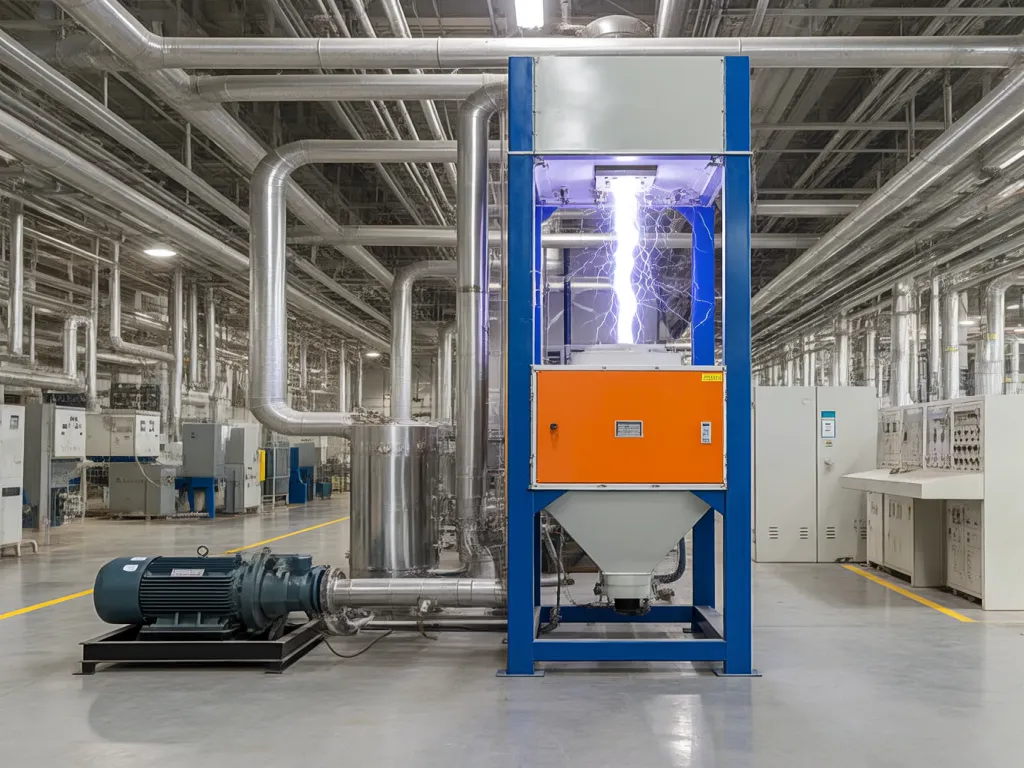
When it comes to reducing dust emissions in industrial plants, electrostatic precipitators (ESPs) are a force to be reckoned with. So, how exactly do they work their magic? Well, the core principle behind an ESP is electrostatic attraction. The dust-laden gas first enters the ESP through an inlet. Inside, there are a series of discharge electrodes and collection electrodes. A high-voltage direct current is applied between these electrodes, creating a strong electric field. As the gas passes through this field, the dust particles in the gas become charged. These charged particles are then attracted to the collection electrodes, which have an opposite charge. Once they stick to the electrodes, they gradually accumulate and form a dust layer. Periodically, the dust layer is removed from the electrodes, usually by rapping or shaking mechanisms, and falls into a hopper at the bottom of the ESP for collection and disposal.
Now, let’s talk about energy efficiency. ESPs are known for their relatively high energy efficiency compared to some other dust removal methods. The power consumption mainly comes from the high-voltage power supply that generates the electric field. However, once the electric field is established, the energy required to maintain it is relatively stable. In large-scale industrial applications, where a significant amount of dust needs to be removed continuously, the energy cost per unit of dust removed can be quite low. This makes ESPs an attractive option for industries with high dust production volumes, such as power plants and cement factories.
But what about maintenance costs? ESPs do require regular maintenance to ensure optimal performance. The main maintenance tasks include cleaning the collection electrodes to prevent excessive dust buildup, which can reduce the dust removal efficiency. The rapping or shaking mechanisms also need to be inspected and maintained to ensure they can effectively remove the dust layer from the electrodes. Additionally, the high-voltage power supply components need to be checked periodically for any signs of wear or damage. Although these maintenance tasks may seem complex, with proper planning and scheduling, they can be carried out efficiently, and the overall maintenance cost can be controlled within a reasonable range.
One of the most remarkable features of ESPs is their ability to handle high-temperature and high-humidity dust. In high-temperature environments, many other dust removal devices may struggle due to the risk of damage to their components or a decrease in performance. However, ESPs can operate effectively at temperatures up to several hundred degrees Celsius. The materials used in the construction of ESPs, such as special alloys for the electrodes, are designed to withstand high temperatures without significant deformation or degradation. When it comes to high-humidity dust, ESPs also have an edge. High humidity can cause some dust particles to stick together, forming larger and heavier aggregates. This can actually make it easier for the ESP to capture these particles, as they are more likely to be charged and attracted to the collection electrodes. Moreover, ESPs are less likely to be affected by moisture-related issues like clogging, which can be a common problem for some filter-based dust removal devices.
So, how do you know if an ESP is the right choice for your specific industrial environment? Well, consider the nature of the dust in your plant. If it’s fine, dry dust with a relatively high electrical conductivity, an ESP can be a great option. Also, if your plant generates a large amount of dust continuously and you need a cost-effective long-term solution, the energy efficiency and relatively low maintenance cost of ESPs make them a strong contender. And if you’re dealing with high-temperature or high-humidity dust, ESPs are definitely worth considering due to their special performance in these conditions.
Cyclone Separators: Unveiling Structural Features, Separation Efficiency, Pressure Drop Characteristics, and Their Value in Preliminary Dust Removal or Pretreatment Stages
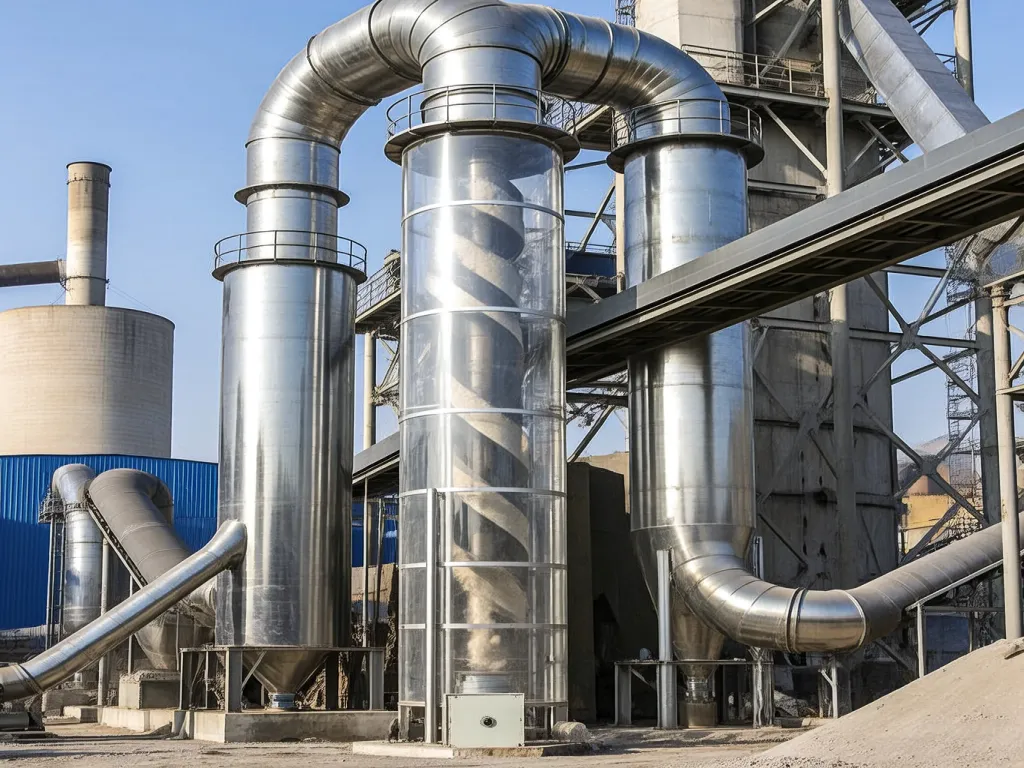
When it comes to industrial dust control, cyclone separators are a force to be reckoned with. These devices have been around for quite some time and have proven their worth in various industrial settings. So, what exactly makes cyclone separators stand out? Let’s start by taking a closer look at their structural features. A typical cyclone separator consists of a cylindrical upper section and a conical lower section. The dust-laden gas enters the separator tangentially at the top of the cylindrical part. This tangential entry creates a high-speed rotating vortex inside the separator. As the gas spins, the centrifugal force comes into play. Due to the difference in density between the dust particles and the gas, the dust particles are forced towards the outer wall of the cylinder. The heavier dust particles then slide down the conical section and are collected at the bottom, while the cleaner gas moves upwards and exits through an outlet at the top.
Now, let’s talk about separation efficiency. The separation efficiency of a cyclone separator is a crucial factor in determining its effectiveness in removing dust from industrial gases. Generally, cyclone separators can achieve separation efficiencies ranging from 70% to 90% for particles with a size of 5 – 20 micrometers. However, this efficiency can vary depending on several factors. One of the main factors is the particle size. Larger particles are more easily separated due to their greater mass and the stronger centrifugal force acting on them. On the other hand, smaller particles may require more sophisticated designs or additional pre-treatment steps to achieve high separation rates. Another factor affecting separation efficiency is the gas velocity. Higher gas velocities can increase the centrifugal force, which in turn can improve the separation of dust particles. But there’s a catch. Excessive gas velocities can also lead to increased pressure drop and energy consumption, which we’ll discuss in more detail shortly.
Speaking of pressure drop, it’s an important characteristic of cyclone separators that can’t be overlooked. The pressure drop across a cyclone separator is the difference in pressure between the inlet and the outlet of the device. It represents the energy required to move the gas through the separator. A higher pressure drop means more energy is needed to operate the separator, which can increase the overall cost of dust control. Several factors contribute to the pressure drop in a cyclone separator. The design of the separator, including the dimensions of the cylindrical and conical sections, the inlet and outlet sizes, and the shape of the vortex finder (the part that guides the clean gas out), all play a role. Additionally, the gas flow rate and the properties of the dust-laden gas, such as its density and viscosity, also affect the pressure drop.
So, how do cyclone separators fit into the overall dust control system in industrial plants? Well, they are often used as preliminary dust removal or pre-treatment devices. In many industrial processes, the dust-laden gas may contain a wide range of particle sizes. Using a cyclone separator first can remove the larger and heavier particles, reducing the load on downstream dust collection equipment like bag filters or electrostatic precipitators. This not only improves the overall efficiency of the dust control system but also extends the lifespan of the more expensive and complex downstream equipment. For example, in a cement plant, the raw materials are ground and mixed to produce cement clinker. During this process, a large amount of dust is generated. By installing a cyclone separator at the beginning of the dust collection system, the majority of the coarse dust can be removed. The remaining fine dust can then be captured more effectively by the bag filters, resulting in a cleaner exhaust gas and a more efficient operation.
Moreover, cyclone separators are relatively simple in design and easy to maintain. They have no moving parts, which means there are fewer components that can break down or require regular replacement. This makes them a cost-effective option for many industrial applications, especially those where downtime for maintenance needs to be minimized. In conclusion, cyclone separators offer a unique combination of structural simplicity, reasonable separation efficiency, and relatively low pressure drop characteristics. Their role as preliminary dust removal or pre-treatment devices in industrial dust control systems is invaluable. By understanding their structure, efficiency, and pressure drop, you can make an informed decision about whether a cyclone separator is the right choice for your industrial plant’s dust reduction needs.
Here’s the bottom line: How to reduce dust emissions in industrial plants depends on your unique mix of dust type, volume, space, and budget. Bag filters shine for fine particles but need frequent maintenance. Electrostatic precipitators handle high temps but come with a hefty price tag. Cyclone separators are budget-friendly for coarse dust but struggle with fines. Ready to cut through the dust? Compare specs, weigh pros and cons, and choose the filter that fits your plant like a glove. Share this guide with your team or explore our industrial filtration catalog for more tailored solutions—your cleaner, compliant future starts now.