
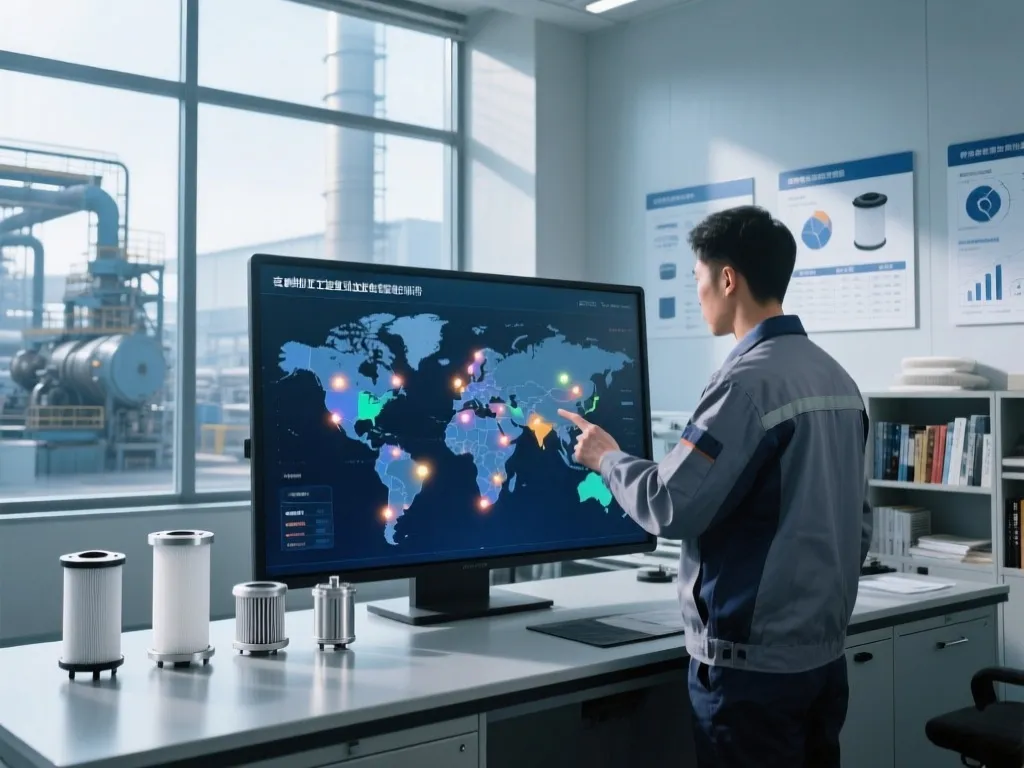
In the industrial world, finding the right filter isn’t just a task—it’s a necessity. Whether you’re upgrading existing systems or starting a new project, the question ‘Where to order custom industrial filters?’ looms large. With a market flooded with options, how do you cut through the noise and find a supplier that meets your unique needs? This guide dives deep into the global landscape of custom industrial filters, offering actionable insights to streamline your purchasing process.
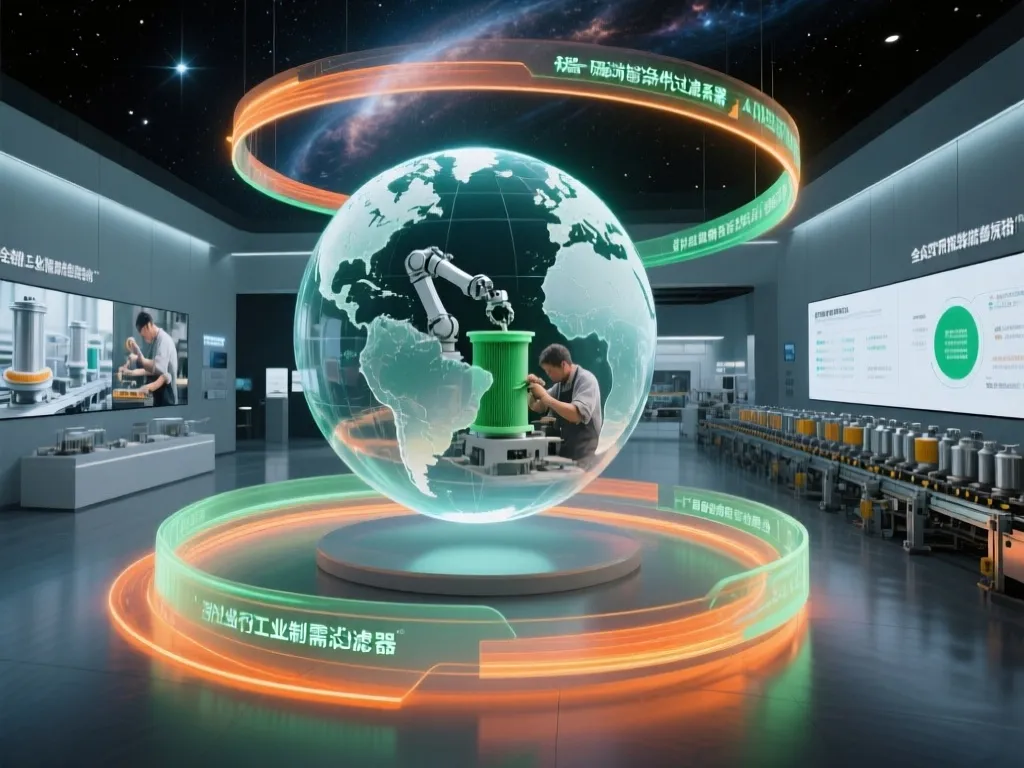
Global Custom Industrial Filter Market Overview: Suppliers, Trends, and User Needs
When it comes to sourcing custom industrial filters, understanding the global market landscape is crucial. Whether you’re a seasoned procurement professional or a new entrepreneur venturing into the industrial filtration sector, knowing where to find reliable suppliers, what trends are shaping the industry, and what specific needs users have can make all the difference in your purchasing decisions. So, where exactly is the global custom industrial filter market heading? Let’s dive in and explore the key aspects that define this dynamic industry. First off, let’s talk about the geographical distribution of major suppliers. The custom industrial filter market isn’t confined to a single region; it’s a global phenomenon with suppliers scattered across continents. North America, particularly the United States, boasts a significant number of high-tech manufacturers specializing in precision filtration solutions. These companies often leverage advanced materials and cutting-edge technology to deliver filters that meet the most stringent industry standards. Moving across the Atlantic, Europe is another hub for custom industrial filter production. Countries like Germany, the UK, and Italy are home to numerous suppliers known for their craftsmanship and attention to detail. European manufacturers often emphasize sustainability and energy efficiency in their products, catering to the growing demand for eco-friendly filtration solutions. Asia, on the other hand, has emerged as a powerhouse in the custom industrial filter market, thanks to its vast manufacturing capabilities and cost-effective production. China, in particular, stands out as a major supplier, offering a wide range of filters at competitive prices. However, it’s essential to note that while cost is a significant factor, quality and reliability shouldn’t be compromised when selecting an Asian supplier. Now, let’s shift our focus to the industry trends that are shaping the custom industrial filter market. One of the most prominent trends is the increasing demand for filters that can handle extreme operating conditions. As industries like oil and gas, chemical processing, and power generation continue to push the boundaries of what’s possible, there’s a growing need for filters that can withstand high temperatures, pressures, and corrosive environments. This has led to the development of specialized filters made from advanced materials like stainless steel, titanium, and ceramic composites. Another trend worth mentioning is the rise of smart filtration systems. With the advent of the Internet of Things (IoT) and Industry 4.0, manufacturers are integrating sensors and connectivity features into their filters, allowing for real-time monitoring and predictive maintenance. This not only improves the efficiency and lifespan of the filters but also reduces downtime and maintenance costs for end-users. Finally, let’s talk about user needs. When it comes to custom industrial filters, one size definitely doesn’t fit all. Each industry and application has its unique set of requirements, and users expect filters that are tailored to their specific needs. This could range from the size and shape of the filter to the type of media used and the filtration efficiency required. Understanding these user needs is crucial for suppliers looking to stay competitive in the market. For instance, a food and beverage manufacturer might require filters that are NSF-certified and can handle high-flow rates without compromising product quality. On the other hand, a pharmaceutical company might prioritize filters that can remove even the tiniest contaminants to ensure the purity of their products. In conclusion, the global custom industrial filter market is a complex and ever-evolving landscape. By understanding the geographical distribution of suppliers, staying abreast of industry trends, and recognizing user needs, you can make informed purchasing decisions that align with your business goals. So, the next time you find yourself asking, ‘Where to order custom industrial filters?’ remember that the answer lies in a comprehensive understanding of the market and its dynamics.
Geographical Distribution of Suppliers
North America, particularly the United States, is known for its high-tech manufacturers specializing in precision filtration. Europe, with countries like Germany and the UK, emphasizes craftsmanship and sustainability. Asia, especially China, offers cost-effective production but requires careful quality assessment.
Industry Trends Shaping the Market
The demand for filters handling extreme conditions is rising, leading to the use of advanced materials. Smart filtration systems with IoT integration are becoming popular, improving efficiency and reducing maintenance costs.
Understanding User Needs
Custom industrial filters must meet specific requirements based on industry and application. Food and beverage manufacturers need NSF-certified filters, while pharmaceutical companies prioritize ultra-pure filtration.

Detailed Steps for Ordering Custom Industrial Filters: From Demand Analysis to After-Sales Service
1. Demand Analysis: The Foundation of Your Order
Before you even start looking for suppliers, it’s crucial to have a clear understanding of your specific needs. What type of industrial filter are you looking for? Are there specific materials or sizes required? What are the operating conditions (temperature, pressure, chemical compatibility)? By answering these questions, you’ll be able to communicate your requirements accurately to potential suppliers, saving time and avoiding misunderstandings down the line. Think of it as creating a blueprint for your ideal filter – the more detailed, the better!
2. Supplier Screening: Finding the Right Partner
With your demand analysis in hand, it’s time to start searching for suppliers. But where do you begin? The global market is flooded with options, ranging from small local manufacturers to large multinational corporations. Look for suppliers with a proven track record, positive customer reviews, and a wide range of products. Don’t be afraid to reach out and ask questions – a reputable supplier will be happy to provide you with the information you need.
3. Quotation Comparison: Getting the Best Value for Your Money
Once you’ve narrowed down your list of potential suppliers, it’s time to request quotations. Be sure to provide each supplier with the same detailed specifications to ensure a fair comparison. When reviewing the quotations, don’t just focus on the price tag. Consider factors like lead time, minimum order quantity, payment terms, and shipping costs. Remember, the cheapest option isn’t always the best value in the long run. Look for a supplier that offers a competitive price while also meeting your other requirements.
4. Sample Testing: Ensuring Quality Before Committing
Before placing a large order, it’s wise to request samples from your top suppliers. This allows you to test the filters in your actual operating conditions, ensuring they meet your performance expectations. Pay attention to factors like filtration efficiency, pressure drop, and durability. If possible, involve your technical team in the testing process to get their expert opinion. After all, you want to be confident that the filters you’re ordering will perform as expected, reducing the risk of costly downtime or equipment damage.
5. Contract Signing: Formalizing the Agreement
Once you’ve selected a supplier and are satisfied with the sample testing results, it’s time to sign a contract. This document should clearly outline all the terms and conditions of your agreement, including product specifications, price, delivery schedule, payment terms, and warranty information. Be sure to read the contract carefully and ask for clarification on any points you’re unsure about. A well-drafted contract protects both parties and ensures a smooth transaction.
6. After-Sales Service: The Key to Long-Term Satisfaction
Ordering custom industrial filters doesn’t end with the contract signing. A reputable supplier will provide excellent after-sales service, including technical support, troubleshooting assistance, and replacement parts if needed. Before finalizing your order, ask about the supplier’s after-sales policies and procedures. Do they offer on-site support? What’s their response time for customer inquiries? Having a reliable after-sales service team can save you a lot of headaches down the line, especially if you encounter any issues with your filters.
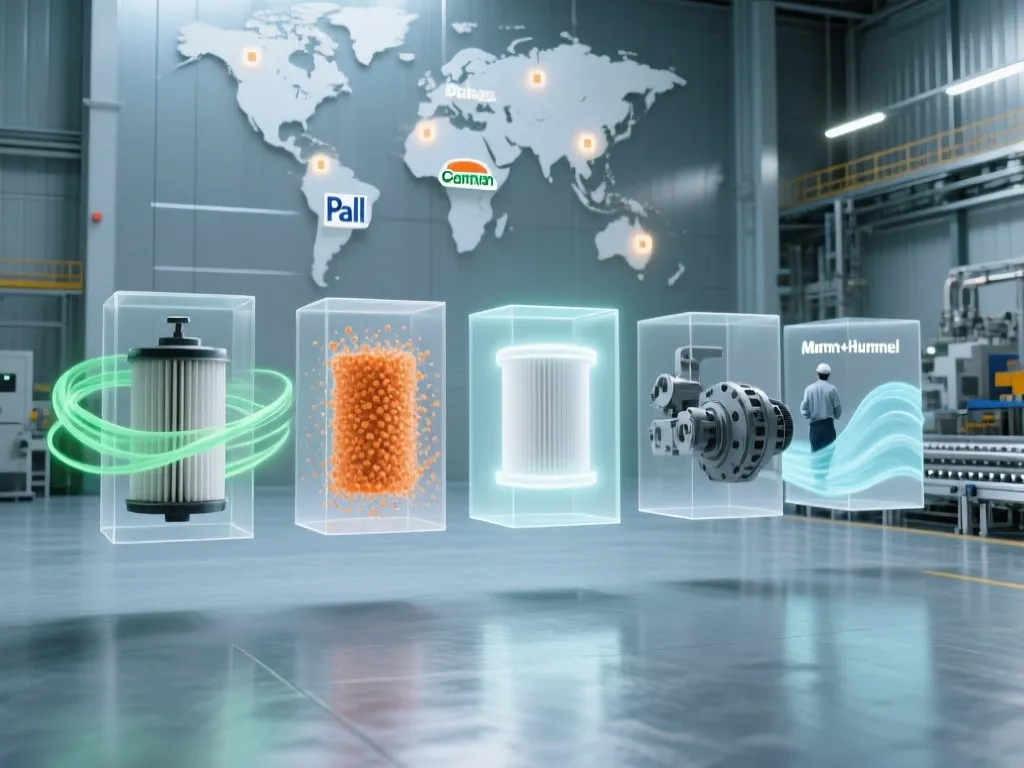
Recommended Global Suppliers for Custom Industrial Filters: Advantages, Services, and Customer Reviews
When it comes to ordering custom industrial filters, choosing the right supplier is crucial. Here, we’ll introduce you to several globally renowned platforms that specialize in custom industrial filters, highlighting their strengths, service features, and customer feedback to help you make an informed decision.
First up is Donaldson Company. This is a well-established name in the industrial filtration industry, with a long history dating back over a century. One of its key advantages is its extensive product range. Whether you need filters for air, liquid, or gas applications, Donaldson has you covered. Their customization capabilities are also top-notch. They have a team of experienced engineers who can work closely with you to design filters that precisely meet your specific requirements. For example, if you operate in a unique industrial environment with specific temperature or pressure conditions, Donaldson can create filters that can withstand those challenges. In terms of service, they offer fast turnaround times on quotes and samples. This is a huge plus for businesses that need to keep their production lines running smoothly without long delays. Customer reviews praise Donaldson for its reliable product quality and excellent after-sales support. Many customers have reported that their filters have significantly improved the efficiency of their industrial processes and reduced maintenance costs.
Next, let’s talk about Parker Hannifin. This is another giant in the field of industrial filtration. Parker is known for its innovative approach to filter design. They constantly invest in research and development to introduce new technologies and materials that enhance filter performance. For instance, they have developed advanced filter media that can capture even the smallest particles, ensuring cleaner air or liquid in your industrial systems. Their global presence is also a major strength. With manufacturing facilities and distribution centers around the world, they can provide quick delivery to customers in different regions. When it comes to service, Parker offers comprehensive technical support. Their experts can guide you through the entire customization process, from initial design to installation and maintenance. Customers appreciate Parker’s commitment to sustainability. Many of their filters are designed to be more energy-efficient and environmentally friendly, which aligns with the growing trend of green manufacturing.
Another notable supplier is Pall Corporation. Pall is a leader in high-purity filtration solutions. If your industry requires extremely clean air or liquids, such as in the pharmaceutical or semiconductor sectors, Pall is a great choice. Their custom filters are designed to meet the most stringent purity standards. They use high-quality materials and precise manufacturing processes to ensure consistent performance. Pall also offers a wide range of customization options in terms of filter size, shape, and connection types. This allows you to integrate their filters seamlessly into your existing industrial systems. In terms of customer service, Pall provides excellent communication throughout the order process. They keep you informed about the progress of your order and are quick to address any concerns or issues. Customers have given high marks to Pall for the durability of their filters, which often last longer than expected, reducing the need for frequent replacements. For specific applications like filtering virgin coconut oil, specialized filtration bags can be a great option. These filtration bags are designed to provide a precision-filtered solution for such unique industrial needs.
Moving on to Mann+Hummel. This German-based company is renowned for its high-quality industrial filters. Mann+Hummel focuses on providing filters that offer a balance between performance and cost-effectiveness. They have a deep understanding of different industrial applications and can tailor their filters to suit your specific needs. For example, if you’re looking for filters for a heavy-duty industrial application with high flow rates, Mann+Hummel can design filters that can handle the load without compromising on filtration efficiency. Their service includes on-site support in some cases. If you have complex installation requirements, their technicians can visit your facility to assist with the installation and ensure everything is set up correctly. Customer reviews highlight Mann+Hummel’s competitive pricing and the long lifespan of their filters, which provide good value for money.
Last but not least, we have Camfil. Camfil is a global leader in air filtration solutions. They are known for their energy-efficient filters that can help you reduce your energy consumption and operating costs. Camfil’s custom filters are designed with a focus on improving indoor air quality in industrial settings. They use advanced filter technologies to remove a wide range of pollutants, including dust, fumes, and odors. Their service includes regular filter performance monitoring. They can provide you with detailed reports on the performance of your filters, helping you optimize your filtration system and extend the lifespan of the filters. Customers praise Camfil for its commitment to improving air quality and the positive impact their filters have on the working environment in industrial facilities.
Navigating the world of custom industrial filters doesn’t have to be overwhelming. By understanding market trends, mastering the ordering process, and leveraging trusted supplier platforms, you’re well-equipped to make informed decisions. So, where to order custom industrial filters? The answer lies in your preparedness and the resources outlined here. Ready to take the next step? Explore recommended suppliers, compare quotes, and test samples to kickstart your efficient, reliable procurement journey. The world of industrial filtration awaits—dive in!