
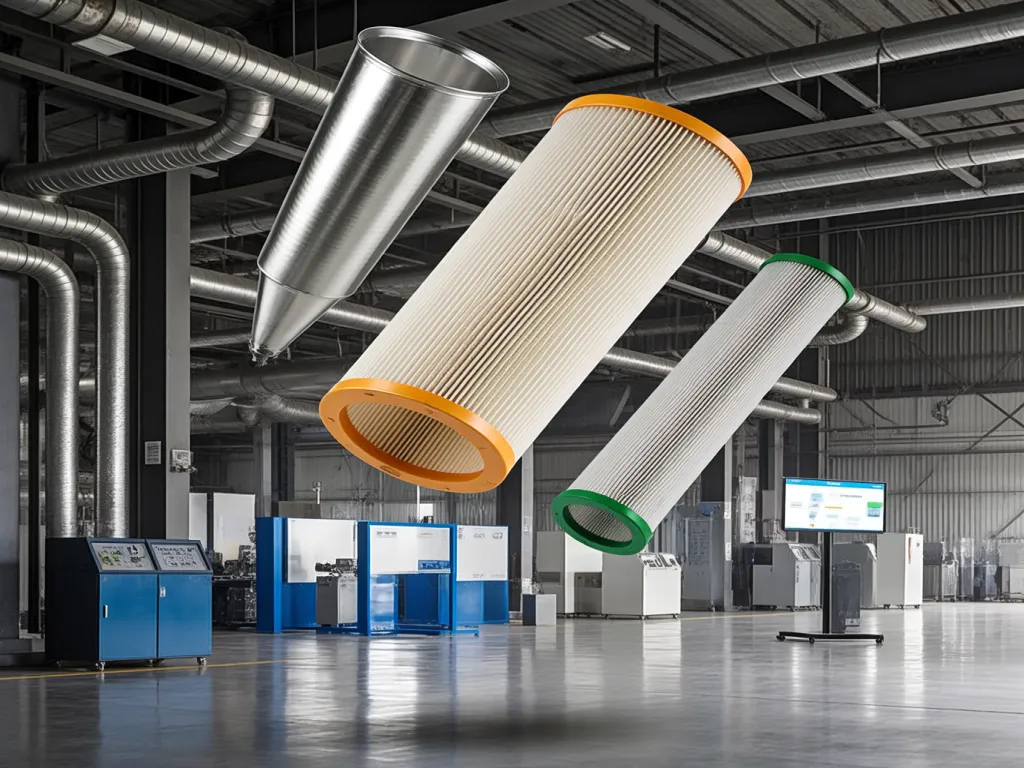
Filter Bag Material Comparison for Existing Dust Collectors
This reference compares common dust collector filter bag materials for retrofit and replacement screening. Final selection requires confirmed temperature, gas chemistry, moisture, dust properties, cleaning method and bag dimensions.
Polyester
Commonly considered for moderate-temperature, generally dry applications. Hydrolysis, moisture, acid and alkali exposure must be checked against the selected grade and finish.
Polypropylene
May suit selected low-temperature, humid or chemically challenging conditions. Oxidizing exposure and temperature limits require careful review.
Acrylic
Can be considered for selected humid or mildly acidic gas streams within the confirmed temperature and chemical limits.
Aramid
Used in some elevated-temperature dry applications. Moisture, acid exposure and hydrolysis risk must be assessed.
PPS
Often reviewed for selected higher-temperature and chemically demanding conditions, but oxidizing environments and peak temperature remain important limits.
Fiberglass and P84
These materials cover different high-temperature and dimensional requirements. Flex fatigue, abrasion, chemistry and collector design influence suitability.
PTFE
Full-PTFE media may be considered for demanding temperature and chemical combinations. A PTFE membrane on another base media does not give the complete bag the same limits as full PTFE.
Selection Data
- Normal and peak temperature
- Gas chemistry, oxygen and moisture
- Dust size, abrasiveness, stickiness and combustibility
- Cleaning method and operating pressure drop
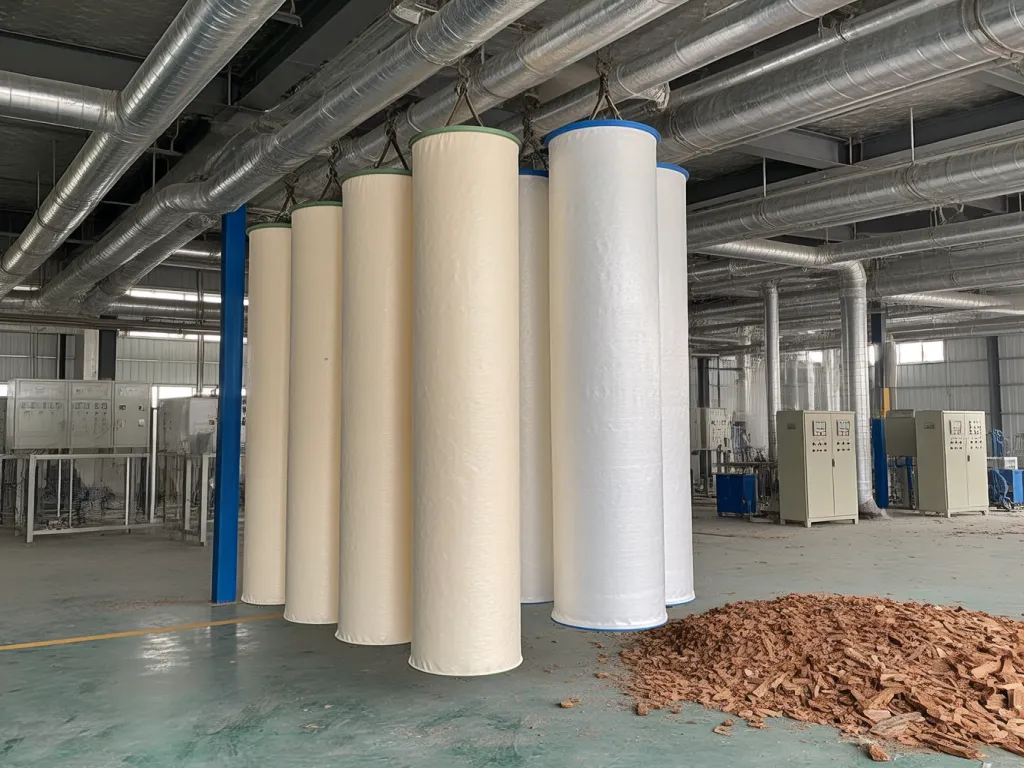
- Bag and cage drawing or sample
- Target emissions and project requirements
For current U.S. replacement projects, continue to the FiltEdge project page. For detailed material and manufacturing information, use the SFFILTECH filter bag range. This page remains a supporting material-comparison reference.