
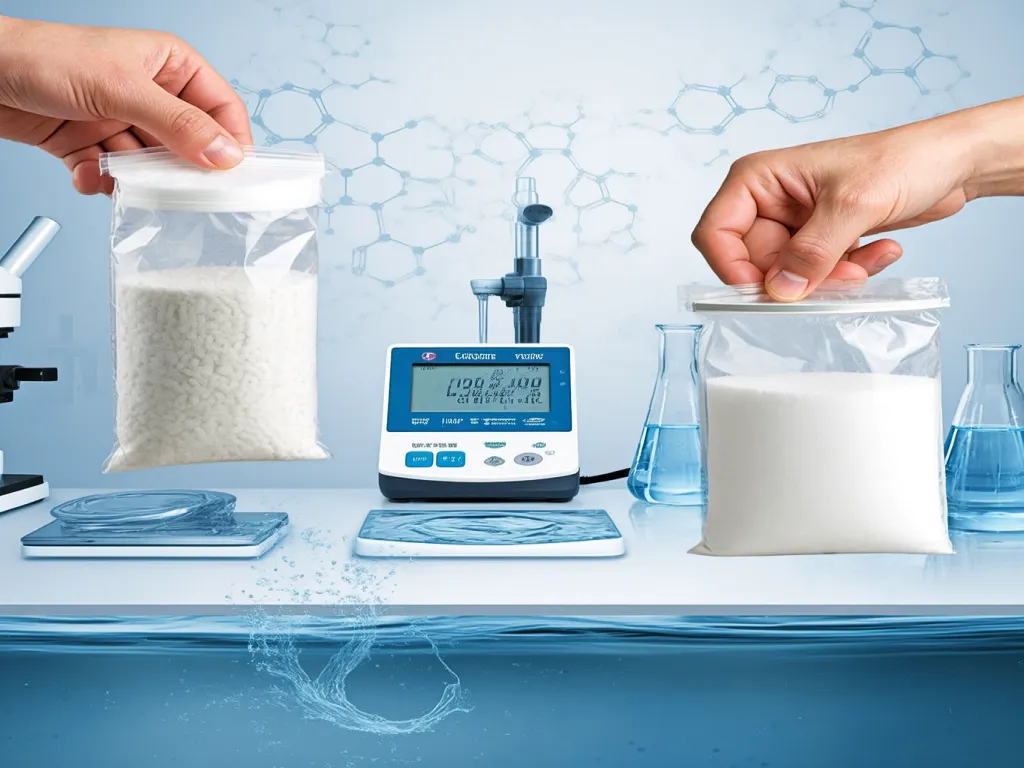
Navigating the world of water filtration can feel overwhelming, especially when you’re trying to match the right filtration bags for water to your specific needs. Whether you’re a business owner sourcing supplies, a water treatment engineer, or an environmental project leader, selecting the optimal material for your filtration bags is crucial for achieving clean, safe water. But how do you know which material—be it polypropylene, polyester, or something else—will deliver the best results for your unique water quality challenges? Let’s dive into the details and uncover the secrets to making an informed choice.
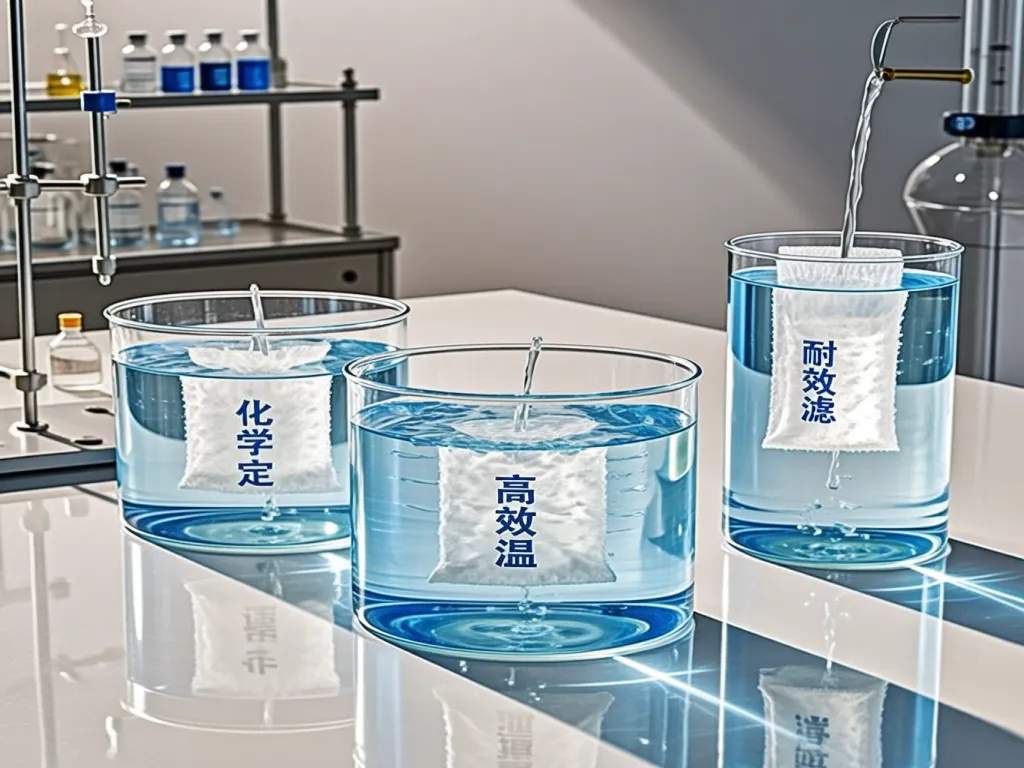
Polypropylene Filtration Bags: Exploring Chemical Stability, Temperature Resistance, and Filtration Efficiency in Specific Water Conditions
When it comes to selecting the right filtration bags for water, polypropylene (PP) stands out as a popular choice among professionals. But why is that the case? Let’s dive deep into the chemical stability, temperature resistance, and filtration efficiency of polypropylene filtration bags, along with their ideal applications and limitations. First off, polypropylene is chemically inert, meaning it doesn’t react easily with most chemicals found in water. This makes it an excellent candidate for filtering a wide range of water types, from municipal supplies to industrial wastewater. Whether you’re dealing with acidic or alkaline conditions, PP filtration bags maintain their integrity, ensuring consistent performance over time. Now, let’s talk about temperature. Polypropylene has a melting point around 160-170°C (320-338°F), which is relatively high compared to other materials. This means PP filtration bags can withstand hot water applications without degrading, making them suitable for processes where water temperature might rise, such as in certain industrial settings or during backwashing procedures. But how efficient are they in filtering out contaminants? Polypropylene filtration bags boast a high filtration efficiency, especially when it comes to capturing fine particles. Their microfiber structure allows for precise filtration, trapping particles as small as 1 micron in some cases. This makes them ideal for applications requiring high-purity water, such as in pharmaceuticals, food and beverage production, or semiconductor manufacturing. For instance, when filtering virgin coconut oil, specialized filtration bags can ensure the purity and quality of the final product. However, every material has its limitations. While polypropylene is resistant to many chemicals, it’s not impervious to all. Strong oxidizing agents, like concentrated chlorine or hydrogen peroxide, can degrade PP over time. So, if your water treatment process involves such chemicals, you might want to consider alternative materials. Another consideration is the operating temperature. Although PP can handle high temperatures, prolonged exposure to temperatures near its melting point can cause deformation or even failure. Therefore, it’s crucial to operate within the recommended temperature range to ensure the longevity of your filtration bags. So, when should you opt for polypropylene filtration bags? They’re a great fit for applications where chemical stability and temperature resistance are paramount, and where fine particle filtration is required. Municipal water treatment plants, industrial wastewater treatment, and certain chemical processing industries often rely on PP filtration bags for their reliability and efficiency. In summary, polypropylene filtration bags offer a compelling combination of chemical stability, temperature resistance, and high filtration efficiency. They’re versatile, cost-effective, and suitable for a wide range of water treatment applications. However, understanding their limitations is key to maximizing their performance and lifespan. By considering your specific water quality, temperature requirements, and filtration needs, you can make an informed decision on whether polypropylene is the right choice for your filtration system.
Chemical Stability of Polypropylene Filtration Bags
Polypropylene’s chemical inertness is one of its standout features. Unlike some other materials, PP doesn’t readily react with acids, bases, or most solvents found in water. This means you can use PP filtration bags in environments where chemical stability is crucial, without worrying about the bags degrading or releasing harmful substances into the filtered water. For instance, in industrial settings where water might contain traces of various chemicals, PP bags provide a reliable barrier, ensuring the purity of the output water.
Temperature Resistance and Operating Limits
The ability of polypropylene filtration bags to withstand high temperatures is a significant advantage. Whether it’s hot water from a boiler or heated process water, PP bags can handle the heat without losing their structural integrity. However, it’s essential to note that while PP has a high melting point, operating near this limit can reduce the bag’s lifespan. Therefore, always check the manufacturer’s recommended temperature range and stay within it to ensure optimal performance and longevity.
Filtration Efficiency and Particle Capture
When it comes to capturing fine particles, polypropylene filtration bags excel. Their microfiber construction allows for precise filtration, making them ideal for applications where water purity is critical. Whether you’re filtering out sediment, bacteria, or even certain viruses, PP bags can provide the level of filtration you need. This efficiency is why they’re widely used in industries like pharmaceuticals, where even the smallest contaminant can affect product quality.
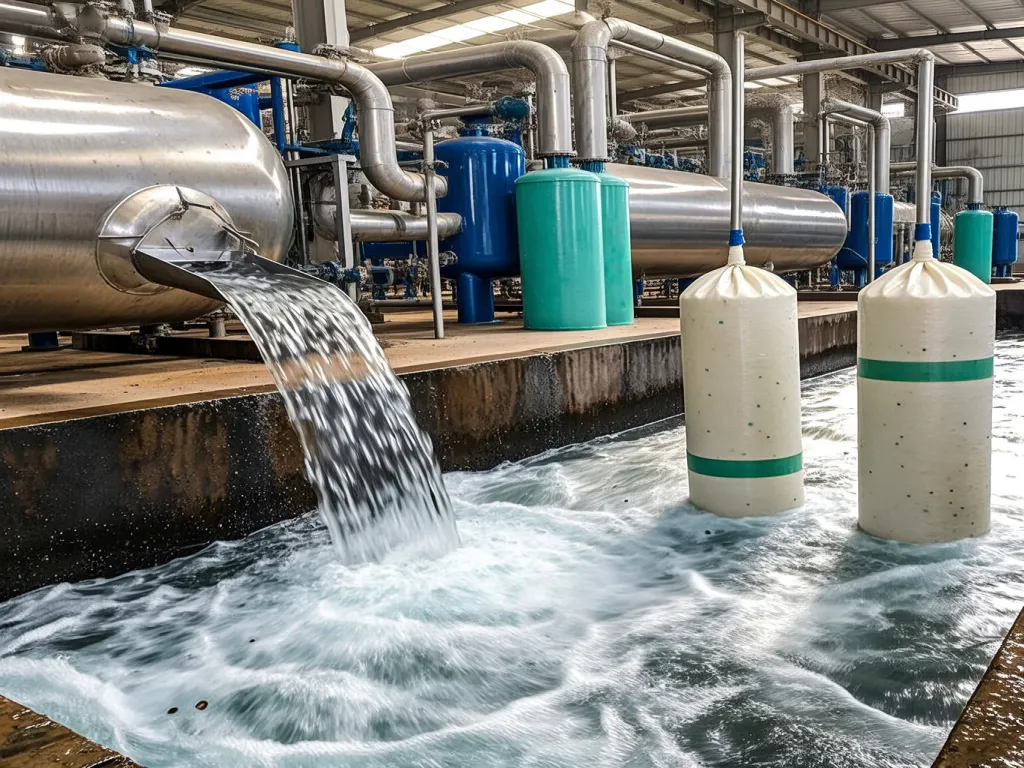
Polyester Filtration Bags: Mechanical Strength, Wear Resistance, and Performance in Complex Water
When it comes to selecting filtration bags for water, polyester stands out as a robust and versatile option. But what exactly makes polyester filtration bags so special? Let’s dive into their mechanical strength, wear resistance, and how they fare in complex water conditions, comparing them with polypropylene counterparts. First off, polyester filtration bags are renowned for their exceptional mechanical strength. This isn’t just about withstanding high pressure; it’s about maintaining structural integrity over time, even under repetitive stress. Imagine a filtration system in a busy industrial plant, where bags are constantly exposed to varying flow rates and pressures. Polyester bags hold up remarkably well, thanks to their high tensile strength. This means fewer replacements, less downtime, and ultimately, cost savings for you. For high-efficiency and cost-effective filtration solutions, explore our industrial bag filters. Now, onto wear resistance. Water, especially in industrial settings, can be abrasive. Particles suspended in the water, whether they’re fine sand, metal shavings, or chemical residues, can act like tiny sandpapers, gradually wearing down the filter material. Polyester, with its inherent toughness, resists this abrasion far better than many other materials. This translates to longer service life and consistent performance, even in harsh environments. But how does polyester stack up against polypropylene in complex water conditions? Well, polypropylene is no slouch either. It’s chemically stable and can handle a wide range of temperatures. However, when it comes to mechanical strength and wear resistance, polyester often has the edge. Complex water might contain a mix of contaminants, from organic matter to inorganic particles, each posing a different challenge. Polyester’s ability to maintain its filtering efficiency in such varied conditions is where it truly shines. Let’s not forget about the cost-effectiveness. While initial costs might vary, the long-term savings from reduced replacements and downtime make polyester a compelling choice. Plus, its versatility means it can be tailored to specific applications, whether you’re dealing with municipal water treatment, industrial process water, or even wastewater management. So, if you’re looking for filtration bags that offer durability, reliability, and cost-efficiency in complex water scenarios, polyester is definitely worth considering. But don’t just take our word for it. Test it out in your specific application, and you’ll likely see the difference in performance and longevity. After all, choosing the right filtration bag material is crucial for optimizing your water treatment process. Have you ever considered the impact of material choice on your overall filtration efficiency? It’s something worth thinking about, especially when you’re dealing with challenging water qualities.
Mechanical Strength in Detail
Polyester’s mechanical strength isn’t just a buzzword; it’s a tangible benefit. This material can withstand high pressures without deforming or rupturing, making it ideal for applications where consistent flow rates are critical. Think about a scenario where your filtration system needs to handle sudden spikes in water volume or pressure. Polyester bags won’t buckle under the pressure, ensuring uninterrupted operation and peace of mind.
Wear Resistance: A Closer Look
Wear resistance is all about how well a material can resist being worn down by friction or abrasion. In the context of filtration bags, this means resisting the gradual erosion caused by particles in the water. Polyester’s molecular structure gives it an inherent toughness that other materials might lack. This means your bags will last longer, even in the most abrasive conditions, saving you money and hassle in the long run. For high-performance solutions tailored to industrial dust collectors, consider our filter bags.
Polyester vs. Polypropylene: The Showdown
When comparing polyester and polypropylene, it’s essential to consider your specific needs. Polypropylene is excellent for chemical resistance and can handle a broad temperature range. However, if you’re looking for superior mechanical strength and wear resistance, especially in complex water conditions, polyester often comes out on top. It’s about finding the right balance between performance, cost, and longevity for your particular application. For a comprehensive range of high-performance filtration bags suitable for diverse industries, visit our industrial bag filters page.
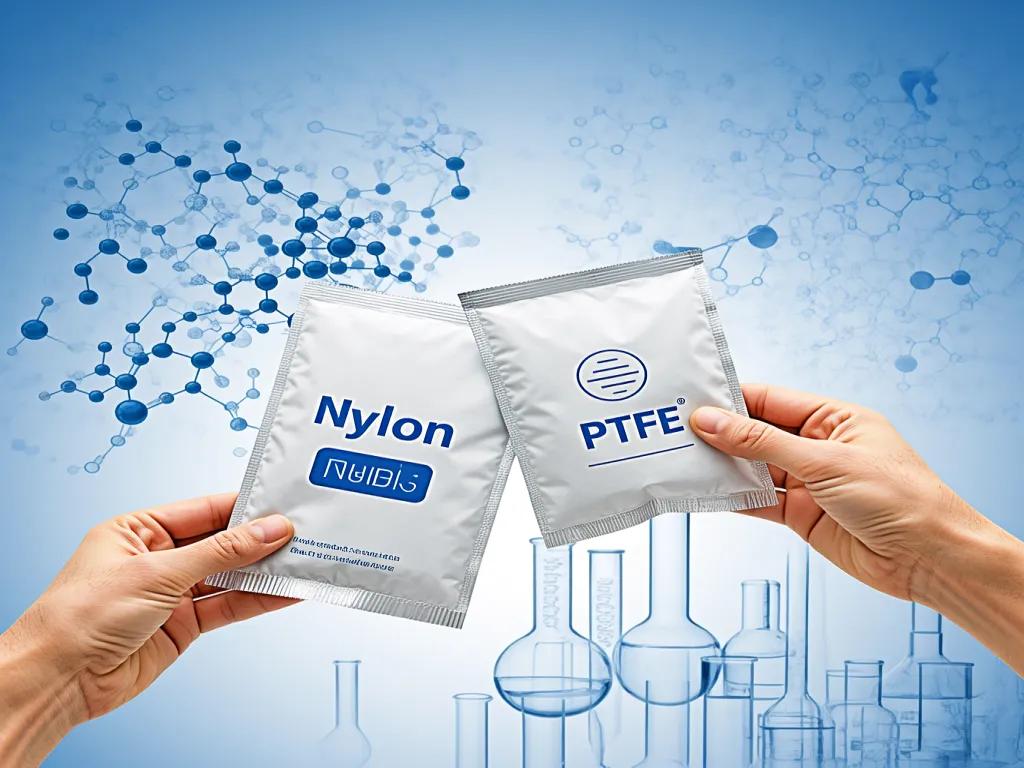
Exploring Emerging Materials: Nylon and PTFE for Filtration Bags in Water Applications
When it comes to choosing filtration bags for water, the conversation often revolves around tried-and-true materials like polypropylene and polyester. But what about the newer kids on the block—nylon and PTFE? These materials are gaining traction in specific applications, offering unique advantages and facing distinct challenges. Let’s dive into what makes them stand out and where they might fit into your water filtration strategy.
When it comes to choosing filtration bags for water, the conversation often revolves around tried-and-true materials like polypropylene and polyester. But what about the newer kids on the block—nylon and PTFE? These materials are gaining traction in specific applications, offering unique advantages and facing distinct challenges. Let’s dive into what makes them stand out and where they might fit into your water filtration strategy.
Nylon, a synthetic polymer, is known for its exceptional strength and durability. It’s a go-to material in industries where mechanical robustness is paramount. But how does it perform in water filtration? Well, nylon filtration bags excel in environments where high tensile strength is required. They can withstand significant pressure without tearing, making them ideal for filtering water with high particulate loads. Moreover, nylon is relatively resistant to abrasion, which means it can handle rough particles without degrading quickly.
Nylon, a synthetic polymer, is known for its exceptional strength and durability. It’s a go-to material in industries where mechanical robustness is paramount. But how does it perform in water filtration? Well, nylon filtration bags excel in environments where high tensile strength is required. They can withstand significant pressure without tearing, making them ideal for filtering water with high particulate loads. Moreover, nylon is relatively resistant to abrasion, which means it can handle rough particles without degrading quickly.
However, nylon isn’t without its drawbacks. One of the main concerns is its chemical resistance. While it can handle many aqueous solutions, it may not be the best choice for highly alkaline or acidic waters. Exposure to such conditions can lead to material degradation over time, compromising the filtration bag’s effectiveness. Additionally, nylon tends to absorb moisture, which can affect its dimensional stability and potentially lead to microbial growth if not properly managed.
However, nylon isn’t without its drawbacks. One of the main concerns is its chemical resistance. While it can handle many aqueous solutions, it may not be the best choice for highly alkaline or acidic waters. Exposure to such conditions can lead to material degradation over time, compromising the filtration bag’s effectiveness. Additionally, nylon tends to absorb moisture, which can affect its dimensional stability and potentially lead to microbial growth if not properly managed.
Now, let’s turn our attention to PTFE, or polytetrafluoroethylene, commonly known by its brand name, Teflon. PTFE is renowned for its chemical inertness and high-temperature resistance. These properties make it an attractive option for water filtration in harsh chemical environments. PTFE filtration bags can withstand a wide range of pH levels, from highly acidic to alkaline, without undergoing significant chemical changes. This chemical stability ensures consistent filtration performance over extended periods.
Now, let’s turn our attention to PTFE, or polytetrafluoroethylene, commonly known by its brand name, Teflon. PTFE is renowned for its chemical inertness and high-temperature resistance. These properties make it an attractive option for water filtration in harsh chemical environments. PTFE filtration bags can withstand a wide range of pH levels, from highly acidic to alkaline, without undergoing significant chemical changes. This chemical stability ensures consistent filtration performance over extended periods.
Another advantage of PTFE is its low friction coefficient. This means that particles are less likely to adhere to the surface of the filtration bag, reducing the risk of clogging and maintaining optimal flow rates. PTFE is also hydrophobic, meaning it repels water, which can be beneficial in certain applications where water absorption needs to be minimized.
Another advantage of PTFE is its low friction coefficient. This means that particles are less likely to adhere to the surface of the filtration bag, reducing the risk of clogging and maintaining optimal flow rates. PTFE is also hydrophobic, meaning it repels water, which can be beneficial in certain applications where water absorption needs to be minimized.
But, as with any material, PTFE comes with its own set of challenges. The primary concern is cost. PTFE is generally more expensive than other materials like polypropylene or nylon, which can be a limiting factor for some applications. Additionally, while PTFE is highly durable, it can be brittle under certain conditions, especially at low temperatures. This brittleness can lead to cracking or breaking if the filtration bag is subjected to mechanical stress.
But, as with any material, PTFE comes with its own set of challenges. The primary concern is cost. PTFE is generally more expensive than other materials like polypropylene or nylon, which can be a limiting factor for some applications. Additionally, while PTFE is highly durable, it can be brittle under certain conditions, especially at low temperatures. This brittleness can lead to cracking or breaking if the filtration bag is subjected to mechanical stress.
So, where do these materials fit best? Nylon filtration bags are excellent for applications involving high particulate loads and moderate chemical exposure. They’re commonly used in industrial wastewater treatment, where the water may contain a mix of solids and chemicals. On the other hand, PTFE filtration bags shine in environments with extreme chemical conditions or where maintaining consistent flow rates is critical. They’re often found in chemical processing plants, pharmaceutical manufacturing, and other settings where water purity is paramount.
So, where do these materials fit best? Nylon filtration bags are excellent for applications involving high particulate loads and moderate chemical exposure. They’re commonly used in industrial wastewater treatment, where the water may contain a mix of solids and chemicals. On the other hand, PTFE filtration bags shine in environments with extreme chemical conditions or where maintaining consistent flow rates is critical. They’re often found in chemical processing plants, pharmaceutical manufacturing, and other settings where water purity is paramount.
Choosing the right material for your filtration bags for water isn’t just about performance—it’s also about cost-effectiveness and longevity. Have you considered how the specific conditions of your water source might influence your choice? Whether it’s the chemical composition, temperature, or particulate load, understanding these factors is key to selecting the most suitable material.
Choosing the right material for your filtration bags for water isn’t just about performance—it’s also about cost-effectiveness and longevity. Have you considered how the specific conditions of your water source might influence your choice? Whether it’s the chemical composition, temperature, or particulate load, understanding these factors is key to selecting the most suitable material.
Choosing the right filtration bags for water isn’t just about buying a product—it’s about investing in efficiency, durability, and ultimately, the purity of your water. By weighing the pros and cons of materials like polypropylene, polyester, and emerging options like PTFE, you can tailor your selection to your specific water quality and operational demands. Remember, the best material for your filtration bags depends on your unique circumstances, so take the time to analyze your needs carefully. Ready to take the next step? Consult with our experts today to explore customized solutions that elevate your water filtration game. What material will you choose for your next filtration project?