
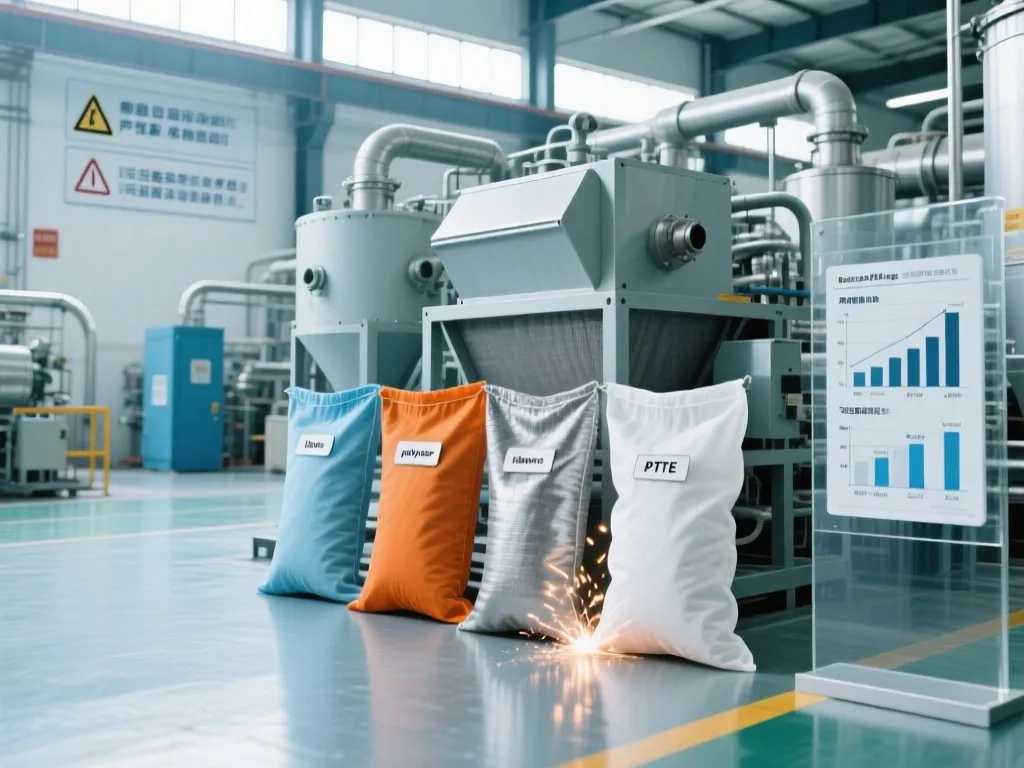
In industrial filtration, the right baghouse filter bags can make or break your system’s performance. Whether you’re dealing with corrosive chemicals, extreme temperatures, or abrasive particles, selecting the ideal material is crucial. But with so many options—polyester, polypropylene, fiberglass, PTFE—how do you know which one fits your specific needs? Let’s dive into how to match your industry’s demands with the perfect baghouse filter bags material.
Industry-Specific Demands: Tailoring Baghouse Filter Bags Material Selection
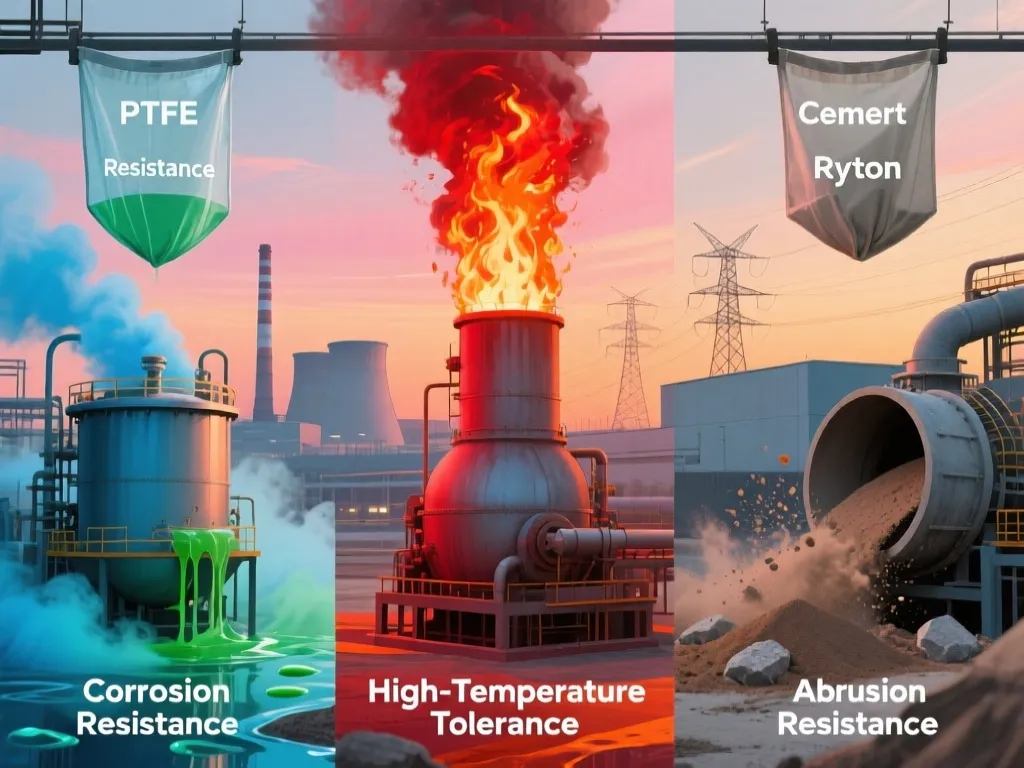
When it comes to selecting the right baghouse filter bags for your industrial operation, understanding the unique demands of your specific industry is crucial. Different sectors, such as chemical, power generation, and cement manufacturing, each present distinct challenges that require filter bags with specific properties. Let’s dive into how these industries shape the material selection process for baghouse filter bags, focusing on three key attributes: corrosion resistance, high-temperature tolerance, and abrasion resistance.
Chemical Industry: A Battle Against Corrosion
In the chemical industry, the air is often laden with corrosive gases and vapors. These can range from acidic compounds like sulfur dioxide and hydrogen chloride to alkaline substances like ammonia. Choosing filter bags that can withstand such harsh conditions is paramount. Imagine a scenario where a chemical plant uses standard polyester filter bags to capture particulate matter from a process involving sulfuric acid. Over time, the acid would degrade the fabric, leading to frequent bag failures, increased downtime, and higher maintenance costs. Instead, materials like PTFE (Polytetrafluoroethylene) or certain specialized blends offer superior corrosion resistance, ensuring longevity and reliable performance even in the most aggressive chemical environments.
Power Generation: Withstanding the Heat
The power generation sector, particularly coal-fired power plants, operates at extremely high temperatures. The flue gas produced during combustion can reach temperatures well above 200°C (392°F). Standard filter bag materials would simply melt or degrade under such conditions. That’s where high-temperature-resistant materials like glass fiber or P84 (Polyimide) come into play. These materials can withstand the intense heat without losing their structural integrity, ensuring efficient filtration and minimizing the risk of bag failure. Have you ever wondered how power plants manage to maintain consistent air quality despite the extreme conditions? The answer lies in the careful selection of filter bag materials designed to handle the heat.
Cement Manufacturing: The Abrasion Challenge
Cement production is a gritty, abrasive process. The raw materials used, such as limestone and clay, are ground into a fine powder, creating a highly abrasive environment. Filter bags in cement plants must be able to withstand constant abrasion from these particles to avoid premature wear and tear. Polyester and acrylic materials are often used in cement applications due to their good abrasion resistance. However, for even more demanding scenarios, materials like Ryton (Polyphenylene Sulfide) or Teflon-coated fabrics offer enhanced durability, extending the lifespan of the filter bags and reducing the frequency of replacements. Can you afford to have your cement plant’s filtration system go down due to worn-out filter bags? Probably not, which is why choosing the right abrasion-resistant material is so important.
Corrosion Resistance in Chemical Industry
In the chemical industry, the presence of corrosive gases and vapors is a constant threat to filter bags. These corrosive substances can quickly degrade standard materials, leading to bag failures and increased costs. PTFE and specialized blends offer superior corrosion resistance, making them ideal for chemical applications. By choosing these materials, you can ensure that your filter bags will last longer and perform reliably, even in the harshest chemical environments.
High-Temperature Tolerance in Power Generation
Power generation, especially coal-fired plants, operates at extremely high temperatures. The flue gas produced during combustion can reach temperatures well above 200°C. Standard filter bag materials would melt or degrade under such conditions, leading to filtration inefficiencies and potential safety hazards. Glass fiber and P84 materials are designed to withstand these intense temperatures, ensuring that your power plant’s filtration system remains effective and safe.
Abrasion Resistance in Cement Manufacturing
Cement production is a highly abrasive process, with raw materials being ground into a fine powder that can quickly wear down filter bags. Polyester and acrylic materials offer good abrasion resistance, but for even more demanding scenarios, Ryton or Teflon-coated fabrics are recommended. These materials provide enhanced durability, extending the lifespan of your filter bags and reducing the need for frequent replacements, which can be costly and disruptive to your cement plant’s operations.

Choosing the Right Material: A Deep Dive into Baghouse Filter Bags Options
When it comes to selecting the perfect baghouse filter bags for your industrial operations, the material choice is not just a matter of preference—it’s a strategic decision that impacts efficiency, longevity, and cost-effectiveness. Let’s embark on a journey through the most common materials used in baghouse filter bags, exploring their unique properties and ideal applications. First up, polyester. Polyester filter bags are the workhorses of the industry, known for their excellent resistance to abrasion and moderate chemical resistance. They perform admirably in temperatures up to around 130°C (266°F), making them suitable for a wide range of applications, including cement production, food processing, and general dust collection. Their affordability and versatility make polyester bags a go-to option for many industrial settings. Next, we have polypropylene. Polypropylene filter bags shine in environments where moisture is a concern. Unlike polyester, polypropylene is inherently hydrophobic, meaning it repels water and resists wetting. This property makes it ideal for applications involving high humidity or liquid aerosols, such as in chemical processing or wastewater treatment. Additionally, polypropylene bags offer good resistance to acids and alkalis, though they have a lower temperature tolerance compared to polyester, typically maxing out at around 90°C (194°F). Moving on to glass fiber. Glass fiber filter bags are the champions of high-temperature resistance, capable of withstanding continuous operating temperatures up to 260°C (500°F) and even higher for short periods. This makes them indispensable in industries like power generation, incineration, and metallurgy, where extreme heat is a constant. Glass fiber bags also exhibit excellent chemical stability, resisting most acids and alkalis, though they can be brittle and require careful handling during installation and maintenance. For those seeking a high-performance solution for industrial dust collectors, our glass fiber filter bags are an excellent choice. Finally, let’s talk about PTFE (Polytetrafluoroethylene). PTFE filter bags are the premium choice when it comes to chemical resistance and temperature stability. They can handle temperatures up to 260°C (500°F) continuously and are virtually impervious to all known chemicals, making them perfect for the most demanding industrial environments, such as pharmaceutical manufacturing, semiconductor production, and hazardous waste treatment. PTFE bags also boast a low coefficient of friction, reducing the likelihood of clogging and extending service life. However, their superior performance comes at a higher cost, so they’re typically reserved for applications where no compromise can be made on quality.
Polyester Filter Bags: The Versatile Choice
Polyester filter bags are the workhorses of the industry, known for their excellent resistance to abrasion and moderate chemical resistance. They perform admirably in temperatures up to around 130°C (266°F), making them suitable for a wide range of applications, including cement production, food processing, and general dust collection. Their affordability and versatility make polyester bags a go-to option for many industrial settings. For a durable and efficient solution for high-efficiency dust collection, explore our polyester filter bags.
Polypropylene Filter Bags: Ideal for Moist Environments
Polypropylene filter bags shine in environments where moisture is a concern. Unlike polyester, polypropylene is inherently hydrophobic, meaning it repels water and resists wetting. This property makes it ideal for applications involving high humidity or liquid aerosols, such as in chemical processing or wastewater treatment. Additionally, polypropylene bags offer good resistance to acids and alkalis, though they have a lower temperature tolerance compared to polyester, typically maxing out at around 90°C (194°F). For a high-efficiency and cost-effective filtration solution in moist environments, consider our polypropylene filter bags.
Glass Fiber Filter Bags: High-Temperature Heroes
Glass fiber filter bags are the champions of high-temperature resistance, capable of withstanding continuous operating temperatures up to 260°C (500°F) and even higher for short periods. This makes them indispensable in industries like power generation, incineration, and metallurgy, where extreme heat is a constant. Glass fiber bags also exhibit excellent chemical stability, resisting most acids and alkalis, though they can be brittle and require careful handling during installation and maintenance.
PTFE Filter Bags: The Premium Option
PTFE (Polytetrafluoroethylene) filter bags are the premium choice when it comes to chemical resistance and temperature stability. They can handle temperatures up to 260°C (500°F) continuously and are virtually impervious to all known chemicals, making them perfect for the most demanding industrial environments, such as pharmaceutical manufacturing, semiconductor production, and hazardous waste treatment. PTFE bags also boast a low coefficient of friction, reducing the likelihood of clogging and extending service life. However, their superior performance comes at a higher cost, so they’re typically reserved for applications where no compromise can be made on quality. For a high-efficiency dust collection solution with PTFE filter bags, visit our product page.

Real-World Success Stories: How Different Baghouse Filter Bags Materials Shine in Specific Industries
When it comes to selecting the right baghouse filter bags for your industrial setup, nothing speaks louder than real-world success stories. Let’s dive into some practical examples where different materials have proven their worth in specific industrial scenarios, ensuring optimal performance and cost-efficiency.
Imagine a bustling chemical plant where corrosive gases are a daily challenge. Here, the choice of filter bag material can make or break the system’s longevity and efficiency. Enter PTFE (Polytetrafluoroethylene) filter bags. PTFE’s exceptional chemical resistance makes it the go-to option for such harsh environments. A case in point is a major chemical manufacturer in Germany that switched to PTFE bags and witnessed a significant reduction in filter bag replacements and maintenance costs. The bags’ resistance to a wide range of chemicals, including strong acids and bases, ensured uninterrupted operation and prolonged filter life.
Now, let’s shift our focus to the power generation sector, where high temperatures are the norm. Glass fiber filter bags, with their excellent thermal stability, have become a staple in coal-fired power plants. These bags can withstand temperatures up to 260°C (500°F) without compromising on filtration efficiency. A power plant in the United States reported a 20% increase in overall system efficiency after upgrading to glass fiber bags, attributing the improvement to the bags’ ability to maintain their structural integrity under extreme heat. For more details on high-temperature resistant solutions, check out our basalt fiber filter bag.
But what about industries where both temperature and abrasion are concerns? This is where aramid fiber filter bags come into play. Aramid, known for its high strength-to-weight ratio and resistance to wear and tear, is ideal for cement plants and steel mills. A cement manufacturing facility in China adopted aramid bags and saw a remarkable decrease in downtime due to filter bag failures. The bags’ durability in handling abrasive particles like cement clinker and fly ash translated into substantial cost savings and enhanced operational reliability. For high-performance filtration solutions, you can explore our high-performance filter bags.
Not all industrial scenarios demand extreme resistance, though. In some cases, a balance between cost and performance is key. Polyester filter bags, with their good all-around properties, fit the bill perfectly for applications like food processing and pharmaceuticals. A food processing company in Brazil opted for polyester bags and enjoyed a clean and efficient filtration process without breaking the bank. The bags’ resistance to mild acids and bases, coupled with their affordability, made them an attractive choice for the company’s budget-conscious operations. For cost-effective and efficient filtration, consider our industrial bag filters.
Lastly, let’s not forget about the environmental aspect. In industries where reducing the carbon footprint is a priority, choosing eco-friendly filter bag materials is crucial. Polyphenylene sulfide (PPS) filter bags, known for their low emissions and recyclability, are gaining traction in the automotive and aerospace sectors. An aerospace manufacturer in Europe made the switch to PPS bags and not only improved their filtration efficiency but also contributed to their sustainability goals by reducing waste and energy consumption. For more on eco-friendly and high-efficiency filtration, see our high-efficiency dust collection solutions.
Choosing the right baghouse filter bags material isn’t just about durability—it’s about optimizing your entire filtration system for peak performance and cost savings. By understanding your industry’s unique challenges and matching them with materials like high-temperature-resistant fiberglass or corrosion-proof PTFE, you’ll see fewer replacements, lower maintenance costs, and cleaner air. Ready to upgrade your filtration game? Explore our material comparison guide or share this post with your team to spark smarter decisions. What’s the next challenge your filters will face?
n
Need Help Selecting the Right Filter?
Share your application, operating conditions, required efficiency or micron rating, dimensions, and quantity. Our filtration team will help identify a suitable solution.