
Ever struggled with mismatched filter bags and dust collectors? It’s a common headache in industrial settings. Whether you’re a seasoned pro or new to the game, knowing How to match filter bags to existing dust collectors is crucial for optimal performance. In this guide, we’ll break down the process step-by-step, from understanding your dust collector’s basics to selecting the perfect filter bag material. Ready to transform your filtration system?

Understanding Dust Collector Basics: Types and Working Principles
When it comes to matching filter bags to existing dust collectors, the first step is to truly understand the foundation—the dust collectors themselves. After all, how can you find the perfect filter bag if you don’t know the ins and outs of the machine it’s going into? Let’s dive into the world of dust collectors, exploring their basic types and working principles to set you up for success in filter bag selection.
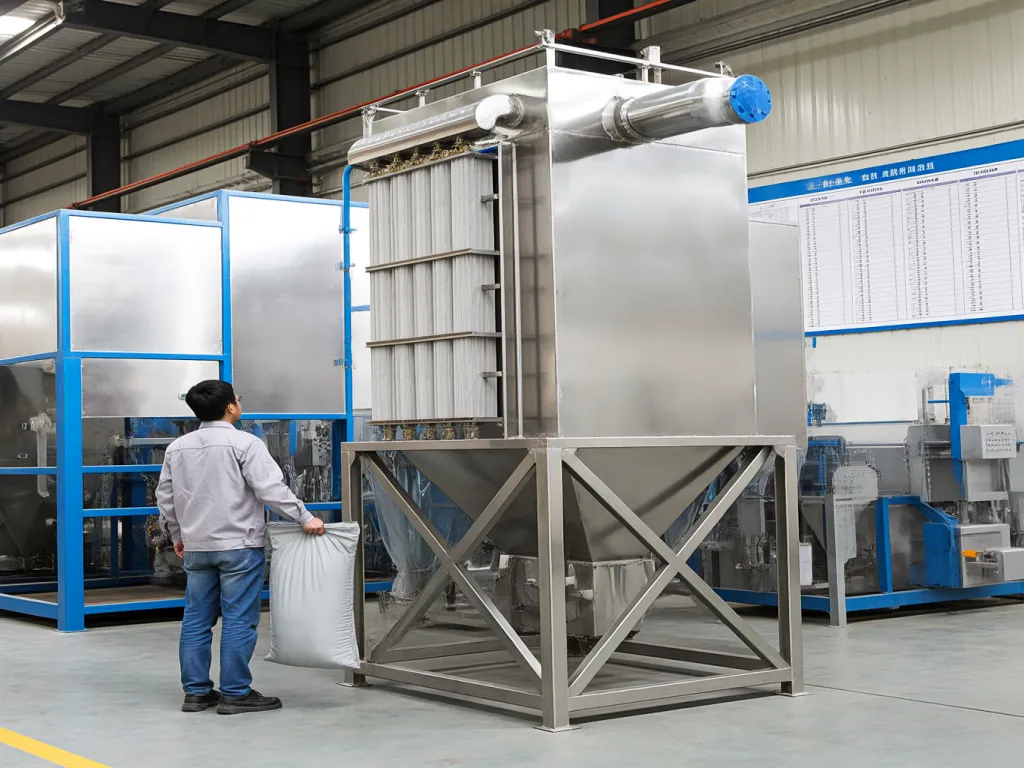
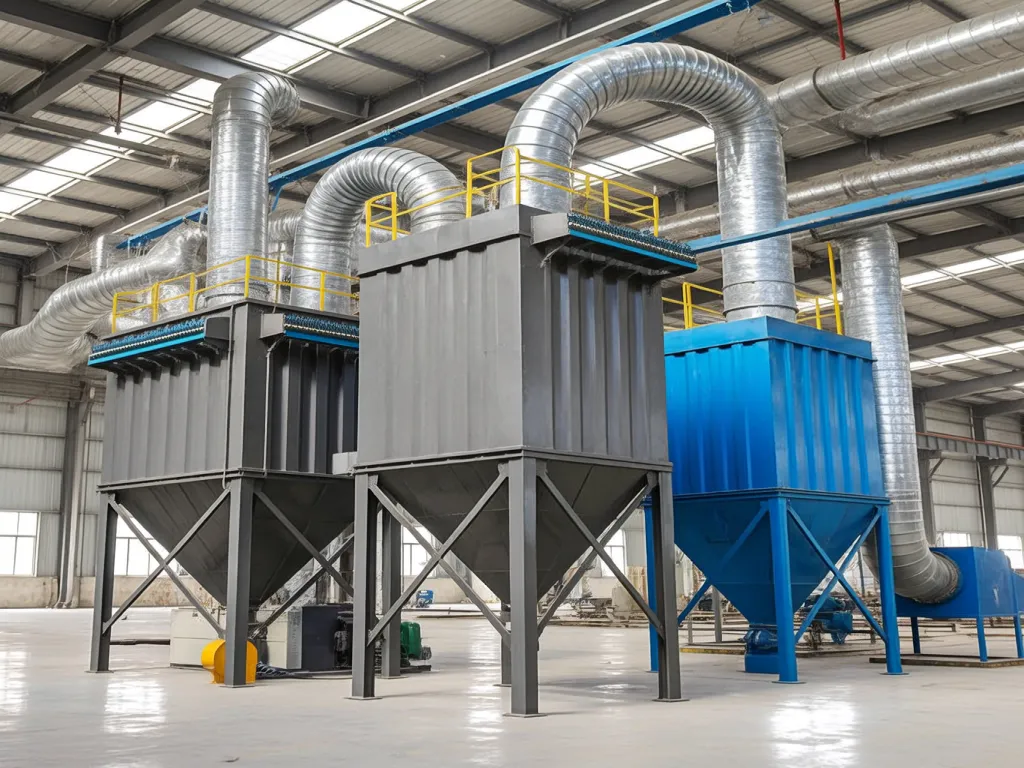
Imagine walking into an industrial facility. The air is thick with dust particles, and you can see the need for efficient dust collection systems. That’s where dust collectors come into play. They’re not just big boxes; they’re sophisticated machines designed to capture and remove dust from the air, ensuring a cleaner and safer working environment. But not all dust collectors are created equal. There are several types, each with its own unique working principle and ideal applications.
Now, you might be wondering, ‘How do I know which type of dust collector I have?’ Well, it’s usually pretty straightforward. Most dust collectors will have labels or markings indicating their type. If not, you can always check the manufacturer’s documentation or contact their customer support. Understanding the type of dust collector you’re working with is crucial because it directly impacts the type of filter bag you’ll need.
But it’s not just about the type; it’s also about the working principle. Each dust collector type has a specific way of capturing and removing dust, and this affects how the filter bags interact with the dust. For example, in a pulse-jet system, the filter bags are constantly being cleaned by the air pulses, so they don’t get as clogged as quickly. This means you might be able to use a filter bag with a slightly higher resistance to airflow. On the other hand, in a shaker system, the filter bags rely more on their physical structure to hold the dust until they’re shaken, so you’ll need a bag that can trap the dust effectively without letting it pass through. For more advanced dust collection solutions, consider exploring products like the High-Efficiency Industrial Cyclone Separator, which can complement your existing system.
Let’s take a real-world example. Suppose you’re working in a woodworking shop. The dust generated here is mostly wood chips and sawdust, which can be quite abrasive. If you have a pulse-jet dust collector, you’ll want filter bags made from a durable material like polyester or Nomex, which can withstand the abrasive dust and the high-pressure pulses. But if you have a reverse-blow system, you might opt for a softer material like polypropylene, which can handle the continuous airflow without getting damaged.
In conclusion, understanding the basic types of dust collectors and their working principles is the first step in matching filter bags to your existing system. It’s like knowing the rules of the game before you start playing. By taking the time to learn about your dust collector, you’ll be able to make an informed decision when it comes to choosing the right filter bags, ensuring optimal performance and longevity for your dust collection system. So, are you ready to take the next step and explore the world of filter bag materials and matching steps? Let’s dive in!
Pulse-Jet Dust Collectors: Power and Efficiency
The pulse-jet dust collector is a popular choice in many industrial settings due to its high efficiency and ability to handle large volumes of air and dust. Its working principle involves using compressed air to create short, intense bursts that clean the filter bags. This means the filter bags need to be durable enough to withstand the constant shaking. When selecting filter bags for a pulse-jet system, look for materials like polyester or Nomex, which offer excellent durability and resistance to abrasion.
Reverse-Blow Dust Collectors: Gentle and Effective
Unlike the pulse-jet, the reverse-blow dust collector uses a continuous flow of air in the opposite direction to clean the filter bags. This gentler method is suitable for applications where the dust is more delicate or where the bags need to last longer. For this type of dust collector, filter bags made from softer materials like polypropylene can be a good choice, as they can handle the continuous airflow without clogging or losing their shape.
Shaker Dust Collectors: Simple and Reliable
The shaker dust collector is a classic design that uses mechanical shaking to dislodge dust from the filter bags. It’s often used in smaller industrial settings or where the dust load isn’t as heavy. When choosing filter bags for a shaker system, flexibility is key. The bags need to be able to move with the shaking action but still be strong enough to hold up over time. Materials like cotton or polyester blends can work well in this application.

Filter Bag Types and Characteristics Analysis: A Detailed Look at Different Materials
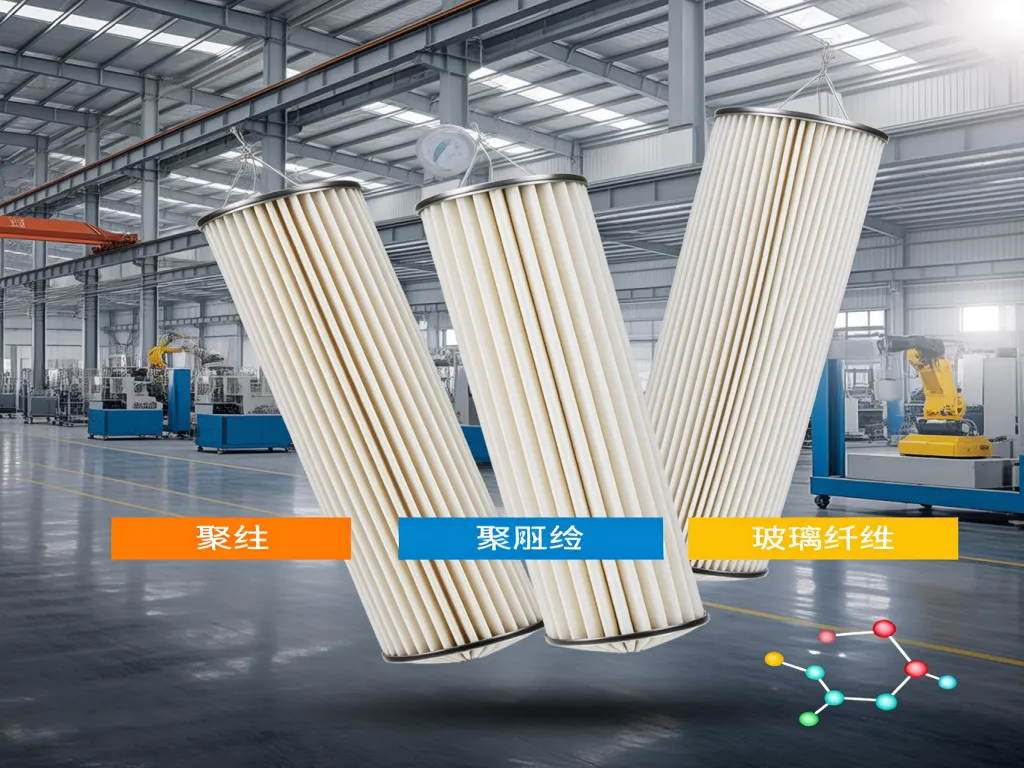
When it comes to matching filter bags to existing dust collectors, understanding the types and characteristics of various filter bag materials is crucial. Each material—be it polyester, polypropylene, or fiberglass—comes with its own set of advantages and drawbacks, tailored to specific industrial environments and operating conditions. Let’s dive into the nitty-gritty of these materials to help you make an informed decision.
Polyester Filter Bags: The Versatile Choice
Polyester filter bags are a popular choice in the industrial filtration landscape, thanks to their versatility and cost-effectiveness. They excel in environments where moderate temperatures and chemical resistance are required. Polyester bags offer excellent strength and durability, making them suitable for a wide range of applications, from woodworking to metal processing.
Advantages: Polyester’s resistance to abrasion and chemicals ensures a longer lifespan, reducing the frequency of replacements. Its hydrophobic nature also makes it effective in capturing fine dust particles without clogging easily.
Drawbacks: However, polyester isn’t the best fit for high-temperature applications, as its melting point is relatively low compared to other materials. In environments exceeding 250°F (121°C), polyester bags may degrade prematurely.
Best Fit: Ideal for moderate-temperature applications with moderate to high dust loads, such as cement plants, food processing, and general manufacturing.
Polypropylene Filter Bags: The Chemical Resistant Contender
Polypropylene filter bags shine in environments where chemical resistance is paramount. They’re impervious to most acids and alkalis, making them a go-to choice for industries dealing with corrosive substances.
Advantages: Polypropylene’s chemical inertness ensures it won’t react with or degrade due to contact with harsh chemicals. It also boasts good moisture resistance, preventing the bags from becoming waterlogged and reducing cleaning frequency.
Drawbacks: The main drawback of polypropylene is its lower melting point compared to fiberglass, limiting its use in high-temperature settings. Additionally, it may not be as durable as polyester in abrasive environments.
Best Fit: Perfect for chemical processing, pharmaceuticals, and any industry where exposure to corrosive substances is a concern.
Fiberglass Filter Bags: The High-Temperature Hero
When temperatures soar, fiberglass filter bags step up to the plate. Renowned for their exceptional heat resistance, fiberglass bags can withstand continuous operation at temperatures up to 500°F (260°C) and even higher for short periods.
Advantages: Fiberglass’s high-temperature tolerance makes it indispensable in industries like incineration, cement kilns, and power generation. Its strength and dimensional stability also ensure consistent performance over time.
Drawbacks: The downside? Fiberglass bags are more brittle than their polyester and polypropylene counterparts, making them susceptible to damage from mechanical stress or improper handling. They also require careful disposal due to potential health hazards from inhaling fiberglass particles.
Best Fit: Essential for high-temperature applications where other materials would fail, such as in boiler systems, waste-to-energy plants, and certain chemical processes.
Choosing the Right Material for Your Work Conditions
Selecting the right filter bag material hinges on understanding your specific work conditions. Ask yourself: What’s the operating temperature? Are there any corrosive chemicals present? How abrasive is the dust? By answering these questions, you can narrow down your options and choose a material that offers the best balance of performance, durability, and cost-effectiveness.
Remember, the ‘perfect’ filter bag doesn’t exist in a vacuum—it’s all about finding the right fit for your unique needs. So, take the time to assess your environment, consult with experts if needed, and invest in filter bags that will keep your dust collector running smoothly for years to come.

Matching Steps Explained: From Measuring Dust Collector Dimensions to Considering Environmental Factors
1. **Measuring Dust Collector Dimensions**
First things first, you need to know the exact dimensions of your dust collector. This isn’t just about the outer size; you’ll need to measure the internal dimensions where the filter bags will be installed. Grab a measuring tape and note down the length, width, and height of the compartment. Don’t forget to measure the diameter of the filter bag housing if it’s a cylindrical design. Why is this crucial? Well, a filter bag that’s too small won’t cover the necessary area, leading to inefficient dust collection. On the flip side, a bag that’s too large might not fit at all or could cause blockages, reducing airflow and potentially damaging your dust collector. So, precision here is key!
2. **Determining Filtration Efficiency Requirements**
Next up, you need to figure out your filtration efficiency needs. This depends on the type of dust or particulate matter you’re dealing with. Are you working with fine, hazardous dust that requires high-efficiency filtration? Or is it coarser material where a moderate efficiency might suffice? Consider the industry standards and regulations. For instance, in pharmaceuticals or food processing, you might need filter bags that meet stringent hygiene and efficiency criteria. On the other hand, in general manufacturing, you might have more flexibility. Knowing your efficiency requirements will help you narrow down the filter bag options significantly.
3. **Assessing Airflow and Velocity**
Airflow and velocity are two more critical factors to consider. The filter bag you choose must be able to handle the volume of air passing through the dust collector without causing excessive pressure drops. A pressure drop that’s too high can strain your system, leading to increased energy consumption and potential wear and tear. To assess this, you’ll need to know the airflow rate of your dust collector, usually measured in cubic feet per minute (CFM). Compare this with the filter bag’s recommended airflow capacity. You want a bag that can comfortably handle your system’s demands without pushing it to its limits.
4. **Considering Operating Temperature and Humidity**
Now, let’s talk about the environmental conditions your filter bag will face. Operating temperature and humidity can significantly impact the performance and lifespan of your filter bag. If your dust collector operates in a high-temperature environment, you’ll need a filter bag made from materials that can withstand those temperatures without melting or degrading. Similarly, in humid conditions, you’ll want a bag that’s resistant to moisture to prevent clogging and microbial growth. Don’t overlook these factors! Choosing a filter bag that’s not suited for your environmental conditions can lead to premature failure, increased downtime, and higher maintenance costs.
5. **Evaluating Chemical Resistance**
Depending on your industry, your dust collector might be exposed to various chemicals. Whether it’s corrosive gases, oils, or solvents, the filter bag you choose must be chemically resistant to prevent degradation. Check the filter bag’s specifications for chemical resistance. Manufacturers usually provide a list of chemicals the bag can withstand. If your application involves exposure to multiple chemicals, look for a bag that offers broad chemical resistance.
6. **Reviewing Cleaning Mechanisms**
Finally, consider the cleaning mechanism of your dust collector. Pulse-jet, reverse-air, and shaker mechanisms all have different requirements when it comes to filter bags. For instance, pulse-jet collectors require filter bags with sturdy construction to withstand the high-pressure pulses. On the other hand, shaker collectors might need bags with more flexibility to accommodate the shaking action. Make sure the filter bag you choose is compatible with your dust collector’s cleaning mechanism. Using the wrong type can lead to inefficient cleaning, reduced filtration efficiency, and even damage to the bag or the collector itself.
Mastering How to match filter bags to existing dust collectors isn’t just about efficiency—it’s about cost savings and longevity. By following our systematic approach, you’ll pinpoint the ideal filter bag for your setup, boosting performance while cutting maintenance costs. Why settle for subpar filtration when the perfect match is within reach? Share this guide with colleagues or explore our filter bag catalog to kickstart your upgrade. The next level of industrial filtration awaits—are you in?