
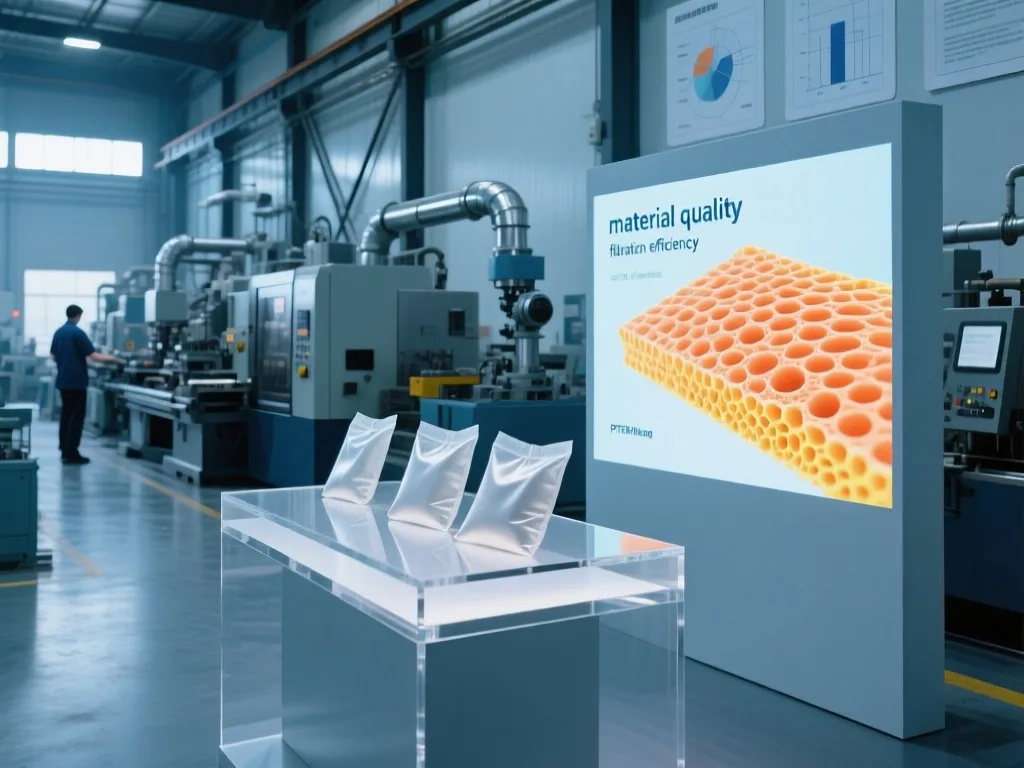
In the fast-paced world of industrial filtration, selecting the right equipment can mean the difference between seamless operations and costly downtime. When it comes to PTFE membrane filter bags, the stakes are even higher due to their critical role in maintaining clean air and efficient processes. But how do you ensure you’re choosing the best PTFE membrane filter bags for your specific needs? This guide dives deep into the essential factors—from material quality to filtration efficiency—that industrial buyers, facility managers, and engineers must consider to achieve optimal performance and longevity. Are you ready to make an informed decision that safeguards your operations?

Material Quality: The Foundation of PTFE Membrane Filter Bags
When it comes to selecting PTFE membrane filter bags for industrial applications, the quality of the material is not just a detail—it’s the cornerstone of performance, durability, and reliability. High-grade PTFE (Polytetrafluoroethylene) stands out as a superior choice due to its unique molecular structure and inherent properties, which collectively ensure exceptional resistance to wear, chemicals, and environmental stressors. But what exactly makes PTFE so special, and how does its quality impact the longevity and effectiveness of your filtration system? Let’s dive into the science and practical implications of choosing top-tier PTFE for your filter bags.
The Molecular Advantage of High-Grade PTFE
PTFE is a fluoropolymer composed of carbon and fluorine atoms arranged in a tightly packed, helical structure. This arrangement creates one of the most chemically inert and thermally stable materials known to industry. High-grade PTFE, in particular, undergoes rigorous purification and processing to eliminate impurities and optimize its molecular chain alignment. The result? A material with unparalleled resistance to degradation, even under extreme conditions. For instance, in corrosive environments where acids, bases, or solvents are prevalent, low-quality PTFE might break down over time, leading to filter failure and costly downtime. In contrast, premium PTFE maintains its integrity, ensuring consistent filtration performance and reducing the need for frequent replacements. Have you ever experienced unexpected filter bag failures due to material degradation? If so, upgrading to high-grade PTFE could be the solution you’ve been searching for. For more information on PTFE’s molecular structure, visit SpecialChem’s guide on PTFE.
Durability That Stands the Test of Time
Durability isn’t just about withstanding physical stress—it’s about maintaining performance in the face of repeated cycles of use, cleaning, and exposure to harsh conditions. High-grade PTFE excels in this regard due to its high tensile strength and low coefficient of friction. These properties make it resistant to abrasion, puncturing, and tearing, even when handling abrasive particulates or high-velocity airflows. Additionally, PTFE’s non-stick nature prevents particles from adhering to the filter surface, reducing clogging and extending service life. Imagine a filter bag that requires less maintenance, fewer replacements, and delivers consistent airflow or liquid throughput over months or even years. That’s the promise of high-quality PTFE—a material engineered to outlast and outperform its competitors. Are you tired of constantly replacing filter bags due to premature wear? It might be time to reassess your material choice.
Chemical Resistance: A Shield Against Corrosion
In industries like chemical processing, pharmaceuticals, and wastewater treatment, exposure to aggressive chemicals is a daily reality. Here, the chemical resistance of your filter material can mean the difference between smooth operations and catastrophic failure. High-grade PTFE is virtually impervious to most chemicals, including strong acids, bases, oxidizers, and organic solvents. This resistance stems from the strength of the carbon-fluorine bonds, which are among the strongest in organic chemistry. Unlike other materials that might swell, crack, or dissolve when exposed to certain substances, PTFE remains stable, ensuring your filtration system continues to function as intended. For example, in a pharmaceutical plant handling corrosive cleaning agents, PTFE filter bags can withstand repeated exposure without compromising performance or safety. How confident are you in your current filter bags’ ability to handle unexpected chemical spills or routine exposure to harsh substances? With high-grade PTFE, you can rest easy knowing your filtration system is protected. For detailed chemical resistance charts, refer to CalPac Lab’s PTFE chemical resistance chart.
The Role of Purity in PTFE Performance
Not all PTFE is created equal. The purity level of the material plays a critical role in its overall performance and longevity. High-grade PTFE is manufactured using advanced processes that minimize impurities like metal ions, moisture, and volatile compounds. These impurities, even in trace amounts, can act as catalysts for degradation or interfere with the material’s chemical resistance. For instance, in high-temperature applications, impurities can lead to premature aging or embrittlement of the filter bag. By choosing PTFE with a purity level of 99.9% or higher, you’re investing in a material that’s been optimized for maximum durability and reliability. Think of it like choosing premium fuel for your car—the higher the quality, the smoother and longer-lasting the performance. Are you willing to compromise on material purity when the stakes are so high?
Real-World Applications: Where High-Grade PTFE Shines
The benefits of high-grade PTFE aren’t just theoretical—they’re proven in real-world applications across diverse industries. In the food and beverage sector, PTFE’s non-toxicity and resistance to cleaning agents make it ideal for filtering liquids and gases in hygienic environments. In power generation, PTFE filter bags handle hot, corrosive flue gases with ease, reducing emissions and protecting downstream equipment. Even in aerospace, where extreme temperatures and chemical exposure are common, PTFE’s stability makes it a trusted choice for critical filtration systems. These examples highlight how investing in high-quality PTFE can unlock new possibilities for your operations, enabling you to tackle challenges that would be impossible with inferior materials. What’s holding you back from upgrading to a material that’s been tested and proven in the toughest environments? For more insights into PTFE’s chemical resistance properties, visit Kintek Solution’s FAQ on PTFE chemical resistance.

Filtration Efficiency: How Pore Size and Structure Impact Performance
When it comes to selecting PTFE membrane filter bags, understanding filtration efficiency is crucial. This efficiency isn’t just about how quickly a filter can process a fluid; it’s deeply tied to the pore size and structure of the membrane. These two factors play a pivotal role in determining how well a filter can capture particles, resist clogging, and maintain consistent performance over time. So, let’s dive into the world of pore sizes and structures and see how they influence filtration efficiency in various applications.
Pore Size: The Gateway to Filtration Precision
Pore size is perhaps the most intuitive factor affecting filtration efficiency. Imagine trying to sieve flour through a colander with large holes – most of it would pass right through, leaving you with a messy countertop and little usable flour. The same principle applies to filtration. Smaller pores can capture finer particles, offering higher filtration precision. However, this precision comes at a cost: smaller pores can also lead to higher pressure drops across the filter, requiring more energy to push the fluid through. On the other hand, larger pores allow for faster flow rates but may let smaller particles slip through, compromising the quality of the filtered fluid. So, how do you strike the right balance? It all depends on your specific application. For instance, in pharmaceutical manufacturing, where purity is paramount, smaller pores are often preferred despite the higher pressure drop. In contrast, in wastewater treatment, where the goal is to remove large solids, larger pores may be more efficient and cost-effective. For a deeper understanding of pore size selection, you can refer to this research on PTFE membrane pore sizes.
Pore Structure: The Hidden Hero of Filtration Efficiency
While pore size gets a lot of attention, pore structure is equally important – and often overlooked. The structure of the pores in a PTFE membrane can significantly impact how particles are captured and how the filter performs over time. There are two main types of pore structures: symmetric and asymmetric. Symmetric pores have a uniform size and shape throughout the membrane, offering consistent filtration performance. However, they can be prone to clogging, especially when dealing with high concentrations of particles. Asymmetric pores, on the other hand, have a gradient in size and shape, with larger pores on one side and smaller pores on the other. This design allows for higher flow rates and better resistance to clogging, as larger particles are captured by the larger pores before they can reach the smaller, more precise pores. Asymmetric pore structures are particularly useful in applications where the fluid contains a wide range of particle sizes, such as in chemical processing or food and beverage production. For more insights into pore structures, consider exploring this scientific article on membrane filtration.
Applications: Where Pore Size and Structure Make All the Difference
Now that we’ve explored the basics of pore size and structure, let’s see how these factors play out in real-world applications. In the pharmaceutical industry, for example, PTFE membrane filter bags with small, symmetric pores are often used to sterilize liquids and gases. The high precision of these filters ensures that even the smallest contaminants, such as bacteria and viruses, are removed, making the final product safe for consumption. In contrast, in the automotive industry, where the goal is to remove larger particles from lubricating oils and coolants, larger, asymmetric pores may be more appropriate. These filters can handle higher flow rates and resist clogging, even in harsh operating conditions. And let’s not forget about the food and beverage industry, where PTFE membrane filters are used to clarify juices, wines, and beers. Here, a combination of pore sizes and structures may be employed to remove both large solids and fine particulates, ensuring a clear, high-quality product. For specific case studies on these applications, you can check this guide on membrane filtration applications.
Choosing the Right Pore Size and Structure for Your Needs
With so many options available, how do you choose the right pore size and structure for your PTFE membrane filter bags? The key is to understand your specific application and the challenges it presents. Start by identifying the size range of particles you need to remove. This will give you a starting point for selecting the appropriate pore size. Next, consider the flow rate requirements of your system. If you need high flow rates, an asymmetric pore structure may be more suitable. Finally, think about the operating conditions, such as temperature and chemical exposure. Some PTFE membranes are designed to withstand higher temperatures or more aggressive chemicals, so make sure to choose a filter that can handle your specific environment. By taking these factors into account, you can select PTFE membrane filter bags that offer optimal filtration efficiency and longevity for your application. For additional guidance, refer to this comprehensive study on PTFE membrane filters.
Temperature Resistance and Chemical Compatibility of PTFE Membrane Filter Bags
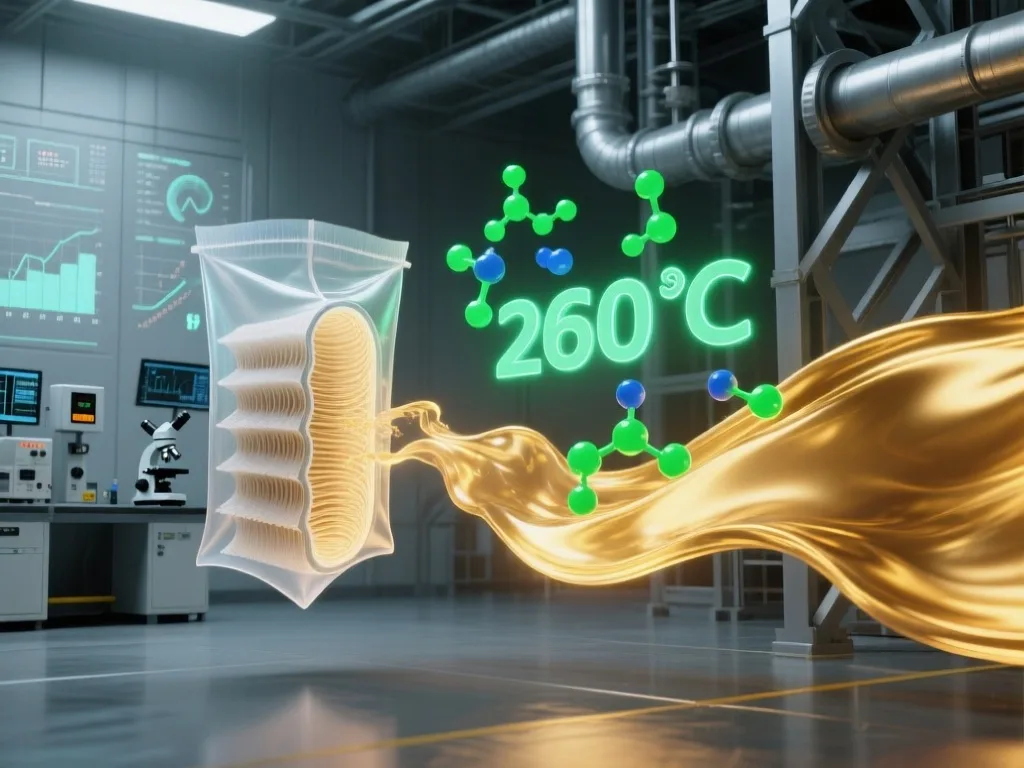
When it comes to selecting the right PTFE membrane filter bags for your industrial applications, understanding their temperature resistance and chemical compatibility is absolutely essential. These two factors can significantly impact the performance, longevity, and overall effectiveness of your filtration system. So, why are they so important, and which industries rely heavily on these characteristics? Let’s dive in and explore. First off, PTFE membrane filter bags are renowned for their exceptional temperature resistance. Unlike some other materials that might degrade or lose their structural integrity at high temperatures, PTFE remains stable and effective. This means that even in environments where temperatures soar, you can count on PTFE membrane filter bags to maintain their filtration efficiency without compromising on quality. But how high can these temperatures go? Well, it depends on the specific grade and construction of the PTFE membrane, but generally speaking, they can withstand continuous operating temperatures of up to 260°C (500°F). That’s pretty impressive, right? For a deeper understanding of the thermal stability of PTFE, you can refer to this scientific study. Now, let’s talk about chemical compatibility. This is another area where PTFE membrane filter bags truly shine. PTFE is chemically inert, meaning it doesn’t react with most chemicals, acids, or bases. This makes it an ideal choice for applications where the filtration media might come into contact with corrosive substances. Whether you’re dealing with strong acids, alkalis, or organic solvents, PTFE membrane filter bags can handle it all without breaking down or leaching harmful substances into your process stream. For more insights into the chemical resistance of PTFE, you can explore this research article. So, which industries rely heavily on the temperature resistance and chemical compatibility of PTFE membrane filter bags? One obvious example is the chemical processing industry. Here, processes often involve high temperatures and corrosive chemicals, making PTFE the go-to material for filtration solutions. Another industry that benefits greatly from PTFE’s properties is the pharmaceutical industry. In pharmaceutical manufacturing, maintaining a sterile and contaminant-free environment is crucial. PTFE membrane filter bags can withstand the high temperatures used in sterilization processes and resist the chemicals used in cleaning and sanitization, ensuring the integrity of the final product. The food and beverage industry is another sector where PTFE membrane filter bags find extensive use. From filtering juices and syrups to processing dairy products and beer, PTFE’s temperature resistance and chemical compatibility make it an ideal choice for maintaining product quality and safety. And let’s not forget about the power generation industry. In coal-fired power plants, for example, the flue gas contains a variety of corrosive substances and operates at high temperatures. PTFE membrane filter bags can effectively capture particulate matter from the flue gas without degrading, helping to reduce emissions and protect the environment. In summary, the temperature resistance and chemical compatibility of PTFE membrane filter bags are two critical factors that make them suitable for a wide range of industrial applications. Whether you’re dealing with high temperatures, corrosive chemicals, or both, PTFE membrane filter bags can provide reliable and long-lasting filtration performance. For additional scientific validation of PTFE’s properties, you can consult this comprehensive study.
Temperature Resistance in Detail
The ability of PTFE membrane filter bags to withstand high temperatures is a game-changer for many industries. Imagine a scenario where you’re trying to filter a hot process stream, but the filtration media starts to degrade or melt at the operating temperature. Not only would this compromise the filtration efficiency, but it could also lead to costly downtime and maintenance issues. With PTFE membrane filter bags, you don’t have to worry about that. Their high melting point and thermal stability ensure that they can handle even the most demanding high-temperature applications without breaking a sweat. This makes them an ideal choice for industries like metal processing, where molten metals and high-temperature gases are commonplace.
Chemical Compatibility Explained
Chemical compatibility is equally important when it comes to selecting the right filtration media. In many industrial processes, the filtration media might come into contact with a variety of chemicals, acids, or bases. If the media isn’t chemically resistant, it can lead to degradation, contamination, or even failure of the filtration system. PTFE membrane filter bags, on the other hand, are chemically inert and can resist attack from most corrosive substances. This means you can use them with confidence in applications where chemical resistance is a must, such as in the production of chemicals, pharmaceuticals, or food products.
Industries That Benefit the Most
While PTFE membrane filter bags are suitable for a wide range of industries, some benefit more than others from their temperature resistance and chemical compatibility. The chemical processing industry, as mentioned earlier, is a prime example. Here, processes often involve extreme conditions, and PTFE’s properties make it an ideal choice for ensuring reliable and efficient filtration. The pharmaceutical industry is another sector that relies heavily on PTFE membrane filter bags. The strict quality and safety standards in pharmaceutical manufacturing require filtration media that can withstand sterilization processes and resist chemical attack. PTFE fits the bill perfectly. And let’s not forget about the food and beverage industry, where product quality and safety are of utmost importance. PTFE membrane filter bags can help maintain the purity and integrity of food products by effectively capturing contaminants without introducing any harmful substances into the process stream.
Selecting the right PTFE membrane filter bags requires careful consideration of material quality, filtration efficiency, chemical compatibility, and temperature resistance. By assessing these factors against your specific industrial needs, you can ensure long-lasting performance and reliability. Whether you’re dealing with high-temperature applications or corrosive environments, understanding these key elements will empower you to make the best choice. For further assistance, explore our product guide or consult with our experts to find the perfect PTFE membrane filter bags for your facility. What other filtration challenges are you facing today?