
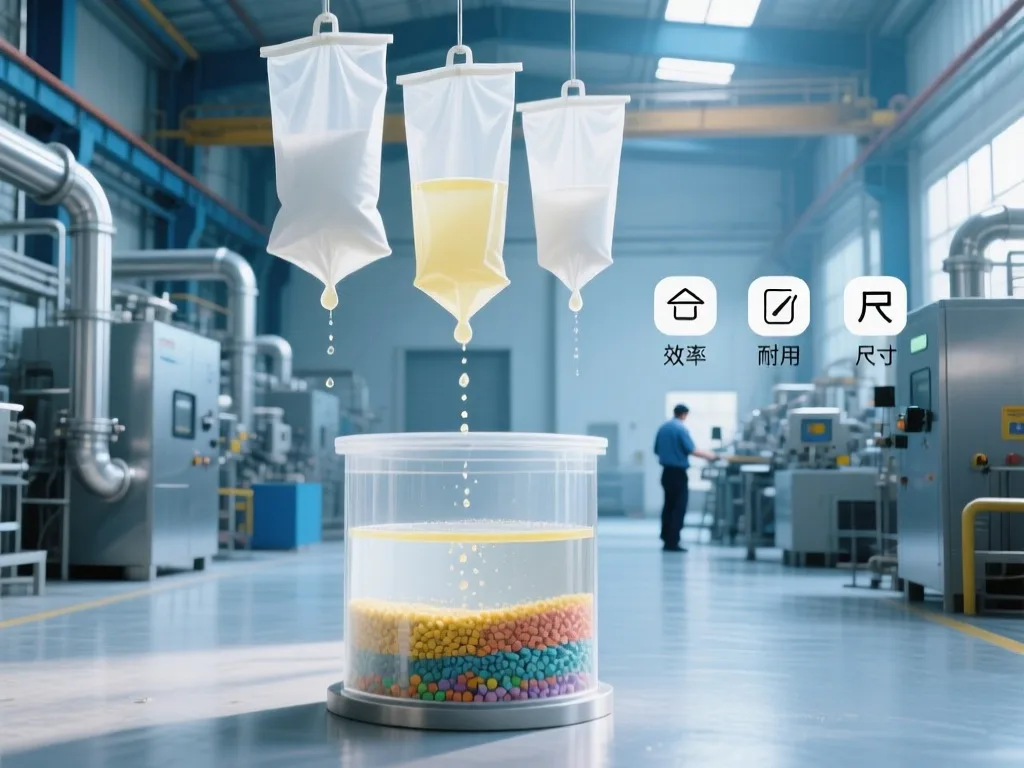
Selecting the right filtration solution is critical for maintaining operational efficiency and minimizing downtime in industrial settings. When it comes to industrial filtration, the PP filter bag stands out as a versatile and cost-effective choice. But how do you ensure you’re choosing the best PP filter bag for your specific needs? This guide dives deep into the key factors—filtration efficiency, material durability, and size compatibility—that industrial professionals and facility managers must consider. By the end, you’ll have a clear roadmap to selecting a high-performance PP filter bag that delivers long-lasting results. Have you ever wondered if you’re overlooking a critical aspect of your filtration system?
Understanding Filtration Efficiency in PP Filter Bags
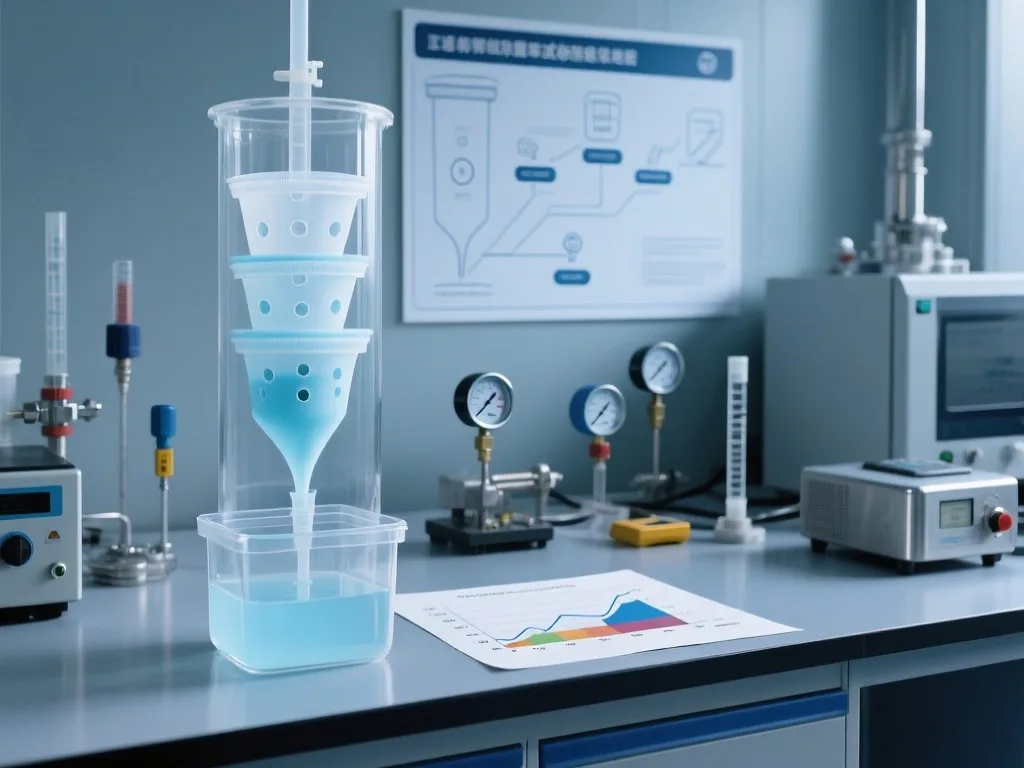
When it comes to selecting the right PP filter bag for your industrial needs, understanding filtration efficiency is crucial. Filtration efficiency refers to the ability of a filter bag to capture and retain particles of a specific size from a fluid stream. It’s a key performance indicator that determines how well your filtration system will work and how long your filter bags will last. But how exactly is filtration efficiency measured, and what factors influence it? Let’s dive into the details to help you make an informed decision for your industrial filtration requirements.
How to Measure Filtration Efficiency
Measuring filtration efficiency involves evaluating the percentage of particles captured by the filter bag compared to the total number of particles present in the fluid stream. This is typically done using standardized testing methods, such as the ASTM F795 test, which measures the efficiency of filter media in capturing particles of a specific size range. During testing, a known concentration of particles is passed through the filter bag, and the number of particles that pass through is measured. The filtration efficiency is then calculated as the percentage of particles retained by the filter bag. This data provides valuable insights into the performance of different PP filter bags and helps you compare their effectiveness in capturing particles of varying sizes. For more in-depth information on filtration performance testing, you can refer to this study on filtration performance.
Factors Affecting Filtration Efficiency
Several factors influence the filtration efficiency of PP filter bags, with pore size and media thickness being two of the most critical. Let’s explore these factors in detail to understand their impact on filtration performance.
Pore Size and Its Impact on Filtration Efficiency
Pore size refers to the size of the openings in the filter media through which the fluid passes. It plays a significant role in determining the filtration efficiency of a PP filter bag. Smaller pore sizes are generally more effective at capturing finer particles, resulting in higher filtration efficiency. However, smaller pores also increase the resistance to fluid flow, which can lead to higher pressure drops across the filter bag. This means that while smaller pores may offer better filtration, they may also require more energy to maintain the same flow rate, potentially increasing operational costs. On the other hand, larger pore sizes allow for easier fluid flow but may not capture smaller particles as effectively, reducing filtration efficiency. Therefore, selecting the right pore size for your PP filter bag involves balancing filtration efficiency with flow rate and pressure drop considerations.
Media Thickness and Its Role in Filtration Efficiency
Media thickness is another critical factor that affects the filtration efficiency of PP filter bags. Thicker media generally provide more surface area for particle capture, enhancing filtration efficiency. The increased thickness allows for more layers of filter media, which can trap particles more effectively, especially those that may penetrate the outer layers of thinner media. However, thicker media also increase the resistance to fluid flow, similar to smaller pore sizes, potentially leading to higher pressure drops and increased energy consumption. Additionally, thicker media may have a higher initial cost and may require more frequent replacement if they become clogged with particles. To learn more about the relationship between filtration rate and media thickness, you can read this research on filtration rate and media thickness. Therefore, when selecting the media thickness for your PP filter bag, it’s essential to consider the trade-off between filtration efficiency, flow rate, pressure drop, and cost to find the optimal solution for your specific industrial application.
Other Factors Influencing Filtration Efficiency
While pore size and media thickness are primary factors affecting filtration efficiency, other elements also play a role. The type of PP material used in the filter bag can influence its ability to capture and retain particles. Some PP materials may have a smoother surface, reducing particle adhesion, while others may have a rougher texture, enhancing particle capture. The construction of the filter bag, including the presence of pleats or layers, can also impact filtration efficiency by increasing the surface area available for particle capture. Additionally, the operating conditions, such as fluid viscosity, temperature, and flow rate, can affect how well the filter bag performs in capturing particles. For further reading on the impact of environmental factors on filtration, you may find this article on environmental factors and filtration useful. Understanding these factors and their interplay is essential for selecting a PP filter bag that offers optimal filtration efficiency for your specific industrial needs.

Exploring Material Durability: PP Types and Their Resistance to Chemicals, Heat, and Wear
When selecting a PP filter bag for your industrial needs, understanding the durability of different polypropylene (PP) materials is crucial. PP is a versatile polymer, but not all PP is created equal. Different manufacturing processes and additives can significantly affect a PP filter bag’s resistance to chemicals, heat, and wear. So, how do you choose the right one for your specific application? Let’s break it down by examining the most common types of PP materials used in filter bags and their unique properties.
Types of PP Materials and Their Chemical Resistance
Chemical resistance is a top priority when selecting a PP filter bag, especially in industries dealing with corrosive substances. Standard PP (homopolymer) offers good resistance to many acids, alkalis, and solvents, but it can degrade when exposed to strong oxidizing agents or certain hydrocarbons. For enhanced chemical resistance, manufacturers often use copolymer PP, which incorporates ethylene during polymerization. This modification improves the material’s ability to withstand harsh chemicals, making it ideal for applications involving aggressive fluids or gases. Another option is treated PP, where additives or coatings are applied to boost resistance to specific chemicals. For example, PTFE-coated PP filter bags are highly resistant to almost all chemicals, including strong acids and bases, making them suitable for the most demanding environments. When evaluating chemical resistance, always consider the concentration and temperature of the substances your filter bag will encounter. Even the most resistant materials have limits, and prolonged exposure to extreme conditions can lead to degradation.
Heat Resistance: How Different PP Materials Perform Under High Temperatures
Heat resistance is another critical factor, particularly in industries like metal processing, incineration, or chemical manufacturing, where high temperatures are common. Standard PP has a melting point around 160-170°C (320-338°F), but its continuous service temperature is typically lower, around 100-120°C (212-248°F). Beyond this range, the material can soften, deform, or even melt, compromising filtration efficiency and structural integrity. To address this, manufacturers develop high-temperature-resistant PP variants. One approach is to use stabilized PP, where heat stabilizers are added to delay thermal degradation. These stabilizers absorb or neutralize heat-induced free radicals, extending the material’s useful life at elevated temperatures. Another method is to use reinforced PP, where fibers or fillers like glass or carbon are incorporated to improve thermal stability and mechanical strength. For extreme heat applications, consider PP blends or composites. For instance, PP blended with polyphenylene sulfide (PPS) or other high-performance polymers can withstand temperatures up to 200°C (392°F) or more, making them suitable for the harshest industrial environments. Always check the manufacturer’s specifications for maximum operating temperature and ensure your application stays within safe limits.
Wear Resistance: Ensuring Longevity in Abrasive Environments
Wear resistance is essential if your PP filter bag will be exposed to abrasive particles, high flow rates, or frequent cleaning cycles. In such conditions, even a small amount of wear can lead to premature failure, increased downtime, and higher replacement costs. So, how can you ensure your filter bag lasts as long as possible? The key lies in selecting a PP material with inherent wear resistance or one that’s been enhanced through specific manufacturing techniques. Standard PP has moderate wear resistance, but it can be improved by increasing its molecular weight or crystallinity. Higher molecular weight PP has longer polymer chains, which resist breaking under stress, while higher crystallinity provides a more rigid structure that’s less prone to abrasion. Another approach is to use calendared or sintered PP, where the material is compressed or fused under heat and pressure to create a denser, more abrasion-resistant layer. This process eliminates voids and weak points, making the filter bag more durable in high-wear applications. For the toughest environments, consider reinforced or coated PP filter bags. Reinforced bags incorporate wear-resistant fibers like aramid or polyester into the PP matrix, while coated bags feature a protective layer of PTFE, silicone, or other durable materials. These enhancements significantly extend the filter bag’s service life, reducing the need for frequent replacements and lowering long-term costs.
Comparing PP Materials: Which One is Right for You?
Now that we’ve explored the different types of PP materials and their resistance to chemicals, heat, and wear, how do you decide which one is best for your application? Start by assessing your specific needs. If chemical resistance is your top priority, copolymer PP or treated PP (e.g., PTFE-coated) may be the best choice. For high-temperature applications, look for stabilized, reinforced, or blended PP variants that can withstand extreme heat without degrading. If wear resistance is critical, consider calendared, sintered, or reinforced PP filter bags designed to handle abrasive conditions. Don’t forget to factor in other variables like filtration efficiency, pressure drop, and cost. A highly durable material may be more expensive upfront, but it could save you money in the long run by reducing downtime and replacement frequency. Similarly, a material with excellent chemical resistance might not be necessary if your application involves mild, non-corrosive substances. Ultimately, the right PP filter bag is one that balances durability with performance and cost-effectiveness. By understanding the strengths and limitations of each PP material type, you can make an informed decision that ensures reliable, long-lasting filtration in your industrial operations.
Size Compatibility: How to Measure and Match PP Filter Bags
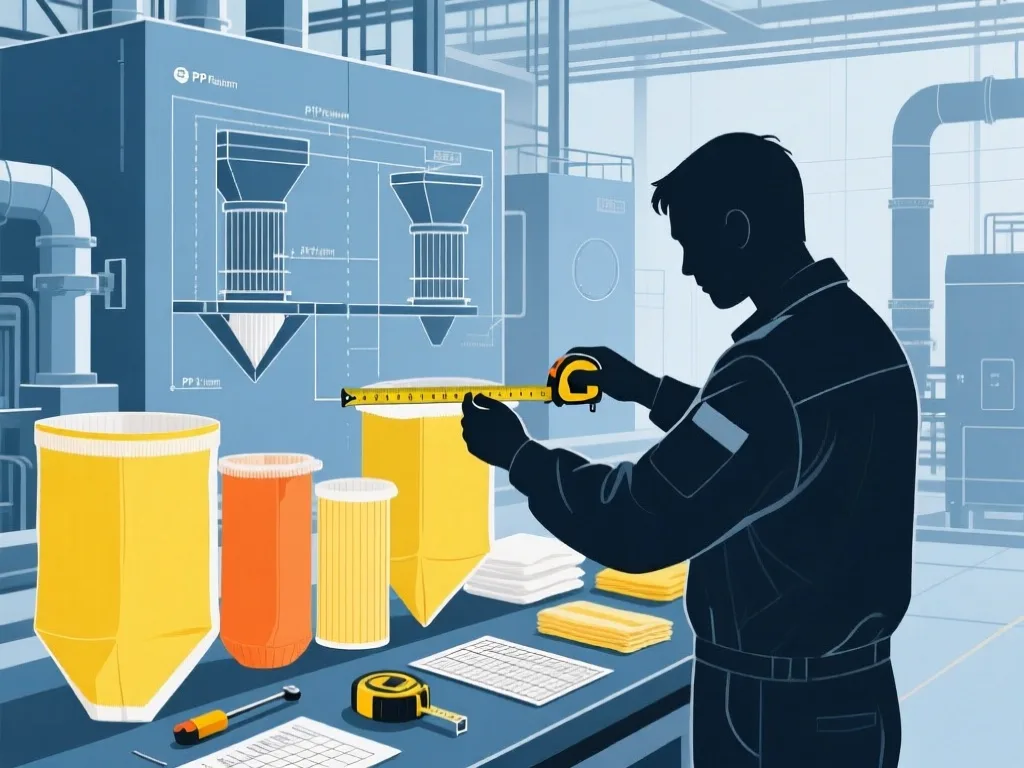
When selecting the right PP filter bag for your industrial equipment, size compatibility is a critical factor that significantly impacts filtration performance and system efficiency. You might wonder, how exactly do I measure and match PP filter bags with my specific equipment? Let’s break down the process step by step to ensure you make the right choice every time. First and foremost, understanding the dimensions of your equipment is essential. Most industrial filtration systems, such as dust collectors, baghouses, or cartridge filters, have specific requirements for filter bag size. These dimensions typically include the diameter, length, and neck size of the bag. To measure accurately, start by determining the diameter of the filter bag opening. This is usually measured in inches and can range from small sizes like 4 inches to larger ones like 16 inches or more, depending on the application. Next, measure the length of the filter bag from the top of the neck to the bottom of the bag. This measurement is equally important because an incorrectly sized bag can lead to improper fit, causing leaks or reduced filtration efficiency. Finally, don’t forget to measure the neck size, which is the part of the bag that attaches to the filter frame or holder. A mismatched neck size can result in the bag not seating properly, leading to bypass of contaminants and potential damage to the equipment. Once you have these measurements, compare them with the manufacturer’s specifications for the PP filter bags you are considering. It’s always a good idea to double-check these dimensions, as even a slight discrepancy can cause issues down the line. But size isn’t the only factor to consider when matching PP filter bags with your equipment. You also need to think about the type of filtration system you are using. For example, a dust collector might require a different type of PP filter bag compared to a baghouse or a cartridge filter. Each system has its own unique design and operational requirements, which can influence the choice of filter bag material, thickness, and even the type of closure mechanism used. Another aspect to consider is the operating conditions of your equipment. Factors such as temperature, humidity, and the presence of corrosive chemicals can all affect the performance and lifespan of your PP filter bags. For instance, if your equipment operates at high temperatures, you’ll need a PP filter bag that can withstand those conditions without degrading or losing its structural integrity. Similarly, if your process involves exposure to harsh chemicals, you’ll want a bag that is chemically resistant to prevent premature failure. So, how do you ensure that the PP filter bags you select are compatible with your equipment and operating conditions? One effective approach is to consult with the manufacturer or a knowledgeable supplier who can provide guidance based on your specific needs. They can help you identify the right size, material, and design features that will work best for your application. Additionally, many manufacturers offer custom-made PP filter bags that can be tailored to fit your equipment perfectly, ensuring optimal performance and longevity. In summary, selecting the right size PP filter bag for your industrial equipment involves careful measurement of key dimensions, understanding the requirements of your filtration system, and considering the operating conditions of your process. By taking these factors into account, you can ensure that your PP filter bags fit properly, perform efficiently, and last longer, ultimately saving you time and money in the long run.
Measuring Key Dimensions
To ensure a perfect fit, start by measuring the diameter, length, and neck size of your filter bag. The diameter is typically measured at the opening of the bag, while the length is measured from the top of the neck to the bottom. The neck size is crucial for proper attachment to the filter frame. Accurate measurements are vital to prevent issues like leaks or reduced filtration efficiency.
Considering Filtration System Type
Different filtration systems, such as dust collectors, baghouses, or cartridge filters, have unique design and operational requirements. For example, a dust collector might need a different type of PP filter bag compared to a baghouse. Understanding your system’s specific needs helps in selecting the right bag material, thickness, and closure mechanism.
Evaluating Operating Conditions
Operating conditions like temperature, humidity, and chemical exposure can impact the performance of PP filter bags. High temperatures require bags that can withstand heat without degrading, while chemical resistance is crucial in processes involving corrosive substances. Consulting with manufacturers or suppliers can help identify bags suitable for your conditions.
Custom-Made Solutions
For applications with unique requirements, custom-made PP filter bags offer a tailored solution. These bags can be designed to fit specific equipment perfectly, ensuring optimal performance and longevity. Manufacturers can provide guidance on custom options based on your needs, helping you achieve the best filtration results.
Choosing the right PP filter bag is more than just a purchase—it’s an investment in your industrial operations’ efficiency and longevity. By focusing on filtration efficiency, material durability, and size compatibility, you can select a PP filter bag that meets your unique needs and delivers consistent performance. Remember, an informed decision today can save you time, money, and headaches tomorrow. Ready to upgrade your filtration system? Share this guide with your team or explore our range of high-performance PP filter bags designed for industrial use. What other filtration challenges are you facing?