
Industrial dust collector filter bags in use

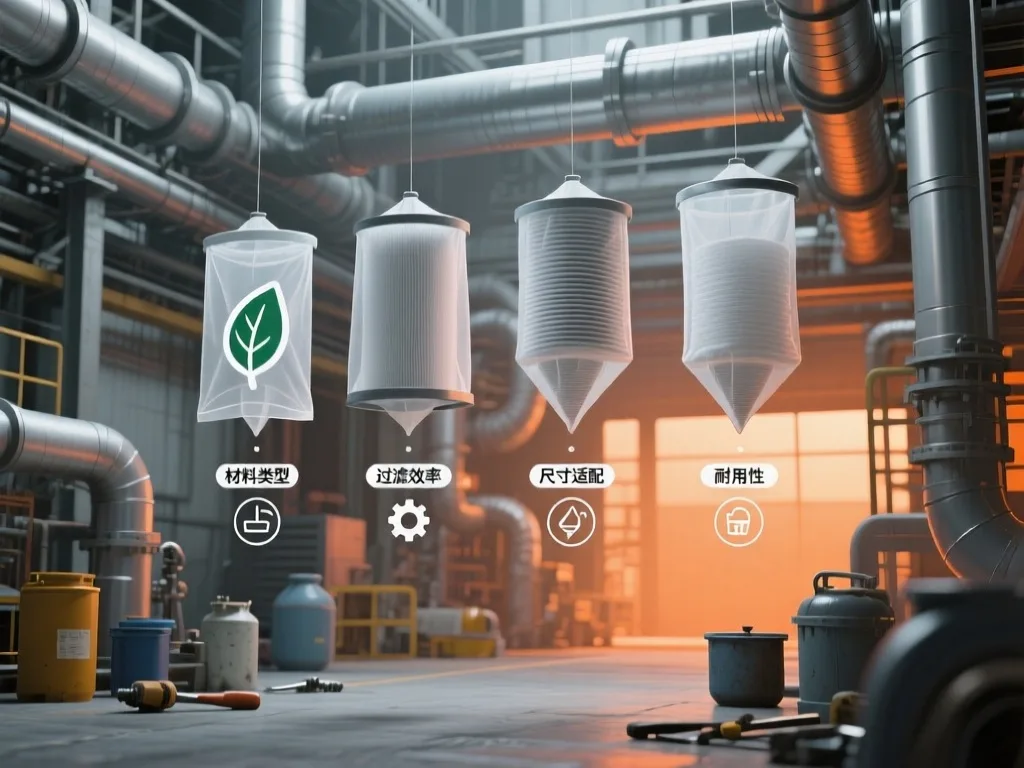
Selecting the right dust collector filter bags is crucial for maintaining air quality and optimizing system performance in industrial environments. With a variety of materials, filtration efficiencies, and sizes available, how can you ensure you’re making the best choice for your specific needs? This blog explores the essential criteria—material type, filtration efficiency, size compatibility, and durability—to help you confidently choose dust collector filter bags that deliver optimal results. Let’s dive into the details.

Installation process of dust collector filter bags

Dust Collector Filter Bag Material Types: Polyester, Polypropylene, and Aramid

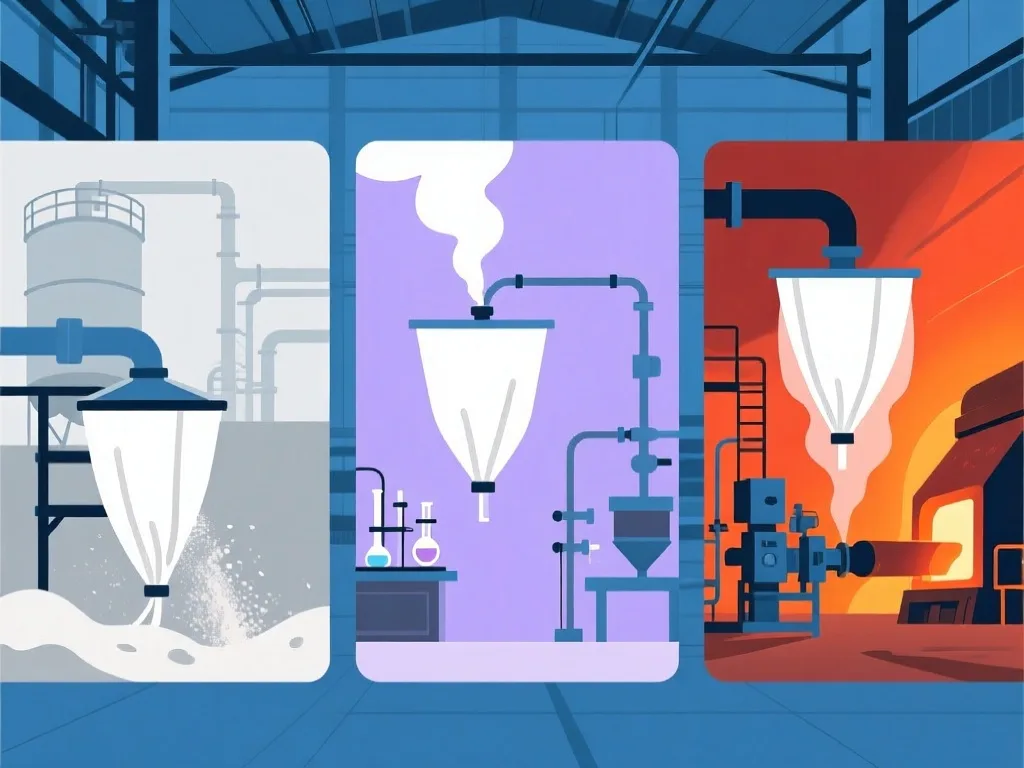
When it comes to selecting the right dust collector filter bags for your industrial operations, understanding the different material types available is crucial. Each material offers unique advantages tailored to specific environments and dust types, ensuring optimal performance and longevity. Let’s dive into the three most common materials—polyester, polypropylene, and aramid—and explore their strengths in various industrial settings. Polyester filter bags are a popular choice due to their versatility and cost-effectiveness. They perform exceptionally well in environments where moderate temperatures and chemical resistance are required. Polyester’s inherent strength and durability make it suitable for capturing fine particulates like cement dust, gypsum, and food processing byproducts. Its resistance to abrasion ensures longevity, even in high-velocity airflow systems. Additionally, polyester’s moisture resistance prevents clumping or degradation when exposed to humidity, making it ideal for applications involving damp dust. If your facility operates in a moderate-temperature range (up to 150°C) and deals with non-aggressive dust, polyester filter bags are a reliable and budget-friendly option. For industries handling corrosive or chemically reactive dust, polypropylene filter bags shine. This material is highly resistant to acids, alkalis, and organic solvents, making it perfect for chemical processing, pharmaceutical manufacturing, and wastewater treatment plants. For more detailed chemical compatibility information, refer to the polypropylene chemical compatibility chart. Polypropylene’s lightweight nature reduces energy consumption by minimizing pressure drop across the system, while its hydrophobic properties repel moisture and prevent bacterial growth. This makes it an excellent choice for applications involving sticky or hygroscopic dust, such as sugar or salt processing. However, polypropylene has a lower melting point (around 170°C), so it’s not suitable for high-temperature environments. If your operations involve aggressive chemicals or sticky particulates, polypropylene filter bags offer unmatched resistance and efficiency. In extreme conditions—think high temperatures, abrasive dust, or flammable environments—aramid filter bags are the go-to solution. Aramid fibers, such as Nomex®, are engineered to withstand temperatures up to 250°C without losing structural integrity. This makes them indispensable in metal smelting, foundries, and incineration plants where heat resistance is non-negotiable. Aramid’s inherent flame retardancy and resistance to abrasion ensure reliability in harsh settings, while its low thermal shrinkage prevents bag failure under rapid temperature changes. Additionally, aramid bags are chemically stable, though not as resistant as polypropylene to certain acids. For specialized filtration needs, consider exploring PTFE-coated baghouse dust collector filter bags, which offer enhanced chemical resistance and filtration efficiency. If your facility deals with abrasive dust like sand, glass, or metal shavings at elevated temperatures, aramid filter bags provide unmatched durability and safety. By aligning the material type with your specific industrial demands—whether it’s cost-efficiency, chemical resistance, or heat tolerance—you can maximize filtration performance while minimizing downtime and replacement costs.

Polyester: The All-Rounder for Moderate Conditions

Polyester filter bags excel in environments where moderate temperatures and chemical resistance are key. Their strength and abrasion resistance make them ideal for capturing fine particulates like cement dust, gypsum, and food processing byproducts. Moisture resistance prevents clumping, ensuring consistent airflow even in humid conditions. For facilities operating below 150°C with non-aggressive dust, polyester offers a cost-effective and durable solution.

Polypropylene: Chemical Resistance for Aggressive Dust

Polypropylene filter bags are designed for industries handling corrosive or chemically reactive dust, such as chemical processing, pharmaceuticals, and wastewater treatment. Their resistance to acids, alkalis, and organic solvents prevents degradation, while hydrophobic properties repel moisture and inhibit bacterial growth. Lightweight and energy-efficient, polypropylene bags are perfect for sticky or hygroscopic dust like sugar or salt, though they’re not suitable for high-temperature applications. For more information on polypropylene’s chemical resistance, consult resources like Braskem’s technical guide.

Aramid: Extreme Durability for Harsh Environments

Aramid filter bags, like Nomex®, are engineered for extreme conditions, including high temperatures (up to 250°C), abrasive dust, and flammable environments. Their flame retardancy and abrasion resistance make them indispensable in metal smelting, foundries, and incineration plants. Low thermal shrinkage ensures reliability under rapid temperature changes, while chemical stability provides added protection. For abrasive dust like sand or metal shavings at elevated temperatures, aramid bags offer unmatched durability.

High efficiency dust collector filter bags for industrial use

Understanding Filtration Efficiency Ratings and Their Impact on Air Quality and System Performance

When it comes to selecting dust collector filter bags, filtration efficiency ratings are not just numbers—they’re the backbone of your system’s performance and air quality. Imagine running a manufacturing plant where airborne particles are constantly generated. Without proper filtration, these particles can lead to poor air quality, equipment damage, and even health risks for workers. That’s why understanding filtration efficiency ratings, including MERV ratings and particle retention capabilities, is essential for making informed decisions about your dust collection system. Let’s break down what these ratings mean and how they influence your operations.

What Are MERV Ratings and Why Do They Matter?

MERV, or Minimum Efficiency Reporting Value, is a standardized rating system developed by ASHRAE (American Society of Heating, Refrigerating, and Air-Conditioning Engineers) to measure how effectively a filter captures particles of different sizes. The scale ranges from MERV 1 to MERV 20, with higher numbers indicating better filtration performance. For example, a MERV 8 filter can capture particles as small as 3 microns, making it suitable for general industrial applications. On the other hand, a MERV 16 filter can trap particles as tiny as 0.3 microns, which is ideal for environments requiring stringent air quality standards, such as pharmaceutical manufacturing or cleanrooms. But here’s the catch: higher MERV ratings don’t always mean better for every application. Using a MERV 16 filter in a system designed for MERV 8 can lead to increased airflow resistance, higher energy consumption, and even premature filter failure. That’s why it’s crucial to match the MERV rating to your specific needs and system capabilities. For more details on MERV ratings, refer to this EPA guide.

Particle Retention Capabilities: Beyond MERV Ratings

While MERV ratings provide a useful benchmark, they don’t tell the whole story. Particle retention capabilities refer to a filter’s ability to capture and hold particles over time without losing efficiency. This is influenced by factors like the filter material, construction, and surface area. For instance, a polyester filter bag might have excellent particle retention for larger particles but struggle with finer dust. Conversely, a nanofiber-coated filter can enhance retention by trapping particles on the surface rather than allowing them to penetrate deep into the media. This reduces pressure drop and extends filter life. Another key aspect is the filter’s ability to maintain efficiency as it loads with dust. Some filters are designed to shed dust layers easily, while others rely on a cake-building process to improve filtration over time. Understanding these nuances helps you choose a filter that balances initial efficiency with long-term performance. For further reading on particle retention capabilities, see this research.

How Filtration Efficiency Affects Air Quality and System Performance

The primary goal of a dust collection system is to maintain clean air by removing harmful particles. Filtration efficiency directly impacts this by determining how many particles escape into the environment. Poor efficiency can lead to health hazards, regulatory non-compliance, and product contamination. For example, in food processing plants, even trace amounts of dust can compromise hygiene standards. From a system performance perspective, filtration efficiency influences airflow, energy consumption, and maintenance frequency. A filter with low efficiency might allow more particles to pass through, reducing airflow and forcing the system to work harder. This increases energy costs and puts stress on components like fans and motors. On the flip side, an overly efficient filter might restrict airflow too much, leading to similar issues. The sweet spot is finding a filter that offers the right balance of efficiency and airflow for your application. For more insights on filtration efficiency, check out this article.

Real-World Implications: Case Studies and Industry Insights

Let’s look at a real-world example. A metal fabrication shop switched from standard polyester filter bags to high-efficiency MERV 14 bags to comply with stricter air quality regulations. Initially, the shop noticed improved air quality and fewer complaints from workers. However, after a few months, they experienced increased pressure drop and higher energy bills. Upon investigation, they realized the MERV 14 bags were too restrictive for their existing system, which was designed for MERV 10 filters. By downgrading to MERV 12 bags with enhanced particle retention capabilities, they achieved compliance without sacrificing performance. This case highlights the importance of aligning filtration efficiency with system design and operational needs. It also underscores the value of consulting experts who can analyze your specific requirements and recommend optimal solutions. For additional studies on filtration efficiency, refer to this research paper.

Close-up detail of dust collector filter bag material

Learn How to Ensure Size Compatibility and Proper Fit for Your Dust Collection System, Along with Tips for Selecting Durable Bags That Withstand Harsh Operating Conditions

Choosing the right dust collector filter bags isn’t just about picking a size that fits—it’s about ensuring your entire system operates efficiently, safely, and cost-effectively. Whether you’re managing a woodworking shop, a chemical plant, or a metal fabrication facility, the wrong filter bag can lead to clogged systems, reduced airflow, and even premature equipment failure. So, how do you avoid these pitfalls? Let’s break down the essentials of size compatibility, proper fit, and durability to help you make informed decisions. First, size compatibility is non-negotiable. A filter bag that’s too small won’t capture enough dust, forcing your system to work harder and consume more energy. Conversely, an oversized bag can lead to poor airflow distribution, creating dead zones where dust accumulates instead of being filtered. To get it right, start by consulting your dust collector’s manual or manufacturer specifications. These documents often provide detailed guidelines on compatible bag dimensions, including diameter, length, and collar type. If you’re replacing old bags, measure them carefully—even slight variations can cause issues. For more insights on designing and sizing baghouse dust collectors, refer to this comprehensive guide. Next, consider the fit. A properly fitted filter bag should slide easily into place without forcing or stretching. The collar, which attaches the bag to the collector’s frame, must align perfectly with the system’s mounting points. Many modern dust collectors use snap-ring or cuff-style collars for secure attachment. If you’re unsure about the fit, test a single bag before ordering in bulk. This small step can save you from costly returns or system downtime later. Now, let’s talk durability. Industrial environments are tough on filter bags. High temperatures, abrasive particles, and chemical exposure can degrade materials quickly if you’re not careful. For example, if your operation generates fine, abrasive dust like silica or metal shavings, opt for bags made from aramid fibers like Nomex or Kevlar. These materials resist wear and tear far better than standard polyester or polypropylene. Similarly, if your system runs at elevated temperatures (above 200°F), choose bags rated for high-heat applications. Many manufacturers offer specialized coatings or treatments to enhance durability further—look for options like PTFE membranes or singed finishes that prevent dust from embedding into the fabric. Another critical factor is the bag’s construction quality. Seams, stitching, and welds should be robust and reinforced, especially in high-stress areas like the bottom of the bag. Double-stitched seams or ultrasonic welding can prevent leaks and extend the bag’s lifespan. Don’t overlook the importance of proper installation, either. Even the most durable bag will fail prematurely if it’s not installed correctly. Follow the manufacturer’s instructions carefully, and consider training your team on best practices for handling and replacing bags. Finally, think about maintenance. Durable bags reduce the frequency of replacements, but they still need regular inspection and cleaning. Implement a schedule for checking bags for signs of wear, such as thinning fabric, frayed seams, or discoloration. Cleaning methods vary by material—some bags can be gently brushed or vacuumed, while others require specialized cleaning solutions. By prioritizing size compatibility, proper fit, and durability, you’ll not only protect your dust collection system but also optimize its performance. The right bags will capture more dust, improve airflow, and reduce energy consumption, all while lasting longer in harsh conditions. Ready to upgrade your filter bags? Let’s dive deeper into how to select the perfect match for your needs.

Why Size Compatibility Matters More Than You Think

Imagine trying to squeeze into a pair of shoes that’s two sizes too small—uncomfortable, right? The same principle applies to dust collector filter bags. An ill-fitting bag creates resistance in the system, forcing the blower to work harder to maintain airflow. This not only increases energy costs but also accelerates wear on the blower motor and other components. On the flip side, a bag that’s too large can sag or collapse, disrupting airflow and creating pockets where dust settles instead of being filtered. To avoid these issues, always refer to your dust collector’s specifications or consult the manufacturer. Many systems are designed to work with specific bag sizes, and deviating from these guidelines can void warranties or lead to operational headaches. If you’re unsure, reach out to the manufacturer’s technical support team—they can provide precise measurements and recommendations based on your system’s model and usage. For further reading on industrial fabric filter bag testing methods, check out this research paper.

The Role of Proper Fit in System Efficiency

A filter bag’s fit isn’t just about dimensions—it’s about how well it integrates with your dust collector’s design. For example, some collectors use a ‘shaker’ mechanism to dislodge dust from bags, while others rely on pulse-jet cleaning. Each system requires a different type of bag to function correctly. Shaker systems typically use bags with loose, open tops that allow dust to fall freely when shaken, whereas pulse-jet systems need tightly sealed bags with reinforced collars to withstand sudden bursts of compressed air. Another consideration is the bag’s collar or cuff. This component attaches the bag to the collector’s frame, and its design varies by manufacturer. Common types include snap rings, cuffs, and flanges. Using the wrong collar type can lead to leaks, poor sealing, or even bag ejection during operation. Always match the collar style to your system’s requirements—and if in doubt, test a sample bag before committing to a full order.

Durability: How to Choose Bags That Last in Harsh Conditions

Durability isn’t a one-size-fits-all concept—it depends on your specific operating conditions. For instance, if your facility generates corrosive dust (like chemical fumes or salt), you’ll need bags made from materials that resist chemical degradation, such as polypropylene or PTFE-coated fabrics. Similarly, high-moisture environments can cause certain materials to swell or degrade, so look for bags labeled ‘moisture-resistant’ or ‘hydrophobic.’ Temperature resistance is another critical factor. Standard polyester bags typically handle temperatures up to 180°F, while aramid fibers like Nomex can withstand up to 400°F. If your system operates above these thresholds, consider specialized bags with silicone or other high-heat coatings. Finally, don’t forget about abrasion resistance. Dust particles with sharp edges (like metal shavings or glass) can wear down fabric quickly. Bags with a singed finish or PTFE membrane create a smoother surface that reduces friction and extends lifespan. Some manufacturers even offer abrasion-resistant coatings for extreme environments. For more information on the environmental impact of dust collection systems, you can refer to this EPA report.

By considering material type, filtration efficiency, size compatibility, and durability, you can select dust collector filter bags that enhance system performance and reduce long-term costs. Are you ready to make an informed decision? For personalized recommendations tailored to your industrial needs, contact our experts today and take the first step toward a more efficient and cost-effective dust collection system.

Leave a Reply

Your email address will not be published. Required fields are marked *