
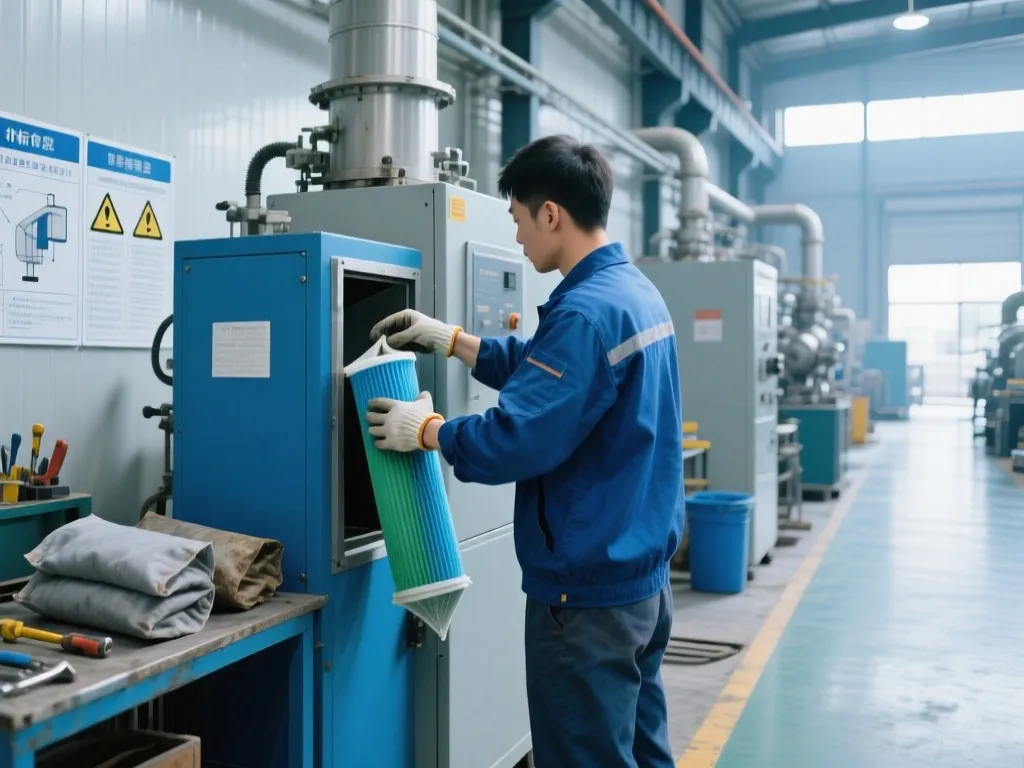
Replacing non-standard filter bags in industrial filtration systems can be tricky. Whether you’re a seasoned maintenance technician or a DIY enthusiast, getting it right is crucial for system performance. But what exactly makes non-standard filter bags different, and why do they need special handling during replacement? In this guide, we’ll break down the process into simple, actionable steps, ensuring you can tackle this task with confidence. Ready to dive in and become a pro at replacing non-standard filter bags?
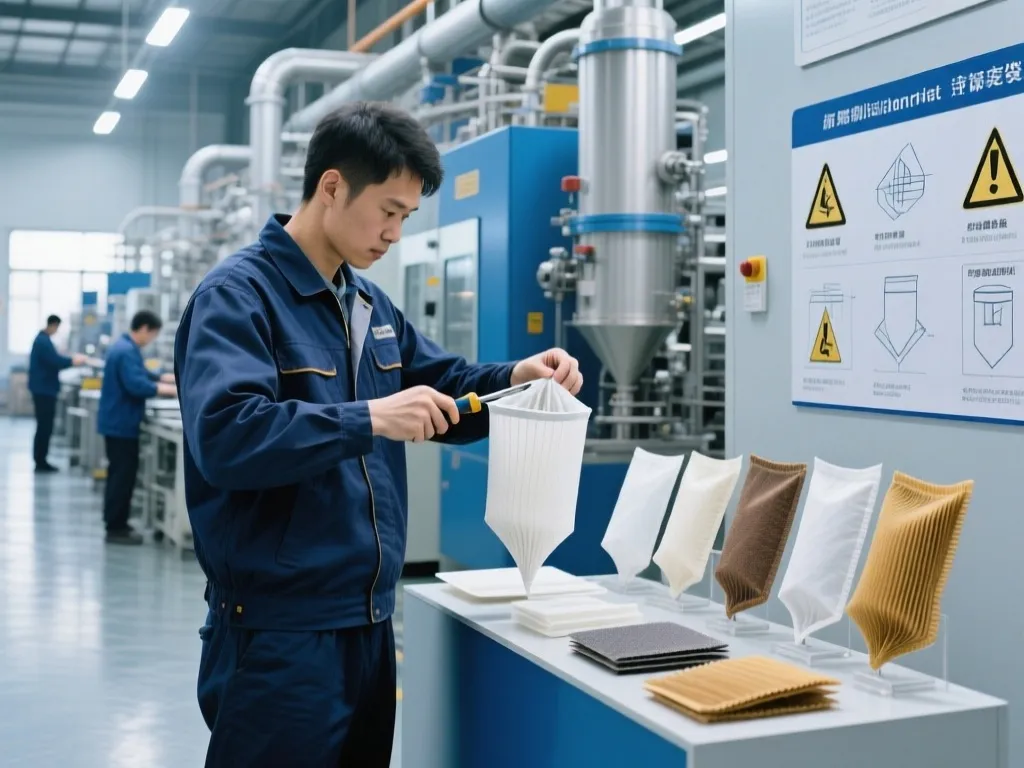
Understanding Non-Standard Filter Bags: What They Are, Their Applications, and Why Special Handling is Needed During Replacement
If you’ve ever worked in an industrial setting, you’ve likely encountered filter bags—those unsung heroes quietly doing the heavy lifting in filtration systems. But when it comes to non-standard filter bags, things get a bit more interesting. So, what exactly are non-standard filter bags? Simply put, they’re filter bags that don’t conform to the typical sizes, shapes, or materials used in standard filtration applications. Unlike their off-the-shelf counterparts, non-standard filter bags are custom-designed to meet specific operational requirements, making them indispensable in niche industrial processes. Let’s dive deeper into what sets these specialized filters apart.
Non-standard filter bags are often crafted from unique materials or feature unconventional dimensions to address particular challenges. For instance, in chemical processing plants, where corrosive substances are commonplace, standard polyester or nylon bags might not cut it. Instead, manufacturers might opt for PTFE (Polytetrafluoroethylene) or other high-performance polymers that offer superior chemical resistance. For applications requiring such specialized materials, consider exploring our range of PTFE-laminated filter bags designed for enhanced performance. Similarly, in high-temperature environments like metal smelting or glass manufacturing, filter bags made from aramid fibers or fiberglass are preferred due to their ability to withstand extreme heat without degrading.
Now, you might be wondering, where exactly are these non-standard filter bags used? The answer is—pretty much anywhere standard bags fall short! In the food and beverage industry, for example, non-standard filter bags play a crucial role in ensuring product purity. They’re designed to capture even the tiniest contaminants, preventing them from entering the final product. This is especially important in industries like pharmaceuticals, where stringent quality controls are non-negotiable. Another common application is in dust collection systems, where non-standard bags are used to trap fine particulate matter generated during manufacturing processes. For dust collection systems requiring high efficiency and wear resistance, our custom-made double-layer fiberglass envelope filter bags are an excellent choice.
But here’s the thing: replacing non-standard filter bags isn’t as straightforward as swapping out a light bulb. Why? Because these bags are often integrated into complex filtration systems with unique configurations. A one-size-fits-all approach simply won’t work. For starters, the installation process might require specialized tools or techniques to ensure a proper fit and seal. Moreover, mishandling these bags during replacement could lead to leaks, reduced filtration efficiency, or even system damage. That’s why it’s essential to understand the nuances of non-standard filter bags before attempting to replace them. You need to know the exact specifications of the bag, including its material, dimensions, and any unique features like reinforced seams or anti-static coatings. This information is typically provided by the manufacturer or can be found in the system’s documentation. Armed with this knowledge, you can select the right replacement bag and follow the correct installation procedure to minimize downtime and maximize performance. For reusable dust collection solutions, our industrial reusable dust filter bags offer versatility and cost-effectiveness.
So, why does all this matter? Well, imagine trying to fit a square peg into a round hole—it’s not going to work, right? The same principle applies to non-standard filter bags. Using the wrong bag or installing it incorrectly can have serious consequences, ranging from reduced filtration efficiency to costly equipment failures. By taking the time to understand what makes these bags unique and why they require special handling, you’re setting yourself up for success. You’ll be able to tackle replacement tasks with confidence, knowing that you’re using the right tools and techniques for the job. And let’s face it, in the fast-paced world of industrial maintenance, confidence is key. It means fewer mistakes, less downtime, and ultimately, a more efficient and reliable filtration system. In the next section, we’ll explore the essential tools and materials you’ll need to replace non-standard filter bags safely and effectively. From wrenches and safety gear to the bags themselves, we’ll cover everything you need to know to get the job done right. So, stay tuned—your step-by-step guide to mastering non-standard filter bag replacement is just around the corner!
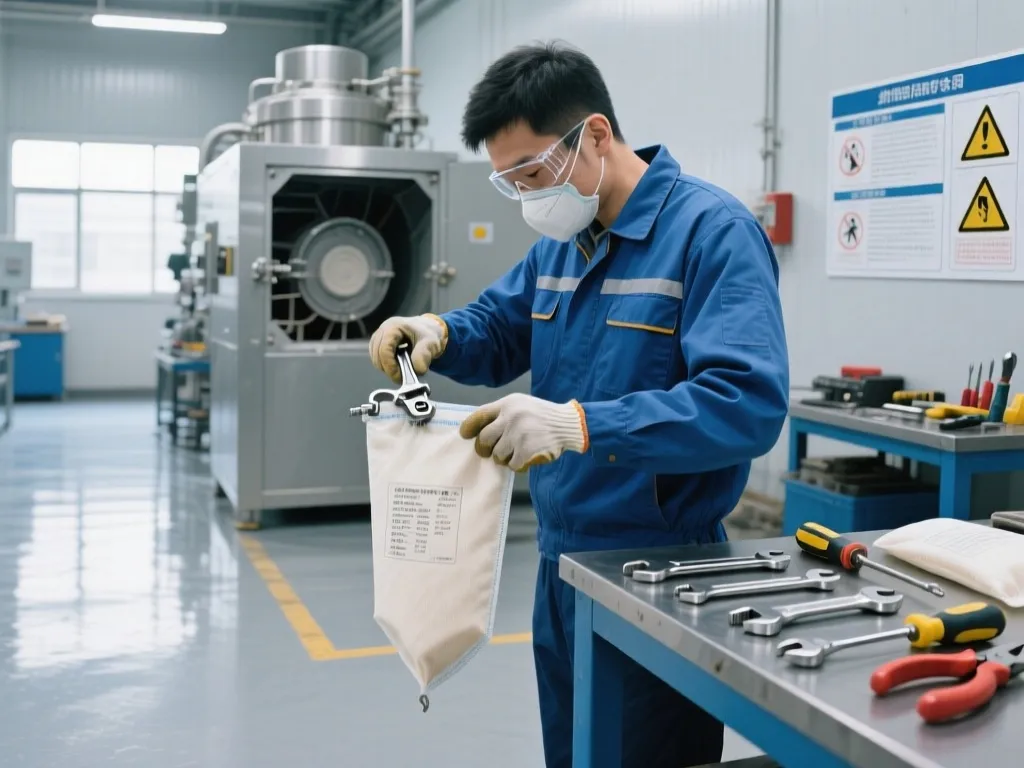
Essential Tools and Materials: List and describe the tools and materials needed for the replacement process, including safety gear, wrenches, and replacement bags.
When it comes to replacing non-standard filter bags, having the right tools and materials at your disposal isn’t just a convenience—it’s a necessity. These specialized bags often require unique handling and installation techniques, making the selection of appropriate gear crucial for a smooth and safe replacement process. Let’s dive into the essentials you’ll need to get the job done right. First and foremost, safety should always be your top priority. Before you even think about touching those filter bags, make sure you’re equipped with the proper safety gear. This includes a sturdy pair of gloves to protect your hands from sharp edges and potential chemical exposure. Opt for gloves made from durable materials like nitrile or latex, which offer excellent resistance to punctures and chemicals. Additionally, safety goggles are a must-have to shield your eyes from any debris or particles that might be released during the replacement process. A dust mask or respirator is also advisable, especially if you’re working in an environment where airborne contaminants are a concern. Now, let’s talk about the tools you’ll need to physically remove and install the filter bags. One of the most important tools in your arsenal will be a set of wrenches. Depending on the design of your filtration system, you might need adjustable wrenches, pipe wrenches, or even specialized filter bag wrenches. These wrenches will help you loosen and tighten fittings, clamps, and other components that hold the filter bags in place. Make sure your wrenches are in good condition and the right size for the job to avoid slipping and causing damage. In addition to wrenches, you might also need a few other basic hand tools, such as screwdrivers, pliers, and a hammer. These can come in handy for various tasks, like removing screws or bolts, gripping small parts, or gently tapping components into place. It’s always a good idea to have a well-stocked toolbox nearby, just in case you run into any unexpected challenges. Of course, the most critical component of the replacement process is the new filter bags themselves. When selecting replacement bags, it’s essential to choose ones that are specifically designed for your filtration system and application. Non-standard filter bags come in a wide range of sizes, shapes, and materials, each tailored to handle different types of contaminants and flow rates. Make sure you know the exact specifications of your current filter bags, including their dimensions, material composition, and filtration rating. This information will help you find the perfect replacement bags that will fit seamlessly into your system and provide optimal performance. When purchasing replacement bags, don’t be afraid to ask questions or seek advice from the manufacturer or supplier. They can provide valuable insights into the best type of bag for your needs and offer tips on installation and maintenance. It’s also a good idea to buy a few extra bags to have on hand in case of emergencies or unexpected failures. Last but not least, consider having some cleaning supplies on hand to tidy up the area before and after the replacement process. A broom, dustpan, and some rags can help you remove any debris or dust that might have accumulated around the filtration system. A mild detergent or cleaning solution can also be useful for wiping down surfaces and ensuring a clean installation environment. By gathering all these essential tools and materials before you begin the replacement process, you’ll be setting yourself up for success. Not only will you have everything you need to complete the job efficiently and safely, but you’ll also minimize the risk of errors or accidents that could lead to costly downtime or damage to your filtration system. So, take the time to gather your gear, review the replacement steps, and get ready to tackle those non-standard filter bags like a pro!
Safety Gear: Your First Line of Defense
When it comes to replacing non-standard filter bags, safety gear is your first line of defense against potential hazards. Gloves, goggles, and dust masks or respirators are essential for protecting your hands, eyes, and respiratory system from sharp edges, debris, and airborne contaminants. Choose gloves made from durable materials like nitrile or latex for excellent puncture and chemical resistance. Goggles should fit snugly around your eyes to prevent any particles from entering. And don’t forget a dust mask or respirator, especially if you’re working in a dusty or chemically-laden environment. By investing in quality safety gear, you’re not just following best practices—you’re safeguarding your health and well-being.
Wrenches and Hand Tools: The Mechanics of Replacement
Replacing non-standard filter bags often requires a bit of mechanical know-how, and that’s where wrenches and hand tools come into play. Adjustable wrenches, pipe wrenches, and specialized filter bag wrenches are essential for loosening and tightening fittings, clamps, and other components. Make sure your wrenches are the right size and in good condition to avoid slipping and causing damage. In addition to wrenches, a well-stocked toolbox with screwdrivers, pliers, and a hammer can be invaluable for various tasks during the replacement process. These basic hand tools can help you remove screws or bolts, grip small parts, or gently tap components into place. By having the right tools at your fingertips, you’ll be able to tackle the replacement process with confidence and efficiency.
Replacement Bags: The Heart of the Matter
Of course, the most critical component of the replacement process is the new filter bags themselves. Non-standard filter bags come in a wide range of sizes, shapes, and materials, each designed to handle specific types of contaminants and flow rates. When selecting replacement bags, it’s essential to know the exact specifications of your current bags, including their dimensions, material composition, and filtration rating. This information will help you find the perfect replacement bags that will fit seamlessly into your system and provide optimal performance. Don’t be afraid to ask questions or seek advice from the manufacturer or supplier—they can provide valuable insights and tips to ensure you choose the right bags for your needs.
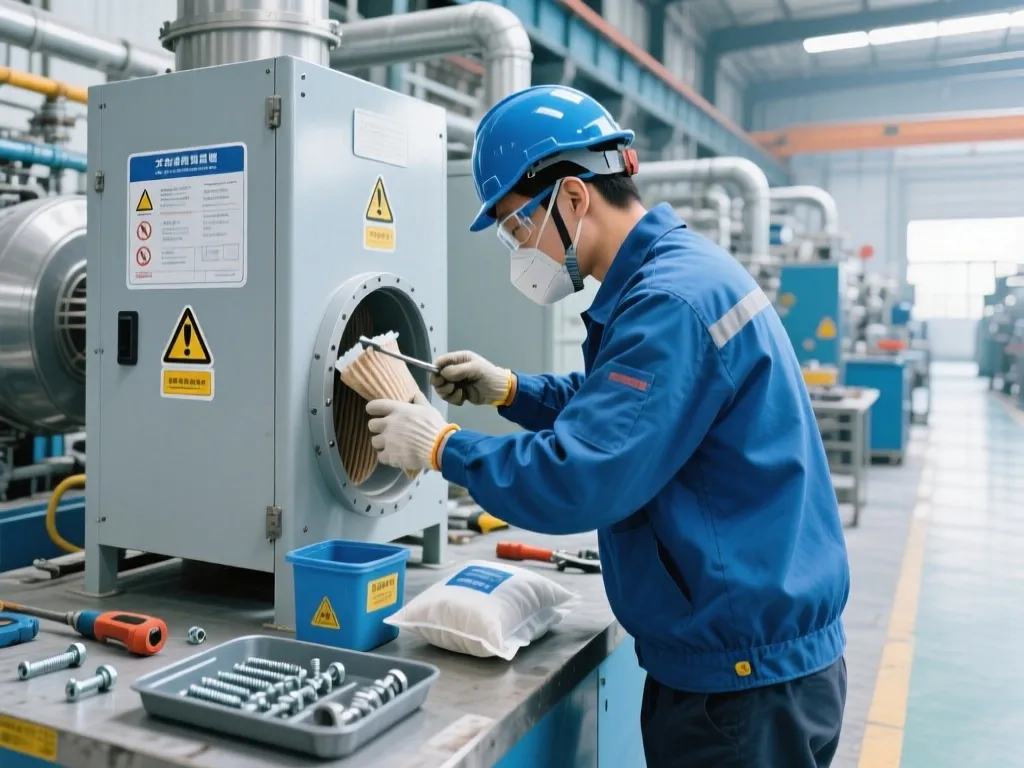
Detailed Replacement Steps: How to Safely Replace Non-Standard Filter Bags
Detailed Replacement Steps: How to Safely Replace Non-Standard Filter Bags
Replacing non-standard filter bags isn’t just about swapping one bag for another; it’s a process that demands precision, patience, and a bit of know-how. Whether you’re a seasoned maintenance technician or a DIY enthusiast, following these steps will ensure a smooth and safe replacement process. Let’s break it down into manageable parts so you can tackle this task with confidence.
Safety First
First things first, before you even think about touching those filter bags, safety should be your top priority. Non-standard filter bags are often used in environments where dust, chemicals, or other hazardous materials are present. So, gear up! Put on your safety goggles, gloves, and a respirator if necessary. This isn’t just about following rules; it’s about protecting yourself from potential harm.
Isolate the Filtration System
Now, let’s get down to business. The first step in replacing non-standard filter bags is to isolate the filtration system. This means shutting down the system and ensuring it’s depressurized. You don’t want any unexpected surges of air or liquid when you’re in the middle of a replacement. Locate the main power switch or valve and turn it off. If you’re unsure, consult the system’s manual or reach out to the manufacturer for guidance.
Access the Filter Housing
Once the system is isolated, it’s time to access the filter housing. This might involve removing panels, covers, or even disassembling parts of the system. Keep track of all the screws and bolts you remove; a magnetic tray or a labeled container can be a lifesaver here. With the housing exposed, you’ll see the old filter bags nestled inside. Before you start pulling them out, take a moment to observe how they’re secured. Some bags might be held in place by clips, rings, or even zip ties. Use your wrench or pliers to carefully remove these fasteners, taking care not to damage the housing or any surrounding components. Gently pull out the old filter bags, noting their orientation and how they fit into the housing. This will be invaluable information when it comes time to install the new ones.
Clean the Housing
Once the old bags are out, it’s crucial to clean the housing thoroughly. Use a soft brush or cloth to remove any dust, debris, or residue that might have accumulated. Pay special attention to the areas where the new bags will sit; any dirt or grime here could prevent a proper seal, leading to leaks or reduced filtration efficiency.
Prepare the New Filter Bags
Now, let’s talk about preparing the new filter bags for installation. Before you even open the packaging, double-check that you have the correct replacement bags. Non-standard means non-standard; there’s no room for error here. Compare the new bags to the old ones, ensuring they match in size, shape, and any specific features like handles or grommets. For instance, if you’re replacing bags for woodworking dust collectors, you might need PTFE material filter bags that are high-efficiency and customizable. Unpack the new bags carefully, avoiding any sharp edges or rough handling that could damage them. If the bags come with installation instructions, give them a quick read; they might contain valuable tips or warnings specific to your model.
Install the New Filter Bags
With the new bags ready, it’s time to install them. Start by positioning the first bag in the housing, aligning it with any guides or markers that indicate the correct placement. Gently press the bag into place, ensuring it sits flush against the housing walls. If the bag has any fasteners or clips, secure them according to the manufacturer’s instructions. Repeat this process for each bag, taking your time to ensure each one is properly seated and secured.
Reassemble and Test the System
Once all the new bags are in place, it’s time to reassemble the system. Replace any panels, covers, or components you removed earlier, tightening all screws and bolts to the manufacturer’s specifications. Don’t overtighten; you don’t want to strip any threads or damage the housing. With everything back in place, it’s time to test the system. Turn the power back on or open the valve, and observe the system as it comes back to life. Check for any leaks or unusual noises that might indicate a problem with the installation. If everything looks and sounds good, you’re all set! You’ve successfully replaced your non-standard filter bags, ensuring your filtration system operates at peak performance.
By following this guide, you’ve learned how to replace non-standard filter bags efficiently and safely, ensuring your filtration system operates at its best. But remember, practice makes perfect—the more you do it, the easier it gets. For more expert tips and tricks, why not subscribe to our newsletter or explore our range of filter bag solutions? Who knows, you might discover even more ways to optimize your industrial filtration system. What will you try next?