
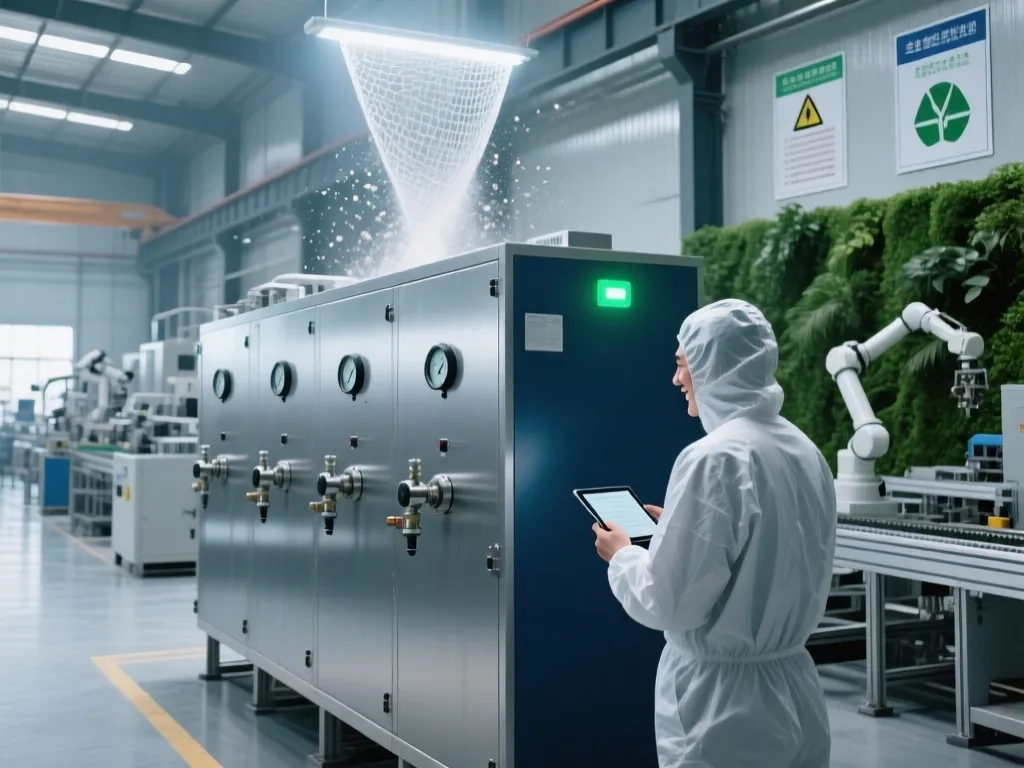
In industrial settings, the quality of the air we breathe isn’t just a comfort issue—it’s a critical factor affecting productivity, safety, and regulatory compliance. Whether you’re managing a chemical plant, a pharmaceutical lab, or a food processing facility, selecting the right industrial air filtration systems is non-negotiable. But how do you navigate the myriad of options to find the perfect fit for your unique environment? Let’s dive into the nitty-gritty of scene-based selection and parameter optimization to ensure your air stays clean, your operations run smoothly, and your team stays healthy.

Industrial Air Filtration Systems: Selecting Parameters Based on Scenarios
When it comes to industrial air filtration systems, one size definitely doesn’t fit all. Different industrial scenarios, such as chemical, pharmaceutical, and food processing industries, each have unique air pollution characteristics. Understanding these differences is crucial for selecting the right industrial air filtration systems and optimizing key parameters like air volume handling capacity and filtration efficiency. Let’s dive into the specifics of each industry to help you make informed decisions.
In the chemical industry, the air is often laden with a wide range of volatile organic compounds (VOCs), particulate matter, and sometimes even toxic gases. These pollutants can be released during various chemical processes, including synthesis, distillation, and storage. The high reactivity and potential toxicity of these substances make it essential to choose industrial air filtration systems that can handle large volumes of air efficiently while also providing high filtration efficiency. For instance, in a chemical plant where VOCs are a major concern, you’d want a system with a high air volume handling capacity to ensure all the contaminated air is processed quickly. Additionally, activated carbon filters are often used in such systems to adsorb VOCs effectively, ensuring the air is clean before it’s released back into the environment or recirculated within the plant.
The pharmaceutical industry, on the other hand, has stringent air quality requirements due to the need to maintain sterile conditions. Airborne particles, including dust, bacteria, and viruses, can contaminate drugs during production, leading to quality issues and potential health risks. Therefore, industrial air filtration systems in pharmaceutical facilities must have extremely high filtration efficiency, often requiring HEPA (High-Efficiency Particulate Air) filters. These filters can capture particles as small as 0.3 microns with an efficiency of 99.97% or higher. Moreover, the air volume handling capacity should be carefully calculated based on the size of the production area and the number of air exchanges required per hour to maintain a sterile environment.
Food processing industries face a different set of challenges. The air in food processing facilities can contain odors, grease, and fine particles from ingredients like flour, sugar, and spices. These pollutants not only affect the working environment but can also contaminate food products, leading to quality degradation and potential health hazards. For such scenarios, industrial air filtration systems need to be designed to handle grease and particulate matter effectively. Electrostatic precipitators or bag filters are commonly used to capture fine particles, while activated carbon filters can help remove odors. The air volume handling capacity should be sufficient to ensure all the air in the processing area is filtered regularly, preventing the buildup of pollutants.
Now, you might be wondering, how do I determine the exact air volume handling capacity and filtration efficiency needed for my specific industrial scenario? Well, it all starts with understanding the pollution characteristics of your industry. Conduct a thorough assessment of the types and concentrations of pollutants in your facility’s air. Consider factors like the size of your production area, the number of workers, and the ventilation requirements.
Chemical Industry Air Pollution and System Selection
In the chemical industry, the presence of VOCs, particulate matter, and toxic gases is a constant challenge. These pollutants can be released during various stages of chemical production, from raw material handling to final product packaging. To effectively combat these pollutants, industrial air filtration systems must have a high air volume handling capacity. This ensures that all the contaminated air is processed quickly, preventing the buildup of harmful substances in the production environment. Additionally, the use of specialized filters like activated carbon filters is crucial for adsorbing VOCs and other toxic gases, ensuring the air is safe for workers and the environment.
Pharmaceutical Industry Air Quality Requirements
The pharmaceutical industry demands the highest standards of air quality due to the need to maintain sterile conditions during drug production. Airborne particles, including dust, bacteria, and viruses, can easily contaminate drugs, leading to quality issues and potential health risks. Therefore, industrial air filtration systems in pharmaceutical facilities must incorporate HEPA filters to achieve extremely high filtration efficiency. These filters can capture even the smallest particles, ensuring the air is free from contaminants. Moreover, the air volume handling capacity should be carefully calculated to ensure sufficient air exchanges per hour, maintaining a sterile environment throughout the production process.
Food Processing Industry Air Filtration Needs
Food processing industries face unique air filtration challenges due to the presence of odors, grease, and fine particles from ingredients. These pollutants can not only affect the working environment but also contaminate food products, leading to quality degradation. To address these issues, industrial air filtration systems in food processing facilities should be designed to handle grease and particulate matter effectively. Electrostatic precipitators or bag filters can capture fine particles, while activated carbon filters help remove odors. The air volume handling capacity should be sufficient to ensure regular filtration of all the air in the processing area, preventing the buildup of pollutants and maintaining a clean and healthy working environment.
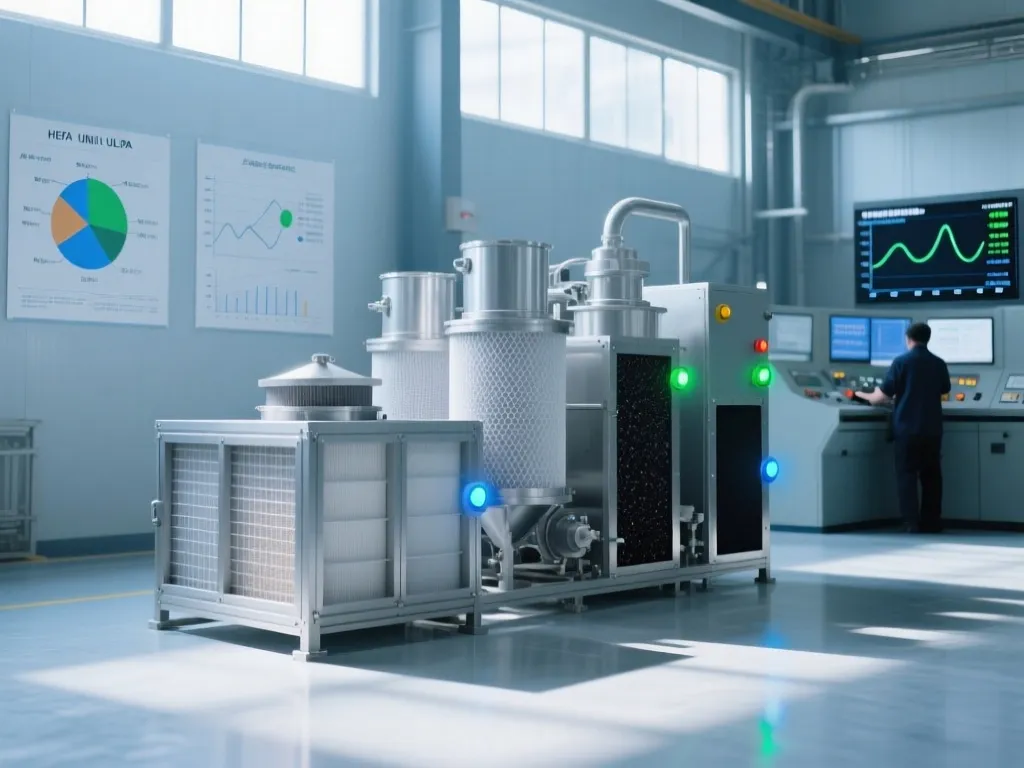
Customizing Efficient Filtration Solutions Based on Particle Size, Concentration, and Harmful Gas Types
When it comes to industrial air filtration systems, one size definitely does not fit all. The diversity of industrial environments—from the chemical industry’s reactive fumes to the food processing sector’s fine particulates—demands a tailored approach to ensure air quality standards are met and exceeded. So, how do you design a filtration solution that’s as unique as your industrial setting? Let’s dive into the nitty-gritty of customizing filtration systems based on particle size, concentration, and harmful gas types. First off, understanding the nature of the pollutants is crucial. Particle size varies widely, from large, visible dust particles to microscopic, respirable particulates that can penetrate deep into the lungs. For larger particles, a pre-filtration stage with a lower MERV (Minimum Efficiency Reporting Value) rating might suffice, capturing the bulk of the debris before it reaches the main filters. However, for finer particles, especially those in the PM2.5 or PM10 range, you’ll need high-efficiency particulate air (HEPA) filters or even ultra-low penetration air (ULPA) filters, which can trap 99.97% or more of particles as small as 0.3 microns. But what about concentration? High concentrations of particles can quickly overwhelm a filtration system, leading to reduced efficiency and increased maintenance needs. In such cases, a multi-stage filtration approach, combining cyclonic separators or bag filters for bulk removal with HEPA/ULPA filters for fine purification, can be highly effective. This not only extends the life of your expensive final filters but also ensures consistent air quality even under heavy load conditions. Now, let’s talk about harmful gases. Unlike particulates, gases require a different filtration mechanism altogether. Activated carbon filters are the go-to solution for many volatile organic compounds (VOCs), odors, and some inorganic gases. These filters work by adsorbing the gas molecules onto their porous surfaces, effectively removing them from the air stream. For more stubborn or hazardous gases, like hydrogen sulfide or ammonia, specialized gas-phase filtration systems incorporating chemical scrubbers or catalytic converters might be necessary. These systems can neutralize or convert the harmful gases into less harmful or inert substances, ensuring the air is safe to breathe. But here’s the kicker: no two industrial settings are exactly alike. Even within the same industry, variations in processes, raw materials, and environmental conditions can significantly impact the type and quantity of pollutants generated. That’s why a one-size-fits-all approach to industrial air filtration systems simply won’t cut it. Instead, you need a customized solution that takes into account all these factors, ensuring optimal performance and air quality. So, how do you go about designing such a system? Start by conducting a thorough air quality assessment. This involves sampling the air at various points in your facility to determine the types and concentrations of pollutants present. Armed with this data, you can then work with a reputable filtration system provider to design a solution that meets your specific needs. They’ll help you select the right combination of filters, scrubbers, and other components to ensure your air is clean, safe, and compliant with all relevant regulations. Remember, investing in a customized industrial air filtration system is not just about meeting regulatory requirements; it’s about protecting the health and well-being of your employees, enhancing productivity, and safeguarding your brand reputation. So, don’t settle for a generic solution when you can have one that’s tailored to your unique needs and challenges.
Particle Size Matters
The size of particles in your industrial air can range from large, visible dust to microscopic particulates. Larger particles can be captured with pre-filters, while finer particles require HEPA or ULPA filters for effective removal. Understanding the particle size distribution in your air is the first step in designing an efficient filtration system.
Concentration Considerations
High concentrations of particles can overwhelm a filtration system, leading to reduced efficiency. A multi-stage filtration approach, combining different types of filters, can help manage high particle loads effectively. This ensures consistent air quality and extends the life of your filtration components.
Tackling Harmful Gases
Gases require a different filtration mechanism than particulates. Activated carbon filters are effective for many VOCs and odors, while specialized gas-phase filtration systems are needed for more hazardous gases. Choosing the right gas filtration technology is crucial for ensuring safe air quality in your industrial setting.
Customization is Key
No two industrial settings are alike, so a one-size-fits-all approach to air filtration won’t work. A customized solution, based on a thorough air quality assessment, is essential for meeting your specific needs. Work with a reputable provider to design a system that ensures optimal performance and air quality.
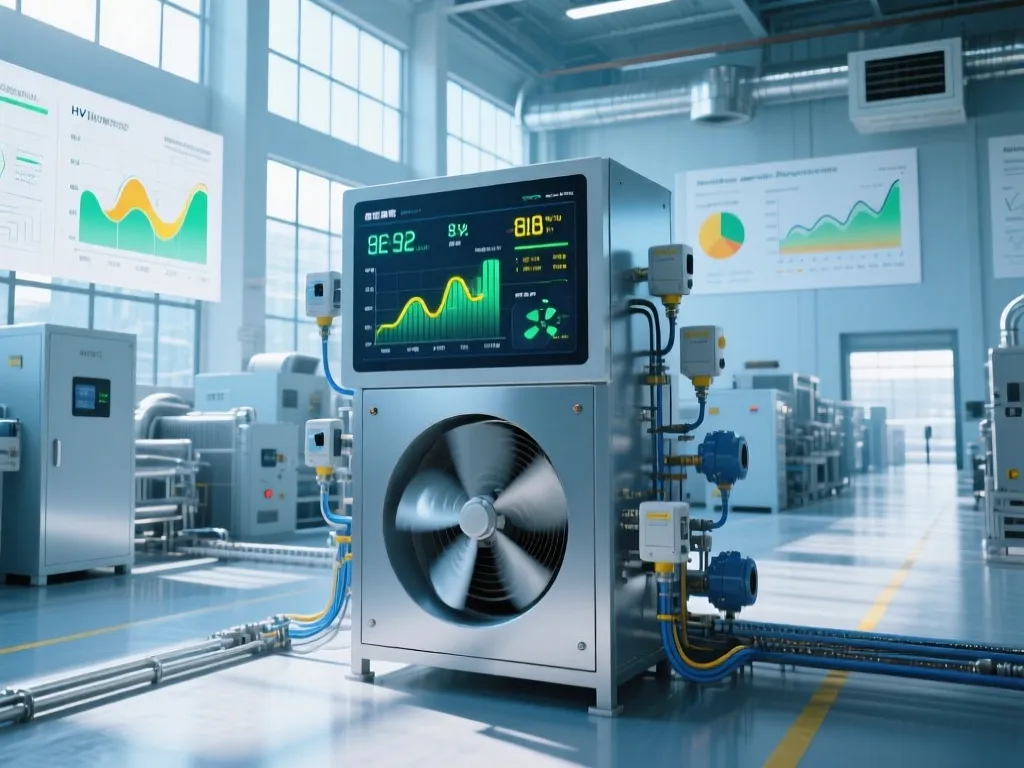
Smart Control Strategies: Balancing Energy Efficiency and Filtration Performance in Industrial Air Systems
When it comes to optimizing industrial air filtration systems, achieving the perfect balance between energy consumption and filtration efficiency is often the most challenging—and rewarding—part of the process. You might be thinking, “How can I reduce energy costs without sacrificing air quality?” The answer lies in leveraging smart control systems. These intelligent technologies are designed to monitor and adjust system parameters in real-time, ensuring that your industrial air filtration system operates at peak efficiency while minimizing energy waste. Let’s dive into how smart control systems can transform your industrial air filtration setup.
First, let’s talk about the core components of a smart control system. Typically, these systems include sensors, controllers, and actuators that work together to collect data, analyze it, and make adjustments on the fly. For example, sensors can detect changes in air quality, temperature, humidity, and even the concentration of specific pollutants. This data is then fed into a controller, which uses algorithms to determine whether the filtration system needs to ramp up or scale back its operations. If the air quality is already within acceptable limits, the system might reduce fan speed or switch to a lower-energy filtration mode. Conversely, if pollutant levels rise, the system can automatically increase filtration intensity to maintain clean air.
One of the most significant advantages of smart control systems is their ability to adapt to changing conditions. In a traditional setup, you might set your filtration system to run at a constant speed, regardless of whether it’s needed. This approach often leads to unnecessary energy consumption, especially during periods of low activity or when the air quality is already good. With smart controls, however, your system can dynamically adjust its settings based on real-time data, ensuring that energy is used only when and where it’s needed. This not only reduces operational costs but also extends the lifespan of your filtration equipment by preventing overuse.
Another key benefit of smart control systems is their ability to integrate with other industrial systems, such as HVAC or building management systems. This integration allows for a holistic approach to air quality management, where multiple systems work together to optimize performance. For instance, if your HVAC system detects a rise in temperature, it can communicate with the air filtration system to adjust fan speed or filtration settings accordingly. This level of coordination ensures that your industrial environment remains comfortable and safe while minimizing energy waste.
Now, you might be wondering, “How do I know if a smart control system is right for my industrial setup?” The answer depends on several factors, including the size of your facility, the nature of your operations, and your specific air quality requirements. For example, if you operate a large-scale manufacturing plant with varying production schedules, a smart control system can help you manage fluctuations in air quality more effectively. On the other hand, if your operations are relatively stable and predictable, you might not need the same level of automation. However, even in smaller facilities, smart controls can provide significant benefits by reducing energy costs and improving overall system efficiency.
When implementing a smart control system, it’s essential to work with a reputable supplier who understands your unique needs. They can help you select the right sensors, controllers, and actuators for your application, as well as configure the system to optimize performance. Additionally, regular maintenance and calibration are crucial to ensuring that your smart control system continues to operate effectively over time. By investing in proper setup and upkeep, you can maximize the benefits of your industrial air filtration system and enjoy long-term cost savings.
In conclusion, smart control systems offer a powerful way to balance energy efficiency and filtration performance in industrial air systems. By leveraging real-time data and advanced algorithms, these systems can dynamically adjust settings to meet changing conditions, reducing energy waste and improving air quality. Whether you’re managing a large manufacturing plant or a smaller industrial facility, integrating smart controls into your air filtration setup can provide significant benefits. So, why not explore the possibilities today and take your industrial air filtration to the next level?
Choosing the right industrial air filtration systems is more than just a purchase—it’s an investment in your industrial environment’s future. By understanding your specific scene’s needs, customizing your filtration approach, and optimizing parameters for efficiency, you’re not just improving air quality; you’re enhancing overall operational performance. Ready to take your industrial air purification to the next level? Start by assessing your current system’s effectiveness and exploring how advanced solutions can make a difference. The journey to cleaner, safer air begins now—what’s your next move?