
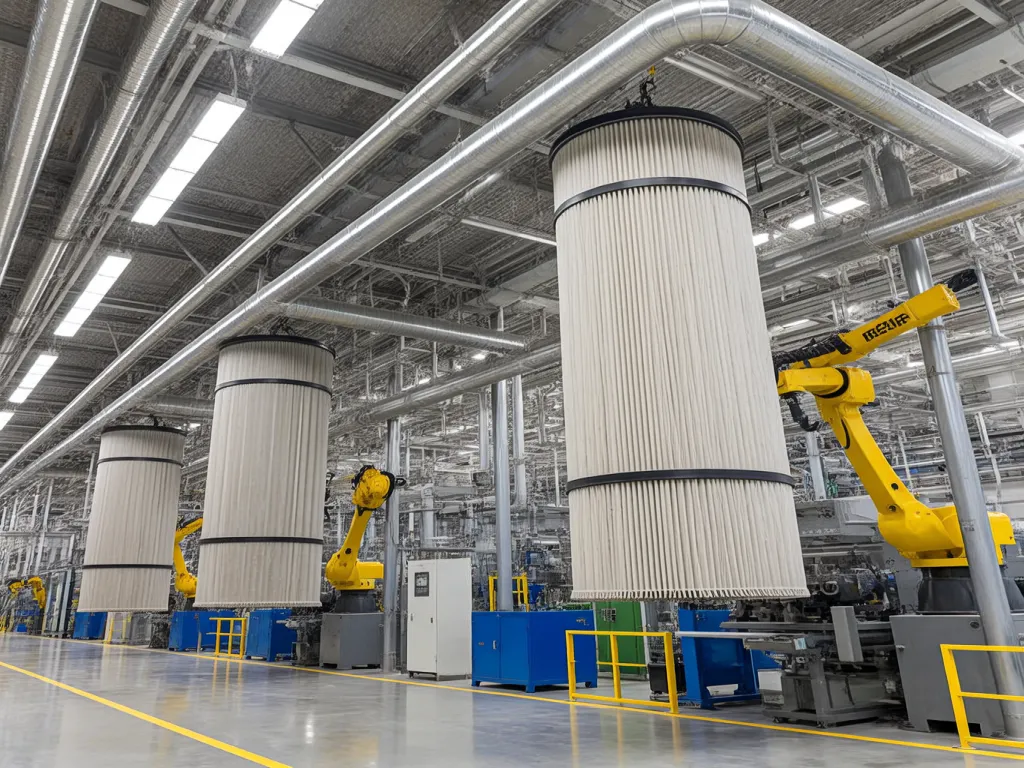
This worksheet helps maintenance and engineering teams screen filter bag materials before requesting a replacement quotation. It is a reference for retrofit review, not a universal material recommendation.
1. Record the operating envelope
- Normal and peak gas temperature
- Moisture, condensation and acid-dew-point risk
- Dust chemistry, particle size and abrasiveness
- Cleaning method and pulse pressure
- Air-to-cloth ratio and differential-pressure history
2. Compare material families
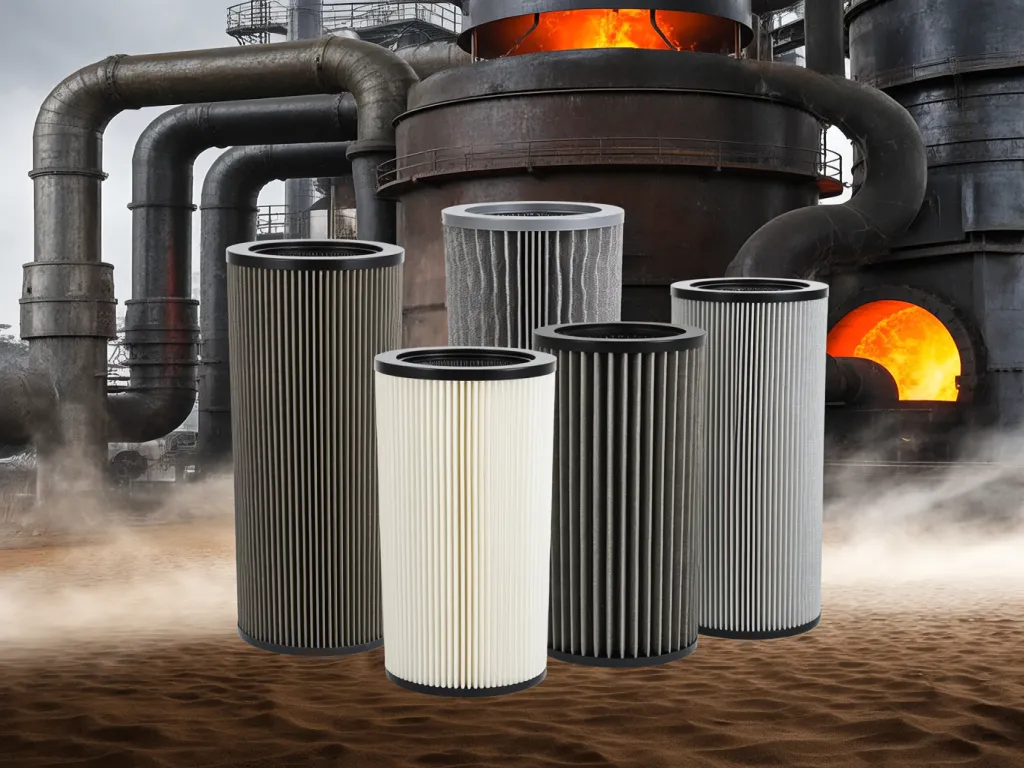
Polyester is often reviewed for moderate dry service; acrylic may be considered where hydrolysis resistance matters; aramid is commonly screened for higher dry-heat conditions; PPS may suit selected hot and chemically challenging duties; fiberglass, P84 and PTFE require review against temperature, chemistry, flexing and cleaning conditions. Final suitability depends on the complete gas composition and operating cycle.
3. Check construction details
- Bag diameter, length and top/bottom configuration
- Cage geometry and tube-sheet fit
- Seam, reinforcement and grounding requirements
- Surface treatment or membrane requirement
- Inspection and change-out access
4. Prepare a useful RFQ
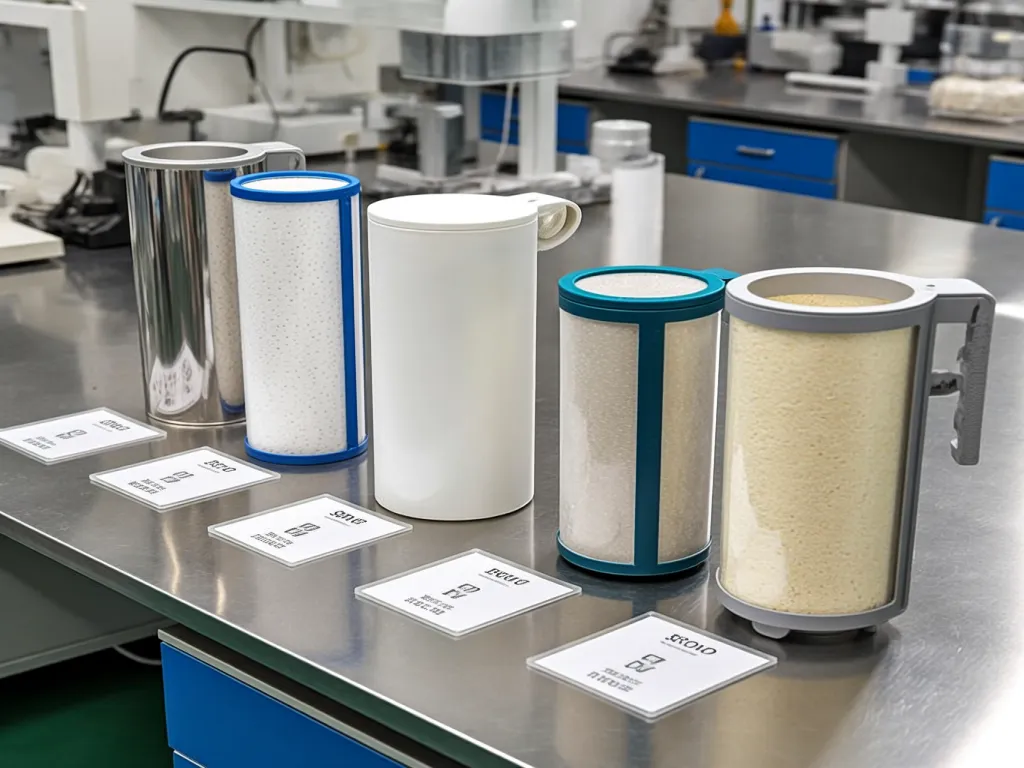
Include the existing bag drawing or measured dimensions, operating data, dust analysis, cleaning system details, failure photographs, required quantity and delivery location. This allows the material and construction to be reviewed together.
Next step
For a current U.S. retrofit project, use the FiltEdge dust collector filter bag project page. For material, fabrication and engineering references, review the SFFILTECH filter bag manufacturing resource.