
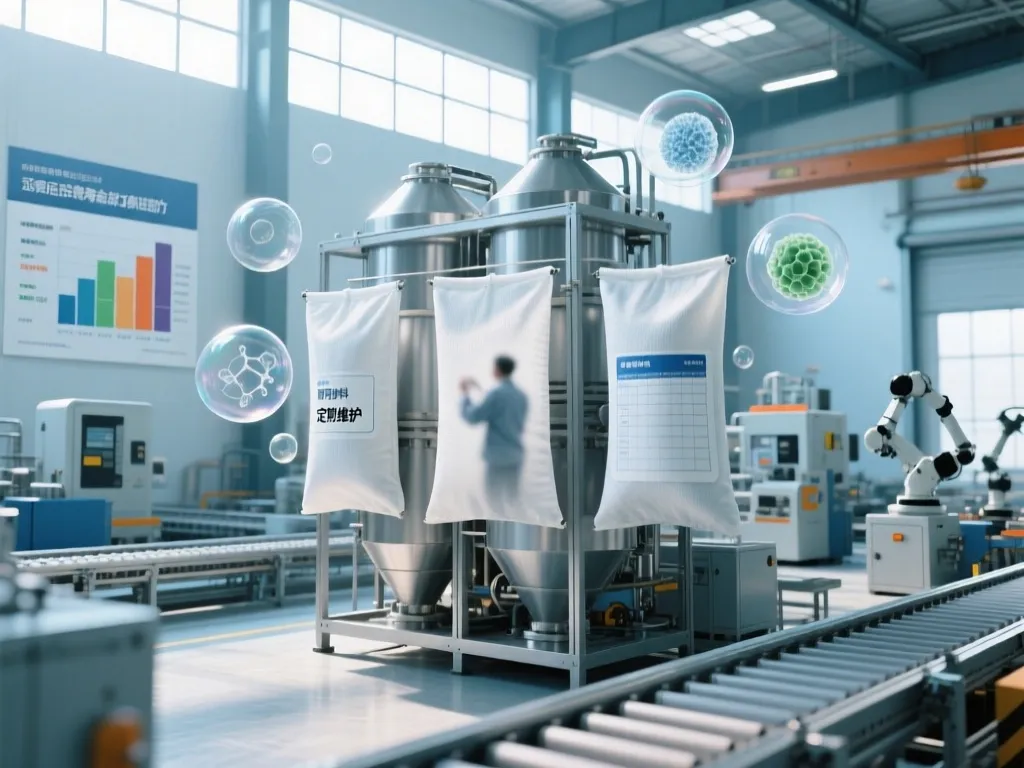
When it comes to industrial operations, every component plays a crucial role in ensuring efficiency and cost-effectiveness. Among these, industrial filter bags stand out as unsung heroes, quietly working to keep processes clean and running smoothly. But have you ever wondered, ‘How long should industrial filter bags last?’ This question isn’t just about numbers; it’s about understanding the intricate dance between material, environment, and maintenance that dictates their lifespan. Let’s dive into the world of industrial filter bags and uncover the secrets to maximizing their longevity.
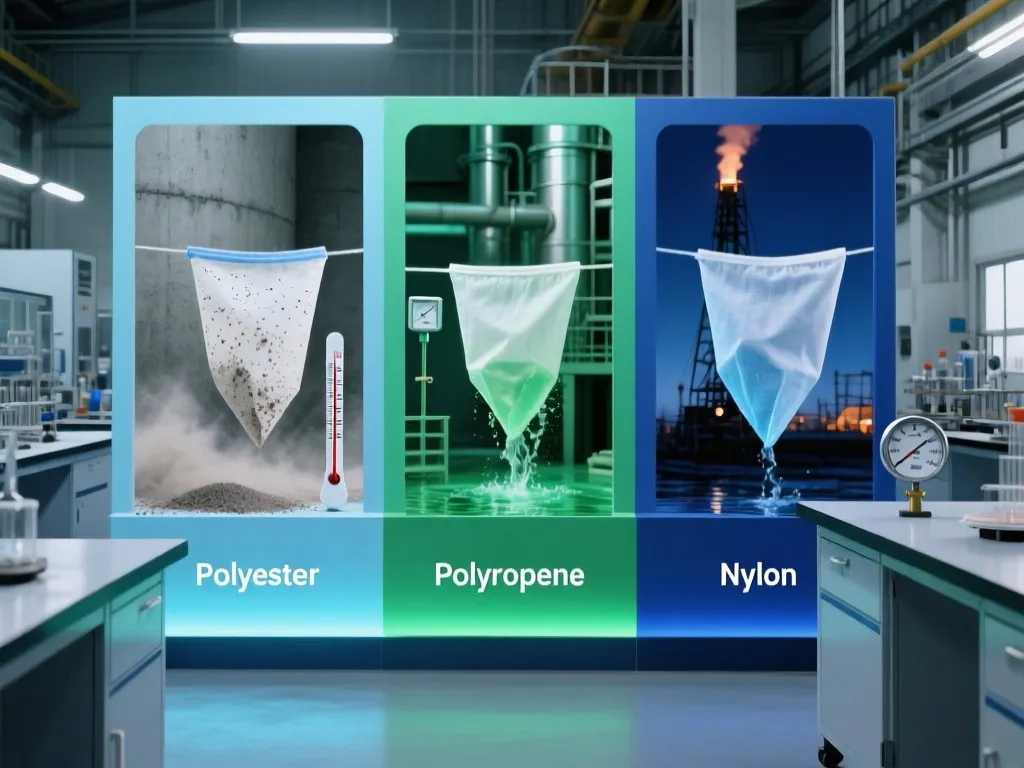
Material Determines Basic Lifespan: Introducing the Pros, Cons, and Application Scenarios of Filter Bags Made from Different Materials (e.g., Polyester, Polypropylene, Nylon), and Analyzing the Direct Impact of Material on Lifespan
When it comes to industrial filter bags, the material they’re made from is like the foundation of a building—it sets the stage for how long they’ll last and how well they’ll perform. Different materials have unique characteristics that make them suitable for specific applications and directly influence their lifespan. Let’s dive into the world of polyester, polypropylene, and nylon filter bags to understand their pros, cons, and ideal use cases.
Polyester filter bags are a popular choice in many industrial settings. One of their biggest advantages is their excellent resistance to abrasion. This means that in environments where there’s a lot of particulate matter rubbing against the filter bag, polyester can hold up well over time. For example, in cement plants where dust particles are constantly bombarding the filter bags, polyester’s durability shines. It can withstand the physical stress without quickly wearing out, which translates to a longer lifespan. Additionally, polyester has good chemical resistance to a wide range of common industrial chemicals. This makes it versatile for use in various chemical processing industries. However, polyester isn’t perfect. It has a relatively lower melting point compared to some other materials. In high – temperature applications, if the temperature exceeds its melting range, the filter bag can deform or even melt, leading to a significant reduction in its lifespan. So, polyester filter bags are best suited for applications with moderate temperatures and where abrasion and general chemical exposure are the main concerns. For high – performance polyester industrial bag filters, you can explore our industrial bag filters.
Polypropylene filter bags offer some distinct benefits. They are highly resistant to most acids and alkalis, making them an excellent choice for industries dealing with corrosive substances. For instance, in the electroplating industry where strong acids and bases are used, polypropylene filter bags can effectively filter out impurities without being damaged by the chemicals. Another great feature of polypropylene is its low moisture absorption. This means that in humid environments, it won’t absorb water and become heavy or lose its structural integrity. But like polyester, polypropylene has its limitations. It has a lower tensile strength compared to some other materials. In high – pressure filtration systems, the filter bag may be more prone to tearing or breaking under the stress, which can shorten its useful life. So, polypropylene filter bags are ideal for applications involving corrosive substances and moderate – pressure, humid environments. If you need high – performance polypropylene filter bags for industrial dust collectors, check out our filter bags.
Nylon filter bags are known for their high strength and toughness. They can handle high – pressure applications with ease, making them suitable for industries like oil and gas extraction where the filtration process often involves high pressures. Nylon also has good elasticity, which allows it to stretch and then return to its original shape. This property helps it maintain its filtration efficiency over time, even when subjected to repeated stress. However, nylon is more sensitive to certain chemicals, especially strong oxidizing agents. Exposure to such chemicals can cause the nylon to degrade quickly, reducing its lifespan. Also, nylon filter bags tend to be more expensive than polyester and polypropylene options. So, nylon filter bags are best used in high – pressure applications where strength and durability are crucial, and where the chemical environment is relatively mild in terms of oxidizing agents. For a high – efficiency dust collection solution with nylon filter bags, you can consider our filter bag.
In conclusion, the material of an industrial filter bag is a critical factor in determining its basic lifespan. By understanding the pros and cons of each material and matching them to the specific application requirements, you can make an informed decision that will maximize the lifespan of your filter bags and optimize your industrial filtration process.
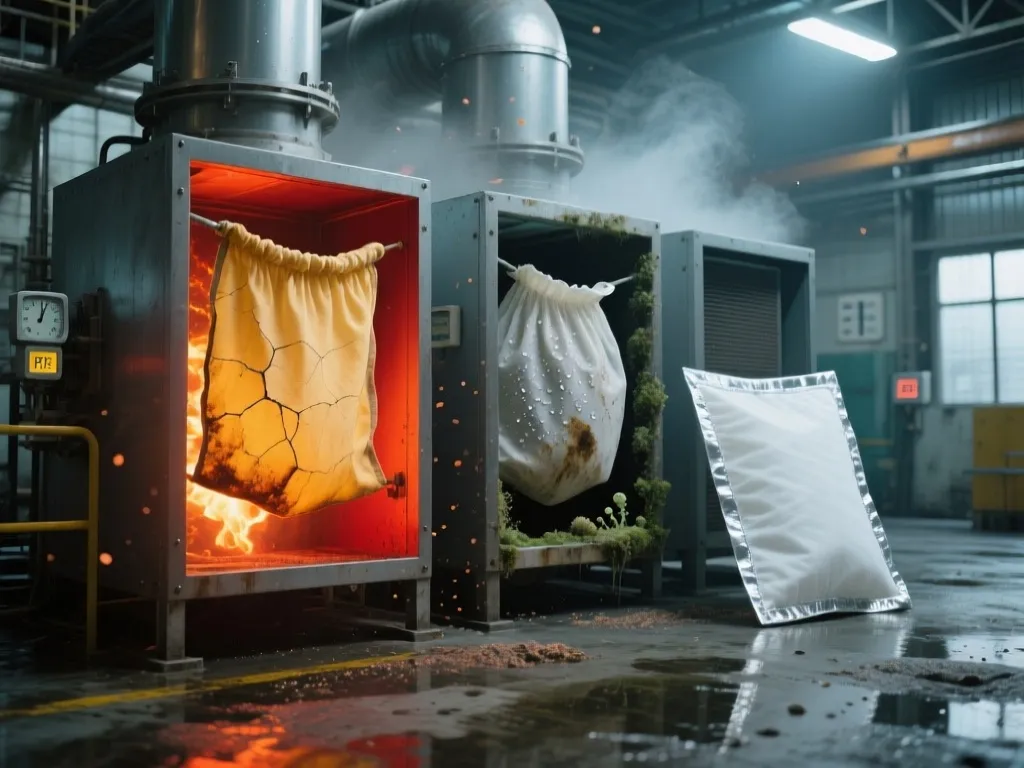
Usage Environment: The Key Factor – Exploring How Temperature, Humidity, Corrosive Gases Accelerate Filter Bag Aging and Providing Adaptive Selection Advice
When it comes to the lifespan of industrial filter bags, the usage environment is often the silent killer that goes unnoticed until it’s too late. You might have chosen the best material for your filter bags, but if the environment isn’t right, their longevity can be severely compromised. Let’s dive into the specifics of how temperature, humidity, and corrosive gases can accelerate the aging process of your filter bags and what you can do about it. First up, temperature. High temperatures can be a double-edged sword for filter bags. On one hand, they can enhance the filtration efficiency by increasing the fluidity of the particles, making them easier to capture. But on the other hand, prolonged exposure to high temperatures can cause the filter bag material to degrade rapidly. This degradation can manifest as brittleness, loss of elasticity, and even melting in extreme cases. For instance, polyester filter bags, which are commonly used in many industrial applications, start to lose their strength at temperatures above 130°C (266°F). So, if your operation involves high-temperature processes, you might want to consider filter bags made from materials like PTFE (Polytetrafluoroethylene) or PPS (Polyphenylene Sulfide), which have higher temperature resistance. Now, let’s talk about humidity. Moisture in the air can be a real enemy of filter bags, especially those made from hygroscopic materials like polyester. When these materials absorb moisture, they can swell, leading to a decrease in pore size and an increase in pressure drop across the filter bag. This not only reduces the filtration efficiency but also puts additional strain on the filter bag, accelerating its wear and tear. Moreover, high humidity environments can promote the growth of microorganisms on the filter bag surface, leading to biofouling and further degradation. To combat this, you can opt for filter bags with hydrophobic coatings or choose materials like polypropylene, which have lower moisture absorption rates. For specific applications like virgin coconut oil filtration, selecting the right filter bag is crucial. Learn more about precision-filtered solutions for virgin coconut oil. Corrosive gases are another major factor that can significantly shorten the lifespan of your filter bags. Gases like sulfur dioxide, hydrogen sulfide, and chlorine can react with the filter bag material, causing chemical degradation and weakening the structure. This is particularly problematic in industries like chemical processing, waste incineration, and power generation, where these gases are commonly present. To mitigate this, you need to select filter bags that are chemically resistant to the specific gases in your environment. For example, PTFE filter bags are highly resistant to most chemicals, making them an excellent choice for corrosive environments. Alternatively, you can consider filter bags with special coatings or treatments that enhance their chemical resistance. So, how do you choose the right filter bag for your specific environment? The key is to understand the environmental conditions your filter bags will be exposed to and select materials and designs that can withstand those conditions. Conduct a thorough assessment of your operation, including temperature ranges, humidity levels, and the presence of any corrosive gases. Then, consult with a reputable filter bag manufacturer or supplier who can provide you with tailored advice based on your specific needs. Remember, investing in the right filter bag for your environment can save you a lot of money and headaches in the long run by reducing the frequency of replacements and improving overall filtration efficiency.
Temperature’s Impact on Filter Bag Lifespan
High temperatures can enhance filtration efficiency but also cause rapid degradation of filter bag materials. Polyester filter bags, for example, lose strength above 130°C (266°F). For high-temperature processes, consider materials like PTFE or PPS, which offer higher temperature resistance and ensure your filter bags last longer.
Humidity and Its Effects on Filter Bags
Moisture in the air can cause hygroscopic materials like polyester to swell, reducing pore size and increasing pressure drop. High humidity also promotes microbial growth, leading to biofouling. Opt for filter bags with hydrophobic coatings or materials like polypropylene, which have lower moisture absorption rates, to combat these issues.
Corrosive Gases: A Silent Threat to Filter Bags
Gases like sulfur dioxide, hydrogen sulfide, and chlorine can chemically degrade filter bag materials, weakening their structure. In corrosive environments, choose filter bags that are chemically resistant, such as PTFE, or those with special coatings that enhance their resistance. This will help extend their lifespan and maintain filtration efficiency.
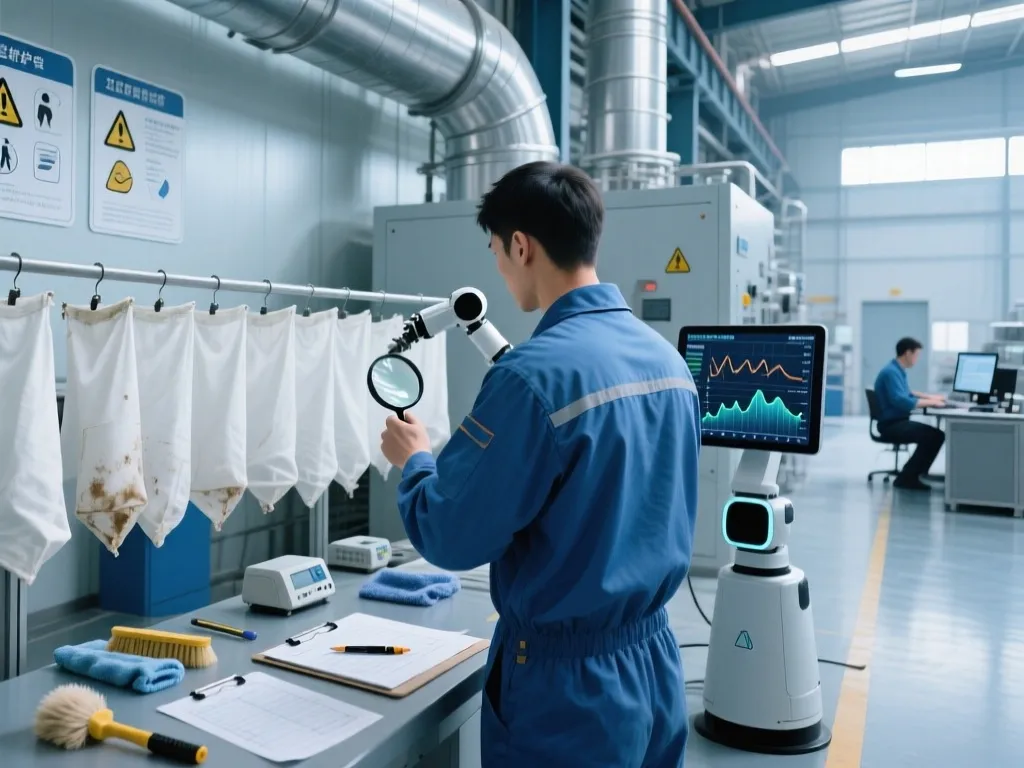
Maintenance and Care: Extending the Lifespan of Your Industrial Filter Bags
When it comes to industrial filter bags, maintenance isn’t just a chore—it’s a crucial strategy for maximizing their lifespan and ensuring peak performance. Think of it like taking care of a car: regular oil changes, tire rotations, and engine checks keep it running smoothly for years. Similarly, your filter bags need consistent attention to function efficiently and last longer. Let’s dive into some practical tips and tricks for maintaining your industrial filter bags, from routine inspections to smart management practices. First things first: regular inspections are your best friend. Just like you wouldn’t ignore a strange noise coming from your car, don’t overlook any signs of wear and tear on your filter bags. Start by visually inspecting them for holes, tears, or thinning areas. These are telltale signs that your bags are nearing the end of their useful life and may need replacement soon. But don’t stop there—feel the bags for stiffness or brittleness, which can indicate chemical degradation or excessive heat exposure. And if you notice any unusual odors, it could be a sign of microbial growth or chemical reactions happening inside the bag. Now, let’s talk about cleaning. While not all filter bags are designed to be cleaned, many can benefit from a gentle rinse or backwash to remove accumulated dust and debris. The key here is to use the right cleaning method for your specific bag material. For instance, polyester bags can usually withstand a mild detergent solution, while polypropylene bags might require a more delicate approach to avoid damage. Always follow the manufacturer’s guidelines for cleaning, and never use harsh chemicals or abrasive materials that could shorten the bag’s lifespan. When it comes to replacing filter bags, timing is everything. Waiting too long can lead to decreased filtration efficiency, increased pressure drop, and even system downtime—all of which can cost you time and money. On the other hand, replacing bags too frequently is wasteful and unnecessary. So, how do you strike the perfect balance? By establishing a regular replacement schedule based on your specific operating conditions and bag lifespan expectations. Keep in mind that factors like dust load, airflow rate, and chemical exposure can all affect how often you need to replace your bags. For those operating in high-temperature environments, selecting bags made from advanced materials such as basalt fiber can significantly enhance durability and lifespan. These basalt fiber filter bags are designed to withstand extreme temperatures, making them ideal for such demanding applications. But beyond these routine tasks, there’s another layer to maintaining your filter bags: scientific management. This means taking a proactive approach to understanding your system’s needs and optimizing your bag selection and usage accordingly. For example, if you’re dealing with high-temperature applications, choose bags made from heat-resistant materials like Nomex or Ryton. If you’re filtering corrosive gases, opt for bags with chemical-resistant coatings or liners. And if you’re looking to extend bag life even further, consider investing in advanced technologies like pulse-jet cleaning systems, which can help keep bags cleaner and reduce the frequency of replacements. Scientific management also involves tracking and analyzing data to identify trends and patterns in bag performance. By monitoring pressure drops, airflow rates, and other key metrics, you can gain valuable insights into how your bags are holding up over time and make informed decisions about when to replace them. This data-driven approach not only helps you optimize your bag usage but also enables you to predict and prevent potential issues before they arise, saving you from costly downtime and repairs. In short, maintaining your industrial filter bags is all about being proactive, attentive, and strategic. By incorporating regular inspections, gentle cleaning (when applicable), timely replacements, and scientific management practices into your routine, you can significantly extend the lifespan of your bags and ensure they continue to perform at their best for years to come. So, the next time you’re thinking about skipping that bag inspection or putting off a replacement, remember: a little maintenance goes a long way in keeping your filtration system running smoothly and efficiently.
Regular Inspections: The First Line of Defense
Regular inspections are the cornerstone of any effective filter bag maintenance program. By catching issues early, you can prevent minor problems from turning into major headaches down the line. During your inspections, pay close attention to the condition of the bag seams, as these are common areas for leaks to develop. Also, check for any signs of abrasion or puncturing, which can occur when bags rub against each other or against hard surfaces within the filtration system. If you notice any of these issues, it’s time to consider replacing the affected bags to maintain optimal filtration performance.
Cleaning: When and How to Do It Right
Cleaning your filter bags can be a tricky business, as not all bags are designed to withstand the rigors of washing. However, for those that are, a gentle cleaning can help remove built-up dust and debris, restoring the bag’s airflow and filtration efficiency. When cleaning, always use a mild detergent solution and avoid harsh chemicals or abrasive materials that could damage the bag fibers. Also, be sure to rinse the bags thoroughly to remove any soap residue, as this can attract more dust and reduce filtration performance over time. Finally, allow the bags to dry completely before reinstalling them to prevent mold or mildew growth.
Replacement: Timing Is Everything
Knowing when to replace your filter bags is crucial for maintaining optimal filtration performance and preventing system downtime. While there’s no one-size-fits-all answer to this question, there are a few key factors to consider. First, think about the dust load and airflow rate in your system. Higher dust loads and faster airflow rates will generally require more frequent bag replacements. Also, consider the chemical exposure and temperature conditions in your application, as these can accelerate bag degradation and shorten their lifespan. For applications with high dust loads and demanding filtration requirements, selecting a high-efficiency filtration bag can be a wise choice. These bags are engineered to capture even the smallest particles, ensuring cleaner air and extending the intervals between replacements. Finally, keep an eye on pressure drops and other performance metrics, as significant changes can indicate that it’s time for new bags.
Scientific Management: The Future of Filter Bag Maintenance
Scientific management is all about taking a data-driven approach to maintaining your filter bags. By tracking and analyzing key metrics like pressure drops, airflow rates, and bag lifespan, you can gain valuable insights into how your bags are performing and make informed decisions about when to replace them. This approach also enables you to identify trends and patterns in bag performance, helping you predict and prevent potential issues before they arise. For example, if you notice that your bags are consistently failing after a certain number of operating hours, you might be able to adjust your cleaning schedule or bag selection to extend their lifespan. For those seeking to optimize their filtration systems further, exploring high-performance filtration bag solutions can provide enhanced durability and efficiency, ensuring longer service life and better overall performance. By embracing scientific management, you can take your filter bag maintenance to the next level and ensure optimal performance for years to come.
Now that you’ve explored the ins and outs of industrial filter bag lifespans, from the impact of materials to the crucial role of maintenance, you’re equipped with the knowledge to make informed decisions. Remember, ‘How long should industrial filter bags last?’ isn’t a one-size-fits-all answer—it’s a dynamic interplay of factors that you can influence. By applying the insights from this guide, you’re not just extending the life of your filter bags; you’re enhancing your entire industrial operation’s efficiency and cost-effectiveness. So, what’s your next move? Will you reevaluate your current filter bag choices, or perhaps implement a new maintenance routine? The power is in your hands to optimize and thrive. Share this guide with your team, and let’s keep the conversation going—what other industrial challenges are you eager to tackle?