
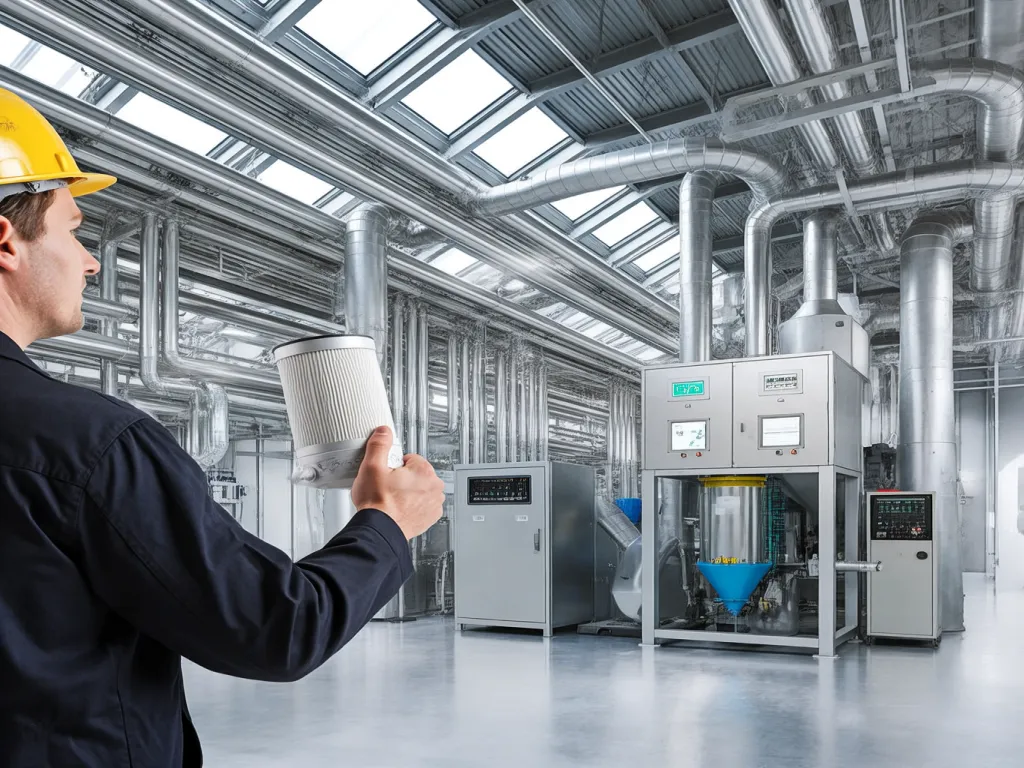
Navigating the maze of industrial dust filtration can be daunting. With a myriad of dust types—from abrasive metal shavings to sticky chemical powders—selecting the right filtration bag system for industrial use isn’t just about keeping the air clean. It’s about safeguarding production efficiency, worker health, and equipment longevity. But how do you pinpoint the perfect match for your specific dust challenges? Let’s dive into the nitty-gritty of industrial dust characteristics and filter system selection.

Industrial Dust Classification & Characteristics: The Foundation for Choosing Filtration Bag Systems
When it comes to industrial filtration, understanding the dust you’re dealing with is half the battle. After all, not all dust is created equal. Whether you’re managing a cement plant, a chemical processing facility, or a food production line, the characteristics of the dust generated can vary widely. So, let’s break down the key factors you need to consider: particle size distribution, chemical properties, and moisture content.
First up, particle size distribution. This refers to the range of particle sizes present in your dust stream. Some industrial processes generate fine particles (less than 10 microns), while others produce coarser dust (over 50 microns). Why does this matter? Well, smaller particles are more likely to penetrate deep into the filter media, requiring finer filtration materials and more frequent cleaning. On the other hand, larger particles can cause abrasion and wear on the filter bags if the system isn’t designed properly.
Think about it this way: if you’re filtering sandblasting dust, you’ll need a very different approach than if you’re capturing welding fumes. The former has coarse, heavy particles that can settle quickly, while the latter consists of ultra-fine metallic oxides that linger in the air. A good filtration bag system for industrial use should be tailored to handle the specific size range of your dust.
Next, let’s talk about chemical properties. Industrial dusts can be acidic, alkaline, or even flammable. For example, dust from metalworking operations might contain oxidizing agents, while food processing dust could be organic and prone to bacterial growth. The chemical composition of your dust affects the choice of filter material. Some fabrics are resistant to acids, others to alkalis, and some are designed to handle high temperatures or static discharge.
Have you ever considered how a chemical reaction between dust and filter material could shorten the lifespan of your system? It’s a real concern. Choosing a filter bag that’s chemically incompatible with your dust can lead to premature failure, costly downtime, and even safety hazards. That’s why it’s crucial to analyze the chemical makeup of your dust before selecting a filtration solution.
Now, let’s dive into moisture content. Some industrial processes generate dry dust, while others produce wet or sticky particles. High-moisture dust can clump together, clogging filter pores and reducing airflow. In extreme cases, it can even lead to microbial growth inside the filtration system. On the flip side, overly dry dust can become airborne more easily, increasing the risk of dust explosions in certain environments.
A filtration bag system for industrial use must strike a balance between handling moisture and maintaining efficiency. For wet applications, you might need a system with pre-coating or condensation control features. For dry dust, anti-static properties and proper ventilation are key.
So, how do you gather all this data? Start by conducting a thorough dust analysis. Sample your dust stream and test it for particle size, chemical composition, and moisture content. Many filtration companies offer this service as part of their system design process. The insights you gain will be invaluable in selecting the right filtration bag system for your needs.
Remember, the goal isn’t just to capture dust—it’s to do so efficiently, safely, and cost-effectively. By understanding the unique characteristics of your industrial dust, you can choose a filtration system that performs optimally and lasts longer. Isn’t that worth a little extra effort upfront?
Particle Size Distribution: The Invisible Culprit
Particle size distribution is often overlooked, but it’s one of the most critical factors in filtration system design. Fine particles (less than 2.5 microns) are particularly tricky because they can bypass coarse filters and penetrate deep into the lungs if inhaled. In industrial settings, these particles can come from processes like welding, grinding, or chemical reactions.
Coarse particles, while easier to capture, can cause abrasion and wear on filter bags. Imagine a sandpaper effect—over time, this can lead to tears or holes in the filter media. That’s why some systems use pre-filtration stages to remove larger particles before they reach the main filter bags.
Have you ever noticed how some dust seems to ‘stick’ to surfaces more than others? That’s often due to particle size. Finer dusts tend to stay airborne longer, while coarser dusts settle faster. Your filtration system should account for this behavior to maintain consistent performance.
Chemical Properties: The Silent Killer of Filter Bags
Chemical properties can make or break your filtration system. For example, dust from a metal plating operation might contain acids that corrode standard filter materials. Similarly, alkaline dust from cement production can degrade certain synthetic fabrics.
Flammable dusts, like those from woodworking or grain processing, require explosion-proof designs. Even organic dusts, such as flour or sugar, can pose a risk if they accumulate and create a combustible environment.
The key is to match the filter material to the chemical environment. PTFE (Teflon) membranes are great for sticky or oily dusts, while fiberglass filters excel in high-temperature applications.
Moisture Content: The Balancing Act
Moisture content is a double-edged sword. Too much moisture can cause dust to clump, reducing filter efficiency and increasing pressure drop. Too little moisture, and you risk dust explosions in certain industries.
Wet dust often requires specialized filtration systems with features like drain layers or hydrophobic coatings. These prevent moisture from saturating the filter media and causing clogging. In contrast, dry dust systems might focus on anti-static properties to prevent sparking.
Some industries, like pharmaceuticals or food processing, have strict hygiene requirements. In these cases, moisture control isn’t just about performance—it’s about compliance. A well-designed filtration system can help you meet regulatory standards while maintaining efficiency.
Dust Characteristics & Filtration Bag Material Selection
Choosing the right filtration bag system for industrial use isn’t just about picking a product off the shelf—it’s a strategic decision that hinges on understanding the unique characteristics of the dust your facility handles. Let’s break down how different dust properties—chemical composition, temperature, humidity, and electrostatic tendencies—directly impact material selection, and why getting this right matters for efficiency, safety, and cost.
Chemical Resistance: When Corrosive Dust Attacks
Imagine your filtration system is a shield. If the dust contains acidic compounds (like sulfur oxides from coal combustion) or alkaline particles (like cement dust), the ‘shield’ needs to be chemically resistant. Standard polyester or cotton bags? They’ll degrade fast. Instead, materials like PTFE (Teflon), PPS (Ryton), or fiberglass with PTFE coating are heroes here. Why? PTFE resists almost all chemicals, while PPS handles acids and bases up to 350°F. A real-world example: A chemical plant switching to PTFE bags saw filter life jump from 3 months to 2 years—saving $15,000 annually in replacements.
High-Temperature Tolerance: Playing with Fire (Safely)
Not all dust is created equal in the heat department. Incinerator ash might hit 500°F, while steel mill dust could exceed 600°F. If your system uses standard bags rated for 300°F, you’re risking meltdowns (literally). The fix? High-temp materials like Nomex (up to 400°F), P84 (500°F), or fiberglass (550°F+). But here’s the catch: High-temp bags often cost 2-3x more. So, ask yourself: Is your dust consistently hot, or just occasionally? A biomass boiler plant reduced downtime by 40% after upgrading to P84 bags—proof that the right material pays off.
Moisture & Hydrolysis Resistance: The Humidity Factor
Wet dust isn’t just messy—it’s destructive. When moisture combines with alkaline dust (like lime), it forms a corrosive paste that clogs filters. Standard polyester bags absorb moisture and hydrolyze (break down) in humid environments. The solution? Hydrolysis-resistant materials like polyphenylene sulfide (PPS) or PTFE. For more insights on how moisture affects industrial filtration systems, you can refer to this research on moisture effects. A cement factory in a tropical climate switched to PPS bags and cut cleaning cycles by 60% because the bags no longer absorbed moisture and stuck together.
Anti-Static Properties: When Dust Sparks Danger
Some dusts—like flour, sugar, or plastic powders—are explosive when airborne. A tiny static spark can ignite them. Regular bags generate static charges, but anti-static versions (with conductive fibers like carbon) safely dissipate electricity. The stakes? A food processing plant avoided a potential explosion by switching to anti-static bags after a near-miss. The cost? Minimal compared to the risk of fines or shutdowns.
Abrasion Resistance: When Dust Wears You Down
Sharp particles (like sand, metal shavings, or silica) act like sandpaper on filters. Standard bags wear out in months. Abrasion-resistant materials—aramid (Kevlar), basalt, or heavy-duty polyester with a protective coating—last longer. A foundry using aramid bags extended filter life from 6 months to 2 years, saving $8,000/year in labor and materials.
Putting It All Together: A Checklist for Material Selection
- Test Your Dust: Send samples to a lab for chemical analysis, temperature range, and moisture content.
- Match to Material Specs: Cross-reference dust properties with bag material ratings (e.g., PPS for acids, Nomex for heat).
- Consider the Environment: Is the plant humid? Dusty? Explosive? Adjust materials accordingly.
- Balance Cost vs. Lifespan: Cheaper bags might seem attractive, but frequent replacements cost more long-term.
Still unsure? Ask yourself: What’s the cost of a filter failure? A single downtime event can cost thousands in lost production. Investing in the right material upfront is like buying insurance—it pays dividends in reliability.
Ready to upgrade your filtration bag system? Let’s talk. Our experts can analyze your dust data and recommend the perfect material match. Because when it comes to industrial filtration, the right choice isn’t just smart—it’s essential.
Chemical Resistance: When Corrosive Dust Attacks
Imagine your filtration system is a shield. If the dust contains acidic compounds (like sulfur oxides from coal combustion) or alkaline particles (like cement dust), the ‘shield’ needs to be chemically resistant. Standard polyester or cotton bags? They’ll degrade fast. Instead, materials like PTFE (Teflon), PPS (Ryton), or fiberglass with PTFE coating are heroes here. Why? PTFE resists almost all chemicals, while PPS handles acids and bases up to 350°F. A real-world example: A chemical plant switching to PTFE bags saw filter life jump from 3 months to 2 years—saving $15,000 annually in replacements.
High-Temperature Tolerance: Playing with Fire (Safely)
Not all dust is created equal in the heat department. Incinerator ash might hit 500°F, while steel mill dust could exceed 600°F. If your system uses standard bags rated for 300°F, you’re risking meltdowns (literally). The fix? High-temp materials like Nomex (up to 400°F), P84 (500°F), or fiberglass (550°F+). But here’s the catch: High-temp bags often cost 2-3x more. So, ask yourself: Is your dust consistently hot, or just occasionally? A biomass boiler plant reduced downtime by 40% after upgrading to P84 bags—proof that the right material pays off.
Moisture & Hydrolysis Resistance: The Humidity Factor
Wet dust isn’t just messy—it’s destructive. When moisture combines with alkaline dust (like lime), it forms a corrosive paste that clogs filters. Standard polyester bags absorb moisture and hydrolyze (break down) in humid environments. The solution? Hydrolysis-resistant materials like polyphenylene sulfide (PPS) or PTFE. A cement factory in a tropical climate switched to PPS bags and cut cleaning cycles by 60% because the bags no longer absorbed moisture and stuck together.
Anti-Static Properties: When Dust Sparks Danger
Some dusts—like flour, sugar, or plastic powders—are explosive when airborne. A tiny static spark can ignite them. Regular bags generate static charges, but anti-static versions (with conductive fibers like carbon) safely dissipate electricity. The stakes? A food processing plant avoided a potential explosion by switching to anti-static bags after a near-miss. The cost? Minimal compared to the risk of fines or shutdowns.
Abrasion Resistance: When Dust Wears You Down
Sharp particles (like sand, metal shavings, or silica) act like sandpaper on filters. Standard bags wear out in months. Abrasion-resistant materials—aramid (Kevlar), basalt, or heavy-duty polyester with a protective coating—last longer. A foundry using aramid bags extended filter life from 6 months to 2 years, saving $8,000/year in labor and materials.
Advanced Filtration System Designs: Enhancing Efficiency in Complex Dust Environments
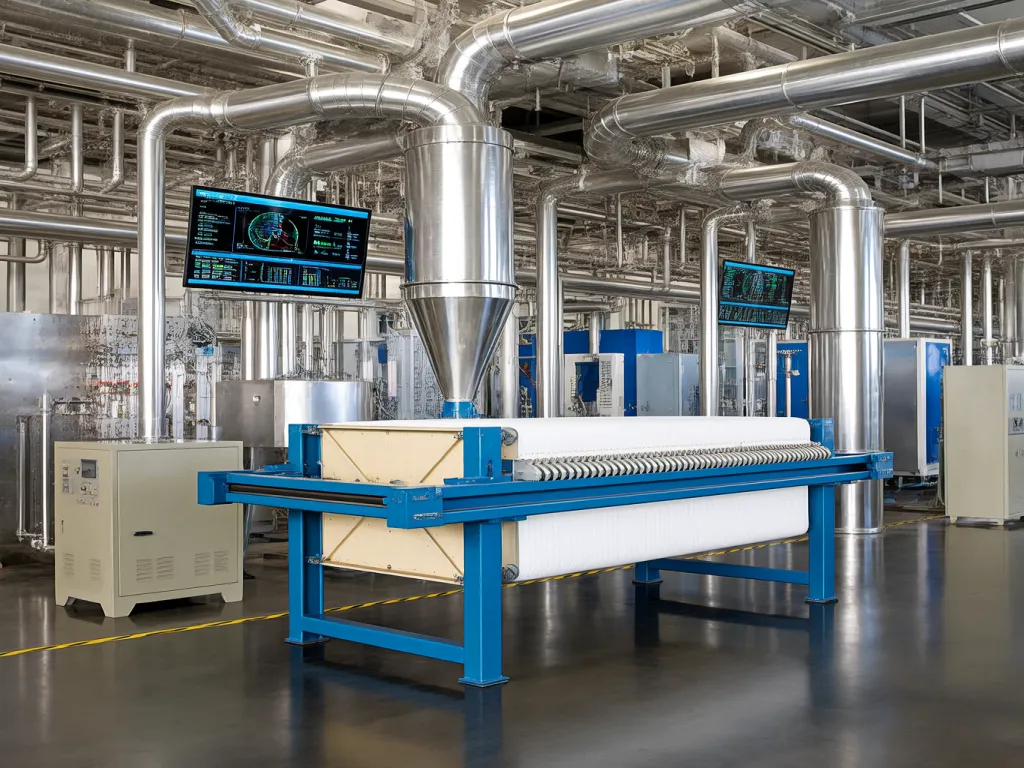
When it comes to industrial filtration, the stakes are high. Complex dust environments—ranging from fine particulates in pharmaceutical manufacturing to abrasive dust in metalworking—demand filtration systems that are not just efficient but also adaptable. So, how do advanced filtration system designs like pulse-jet cleaning technology and real-time monitoring and control systems step up to meet these challenges? Let’s break it down.
First, let’s talk about pulse-jet cleaning technology. This isn’t just another buzzword in the industrial filtration world; it’s a game-changer. Traditional bag filters rely on mechanical shaking or reverse airflow to dislodge accumulated dust, but these methods can be inefficient, especially for sticky or fine particles. Pulse-jet cleaning, on the other hand, uses short bursts of compressed air to clean the filter bags from the inside out. This means less downtime, lower energy consumption, and consistently high filtration efficiency, even in environments where dust buildup is rapid and severe.
But why does this matter for your industrial operation? Imagine a scenario where your production line is constantly interrupted by filter clogs, leading to frequent shutdowns for manual cleaning. With pulse-jet technology, these interruptions are minimized. The compressed air pulses are timed precisely to ensure maximum dust removal without damaging the filter bags. This translates to longer filter life, reduced maintenance costs, and uninterrupted production—key factors for any industrial manager looking to optimize operations.
Now, let’s shift gears to real-time monitoring and control systems. In the past, filtration systems operated in a bit of a ‘black box’ scenario. You’d set them up, hope for the best, and deal with issues as they arose. But with modern online monitoring systems, you can keep a finger on the pulse of your filtration system 24/7. These systems track critical parameters like differential pressure, airflow, and even the condition of individual filter bags.
Why is this level of insight so valuable? For starters, it allows for predictive maintenance. Instead of waiting for a filter to fail catastrophically, you can detect early signs of wear or clogging and address them proactively. This not only extends the lifespan of your filtration equipment but also prevents unexpected downtime, which can be incredibly costly in high-volume industrial settings.
Moreover, real-time data enables dynamic adjustments to the filtration process. For example, if the system detects a sudden spike in dust concentration, it can automatically increase the frequency of pulse-jet cleaning or adjust the airflow to maintain optimal filtration efficiency. This adaptability is crucial in industries where dust characteristics can vary widely throughout the day or between different production batches.
But here’s the thing: advanced filtration system designs aren’t just about technology for technology’s sake. They’re about solving real-world problems. Take, for instance, a food processing plant dealing with a mix of fine flour dust and larger grain particles. A standard filtration system might struggle to handle this variability, leading to frequent clogs and reduced efficiency. An advanced system with pulse-jet cleaning and real-time monitoring, however, can adapt to these changing conditions, ensuring consistent performance and compliance with health and safety standards.
Or consider a chemical manufacturing facility where the dust is not only abrasive but also potentially hazardous. In such environments, even minor leaks or inefficiencies in the filtration system can pose serious risks. Advanced designs with robust monitoring and automatic cleaning capabilities provide an extra layer of protection, giving plant managers peace of mind and ensuring worker safety.
So, what does this mean for you, the industrial production manager or environmental engineer? It means that choosing the right filtration bag system for industrial use isn’t just about selecting a product off a shelf. It’s about understanding how advanced technologies like pulse-jet cleaning and real-time monitoring can be tailored to your specific dust environment and operational needs.
Are you tired of dealing with frequent filter clogs and unexpected downtime? Do you want a filtration system that not only meets but exceeds your efficiency and safety expectations? If so, it’s time to explore how advanced filtration system designs can transform your industrial operation. By investing in the right technology, you’re not just buying a filter; you’re securing a solution that adapts, performs, and protects—day in, day out.
Pulse-Jet Cleaning: Precision and Efficiency
Pulse-jet cleaning technology stands out for its precision. Unlike traditional methods that may over-clean or under-clean certain areas, pulse-jet systems deliver targeted bursts of air exactly where needed. This ensures every inch of the filter bag is cleaned effectively, reducing the risk of residual dust buildup that can compromise filtration efficiency. For industries dealing with ultra-fine particles or sticky substances, this level of precision is indispensable.
Real-Time Monitoring: Data-Driven Decisions
The beauty of real-time monitoring systems lies in their ability to turn raw data into actionable insights. By continuously analyzing parameters like pressure differentials and airflow rates, these systems can identify trends that might indicate a developing issue, such as a gradual increase in resistance that suggests a filter bag is nearing the end of its life. This proactive approach allows for scheduled maintenance rather than emergency repairs, saving time and money.
Adaptability in Variable Dust Environments
One of the biggest challenges in industrial filtration is dealing with dust that varies in size, shape, and chemical composition. Advanced filtration systems excel here by offering adjustable settings. For example, if the system detects coarser dust particles, it can increase the intensity of the pulse-jet cleaning to prevent clogging. Conversely, for finer dust, it can optimize the cleaning frequency to maintain efficiency without unnecessary wear on the filter bags.
Choosing the right filtration bag system for industrial use is more than a technical decision—it’s a strategic move to protect your operations. By understanding your dust’s unique traits and matching them with advanced filter materials and designs, you unlock unmatched efficiency and safety. Ready to transform your industrial filtration game? Don’t settle for generic solutions. Consult our experts today for tailored advice and elevate your production environment to new heights.