
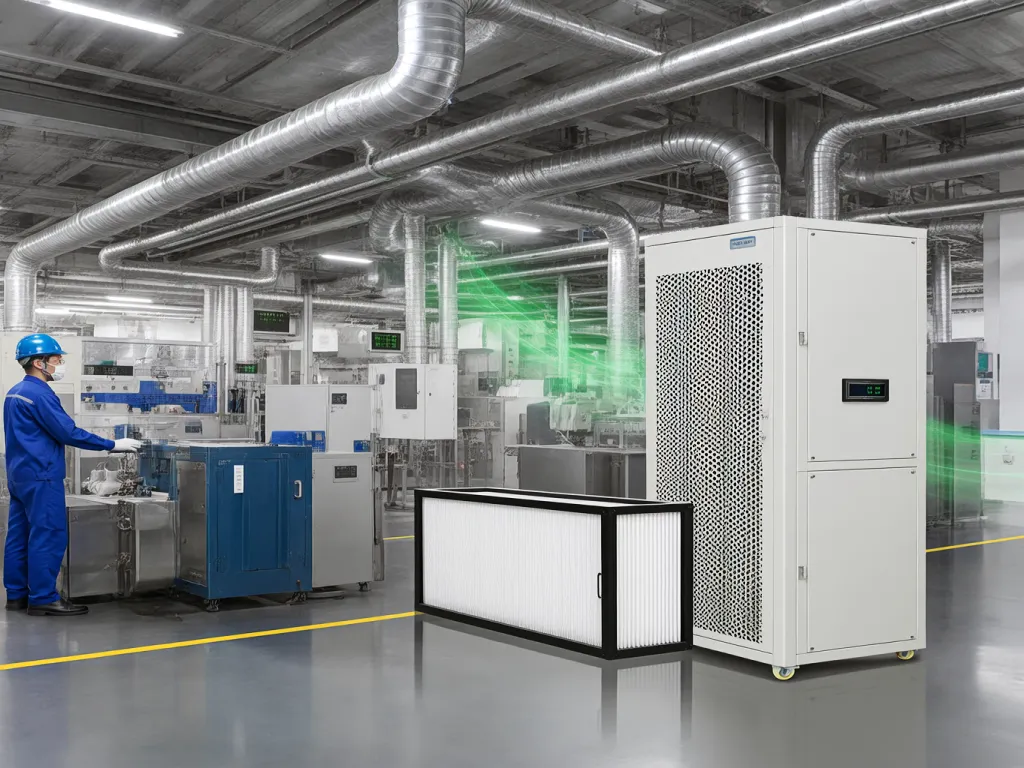
Struggling with dust, fumes, or chemical vapors in your industrial workspace? You’re not alone. Poor air quality isn’t just a comfort issue—it impacts worker health, equipment lifespan, and even regulatory compliance. But here’s the question every facility manager asks: How to improve air quality in industrial facilities? The answer lies in smart filtration. This guide breaks down pollution sources, filter types, and cost-effective strategies to transform your air from hazardous to healthy. Ready to breathe easier?
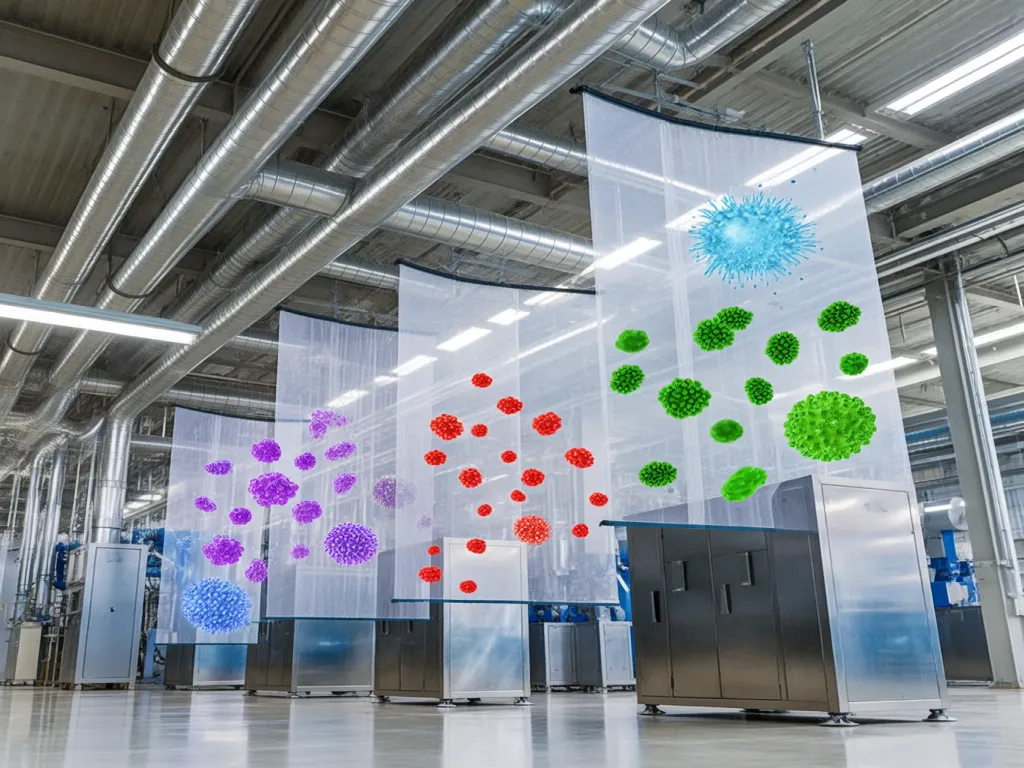
Understanding Industrial Air Pollution Sources: A Foundation for Effective Filtration
When it comes to improving air quality in industrial facilities, the first step is always to understand the enemy – the pollutants lurking in the air. These aren’t just minor irritants; they can pose serious health risks to workers and even affect the longevity of your machinery. So, what exactly are we up against? Let’s dive into the common air pollution sources in industrial settings and why they matter so much when selecting filtration equipment.
First up, we have particulate matter, commonly known as dust. This isn’t just the stuff you see floating around on a sunny day. In industrial environments, dust can be a complex mixture of solid particles, including metals, minerals, and organic compounds. For instance, in a metal fabrication shop, you might find fine metal dust generated from cutting, grinding, or welding processes. These particles are tiny – often smaller than 10 micrometers – and can easily penetrate deep into the lungs, causing respiratory issues over time.
But dust isn’t the only villain. Chemical gases and vapors are equally concerning. These can originate from various sources, such as solvents used in cleaning processes, fumes from painting operations, or even byproducts of chemical reactions. Take, for example, a facility that manufactures plastics. The heating and melting of plastic resins can release volatile organic compounds (VOCs) like benzene and toluene, which are known carcinogens. Similarly, in a semiconductor manufacturing plant, gases like silicon tetrafluoride or hydrogen chloride might be present, posing both health and environmental hazards.
Then there are the biological contaminants – though less common in purely industrial settings, they can still be a concern in facilities that handle organic materials or have poor ventilation. Mold spores, bacteria, and even viruses can thrive in damp, poorly ventilated areas, leading to a range of health problems from allergies to infections.
Now, you might be thinking, ‘Why does all this matter for selecting filtration equipment?’ Well, the answer lies in the specificity of the problem. Just as you wouldn’t use a sledgehammer to crack a nut, you wouldn’t choose a filtration system that’s designed for large dust particles if your main concern is chemical vapors. Each type of pollutant requires a different approach to capture and remove it effectively from the air.
For instance, HEPA filters are excellent at trapping particulate matter, including very fine dust particles. They work by forcing air through a fine mesh that traps particles as small as 0.3 microns. But if your main issue is chemical gases, you’ll need something like an activated carbon filter, which uses adsorption to capture volatile organic compounds and other gaseous pollutants.
Understanding the specific pollutants in your industrial facility is also crucial for compliance with environmental regulations. Many countries have strict air quality standards that industries must adhere to, and failing to meet these can result in hefty fines or even shutdowns. By accurately identifying your pollution sources, you can ensure that your filtration system not only improves air quality but also keeps you on the right side of the law.
So, how do you go about identifying these pollutants? It starts with a thorough site assessment. Walk through your facility, observe the processes taking place, and note any potential sources of dust, chemical fumes, or biological contaminants. You might also consider conducting air quality tests to get a more precise picture of what’s in the air. These tests can measure the concentration of various pollutants, helping you pinpoint the exact issues you need to address.
In summary, understanding the common air pollution sources in industrial facilities is the first and most crucial step in selecting the right filtration equipment. Whether it’s dust, chemical gases, or biological contaminants, each requires a tailored approach to ensure effective removal. By taking the time to identify your specific pollutants, you can invest in a filtration system that not only improves air quality but also protects the health of your workers and the environment.
Particulate Matter: The Silent Killer
Particulate matter, or dust, is often the most visible form of air pollution in industrial settings. But don’t let its visibility fool you – these tiny particles can cause big problems. From respiratory issues to cardiovascular disease, the health effects of prolonged exposure to particulate matter are well-documented. In industrial facilities, dust can come from a variety of sources, including material handling, grinding, and even just the movement of people and equipment. Identifying the sources of dust in your facility is key to selecting the right filtration equipment, whether it’s a HEPA filter for fine particles or a cyclone separator for larger debris.
Chemical Gases and Vapors: The Invisible Threat
While dust might be the most visible pollutant, chemical gases and vapors are often the most dangerous. These invisible threats can come from solvents, fuels, cleaning agents, and even the byproducts of industrial processes. Exposure to high levels of chemical vapors can cause immediate health effects, such as dizziness, nausea, and respiratory irritation. Long-term exposure can lead to more serious conditions, including cancer and neurological damage. Selecting filtration equipment that can effectively capture and neutralize these gases is crucial for maintaining a safe and healthy work environment.
Biological Contaminants: A Hidden Danger
Though less common in purely industrial settings, biological contaminants can still pose a risk, especially in facilities that handle organic materials or have poor ventilation. Mold spores, bacteria, and viruses can thrive in damp, poorly ventilated areas, leading to a range of health problems. In some cases, these contaminants can even cause outbreaks of disease. While specialized filtration equipment might be needed to address biological contaminants, understanding their potential presence is an important first step in ensuring air quality.
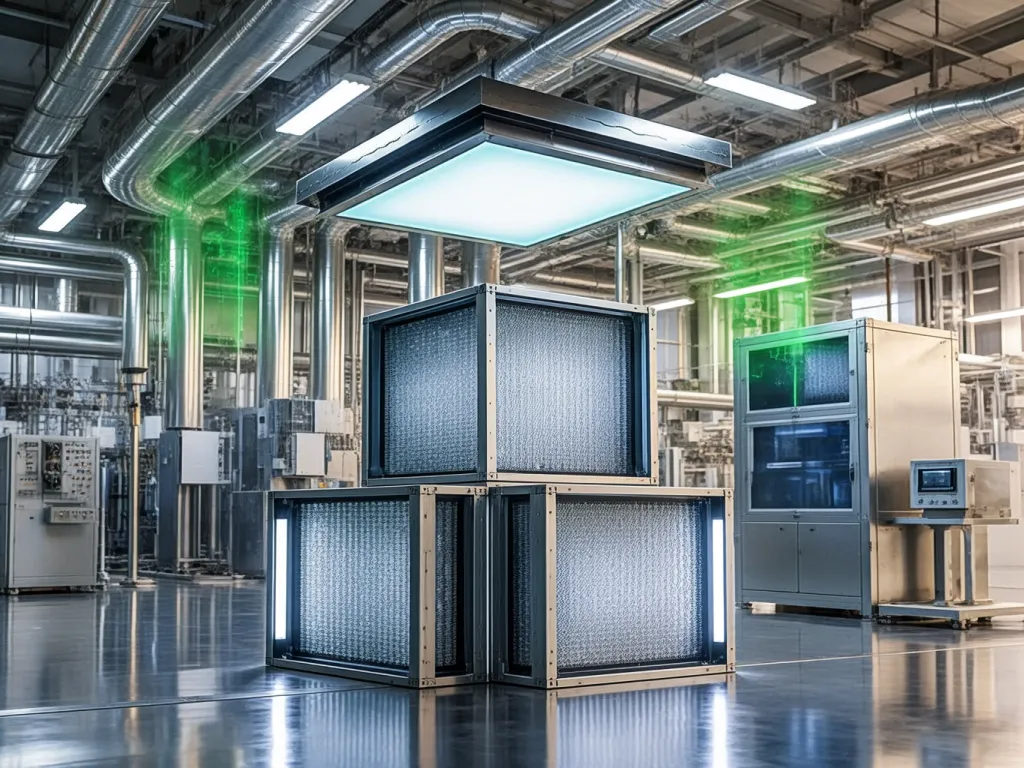
Filter Equipment Types and Performance Comparison: Selecting the Right Tool for Your Industrial Air Quality Needs
When it comes to improving air quality in industrial facilities, the first question on your mind might be: ‘Which filter equipment truly gets the job done?’ Let’s break down the most common types of industrial air filtration equipment—HEPA filters, activated carbon filters, electrostatic precipitators, and UV air purifiers—so you can make an informed decision tailored to your facility’s needs.
HEPA Filters: The Gold Standard for Particulate Removal
HEPA filters (High-Efficiency Particulate Air) are widely recognized as the benchmark for capturing fine particles. But how do they work? Imagine a maze of randomly arranged fibers, typically made from glass or synthetic materials. As air flows through, particles larger than 0.3 microns—like dust, pollen, and some bacteria—get trapped through three mechanisms: interception (sticking to fibers), impaction (slamming into fibers), and diffusion (tiny particles bouncing around until captured).
Performance Highlights:
- Efficiency: Removes 99.97% of particles 0.3 microns and larger.
- Ideal For: Industries generating fine dust (woodworking, pharmaceuticals) or requiring sterile environments (labs, cleanrooms).
- Limitation: Doesn’t remove gases, odors, or volatile organic compounds (VOCs).
Pro Tip: If your main concern is airborne dust or allergens, HEPA is your go-to. But pair it with another filter type if you also need gas removal.
Activated Carbon Filters: Tackling Gases and Odors
Ever noticed how activated carbon filters are often paired with HEPA in hybrid systems? That’s because they specialize in something HEPA can’t: adsorbing gases, chemicals, and odors. The secret lies in their porous structure—millions of tiny pores create a massive surface area that traps gas molecules through adsorption (not absorption; molecules stick to the surface rather than soaking in).
Performance Highlights:
- Efficiency: Varies by carbon type and thickness, but effective against VOCs, fumes, and odors.
- Ideal For: Chemical plants, printing facilities, or any industry emitting volatile organic compounds.
- Limitation: Doesn’t capture particulates well. Requires frequent replacement as pores saturate.
Real-World Example: A automotive paint shop used activated carbon filters to eliminate solvent fumes, reducing employee complaints about headaches by 80%.
Electrostatic Precipitators: Charging Particles for Easy Capture
These devices use electricity to charge particles in the air, then collect them on oppositely charged plates. Think of it like a magnet for dust: as air passes through, particles gain a negative charge and stick to positively charged plates.
Performance Highlights:
- Efficiency: Up to 95% for larger particles (1 micron+), but less effective for sub-micron particles.
- Ideal For: Heavy-dust industries like cement plants or foundries where low maintenance is key.
- Limitation: Requires regular plate cleaning; less effective for fine particles or gases.
Cost-Saving Insight: While initial costs are higher than basic filters, electrostatic precipitators have lower long-term operating costs due to washable plates.
UV Air Purifiers: Neutralizing Microorganisms
UV filters don’t ‘filter’ in the traditional sense—they disinfect. Ultraviolet-C (UV-C) light damages the DNA of bacteria, viruses, and mold spores, rendering them harmless.
Performance Highlights:
- Efficiency: Nearly 100% for microorganisms exposed long enough.
- Ideal For: Hospitals, food processing, or any facility needing pathogen control.
- Limitation: Doesn’t remove particles or gases; effectiveness depends on UV exposure time.
Did You Know? Combining UV with HEPA and activated carbon creates a ‘triple threat’ system for particles, gases, and microbes.
Choosing Your Champion: Match Equipment to Your Pollution Profile
Still unsure? Let’s simplify:
- Dust-heavy environments? Prioritize HEPA or electrostatic precipitators.
- Chemical fumes or odors? Go for activated carbon.
- Microbial control? UV is your ally.
- Combo threats? Hybrid systems (HEPA + carbon + UV) offer comprehensive protection.
Remember, no single filter does everything. The key is understanding your facility’s unique pollution profile—then selecting equipment that targets your top concerns efficiently and cost-effectively.
Hybrid Systems: The Best of Both Worlds?
Why settle for one when you can have two (or three)? Hybrid filtration systems combine HEPA, activated carbon, and sometimes UV into a single unit. These are perfect for facilities dealing with multiple pollutants simultaneously. For example, a metal fabrication shop might use a hybrid system to capture welding fumes (particulates), solvent vapors (gases), and bacteria from cooling systems. While hybrid systems cost more upfront, they often reduce long-term maintenance by consolidating functions into one device.
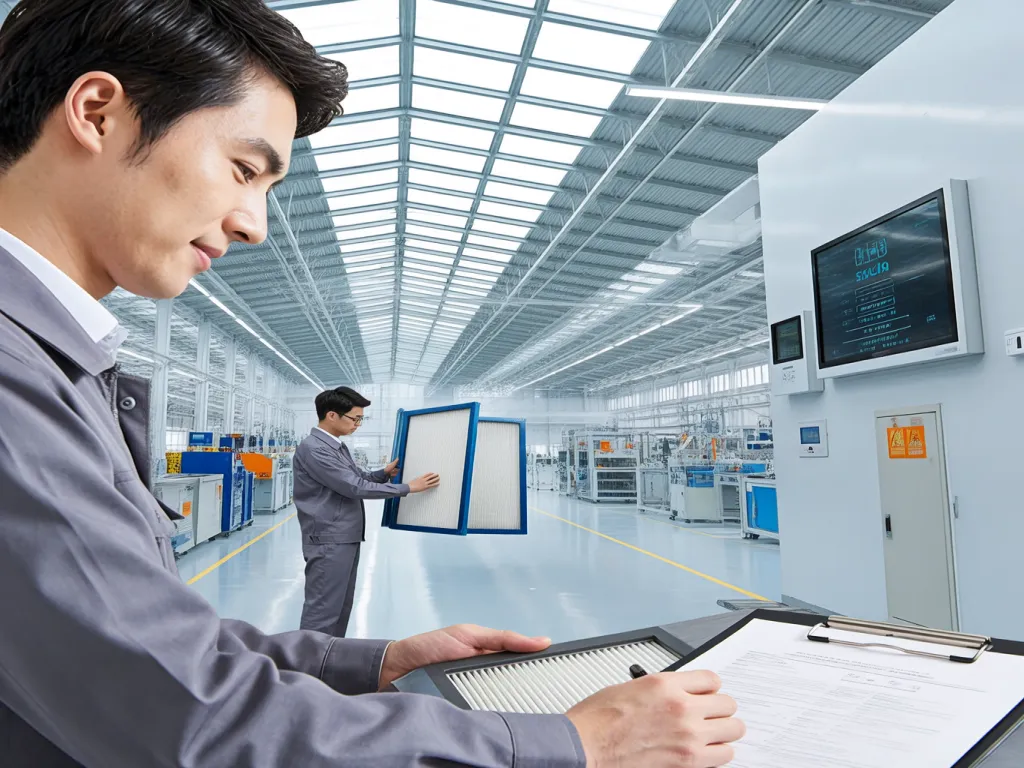
Maintenance Costs & Long-Term Benefits: A Deep Dive into Industrial Air Filtration
When it comes to improving air quality in industrial facilities, selecting the right filtration equipment is only half the battle. The other half? Understanding the maintenance costs and long-term economic benefits that come with your investment. After all, no one wants to be blindsided by unexpected expenses down the road. Let’s break down what you need to know about keeping your industrial air filters in top shape—and why it matters for your bottom line.
First things first: filter replacement isn’t just a recommendation; it’s a necessity. Over time, even the most robust filters lose their effectiveness as they trap particles, chemicals, and other pollutants. The frequency of replacement depends on several factors, including the type of filter (HEPA, activated carbon, etc.), the volume of air processed, and the concentration of contaminants. For instance, a HEPA filter in a high-dust environment might need replacing every six months, whereas the same filter in a cleaner setting could last up to two years. The cost? It varies widely, from $50 to $500+ per filter, depending on size and specifications. But here’s the kicker: skimping on replacements can lead to reduced airflow, increased energy consumption, and even premature equipment failure. Not exactly a cost-saving move, right?
Now, let’s talk about cleaning and maintenance. Unlike filter replacements, which are typically handled by professionals, cleaning is something you can (and should) do regularly. Dusting off pre-filters, wiping down housing units, and checking for leaks or damage are simple tasks that extend the life of your equipment. The tools you’ll need are basic—a vacuum, some rags, and maybe a screwdriver—but the payoff is huge. Regular maintenance reduces the risk of breakdowns, ensures optimal performance, and saves you from hefty repair bills. Think of it like changing the oil in your car: a small effort now prevents a major headache later.
But wait, there’s more to the story than just upfront costs. Let’s crunch some numbers to see how these expenses stack up against long-term savings. Suppose you invest in a high-efficiency particulate air (HEPA) system for your factory. The initial cost might be $5,000, plus $200 annually for filter replacements and another $100 for maintenance. Over five years, that’s $6,700. Now, compare that to the cost of not investing: poor air quality leads to employee absenteeism (estimated at $1,685 per employee per year in lost productivity), equipment corrosion (thousands in repairs), and potential regulatory fines. Suddenly, $6,700 seems like a steal.
And here’s where it gets really interesting: the ROI on industrial air filtration isn’t just about avoiding losses; it’s about creating gains. Cleaner air means healthier workers, fewer sick days, and higher morale. It also means longer-lasting machinery, lower energy bills (since clean filters don’t strain your HVAC system), and compliance with environmental regulations. Some studies even suggest that improved indoor air quality can boost cognitive function and decision-making—a hidden benefit that translates to better business outcomes. For more insights on how air quality impacts cognitive performance, you can refer to this research study.
So, how do you decide what’s right for your facility? Start by assessing your specific needs. Are you dealing with fine particulates, volatile organic compounds (VOCs), or both? Do you operate 24/7 or have seasonal peaks? Answering these questions will help you choose a filter that balances performance and cost. Then, factor in the total cost of ownership (TCO): purchase price + installation + replacements + maintenance + energy use. A cheaper filter might seem attractive upfront, but if it requires frequent replacements or drives up energy costs, it’s not a bargain.
Finally, don’t overlook the value of expert advice. Partnering with a reputable supplier who understands your industry can save you from costly mistakes. They can recommend filters tailored to your pollutants, suggest maintenance schedules, and even provide training for your staff. Think of it as an insurance policy against inefficiency.
In the end, improving air quality in industrial facilities isn’t just a regulatory requirement—it’s a strategic investment. By weighing maintenance costs against long-term benefits, you’re not just buying a filter; you’re buying peace of mind, productivity, and profitability. So, ask yourself: Can your business afford to ignore the economics of clean air? The answer, I hope, is a resounding no.
Filter Replacement: Frequency and Costs
Filter replacement is a critical aspect of maintaining industrial air filtration systems. The frequency of replacement depends on factors such as the type of filter, the volume of air processed, and the concentration of contaminants. For example, a HEPA filter in a high-dust environment might need replacing every six months, while the same filter in a cleaner setting could last up to two years. The cost of replacement filters varies widely, from $50 to $500+ per filter, depending on size and specifications. It’s essential to factor in these costs when evaluating the total cost of ownership of your filtration system.
Cleaning and Maintenance: Simple Tasks, Big Payoff
Regular cleaning and maintenance are key to extending the life of your industrial air filters. Simple tasks like dusting off pre-filters, wiping down housing units, and checking for leaks or damage can significantly reduce the risk of breakdowns and ensure optimal performance. The tools required for these tasks are basic, such as a vacuum, rags, and a screwdriver. By investing a little time and effort into maintenance, you can avoid hefty repair bills and keep your filtration system running smoothly.
Long-Term Savings: Beyond Upfront Costs
When evaluating the cost of industrial air filtration, it’s important to consider the long-term savings. Poor air quality can lead to employee absenteeism, equipment corrosion, and potential regulatory fines. By investing in a high-efficiency filtration system, you can avoid these costs and even create gains. Cleaner air means healthier workers, fewer sick days, and higher morale. It also means longer-lasting machinery, lower energy bills, and compliance with environmental regulations. Some studies suggest that improved indoor air quality can boost cognitive function and decision-making, leading to better business outcomes.
Improving air quality in industrial facilities isn’t about throwing money at random filters—it’s about precision. By identifying pollution sources, matching them with the right filter tech (HEPA for particles, activated carbon for gases), and calculating long-term savings, you’re not just cleaning air—you’re investing in productivity and safety. So, how will you act on this? Share your facility’s challenges below, or dive deeper into our industrial air filtration equipment selection guide. The next breath your team takes could be the cleanest yet—will you make it happen?