
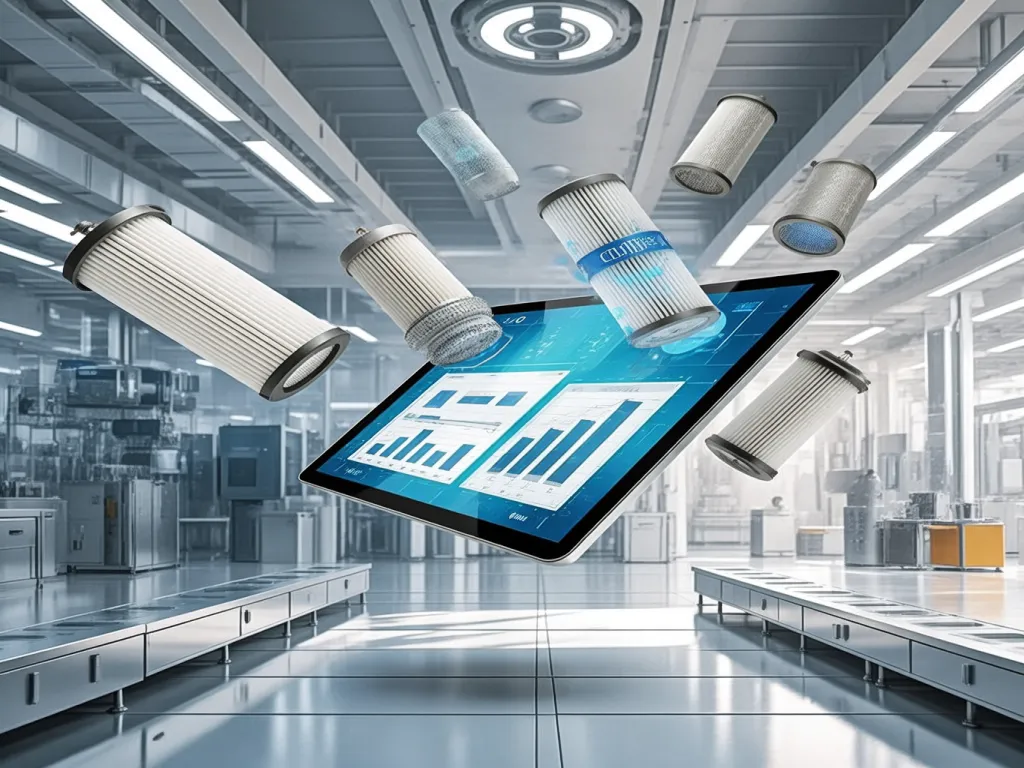
When it comes to industrial processes, selecting the right filter efficiency isn’t just a technical detail—it’s a game-changer. How to match filter efficiency to application needs? This question lies at the heart of optimizing production, reducing costs, and ensuring product quality. Whether you’re running a small lab or managing a sprawling factory, understanding the nuances of filter types and their efficiency levels is crucial. But how do you navigate the complexities of industrial filtration? Let’s dive in and demystify the process.
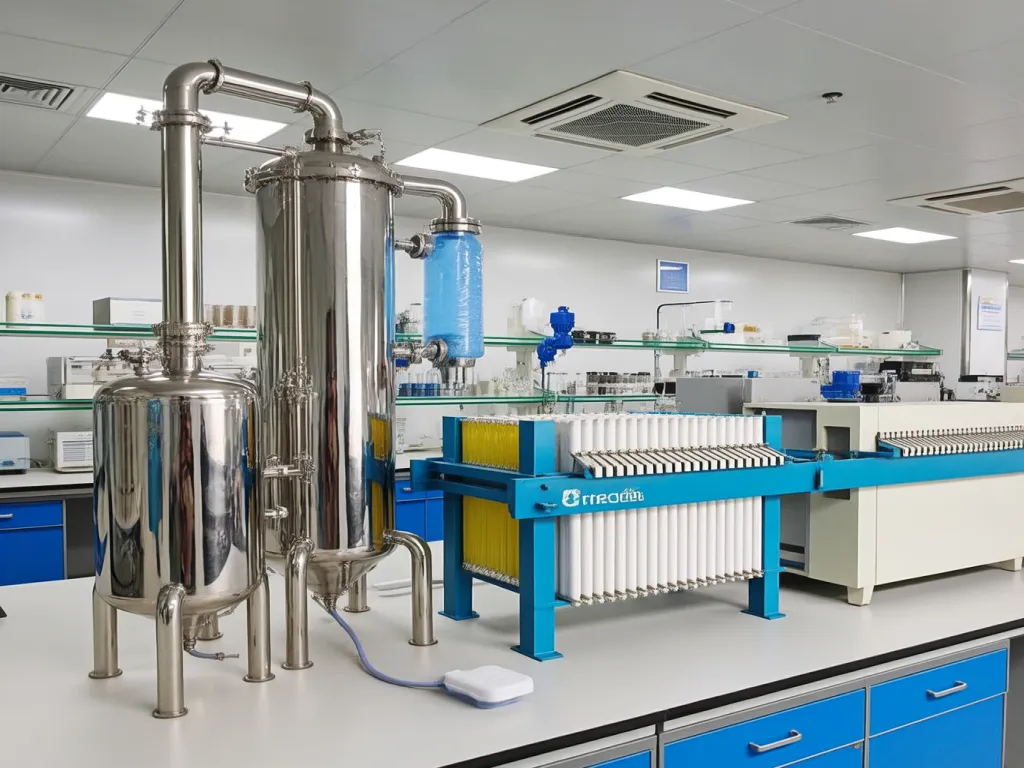
Industrial Filtration & Separation Equipment Types: Efficiency Differences Explained
When it comes to industrial filtration and separation, choosing the right equipment isn’t just about buying a filter—it’s about matching filtration efficiency to your specific application needs. After all, not all filters are created equal, and the differences in their efficiency can make or break your process. So, how do you know which type of filter is best for your industrial setup? Let’s dive into the main types of industrial filtration and separation equipment—bag filters, plate-and-frame filters, and membrane filters—and break down how their efficiency varies.
First up, let’s talk about bag filters. These are some of the most common filtration devices you’ll find in industrial settings. Bag filters work by trapping particles in a fabric bag as the liquid or gas passes through. The efficiency of a bag filter largely depends on the material of the bag and the size of the particles it’s designed to catch. For instance, a bag filter with a micron rating of 5 can capture particles as small as 5 microns, making it suitable for applications where fine particulate removal is necessary. However, bag filters generally have a lower surface area compared to other types, which means they might need more frequent replacement or cleaning, especially in high-volume applications. This makes them a solid choice for medium-efficiency needs where cost-effectiveness and simplicity are priorities.
Next on the list are plate-and-frame filters, also known as filter presses. These are the workhorses of solid-liquid separation, especially in industries like chemical processing, mining, and wastewater treatment. Plate-and-frame filters consist of a series of plates and frames that hold filter cloths. As the slurry is pumped into the system, solids are trapped between the plates, while the filtrate passes through. The efficiency here is impressive—plate-and-frame filters can achieve very high levels of solids removal, often exceeding 90%. This makes them ideal for applications where you need to separate large volumes of solids from liquids efficiently. However, the trade-off is that they can be more labor-intensive to operate and maintain, as the plates need to be cleaned or replaced periodically. If your industrial process demands high-efficiency solid-liquid separation and you can handle the maintenance, plate-and-frame filters are hard to beat.
Now, let’s shift gears to membrane filters. These are the precision tools of the filtration world, capable of separating particles at the microscopic level. Membrane filters use a semi-permeable membrane to allow only certain molecules or particles to pass through, based on size or molecular weight. The efficiency of membrane filters is unparalleled—they can achieve filtration down to the nanometer scale, making them perfect for applications like pharmaceuticals, food and beverage processing, and water purification. For those seeking high-efficiency particle filtration in cleanrooms, membrane filters like ULPA (Ultra-Low Penetration Air) filters can provide exceptional performance. The downside? Membrane filters can be expensive, both in terms of initial cost and operational expenses, as the membranes may need regular replacement. But if your process requires ultra-high purity or the removal of very fine contaminants, membrane filters are the way to go.
So, how do you decide which filter type is right for you? It all comes down to understanding your specific filtration needs. Are you dealing with coarse particulates or fine contaminants? Do you need high-volume processing or precision filtration? By answering these questions, you can match the right filter type to your application, ensuring optimal efficiency and cost-effectiveness. Remember, the goal isn’t just to filter—it’s to filter smarter.
Bag Filters: The Versatile Middle Ground
Bag filters shine in scenarios where you need a balance between efficiency and cost. They’re relatively easy to install and maintain, making them a popular choice for small to medium-sized industrial operations. However, their efficiency can vary widely based on the bag material and micron rating. For example, a polyester bag filter might offer better durability and chemical resistance compared to a polypropylene one, but at a slightly higher cost. When selecting a bag filter, consider not just the micron rating but also the flow rate and pressure drop—factors that can significantly impact overall efficiency.
Plate-and-Frame Filters: High Efficiency, High Maintenance
Plate-and-frame filters are the go-to for applications requiring high solids removal rates. Their modular design allows for easy scaling up or down, depending on your production needs. But here’s the catch: the efficiency gains come with increased operational complexity. You’ll need to factor in the time and labor required for plate cleaning or replacement, as well as the potential for downtime during maintenance. For industries where downtime is costly, like continuous chemical manufacturing, the high efficiency of plate-and-frame filters might justify the extra maintenance effort.
Membrane Filters: Precision at a Premium
Membrane filters are the pinnacle of filtration technology, offering unmatched precision in particle separation. They’re indispensable in industries where product purity is non-negotiable, such as pharmaceuticals or high-purity water production. For applications demanding H11-H17 high-efficiency filtration, membrane filters provide the necessary performance. The key to maximizing membrane filter efficiency lies in selecting the right membrane material and pore size for your application. For instance, a polyethersulfone (PES) membrane might be preferred for its chemical stability and low protein binding in biopharmaceutical applications. However, be prepared for higher operational costs, including membrane replacement and potential fouling issues that can reduce efficiency over time.
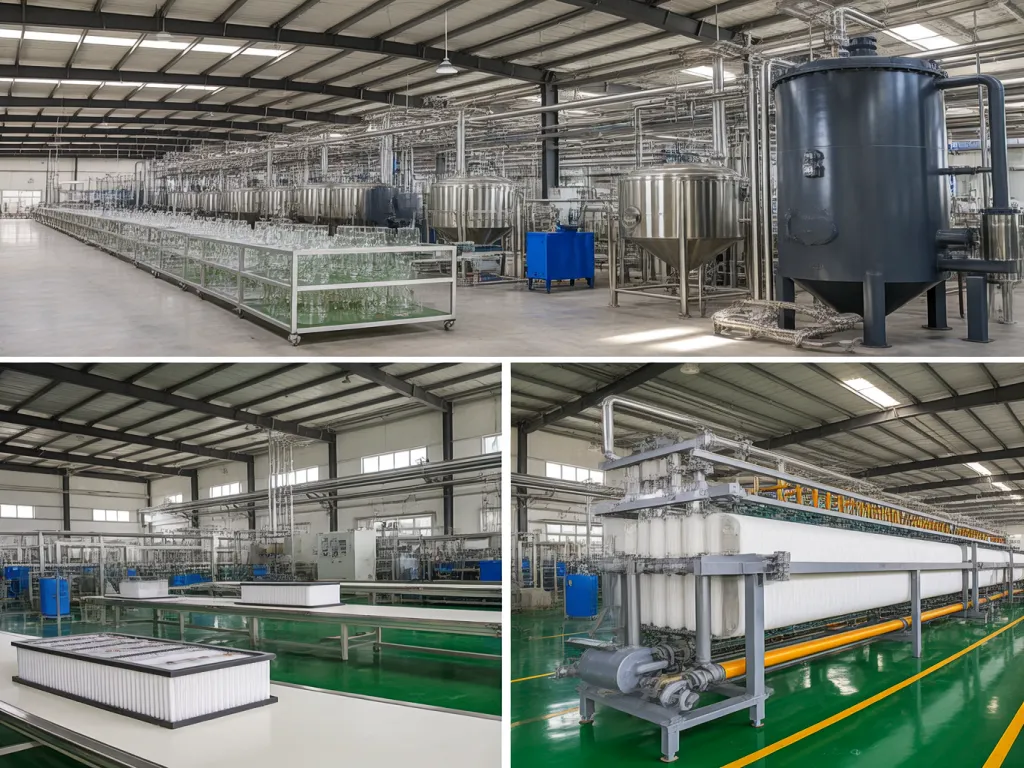
Matching Filter Efficiency to Industrial Application Needs: From Small Labs to Large Factories
When it comes to industrial filtration, one size definitely doesn’t fit all. The scale of your operation—whether it’s a compact research lab, a mid-sized production line, or a sprawling manufacturing plant—has a direct impact on the type of filtration equipment you’ll need. Let’s break down how different industrial settings influence filter efficiency requirements and how to choose the right gear for your specific needs.
Small-Scale Applications: Precision and Flexibility in Labs
For small-scale environments like research labs or pilot plants, precision and adaptability are key. You’re often dealing with limited volumes of materials, but the stakes are high when it comes to purity and accuracy. Here, high-efficiency particulate air (HEPA) filters or microfiltration membrane systems shine. Why? Because they can capture incredibly fine particles (down to 0.3 microns for HEPA) without clogging quickly, which is crucial when you’re processing small batches or running multiple tests with varying requirements.
Mid-Scale Production: Balancing Throughput and Consistency
Now, let’s move up to mid-sized operations—think food processing lines, chemical manufacturing, or water treatment facilities. Here, the game changes. You’re not just filtering for purity; you’re also dealing with higher flow rates and the need for consistent performance over longer runs. This is where bag filters and plate-and-frame filter presses come into play.
Bag filters are workhorses for mid-scale applications. They handle moderate to high flow rates while maintaining good efficiency (typically capturing particles in the 5–50 micron range). Plus, they’re relatively easy to maintain—just swap out the bags when they’re full. For applications requiring higher clarity (like beverage production), a depth filter cartridge system might be a better fit, offering finer filtration without sacrificing flow.
Large-Scale Industrial Settings: Efficiency at Scale
Finally, let’s tackle large factories—think oil refineries, steel mills, or massive chemical plants. At this scale, filtration isn’t just about purity; it’s about handling enormous volumes while keeping costs in check. Here, high-capacity membrane systems, rotary drum filters, and even custom-engineered filtration solutions dominate.
For liquid-solid separation in high-volume scenarios, rotary drum filters are a go-to. They continuously process slurries, separating solids from liquids with minimal downtime. Membrane bioreactors (MBRs), often used in municipal wastewater treatment, combine biological degradation with membrane filtration to achieve near-potable water quality at scale. For environments requiring ultra-high temperature resistance, specialized high-temperature ULPA/HEPA filters can maintain filtration efficiency even in extreme conditions.
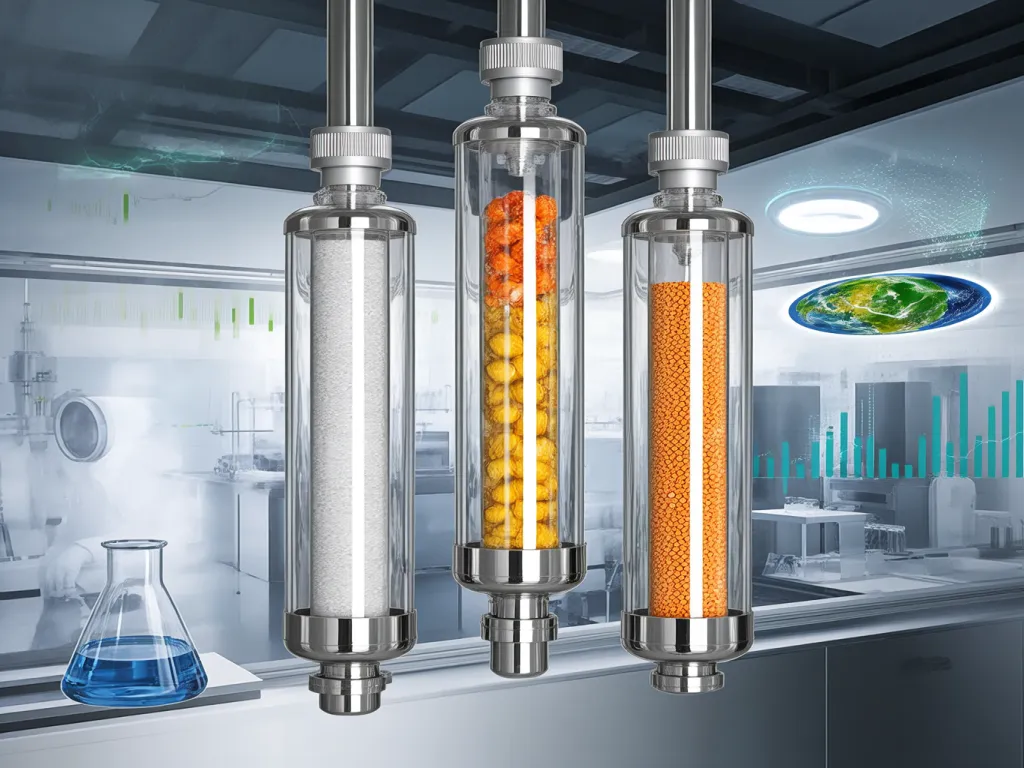
How to Match Filter Efficiency to Application Needs: Special Requirements Across Industries
When it comes to industrial filtration, one size definitely does not fit all. Different industries—chemical, food, pharmaceutical—each have unique demands that directly impact filter efficiency requirements. So, how do you ensure your filtration system is up to the task? Let’s dive into the specifics.First up, the chemical industry. Here, the stakes are high. Chemicals can be corrosive, toxic, or highly reactive. This means your filtration equipment needs to be robust, with materials that can withstand harsh conditions without degrading. But it’s not just about durability; it’s also about precision. Chemical processes often require the removal of minute particles or contaminants to ensure product purity and safety. Enter the membrane filter. With its fine pore structure, it’s ideal for capturing tiny particles, ensuring your chemical products meet stringent quality standards. Plus, membrane filters can be tailored to specific chemical processes, offering flexibility in filtration efficiency.Now, let’s talk food. The food industry is all about hygiene and taste. Contaminants here can spoil the product, affect flavor, or even pose health risks. So, what’s the go-to filter for food applications? Bag filters are a popular choice. They’re versatile, easy to clean, and can handle a wide range of food products, from liquids like juices and sauces to dry goods like flour and sugar. For those seeking a cost-effective and durable filtration solution for water-based applications in the food industry, consider exploring PP Single Bag Water Filter Housing. But it’s not just about the type of filter; it’s also about the material. Food-grade filters are a must, ensuring no harmful chemicals leach into the food. And when it comes to efficiency, bag filters can be customized with different media types to target specific contaminants, whether it’s solids, oils, or even microbes.Finally, the pharmaceutical industry. Here, purity is paramount. Pharmaceutical products must be free from any impurities that could affect their efficacy or safety. This means filtration systems need to be highly efficient, with the ability to remove even the smallest particles. Plate and frame filters shine in this arena. They offer high filtration areas, allowing for the processing of large volumes of pharmaceutical liquids. And with their modular design, they can be easily scaled up or down to meet production demands. But it’s not just about capacity; it’s also about control. Pharmaceutical filtration often requires precise control over filtration parameters, like pressure and flow rate. Plate and frame filters offer this level of control, ensuring consistent product quality.So, how do you choose the right filter for your industry? It starts with understanding your specific needs. Are you dealing with corrosive chemicals? Then a membrane filter with corrosion-resistant materials might be your best bet. Are you in the food business? Consider a bag filter with food-grade media. And if you’re in pharmaceuticals, a plate and frame filter with precise control capabilities could be the way to go.Remember, filter efficiency isn’t just about removing contaminants; it’s also about optimizing your process. The right filter can reduce downtime, improve product quality, and even lower costs. So, take the time to assess your needs, explore your options, and choose wisely. Your industrial filtration system is a critical part of your operation—make sure it’s up to the task.
Chemical Industry: Precision and Durability
In the chemical industry, the choice of filtration equipment is pivotal. The corrosive nature of many chemicals demands filters made from materials like stainless steel or PTFE, which can withstand harsh environments without degrading. But it’s not just about durability. Chemical processes often require the removal of extremely fine particles to ensure product purity. Membrane filters, with their precise pore sizes, excel in this regard. They can capture particles down to the micron level, ensuring your chemical products meet the highest quality standards. Moreover, membrane filters can be customized for specific chemical processes, allowing for tailored filtration efficiency.
Food Industry: Hygiene and Versatility
For the food industry, hygiene is non-negotiable. Contaminants can spoil the product, affect taste, or even pose health risks. Bag filters are a staple in this sector due to their versatility and ease of cleaning. They can handle a variety of food products, from liquids to dry goods. But the material of the filter is crucial. Food-grade filters ensure no harmful chemicals leach into the food, maintaining its safety and quality. Additionally, bag filters can be equipped with different media types to target specific contaminants, such as solids, oils, or microbes, offering flexibility in filtration efficiency.
Pharmaceutical Industry: Purity and Precision
In the pharmaceutical industry, purity is everything. Pharmaceutical products must be free from impurities that could affect their efficacy or safety. Plate and frame filters are ideal for this sector due to their high filtration areas and modular design. They can process large volumes of pharmaceutical liquids efficiently. Moreover, plate and frame filters offer precise control over filtration parameters, like pressure and flow rate, ensuring consistent product quality. This level of control is essential in pharmaceutical manufacturing, where even slight variations can impact the final product.
By now, you’ve got a clear picture of how to match filter efficiency to application needs. From bag filters to membrane systems, each type serves a unique purpose, tailored to specific industrial demands. Whether it’s the precision of a lab or the scale of a factory, choosing the right filter means better performance, lower costs, and fewer headaches. So, what’s your next move? Take this knowledge and apply it to your industrial project. Need more guidance? Explore our range of filtration solutions and let’s optimize your operations together. The journey to perfect filtration starts now—are you ready?