
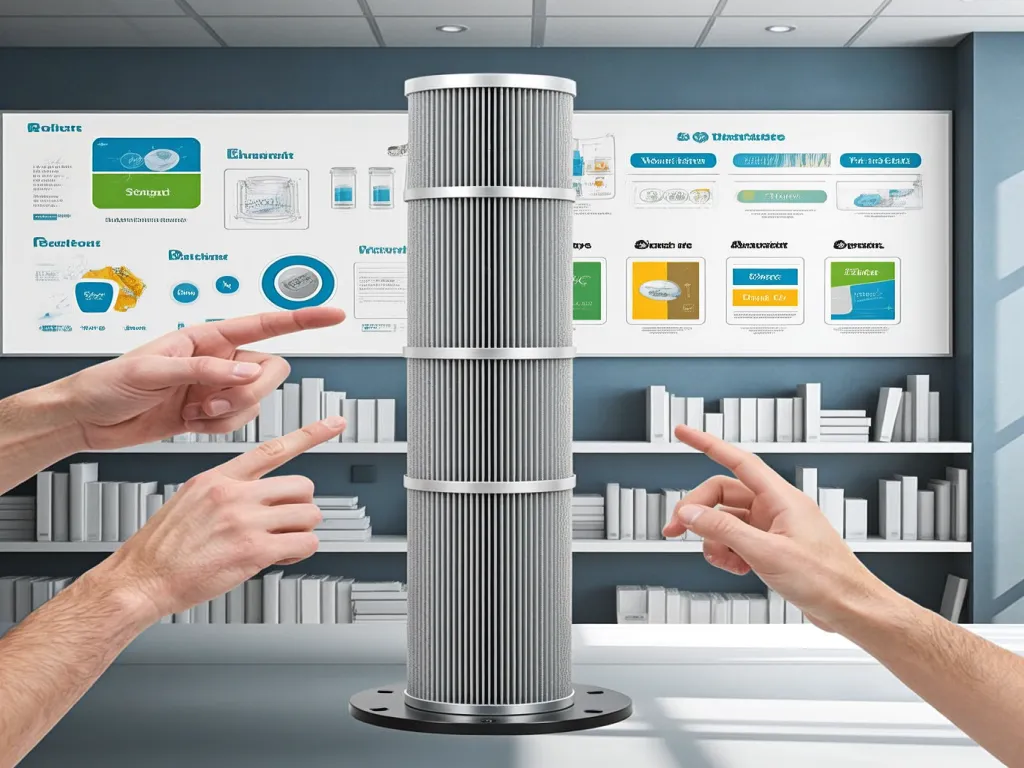
Choosing the right filtration efficiency can be a game-changer for your industrial operations. Whether you’re in chemicals, food processing, or pharmaceuticals, the stakes are high. So, What filtration efficiency do I need? It’s a question that deserves a nuanced answer. In this blog, we’ll dissect the filtration needs across different industries, offering you a clear roadmap to select the perfect efficiency for your unique scenario. Ready to elevate your production game?
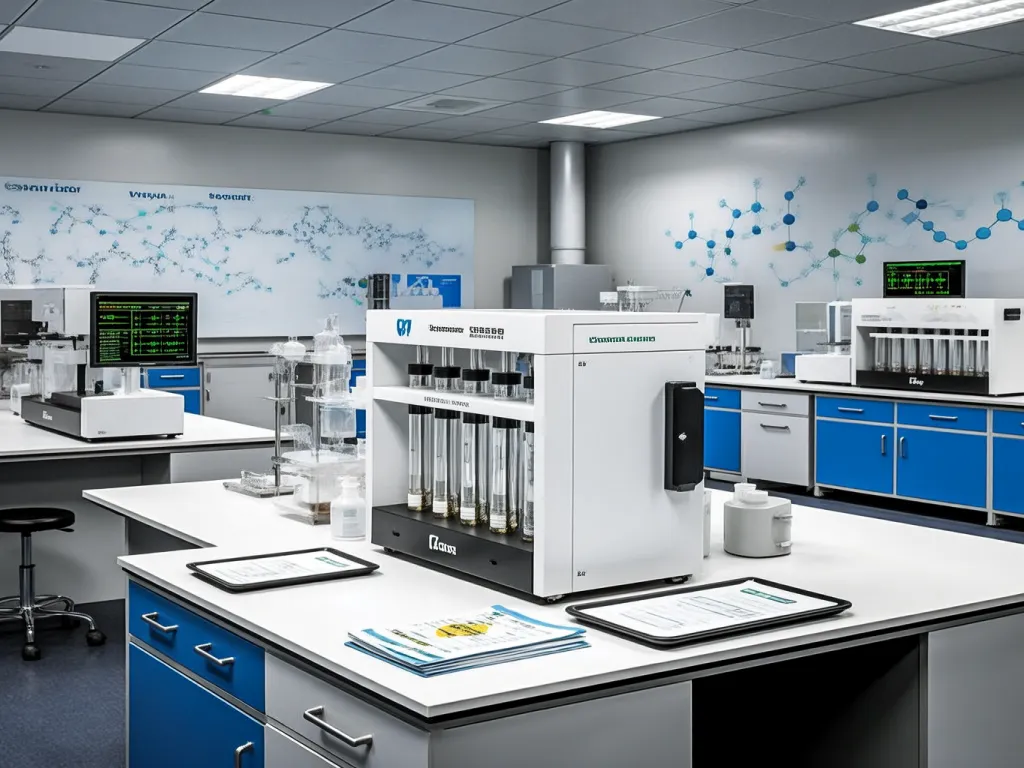
Analyzing Filtration Needs in Chemical Production: The Impact of High-Precision Filtration on Product Quality and Required Filtration Efficiency
In the realm of chemical production, filtration isn’t just a step in the process—it’s a cornerstone of ensuring product quality, safety, and efficiency. Imagine a scenario where impurities sneak into your final product, compromising its integrity and potentially causing harm to consumers. That’s where the magic of filtration, especially high-precision filtration, comes into play. But how do you determine the right filtration efficiency for your specific needs? Let’s dive in.
First off, let’s acknowledge that chemical production encompasses a vast array of processes, each with its unique set of challenges and requirements. From the synthesis of basic chemicals to the production of specialty compounds, the need for clean, pure products is universal. This is where filtration efficiency becomes a critical factor. It’s not just about removing visible particles; it’s about eliminating microscopic contaminants that can alter the chemical composition, stability, or even the safety of your product.
So, what exactly is filtration efficiency? Simply put, it’s a measure of how effectively a filter can remove particles of a certain size from a fluid stream. The higher the efficiency, the more particles it can trap, ensuring a cleaner output. But here’s the kicker: not all processes require the same level of filtration. Some might be fine with a moderate efficiency filter, while others demand ultra-high precision to meet stringent quality standards. For instance, in applications requiring extreme purity, such as laminar flow clean rooms, filters with efficiency ratings upwards of 99.99% are often essential.
Let’s consider a few real-world examples. In the production of pharmaceuticals, even trace amounts of impurities can have catastrophic consequences. A single misstep in filtration could lead to a batch of contaminated drugs, posing serious health risks. In such cases, high-precision filtration with efficiency ratings upwards of 99.9% is non-negotiable. On the other hand, in the production of basic chemicals like sodium chloride, where the end product is used in a wide range of applications from food seasoning to industrial processes, a slightly lower efficiency might suffice, provided it meets the regulatory standards.
But how do you strike the right balance? It starts with understanding your production process inside out. What are the potential sources of contamination? Are there any specific impurities that could compromise your product’s quality or safety? Once you have a clear picture, you can start evaluating filtration options. Look for filters that are designed to handle the specific contaminants present in your process. Consider factors like filter media, pore size, and flow rate to ensure optimal performance.
Another crucial aspect is the cost-benefit analysis. High-precision filters come with a higher price tag, but they can save you from costly recalls, legal liabilities, and damage to your brand reputation. On the flip side, over-specifying your filtration needs could lead to unnecessary expenses without significant gains in product quality. The key is to find the sweet spot where efficiency meets affordability.
Moreover, don’t overlook the importance of regular maintenance and replacement of filters. Even the best filters can lose their effectiveness over time as they become clogged with trapped particles. Implementing a robust maintenance schedule can prolong the life of your filters and ensure consistent performance.
In conclusion, determining the right filtration efficiency for your chemical production process is a nuanced task that requires a deep understanding of your specific needs, potential contaminants, and regulatory requirements. By investing in high-precision filtration where necessary and adopting a cost-effective approach, you can safeguard your product quality, protect consumer safety, and enhance your overall production efficiency. So, are you ready to take your filtration game to the next level?
The Role of Filtration in Chemical Purity
Filtration plays a pivotal role in maintaining chemical purity. Whether it’s removing solid impurities from liquids or separating gases based on their molecular size, the right filtration system can make all the difference. High-precision filters are designed to capture even the tiniest particles, ensuring that your final product meets the highest standards of quality and safety. This is particularly crucial in industries like pharmaceuticals, where even a minute impurity can have severe consequences. For environments demanding exceptional air quality, such as cleanrooms, filters like the ULPA H13 Absolute HEPA Filters provide an added layer of protection.
Balancing Efficiency and Cost
Finding the right balance between filtration efficiency and cost is essential. While high-precision filters offer superior performance, they also come with a higher price tag. It’s important to assess whether the increased efficiency justifies the additional cost. In some cases, a moderately efficient filter might be sufficient, especially if the potential contaminants are not critical to the product’s quality or safety. For example, in home or industrial air conditioning systems, filters like the G4 High Efficiency Air Filter can provide adequate filtration without breaking the bank. Conducting a thorough cost-benefit analysis can help you make an informed decision.
Maintenance Matters
Regular maintenance and timely replacement of filters are crucial for maintaining optimal performance. Over time, filters can become clogged with trapped particles, reducing their efficiency and potentially compromising product quality. Implementing a preventive maintenance program can help you identify and address issues before they escalate, ensuring consistent filtration performance and prolonging the life of your filters.
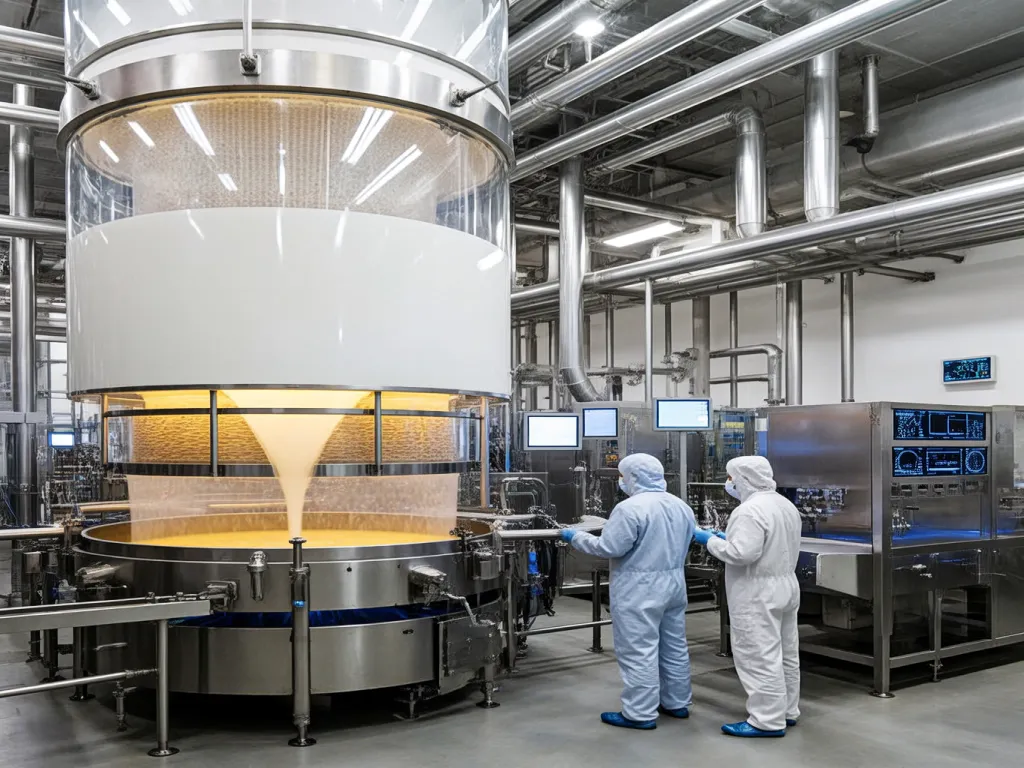
Food Processing Industry: Deciphering Filtration Standards and Efficiency Importance
In the bustling world of food processing, every step counts when it comes to ensuring the safety and quality of the products we consume. Among these critical steps, filtration stands as a silent guardian, protecting consumers from harmful contaminants and ensuring production lines run smoothly. But how do you determine the right filtration efficiency for your food processing needs? Let’s dive into the standards and see why filtration efficiency is not just a technical detail but a cornerstone of food safety and production efficiency.
First off, the food processing industry operates under stringent regulations set by global and local health authorities. These regulations, such as the FDA’s Food Safety Modernization Act (FSMA) in the United States, emphasize the prevention of foodborne illnesses by controlling hazards at every stage of production. Filtration plays a pivotal role here, as it directly impacts the removal of physical, chemical, and biological contaminants from food products and processing fluids.
Imagine a dairy processing plant where milk needs to be filtered to remove impurities like dirt, bacteria, and even residual antibiotics. The filtration efficiency required here is high, as any lapse could lead to contaminated milk reaching consumers, posing serious health risks. But what does ‘high filtration efficiency’ mean in practical terms? It refers to the ability of a filter to capture and retain particles of a specific size range, often measured in microns. For dairy applications, filters with a high efficiency rating, capable of trapping particles as small as 0.5 microns, are commonly used to ensure the purity of the final product. For specialized filtration solutions in such demanding environments, consider exploring options like the HEPA Filter Rotary Vacuum Drum Filter, which offers high-efficiency air filtration.
Now, you might be thinking, ‘Isn’t higher efficiency always better?’ Not necessarily. While high-efficiency filters excel at removing contaminants, they can also restrict flow rates, leading to increased pressure drops and potentially higher energy consumption. This is where understanding your specific processing needs becomes crucial. For instance, in fruit juice production, where the goal is to preserve the natural flavor and nutrients while removing pulp and seeds, a balance between filtration efficiency and flow rate is essential. Using a filter with moderate efficiency that allows for adequate flow without compromising on contaminant removal can be the sweet spot.
Moreover, the choice of filtration efficiency also affects production efficiency. Clogged filters due to inadequate efficiency ratings can lead to frequent downtime for cleaning or replacement, disrupting the production flow and increasing operational costs. On the other hand, overly efficient filters might require more frequent maintenance due to their finer pore sizes, which can trap even beneficial components of the food, affecting the product’s quality and yield. To address diverse needs in commercial spaces, solutions like the Activated Carbon Air Panel Filter can be a valuable addition, ensuring high-efficiency air purification.
So, how do you strike the right balance? It starts with a thorough assessment of your processing environment, including the type of food being processed, the nature and size of potential contaminants, and the desired quality of the final product. Consulting with filtration experts who understand the nuances of the food processing industry can provide invaluable insights. They can recommend filters tailored to your specific needs, ensuring optimal filtration efficiency without compromising on production efficiency or food safety. For customized solutions, the Customized Activated Carbon Panel Air Filter offers a tailored approach to high-efficiency air purification for HVAC systems.
In essence, filtration efficiency in the food processing industry is not a one-size-fits-all proposition. It requires a nuanced understanding of the processing environment, regulatory requirements, and the delicate balance between contaminant removal and production efficiency. By choosing the right filtration efficiency, you’re not just complying with regulations; you’re safeguarding consumer health, enhancing product quality, and optimizing your production processes.
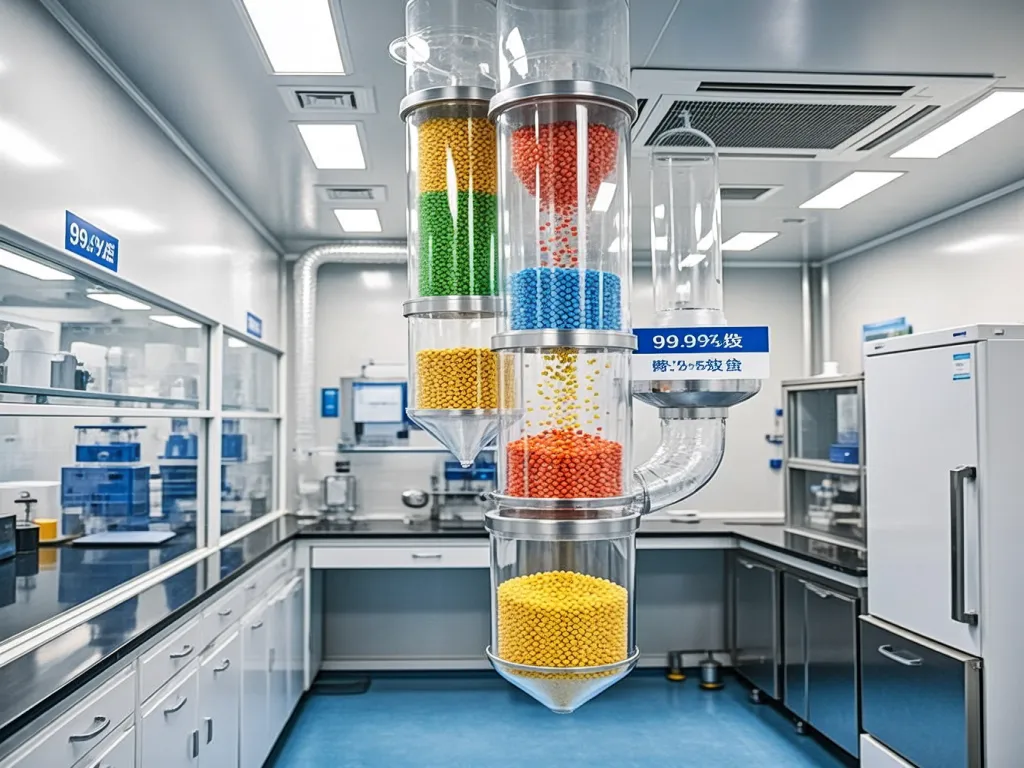
Pharmaceutical Industry: Stringent Filtration Efficiency Requirements & GMP-Compliant Equipment Selection
When it comes to the pharmaceutical industry, filtration efficiency isn’t just a number—it’s a critical factor that can make or break product quality, safety, and regulatory compliance. You might be asking yourself, ‘What filtration efficiency do I need for my pharmaceutical processes?’ Well, let’s dive deep into why this matters so much and how to pick the right gear that meets Good Manufacturing Practice (GMP) standards.
First off, the pharmaceutical sector operates under some of the strictest quality control measures out there. Why? Because we’re dealing with medications that directly impact human health. Any contamination, even microscopic, can lead to severe consequences—ranging from ineffective treatments to life-threatening situations. That’s why high filtration efficiency is non-negotiable. It ensures that airborne particles, microorganisms, and even vapors are kept at bay during manufacturing.
But how high is ‘high enough’? Typically, pharmaceutical processes demand filtration efficiencies of 99.97% or better for particles as small as 0.3 microns. This level of filtration is often referred to as HEPA (High-Efficiency Particulate Air) standard. However, depending on the specific application—like sterile drug production or cleanroom environments—you might need even higher standards, such as ULPA (Ultra-Low Penetration Air) filters, which can capture 99.9995% of particles at 0.12 microns. For cleanroom environments requiring ultra-high efficiency, consider exploring our ULPA H13 Absolute HEPA Filters designed specifically for cleanroom air purification.
Now, selecting the right filtration equipment isn’t just about hitting a certain efficiency percentage. It’s about ensuring the entire system complies with GMP regulations. GMP sets the bar for how pharmaceutical products should be manufactured, processed, packed, and stored to guarantee their quality. So, your filtration system must be designed, installed, and maintained in a way that prevents contamination, cross-contamination, and mix-ups.
What does this mean in practice? For starters, look for filters made from materials that won’t shed fibers or release harmful substances. Stainless steel or food-grade plastics are common choices. The design should facilitate easy cleaning and sterilization—think about removable filter elements or self-cleaning mechanisms. And don’t forget about validation! Your filtration system should come with documentation proving its performance under real-world conditions, often through third-party testing.
You might also wonder about the cost implications. Yes, high-efficiency filters and GMP-compliant systems can be pricier upfront. But consider this: the cost of a product recall due to contamination, or worse, harm to patients, far outweighs the initial investment. Plus, modern filtration technologies offer longer lifespans and lower operational costs over time, making them a smart long-term choice.
So, how do you navigate this complex landscape? Start by understanding your specific process requirements. Are you dealing with sterile products? Non-sterile but still sensitive to particulates? Each scenario demands a tailored approach. Then, consult with experts who specialize in pharmaceutical filtration. They can help you assess your needs, recommend suitable equipment, and even assist with the validation process.
Remember, choosing the right filtration efficiency and GMP-compliant equipment isn’t just about meeting regulations—it’s about safeguarding public health and ensuring your products’ efficacy. By investing in the right technology, you’re not only protecting your brand but also contributing to the overall safety and reliability of the pharmaceutical industry.
The Role of Filtration in Sterile Drug Production
Sterile drug production is where filtration truly shines. Here, the goal is to eliminate all viable microorganisms from the final product. This requires a multi-stage filtration process, starting with coarse filters to remove large particles, followed by finer filters to trap smaller contaminants, and finally, HEPA or ULPA filters for the ultimate purification. For laminar air flow hoods in sterile production, our Wholesale HEPA Filters provide a high-efficiency air purification solution. The stakes are high, and any lapse in filtration efficiency can lead to catastrophic outcomes. That’s why sterile drug manufacturers invest heavily in state-of-the-art filtration systems that are validated for sterility assurance.
Cleanroom Environments & Filtration Needs
Cleanrooms are controlled environments where the concentration of airborne particles is regulated to specified limits. In pharmaceutical cleanrooms, filtration plays a dual role: maintaining air quality inside the room and preventing contaminants from entering. This means not just high-efficiency filters but also proper airflow patterns, pressure differentials, and regular monitoring. Selecting filtration equipment for cleanrooms involves considering factors like filter replacement frequency, airflow resistance, and compatibility with cleanroom protocols. For critical environments requiring FFU filter systems, our Cleanroom HVAC System FFU Filters offer a high-efficiency solution.
Validation & Documentation: Proving Your Filtration System’s Worth
Validation is the process of demonstrating that a filtration system consistently performs as intended. For pharmaceutical applications, this means proving that the system can remove or inactivate contaminants to the required level. Validation typically involves challenge testing, where known quantities of contaminants are introduced, and the system’s ability to filter them out is measured. Documentation is equally crucial, providing evidence of the system’s performance over time. This includes filter change logs, maintenance records, and any deviations or corrective actions taken.
To wrap up, pinpointing What filtration efficiency do I need? is pivotal in ensuring top-notch product quality and operational efficiency. From chemicals to food and pharma, each industry has its unique demands. By understanding these nuances, you can make an informed choice that propels your production forward. Don’t let uncertainty hold you back. Dive deeper into our resources, share this guide with your peers, and reach out for personalized advice. The path to optimal filtration efficiency starts here—what will your next move be?