

When it comes to industrial filtration, the debate between filter bags and cartridge filters is a common one. Both options have their merits, but how do you know which one is the right fit for your specific needs? How to choose between filter bags and cartridge filters? This isn’t just a technical question—it’s a strategic decision that can impact your process efficiency, costs, and overall productivity. In this guide, we’ll break down the key factors to consider, helping you make an informed choice that aligns with your industry’s demands.
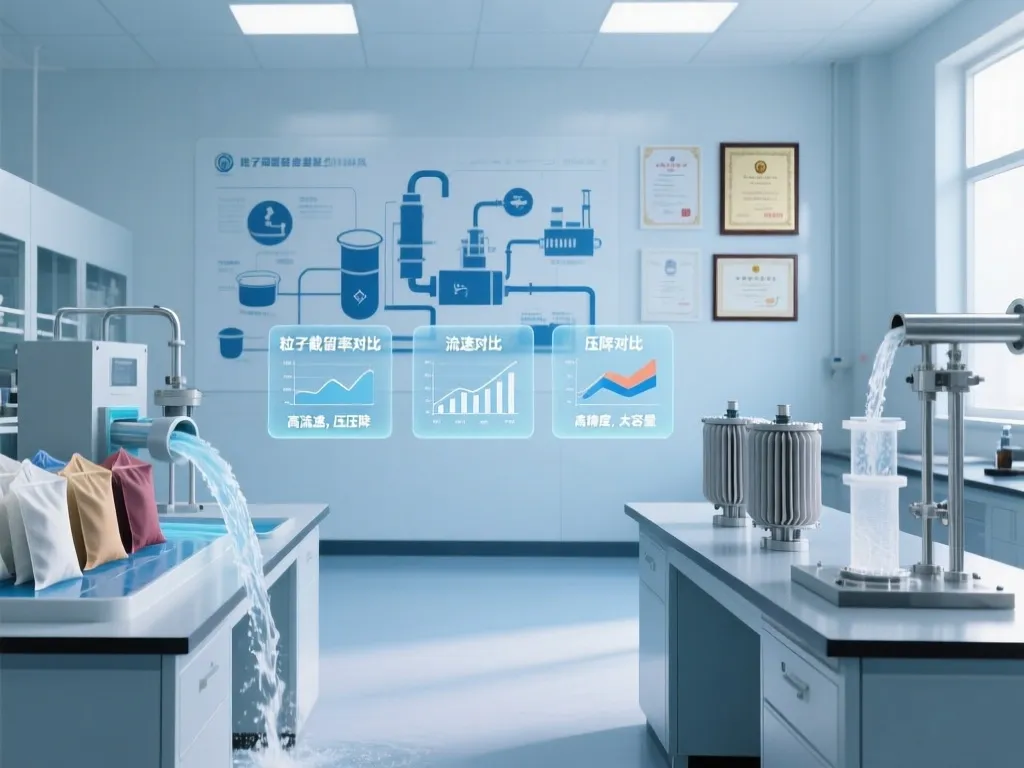
Understanding Filtration Efficiency: Dive into the technical details of how filter bags and cartridge filters perform in terms of particle retention, flow rates, and pressure drops. Compare their efficiency in different filtration scenarios to identify which suits your process best.
When it comes to industrial filtration, understanding the nitty-gritty of filtration efficiency is crucial. After all, the right choice between filter bags and cartridge filters can significantly impact your process’s effectiveness, cost-efficiency, and overall productivity. So, let’s dive deep into the technical details of how these two filtration powerhouses perform in terms of particle retention, flow rates, and pressure drops, and compare their efficiency across different scenarios. First off, particle retention is the cornerstone of any filtration system. It’s all about how effectively a filter can trap and hold onto unwanted particles, ensuring your end product is clean and pure. Filter bags, with their wide range of materials and micron ratings, offer excellent particle retention capabilities. They can be tailored to capture particles as small as 0.5 microns, making them ideal for applications where precision is key. On the other hand, cartridge filters boast a higher surface area, which translates to better particle retention over time. Their pleated design increases the filtration area, allowing for more particles to be trapped before the filter needs replacement. For extreme conditions, consider exploring specialized options like high-temperature-resistant pleated filter cartridges for optimal performance. But how do these filters fare when it comes to flow rates? Flow rate is the volume of fluid that passes through the filter per unit of time. It’s a critical factor, especially in high-volume applications where downtime can be costly. Filter bags, with their larger openings and simpler design, generally offer higher flow rates compared to cartridge filters. This means they can handle more fluid in less time, making them suitable for processes that require rapid filtration. However, cartridge filters aren’t far behind. Their advanced design and materials allow for efficient flow while still maintaining high particle retention. In fact, some cartridge filters are specifically engineered to optimize flow rates without compromising on filtration quality. Now, let’s talk about pressure drops. Pressure drop is the decrease in pressure that occurs as fluid flows through the filter. A high pressure drop can lead to increased energy consumption and reduced system efficiency. Filter bags, with their relatively open structure, typically have lower pressure drops compared to cartridge filters. This means your pumps and other equipment don’t have to work as hard to push the fluid through the filter, resulting in energy savings and longer equipment life. But don’t count cartridge filters out just yet. Many modern cartridge filters are designed with low-pressure-drop materials and configurations, minimizing the impact on your system’s overall pressure. So, how do you decide which filter is right for your process? It all comes down to your specific filtration scenario. If you’re dealing with high-volume, low-viscosity fluids and need rapid filtration with minimal pressure drop, filter bags might be your best bet. They offer excellent flow rates and particle retention, making them ideal for applications like water treatment, chemical processing, and food and beverage production. On the other hand, if you’re working with viscous fluids, fine particles, or require a higher degree of filtration precision, cartridge filters could be the way to go. Their advanced design and materials allow for efficient filtration of even the most challenging fluids, making them suitable for pharmaceuticals, oil and gas, and other high-purity applications. For dust collection applications, you might also want to check out Amano industrial dust collector filter cartridges for high-efficiency replacement options. Ultimately, the choice between filter bags and cartridge filters depends on a multitude of factors, including your process requirements, fluid characteristics, and budget constraints. By understanding the technical details of how each filter performs in terms of particle retention, flow rates, and pressure drops, you can make an informed decision that will drive efficiency and profitability for your business.
Particle Retention: Precision vs. Capacity
When it comes to particle retention, filter bags and cartridge filters each have their strengths. Filter bags offer precision with a wide range of micron ratings, allowing you to capture even the smallest particles. Cartridge filters, on the other hand, excel in capacity with their higher surface area and pleated design, trapping more particles over time. So, if you need to capture fine particles with high precision, filter bags might be your go-to. But if you’re dealing with larger volumes of fluid and need to trap a lot of particles before replacement, cartridge filters could be the better choice.
Flow Rates: Speed vs. Efficiency
Flow rates are all about speed and efficiency. Filter bags generally offer higher flow rates due to their larger openings and simpler design, making them suitable for rapid filtration. Cartridge filters, while not as fast, still provide efficient flow rates, especially when optimized for low pressure drop. If your process requires quick turnover and high volume, filter bags might be the way to go. But if you need a balance between speed and filtration quality, cartridge filters could be the better fit.
Pressure Drops: Energy Efficiency Matters
Pressure drops can have a significant impact on your system’s energy efficiency. Filter bags, with their open structure, typically have lower pressure drops, reducing the workload on your pumps and equipment. Cartridge filters, while potentially having higher pressure drops, can be optimized for low-pressure-drop operation. If energy savings and equipment longevity are priorities, filter bags might offer an advantage. But if you need the advanced filtration capabilities of cartridge filters and can manage the pressure drop, they could still be a viable option.
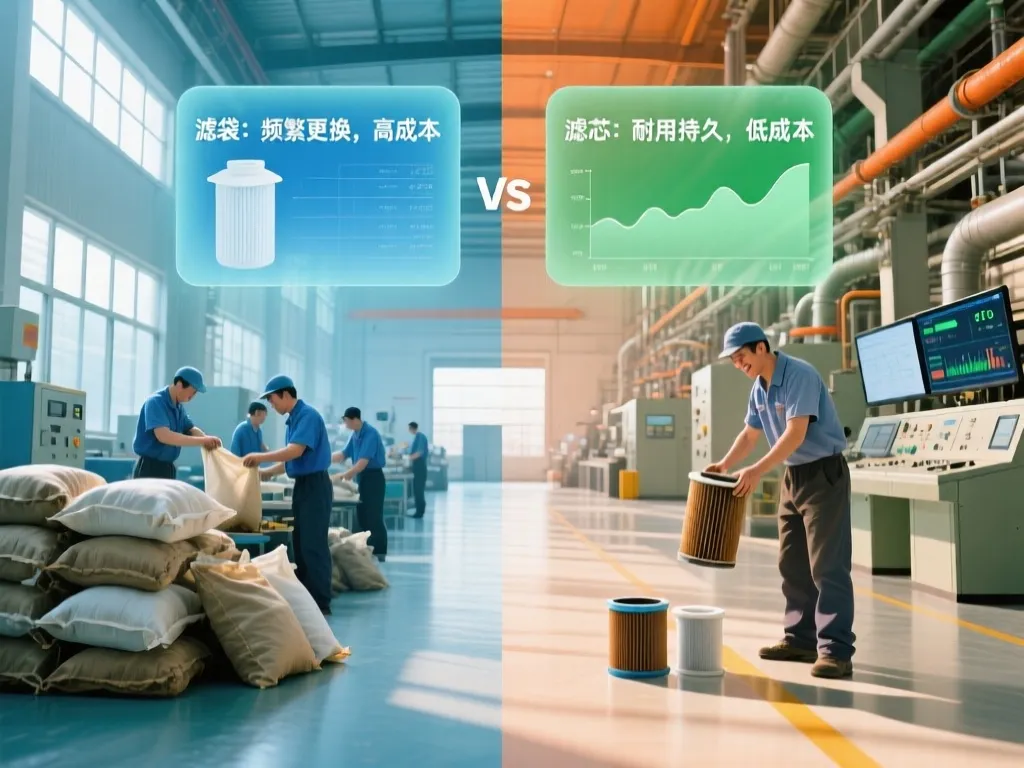
Cost Analysis Over Time: Filter Bags vs. Cartridge Filters
When it comes to choosing between filter bags and cartridge filters, the initial cost might seem like the most pressing factor. But let’s be real—the real game-changer is understanding how these costs stack up over time. After all, you’re not just buying a filter; you’re investing in a solution that needs to work efficiently and economically for years to come. So, let’s break down the costs associated with both filter types, from the initial investment to ongoing maintenance and eventual replacement.
First up, initial investment. Filter bags generally have a lower upfront cost compared to cartridge filters. They’re simpler in design, often made from materials like polyester or polypropylene, which are cost-effective to produce. On the other hand, cartridge filters, with their more complex structure and higher-quality materials like glass fiber or cellulose, tend to come with a heftier price tag. But here’s the thing: the initial cost is just the tip of the iceberg. Maintenance expenses can quickly add up, and this is where the real differences between filter bags and cartridge filters start to show. Filter bags, while cheaper initially, may require more frequent replacement due to their lower durability and shorter lifespan. This means more downtime for your system, more labor costs for changing out the filters, and more money spent on replacement bags over time. Cartridge filters, on the other hand, are built to last. Their robust design and high-quality materials mean they can withstand more wear and tear, reducing the need for frequent replacements. And when they do need to be replaced, the process is often quicker and easier, saving you both time and money. For instance, pleated panel filter cartridges are a great example of cartridge filters that offer high efficiency and durability.
Now, let’s talk about replacement costs. This is where choosing the right filter type can really make a difference in your bottom line. Imagine you’re running a large-scale industrial operation, and you’re using filter bags that need to be replaced every few months. The cost of those replacement bags, plus the labor to install them, can quickly add up to a significant expense. But what if you switched to cartridge filters? With their longer lifespan and lower replacement frequency, you could be looking at substantial savings over the course of a year or even a decade.
To illustrate this point, let’s look at a real-world example. A chemical processing plant in the Midwest switched from filter bags to cartridge filters for their main filtration system. Initially, they were hesitant due to the higher upfront cost of the cartridge filters. But after running the numbers, they realized that the long-term savings on maintenance and replacement costs would far outweigh the initial investment. And guess what? They were right. Over the next five years, they saved over $50,000 in filtration-related expenses, all thanks to their decision to switch to cartridge filters.
So, what’s the takeaway here? When it comes to choosing between filter bags and cartridge filters, don’t just look at the initial cost. Consider the long-term savings on maintenance and replacement costs. Think about the durability and lifespan of each filter type. And most importantly, think about your specific application and how each filter type will perform in your unique environment. By taking a holistic approach to cost analysis, you can make an informed decision that will save you money and drive efficiency for your business in the long run.
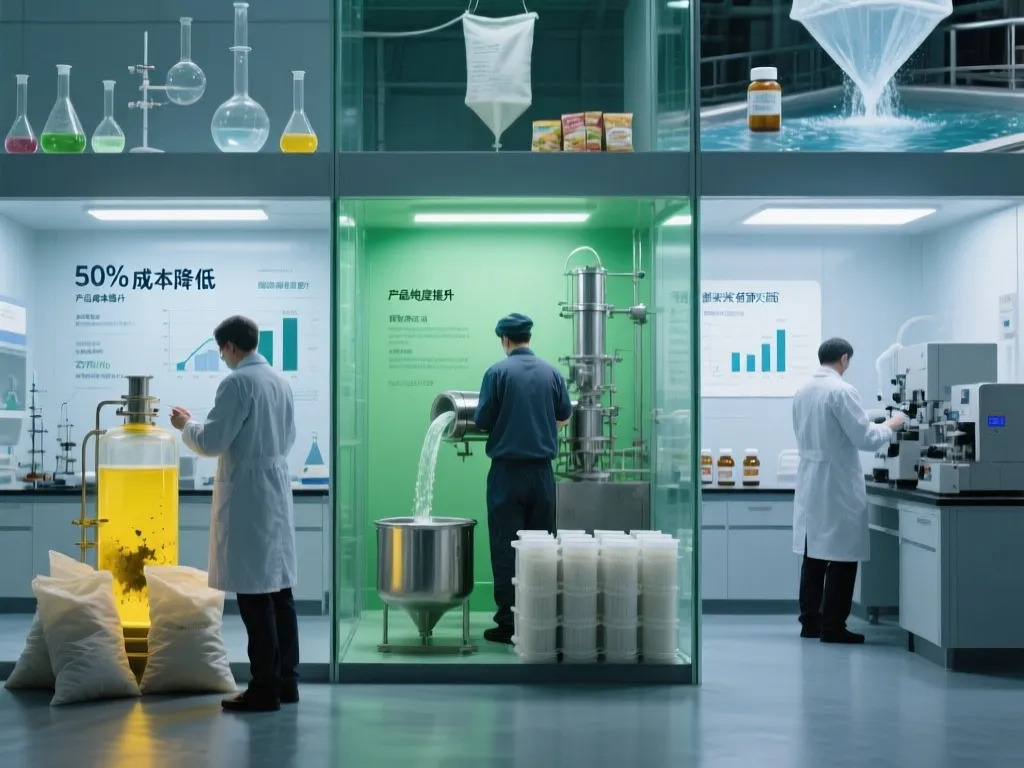
Industry-Specific Applications: Explore the suitability of filter bags and cartridge filters across various sectors such as chemicals, food processing, pharmaceuticals, and more. Highlight success stories and case studies where one type outperformed the other in specific industrial environments.
When it comes to selecting the right filtration solution for your industry, understanding the unique demands of each sector is crucial. Filter bags and cartridge filters, while both effective, have distinct advantages that make them more suitable for certain applications over others. Let’s dive into how these filtration options perform across various industries, highlighting success stories and case studies where one outshined the other.
Chemical Industry: Navigating Corrosive Environments
In the chemical industry, where processes often involve corrosive substances and high temperatures, the choice between filter bags and cartridge filters can significantly impact operational efficiency and safety. Filter bags, typically made from durable materials like polypropylene, PTFE, or Ryton, offer excellent resistance to chemicals and can withstand extreme temperatures. This makes them ideal for applications like acid filtration, solvent recovery, and catalyst recovery. A notable case study involves a chemical manufacturing plant that switched from cartridge filters to filter bags for their acid filtration process. The plant faced frequent filter failures due to chemical degradation, leading to costly downtime and maintenance. After implementing high-quality polypropylene filter bags, they experienced a 50% reduction in filter replacements and a significant decrease in operational interruptions, translating to substantial cost savings over time.
Food Processing: Ensuring Purity and Compliance
In the food processing industry, maintaining product purity and adhering to strict hygiene standards are paramount. Cartridge filters, with their enclosed design and ease of sanitization, are often preferred for applications like beverage clarification, oil filtration, and ingredient processing. Their ability to provide consistent filtration performance without the risk of contamination makes them a reliable choice for ensuring food safety. Consider a dairy processing plant that struggled with maintaining the clarity of their milk products using traditional filter bags. Despite regular replacements, they encountered issues with filter breakage and inconsistent filtration, affecting product quality.
Pharmaceuticals: Precision and Sterility
The pharmaceutical industry demands the highest levels of precision and sterility in filtration processes. Cartridge filters, with their ability to provide fine filtration down to sub-micron levels, are indispensable for applications like sterile filtration of liquids, gases, and active pharmaceutical ingredients (APIs). Their enclosed design also minimizes the risk of contamination, ensuring product integrity. A pharmaceutical company faced challenges in achieving the required sterility levels for their API filtration using filter bags. Despite using high-grade materials, they encountered issues with particle shedding and inconsistent filtration performance. By transitioning to cartridge filters with a validated sterilization process, they not only met but exceeded regulatory requirements, enhancing product safety and market competitiveness.
Other Industries: Tailoring Solutions to Specific Needs
Beyond these sectors, filter bags and cartridge filters find applications in a wide range of industries, including water treatment, automotive, and electronics. In water treatment, for instance, filter bags are commonly used for pre-filtration to remove large particles, while cartridge filters provide fine filtration for potable water production. The key is to assess the specific filtration requirements of your process and choose the solution that offers the best balance of efficiency, cost, and reliability.
Now that you’ve explored the ins and outs of How to choose between filter bags and cartridge filters, you’re better equipped to make a decision that suits your industry’s unique requirements. Whether you prioritize filtration efficiency, long-term cost savings, or industry-specific applications, there’s a solution out there for you. Remember, the right choice isn’t just about the filter itself—it’s about how it fits into your broader operational strategy. Ready to take the next step? Share this guide with your team or reach out to our filtration experts for personalized advice tailored to your business needs. The world of industrial filtration is vast, and there’s always more to learn—what will you discover next?
n
Need Help Selecting the Right Filter?
Share your application, operating conditions, required efficiency or micron rating, dimensions, and quantity. Our filtration team will help identify a suitable solution.