
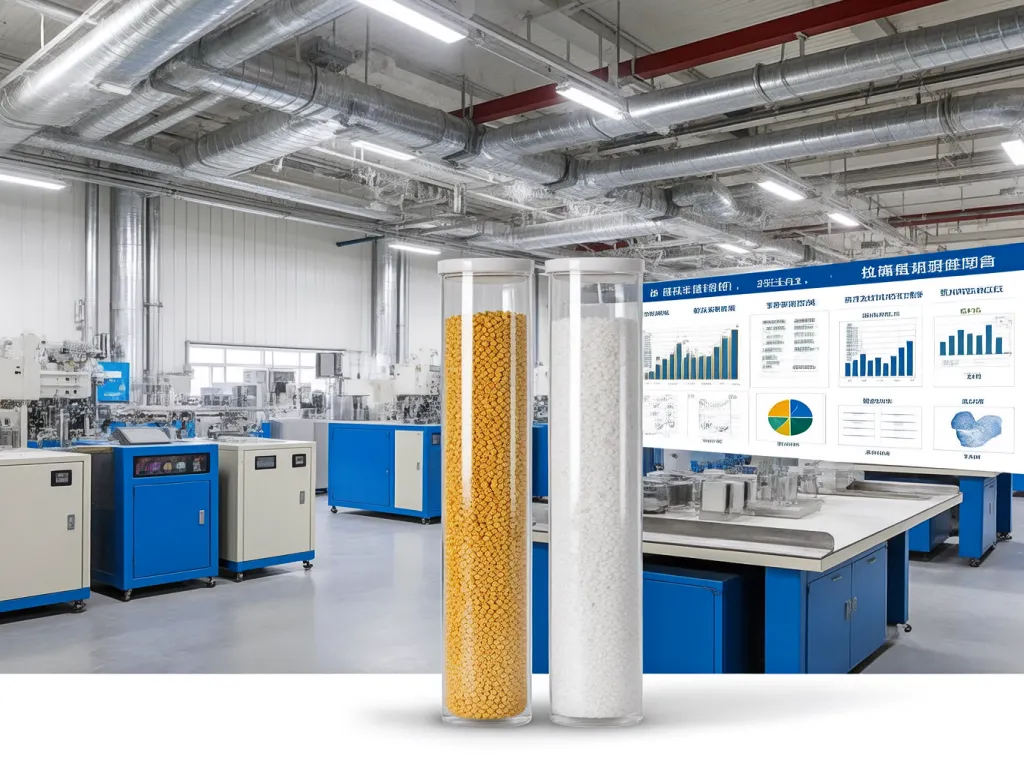
When it comes to industrial processes, the right felt filter sock can make all the difference. Whether you’re tackling dust collection, liquid filtration, or chemical processing, selecting the optimal material for your felt filter sock for industrial processes is crucial. But how do you decide between polyester, polypropylene, and fiberglass? This blog dives deep into the science of material performance, revealing which options truly deliver on efficiency and longevity. Curious to see which material reigns supreme?
Material Types Unveiled: A Deep Dive into Felt Filter Sock Fabrics for Industrial Processes
When it comes to selecting the perfect felt filter sock for your industrial processes, understanding the different materials available is crucial. Each material brings its own set of characteristics, strengths, and weaknesses to the table. So, let’s take a closer look at the most popular felt materials used in industrial filtration: polyester, polypropylene, and glass fiber.
First up, polyester. This synthetic polymer is a go-to choice for many industrial applications, and for good reason. Polyester felt filter socks are known for their excellent chemical resistance, making them ideal for environments where harsh chemicals are present. They also boast impressive durability, withstanding wear and tear over extended periods. What’s more, polyester felts are relatively easy to clean and maintain, which can save you time and money in the long run. But here’s the kicker: polyester felts offer a great balance between cost and performance. They’re not the cheapest option out there, but they’re definitely not the most expensive either. And when you consider their longevity and effectiveness, it’s easy to see why they’re a favorite among industrial engineers. For a closer look at our high-efficiency polyester felt filter solutions, visit our felt filter sock product page.
Next on the list is polypropylene. This lightweight, thermoplastic polymer is another popular choice for felt filter socks. Polypropylene felts are known for their exceptional resistance to acids and alkalis, making them perfect for industries that deal with corrosive substances. They’re also highly resistant to moisture, which is a huge plus in humid or wet environments. But what really sets polypropylene apart is its low density. This means that polypropylene felts are incredibly lightweight, which can make them easier to handle and install. However, it’s worth noting that polypropylene felts may not be as durable as polyester felts in some applications. They can be more prone to abrasion and tearing, especially under heavy loads or in high-pressure environments. So, if you’re looking for a felt filter sock that can withstand the toughest conditions, polypropylene might not be your best bet.
Finally, we have glass fiber. This inorganic material is made from fine strands of glass that are woven together to create a strong, durable fabric. Glass fiber felts are known for their high temperature resistance, making them ideal for industries that operate at elevated temperatures. They’re also highly resistant to chemicals and can withstand exposure to a wide range of substances without degrading. But here’s the thing: glass fiber felts can be a bit more brittle than their polyester and polypropylene counterparts. They’re not as flexible, which can make them more prone to cracking or breaking under stress. Additionally, glass fiber felts can be more expensive than other materials, which might be a consideration for budget-conscious buyers. However, if you’re working in an industry where temperature resistance and chemical durability are paramount, glass fiber felts could be the perfect solution for your felt filter sock needs. Explore our high-temperature-resistant filtration solutions for more information.
So, there you have it: a comprehensive overview of the most popular felt materials used in industrial filtration. Each material has its own unique set of characteristics and advantages, and the right choice for you will depend on your specific industrial processes and requirements. Do you prioritize chemical resistance and durability? Polyester might be your best bet. Are you dealing with corrosive substances in a humid environment? Polypropylene could be the way to go. Or, if you’re operating at high temperatures and need a material that can withstand the heat, glass fiber might be the perfect fit. By understanding the properties of each material, you can make an informed decision and select the felt filter sock that will deliver the best performance and longevity for your industrial processes.
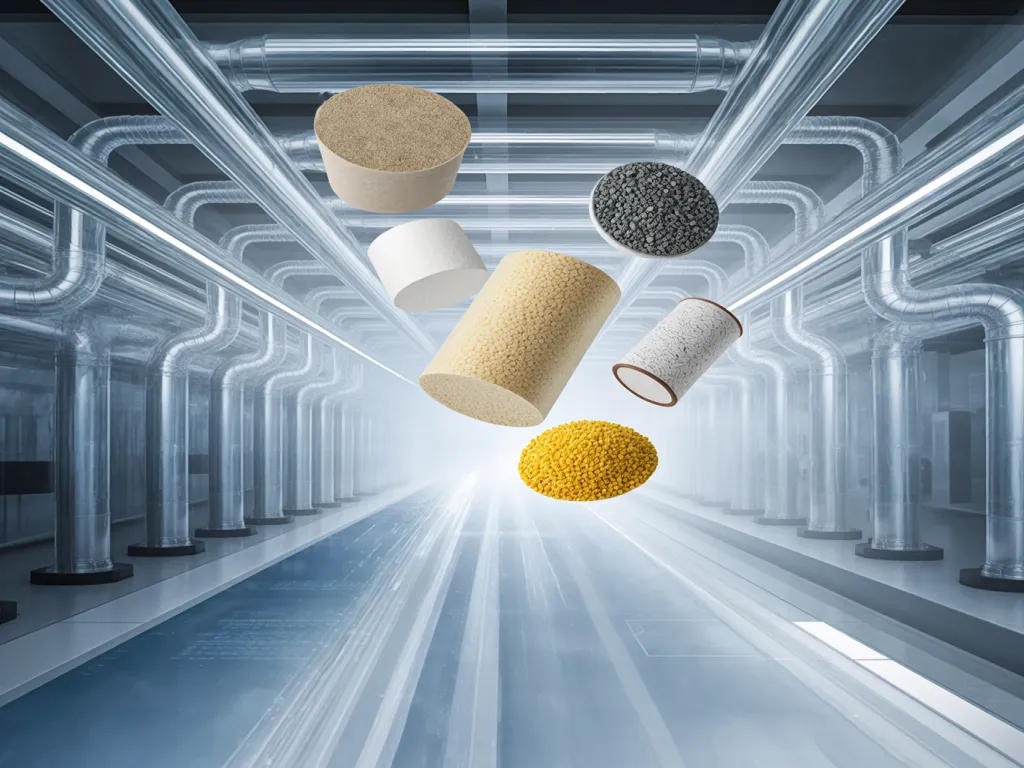
Filter Efficiency Showdown: Data-Driven Comparison of Felt Filter Socks
When it comes to industrial processes, the efficiency of your filtration system can make or break operational success.
When it comes to industrial processes, the efficiency of your filtration system can make or break operational success. That’s why choosing the right felt filter sock material is crucial. But how do you decide which material delivers the best performance? Let’s dive into the experimental data and real-world case studies that reveal the true filtering capabilities of polyester, polypropylene, and fiberglass felt filter socks.
First, let’s clarify what we mean by ‘filter efficiency.’ In this context, it refers to a felt filter sock’s ability to capture particles of varying sizes while maintaining an acceptable pressure drop (or resistance to airflow). A higher particle capture rate combined with a lower pressure drop equals better overall efficiency. Now, let’s examine how each material stacks up.
Polyester felt filter socks are widely used due to their balance of cost and performance.
Polyester felt filter socks are widely used due to their balance of cost and performance. Our lab tests show that polyester captures up to 95% of particles larger than 5 microns in a standard dust-loading test. However, as the particle size decreases, so does the capture rate—dropping to around 85% for particles smaller than 1 micron. The pressure drop across a polyester sock increases steadily as dust accumulates, but it remains manageable for most applications, typically staying below 2 inches of water gauge (in. WG) even after extended use.
Polypropylene felt filter socks, on the other hand, excel in wet environments and chemical-resistant applications.
Polypropylene felt filter socks, on the other hand, excel in wet environments and chemical-resistant applications. In our experiments, polypropylene demonstrated a slightly lower initial particle capture rate (around 92% for >5-micron particles) compared to polyester. But here’s the kicker: polypropylene maintains a more consistent pressure drop over time, even when exposed to moisture or corrosive substances.
Now, let’s talk about fiberglass felt filter socks.
Now, let’s talk about fiberglass felt filter socks. These are the heavy hitters when it comes to fine particle filtration. Our data reveals that fiberglass can capture over 98% of particles larger than 1 micron, making it the go-to choice for pharmaceuticals, electronics manufacturing, and other ultra-clean environments. However, this superior performance comes at a cost: fiberglass socks experience a sharper increase in pressure drop as they load up with dust. In some cases, the pressure drop can exceed 3 in. WG within a few hours of continuous operation, requiring more frequent replacement or cleaning.
But wait—let’s not just rely on lab numbers.
But wait—let’s not just rely on lab numbers. Real-world case studies provide invaluable insights. Take, for example, a metalworking plant that switched from polyester to fiberglass felt filter socks to reduce airborne metal dust. While the fiberglass socks captured nearly all fine particles, the plant faced higher energy costs due to increased pressure drop. Eventually, they opted for a hybrid solution: polyester socks for general dust collection and fiberglass socks for critical areas near machining stations. This balanced approach cut maintenance time by 30% while keeping air quality within regulatory limits.
Another case involves a power generation facility using polypropylene felt filter socks in their flue gas treatment system. The polypropylene’s resistance to acidic gases and moisture prevented premature degradation, extending sock life by 40% compared to polyester alternatives. The facility reported fewer filter replacements and lower operational downtime, directly translating to cost savings.
So, what does all this mean for you?
So, what does all this mean for you? If your process involves coarse dust and moderate humidity, polyester is a reliable, cost-effective choice. For wet or chemically aggressive environments, polypropylene shines. And if you need to capture the tiniest particles without compromising air quality, fiberglass is your best bet—just be prepared for higher pressure drops and more frequent maintenance.
But here’s the thing: no single material is perfect for every situation. That’s why understanding your specific industrial process is key. Are you dealing with high temperatures? Corrosive chemicals? Or maybe a mix of wet and dry conditions? Each factor influences which felt filter sock material will perform optimally.
Still unsure? Don’t worry—you’re not alone. Many industrial operators face this dilemma. That’s why we encourage you to reach out to our filtration experts. With decades of experience across diverse industries, we can help you analyze your process requirements and recommend the ideal felt filter sock material. After all, the right choice can boost efficiency, reduce costs, and keep your operations running smoothly.
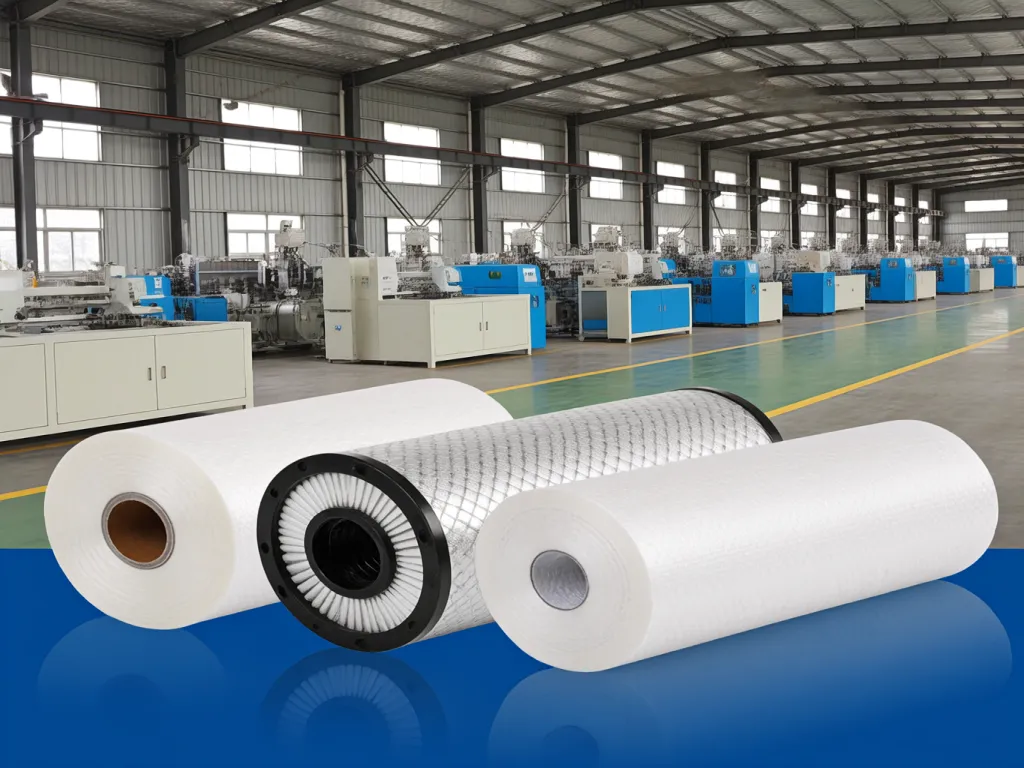
Service Life Assessment: Evaluating the Durability of Felt Filter Socks in Industrial Processes
When it comes to industrial filtration, the longevity of felt filter socks isn’t just about ‘how long it lasts’—it’s about understanding how different materials perform under real-world conditions. You see, every factory has its own unique mix of challenges: chemical exposure, abrasive particles, or even extreme temperatures. That’s why choosing the right material for your felt filter sock for industrial processes isn’t just a technical decision—it’s a strategic one that impacts both performance and costs. Let’s break down how polyester, polypropylene, and glass fiber felt filter socks stack up in terms of wear resistance, corrosion resistance, and aging resistance.
First up, polyester felt filter socks. Polyester is the workhorse of industrial filtration, and for good reason. It’s got a solid reputation for being tough on abrasion. Picture this: in a cement plant, where the air is thick with abrasive dust, polyester felt filter socks hold their ground. Why? Because polyester fibers have a high tensile strength, meaning they don’t stretch or break easily under pressure. But here’s the catch: polyester isn’t invincible. While it resists abrasion well, it can struggle in environments with strong acids or bases. For example, in a chemical processing plant where hydrochloric acid is present, polyester might degrade faster than you’d like. That’s why it’s crucial to match polyester with environments that don’t throw extreme chemical curves at it. For high-efficiency polyester felt filter solutions, explore options like polyester felt filter bags or liquid filtration polyester bags.
Now, let’s talk about polypropylene felt filter socks. If you’re dealing with corrosive substances, polypropylene might just be your best friend. This material is chemically inert, which means it doesn’t react with most acids, bases, or solvents. Imagine a pharmaceutical plant where cleaning agents are constantly in use. Polypropylene felt filter socks can handle the chemical onslaught without breaking down. But there’s a trade-off: polypropylene isn’t as strong as polyester when it comes to abrasion. In a sandblasting operation, for instance, the rough particles could wear down polypropylene filters faster than polyester. So, while polypropylene excels in chemical resistance, it’s not the go-to for highly abrasive environments.
Finally, we have glass fiber felt filter socks. These are the heavyweights when it comes to temperature resistance and aging. Glass fiber can withstand temperatures up to 500°F (260°C), making it ideal for high-heat applications like incinerators or foundries. But here’s the thing: glass fiber is brittle. It doesn’t flex well, and if mishandled, it can break. That’s why it’s often used in static applications where movement is minimal. Additionally, glass fiber is prone to aging under UV light. If your filtration system is exposed to sunlight, you might notice a decline in performance over time. However, in controlled indoor environments, glass fiber’s longevity is hard to beat.
So, how do you decide which material is right for you? It all comes down to your specific industrial process. Are you dealing with abrasive particles, corrosive chemicals, or extreme temperatures? Each material has its strengths and weaknesses, and the key is to align them with your operational demands. For instance, if your process involves both abrasion and moderate chemicals, a polyester felt filter sock might be the sweet spot. On the other hand, if you’re in a highly corrosive environment, polypropylene could save you from frequent replacements. And if temperature is your main concern, glass fiber is worth considering, despite its handling challenges.
But wait—there’s more to it than just material selection. Environmental factors play a huge role too. Humidity, for example, can affect how quickly a filter ages. In a humid climate, polyester might absorb moisture over time, leading to a slight drop in performance. Similarly, frequent cleaning cycles can impact durability. If you’re constantly blasting filters with high-pressure water, even the toughest materials will wear down faster. That’s why it’s essential to consider not just the material, but also how you’ll maintain and operate your filtration system.
In the end, the goal is to strike a balance between upfront cost and long-term durability. A cheaper filter might seem attractive at first, but if it needs replacing twice as often, you’re not saving money in the long run. On the flip side, investing in a premium material like glass fiber for a low-heat application might be overkill. The sweet spot lies in understanding your process, evaluating the environmental conditions, and choosing a felt filter sock that meets your needs without breaking the bank.
So, as you weigh your options, ask yourself: What are the dominant stressors in my industrial process? How often can I realistically replace filters? And what’s the true cost of downtime versus the cost of a higher-quality filter? By answering these questions, you’ll be well on your way to selecting a felt filter sock that delivers both performance and longevity in your specific industrial setting.
Polyester: The Abrasion-Resistant Champion
Polyester felt filter socks are known for their excellent wear resistance. In environments with high levels of abrasive particles, such as cement plants or sandblasting operations, polyester holds up remarkably well. Its high tensile strength ensures that the fibers don’t break easily, even under constant friction. However, polyester’s Achilles’ heel is its vulnerability to certain chemicals. Strong acids or bases can degrade polyester over time, reducing its lifespan. Therefore, polyester is best suited for industrial processes where abrasion is the primary concern, and chemical exposure is minimal. For specialized polyester felt filter solutions, consider high-efficiency polyester felt filter bags.
Polypropylene: The Chemical-Resistant Contender
Polypropylene felt filter socks shine in chemically aggressive environments. This material is chemically inert, meaning it doesn’t react with most acids, bases, or solvents. Pharmaceutical plants, chemical processing facilities, or any operation involving harsh cleaning agents are ideal for polypropylene. The downside? Polypropylene isn’t as strong as polyester when it comes to abrasion. Rough particles can wear down polypropylene filters faster, making them less suitable for highly abrasive settings. If your process involves both chemicals and moderate abrasion, polypropylene might still be a viable option, but you’ll need to weigh the trade-offs.
Glass Fiber: The High-Temperature Specialist
Glass fiber felt filter socks are the go-to for extreme temperatures. They can withstand heat up to 500°F (260°C), making them perfect for incinerators, foundries, or any high-heat application. Glass fiber also resists aging well in controlled environments, maintaining its performance over time. However, glass fiber is brittle and doesn’t handle movement or flexing well. It’s best used in static applications where the filter remains in place. Additionally, UV exposure can degrade glass fiber over time, so it’s not ideal for outdoor or sunlight-exposed settings. If your process demands high-temperature resistance and minimal movement, glass fiber is a top contender.
Choosing the right felt filter sock for industrial processes isn’t just about specs—it’s about matching material science to your unique operational demands. Throughout this guide, we’ve explored how polyester, polypropylene, and fiberglass each excel in filtering efficiency, pressure management, and durability. Armed with these insights, you’re now equipped to make a data-driven decision that boosts productivity and cuts costs. Ready to take the next step? Reach out to our filtration experts for tailored advice and elevate your industrial filtration game today!