
Ever wondered how to reduce particulate emissions in factories without breaking the bank or sacrificing efficiency? For factory managers, environmental engineers, and procurement leaders, balancing productivity with clean air standards isn’t just a regulatory headache—it’s a strategic priority. From dust-laden assembly lines to smoky industrial boilers, the particles your operations release impact air quality, worker health, and even your bottom line. But what if selecting the right industrial filter could slash emissions while saving costs? Let’s dive into the secrets of choosing filters tailored to your factory’s unique needs.
Understanding Factory Emission Characteristics: Analyzing Particulate Types, Emission Volumes, and Frequencies for Optimal Filter Selection
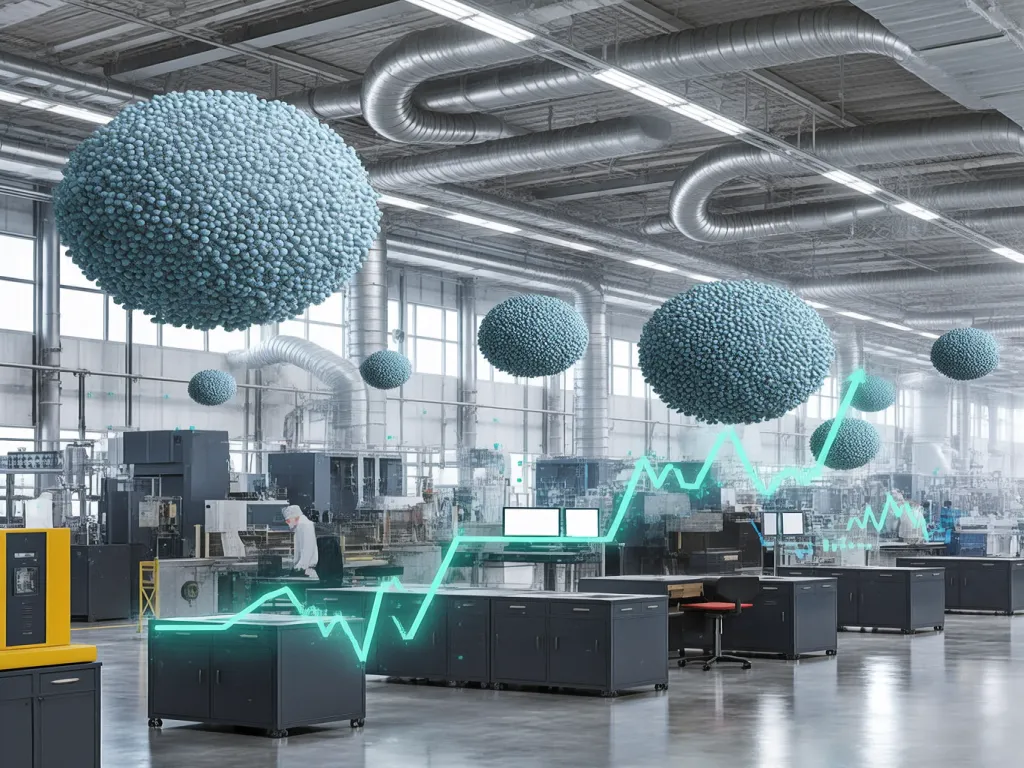
When it comes to reducing particulate emissions in factories, the first step is to gain a deep understanding of the emission characteristics specific to your industrial setting. You see, not all factories are created equal—each one has its own unique blend of particulate matter, emission volumes, and frequencies. By taking the time to analyze these factors, you’ll be well-equipped to choose the most effective industrial filtration equipment for your needs. Let’s start by examining the types of particulate matter commonly found in factories. Dust is perhaps the most ubiquitous, generated from processes like grinding, cutting, and handling of materials. It’s fine, often invisible to the naked eye, but can cause significant health issues and equipment wear over time. Then there’s smoke, which typically arises from combustion processes, such as in boilers or furnaces. Smoke particles are usually smaller and more harmful than dust, containing a mix of solid and liquid droplets that can be toxic. Now, how much of these particulates is your factory emitting? This is where emission volumes come into play. Some factories might produce a steady, low-level stream of particulates, while others could experience sporadic, high-volume emissions during peak production times. Understanding your factory’s emission volume is crucial because it directly impacts the capacity and efficiency requirements of your filtration system. If you underestimate, you’ll end up with a system that’s constantly overwhelmed, leading to poor air quality and frequent breakdowns. Overestimate, and you’re wasting money on unnecessary capacity. Frequency of emissions is another key consideration. Is your factory emitting particulates continuously, or are there specific times of day or week when emissions spike? For instance, a factory that operates 24/7 will have different filtration needs compared to one that only runs during business hours. Similarly, a factory with seasonal production peaks will require a filtration system that can handle varying loads throughout the year. By analyzing your factory’s emission frequency, you can select a filtration system that’s not only efficient but also adaptable to your production schedule. This ensures consistent air quality without the need for constant manual adjustments. But why does all this matter when it comes to choosing filtration equipment? Well, imagine trying to fit a square peg into a round hole—it just doesn’t work. The same goes for filtration systems. If you don’t understand your factory’s emission characteristics, you’re likely to end up with a system that’s either too weak or too powerful for your needs. This not only wastes money but also compromises your factory’s air quality and operational efficiency. So, how do you go about analyzing your factory’s emission characteristics? Start by conducting a thorough audit of your production processes. Identify all the sources of particulate emissions, from raw material handling to final product packaging. Then, measure the emission volumes and frequencies at each point. This might involve using specialized equipment like particulate counters or consulting with environmental engineers who can provide detailed analysis, such as those found in professional EPA emission guidelines. Once you have this data, you can begin to match it with the right filtration equipment. For example, if your factory primarily produces dust with low to moderate emission volumes and frequencies, a baghouse filter might be a good fit. On the other hand, if you’re dealing with high-volume, high-frequency smoke emissions, an electrostatic precipitator could be more effective. In the end, understanding your factory’s emission characteristics is about more than just compliance—it’s about optimizing your operations for efficiency, safety, and sustainability. By taking the time to analyze your particulate types, emission volumes, and frequencies, you’re laying the groundwork for a filtration system that not only meets regulatory standards but also enhances your factory’s overall performance. So, are you ready to take the first step towards cleaner, safer air in your factory? Let’s dive deeper into the world of industrial filtration and discover how the right equipment can make all the difference.
Types of Particulate Matter in Factories
As mentioned earlier, dust and smoke are two primary types of particulate matter found in factories. Dust, often referred to as particulate matter 10 (PM10) or even finer PM2.5, can originate from a variety of sources, including material handling, crushing, and grinding operations. These particles are so small that they can remain suspended in the air for long periods, posing health risks to workers and contributing to environmental pollution. Smoke, on the other hand, is a byproduct of incomplete combustion and contains a complex mixture of gases and fine particles. These particles can be even smaller than dust, often in the PM1.0 range, making them highly penetrative and potentially more harmful. Identifying the predominant types of particulate matter in your factory is essential for selecting the right filtration technology. For instance, if your factory primarily deals with coarse dust, a mechanical filter like a cyclone separator might suffice initially. However, for finer particles or a mix of dust and smoke, more advanced filtration methods, such as fabric filters or wet scrubbers, may be necessary.
Assessing Emission Volumes
Emission volumes can vary widely depending on the size of your factory, the type of processes involved, and the materials being processed. To accurately assess emission volumes, consider conducting regular emissions testing using portable particulate counters or by engaging professional environmental consulting services. These tests can provide you with detailed data on the concentration and mass flow rate of particulates being emitted. This information is invaluable when it comes to sizing your filtration system. A system that’s too small will be unable to handle peak emission loads, leading to breakthrough of particulates into the atmosphere. Conversely, an oversized system will consume more energy and resources than necessary, driving up operational costs. By understanding your factory’s average and peak emission volumes, you can select a filtration system that operates efficiently across all production scenarios.
Understanding Emission Frequencies
Emission frequencies are equally important in determining the right filtration solution. Some factories may experience continuous emissions, requiring a filtration system that can operate 24/7 without interruption. Others may have intermittent emissions, such as during batch processing or equipment start-up and shutdown. In such cases, a filtration system with variable speed drives or the ability to ramp up and down quickly can be beneficial. Additionally, consider seasonal variations in production. For example, a factory that produces more during certain times of the year will need a filtration system that can accommodate these fluctuations without compromising performance. By mapping out your factory’s emission frequencies over time, you can identify patterns and select a filtration system that aligns with your production schedule, ensuring optimal air quality at all times.
Filter Equipment Types Explained: Bag Filters, ESPs, Wet Scrubbers, and More
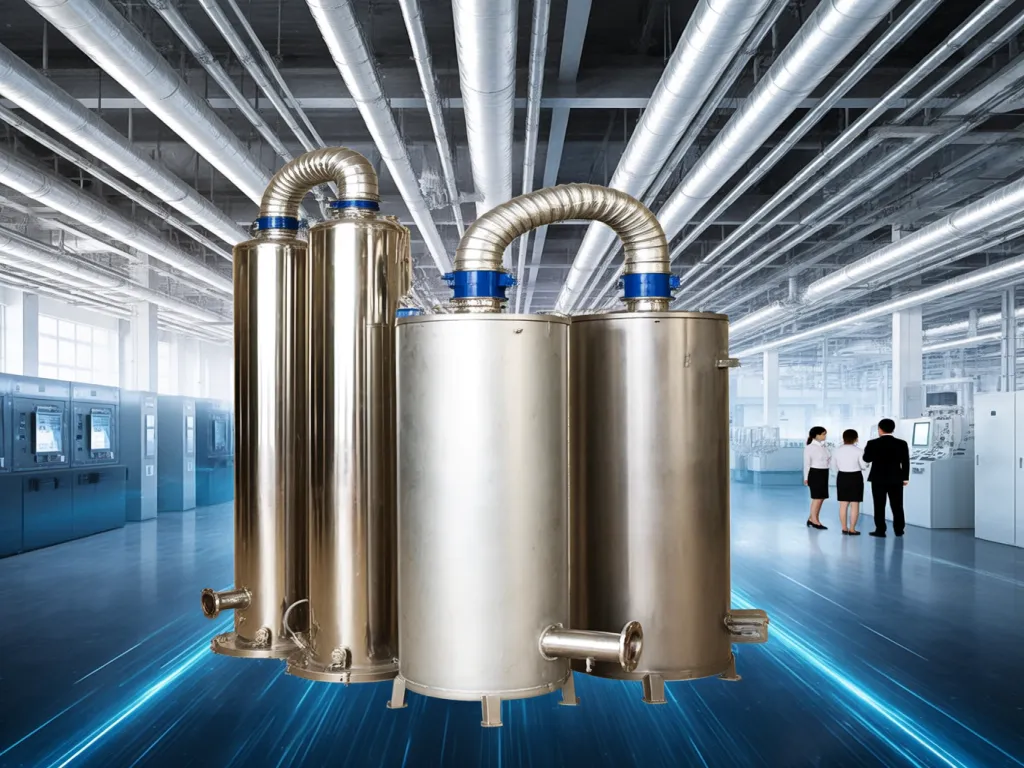
When it comes to reducing particulate emissions in factories, choosing the right industrial filter equipment is crucial. Each type of filter has its own unique working principle, advantages, and limitations. Let’s dive into the details of some common industrial filter equipment: bag filters, electrostatic precipitators (ESPs), and wet scrubbers. For applications demanding ultra-high filtration standards, selecting the right HEPA filter can significantly enhance air quality in industrial environments.
Bag Filters: How They Work, Pros, and Cons
Ever wondered how a bag filter actually works? It’s quite fascinating! Bag filters, also known as fabric filters, use a series of fabric bags to trap and remove particulate matter from industrial gas streams. As the dirty gas passes through the bags, the particles get stuck on the fabric surface, while the clean gas exits through the bag pores. Over time, the accumulated particles form a dust cake on the bags, which enhances the filtration efficiency. But here’s the catch – as the dust cake builds up, the pressure drop across the bags increases, requiring periodic cleaning. This is typically done by pulsing compressed air into the bags, causing them to shake and dislodge the dust. Now, let’s talk about the pros and cons of bag filters. On the plus side, bag filters offer high filtration efficiency, often exceeding 99% for particles larger than 1 micron. For facilities seeking optimal filtration performance, understanding MERV ratings for air filters can guide the selection of filters that match specific industrial needs. They’re also versatile, capable of handling a wide range of particulate sizes and concentrations. Plus, the collected dust can be easily disposed of or recycled. However, bag filters do have some drawbacks. They require regular maintenance, including bag replacement and cleaning, which can be time-consuming and costly. Also, the initial investment for a bag filter system can be relatively high, depending on the size and complexity of the setup. So, when are bag filters the best choice? They’re ideal for applications where high filtration efficiency is critical, such as in cement plants, steel mills, and power generation facilities. They’re also suitable for handling sticky or abrasive particles that might cause problems for other types of filters.
Electrostatic Precipitators (ESPs): Principles and Applications
Moving on to electrostatic precipitators (ESPs), these devices use electrical forces to remove particles from gas streams. In an ESP, the dirty gas passes through a series of electrically charged plates or wires. As the particles come into contact with these charged surfaces, they become electrically charged themselves and are then attracted to and collected on oppositely charged plates. Periodically, the collected dust is removed from the plates, typically by rapping or vibrating them. ESPs offer several advantages. They have a relatively low pressure drop, which means less energy is required to move the gas through the system. They’re also capable of handling large volumes of gas, making them suitable for high-capacity applications. Additionally, ESPs can operate at high temperatures, which is beneficial for certain industrial processes. However, ESPs aren’t without their challenges. Their filtration efficiency can be affected by factors like particle size, resistivity, and gas velocity. For instance, very fine particles or particles with high electrical resistivity can be difficult to capture effectively. Also, ESPs require careful design and operation to maintain optimal performance. Where do ESPs shine? They’re commonly used in power plants, cement kilns, and other industries where large volumes of gas need to be treated. They’re also a good choice when dealing with high-temperature gases or when energy efficiency is a top priority.
Wet Scrubbers: Benefits and Limitations
Finally, let’s explore wet scrubbers. These devices use a liquid (usually water) to capture and remove particles from gas streams. In a wet scrubber, the dirty gas is brought into contact with the liquid, either by spraying the liquid into the gas or by bubbling the gas through a pool of liquid. As the gas and liquid mix, the particles get trapped in the liquid droplets and are then removed along with the liquid. Wet scrubbers offer a few key benefits. They’re highly effective at removing both particles and gaseous pollutants, making them a versatile choice for many applications. For cleanroom environments requiring precise air purity control, ULPA air filters provide an additional layer of filtration beyond standard wet scrubbers. They can also handle high-temperature and corrosive gases, which might be problematic for other types of filters. Plus, the collected sludge can sometimes be treated and reused, reducing waste disposal costs. On the downside, wet scrubbers do have some limitations. They require a continuous supply of water, which can be a concern in water-scarce areas. The collected sludge needs to be properly treated and disposed of, which can add to the operational costs. Also, wet scrubbers can produce a visible plume of water vapor from the stack, which might raise environmental concerns. When should you consider a wet scrubber? They’re a great option for industries that generate both particulate and gaseous emissions, such as chemical plants, metal processing facilities, and waste incinerators. They’re also suitable for applications where water is readily available and where the ability to handle corrosive gases is important.

Selection Tips and Tricks: A Practical Guide to Buying Industrial Filtration Equipment
When it comes to selecting industrial filtration equipment to reduce particulate emissions in factories, several key factors must be considered. Let’s dive into the essentials—filtering efficiency, maintenance costs, operational stability, and compliance with environmental regulations—to help you make an informed decision. First up, filtering efficiency. This is the heart of any filtration system. You want a device that can capture as many particulates as possible. But how do you measure this? Look for equipment with a high dust collection efficiency rating, often expressed as a percentage. For instance, a baghouse filter with 99.9% efficiency means it can remove 99.9% of particulates from the airstream. However, don’t just take the manufacturer’s word for it. Ask for third-party test reports or case studies that demonstrate the equipment’s performance in real-world conditions. Next, maintenance costs. It’s easy to be dazzled by a low upfront price, but remember, the true cost of ownership includes ongoing maintenance. Some filters, like electrostatic precipitators, require frequent cleaning and part replacements, which can add up over time. On the other hand, baghouse filters with self-cleaning mechanisms may have higher initial costs but lower long-term maintenance expenses. Consider the total lifecycle cost, not just the purchase price. Operational stability is another critical factor. You need equipment that can run continuously without frequent breakdowns. Look for filters with robust construction, quality materials, and a proven track record in similar industrial environments. Ask the supplier about their average downtime rates and what kind of support they offer if things go wrong. After all, a minute of downtime can mean thousands in lost production. Finally, compliance with environmental regulations. This isn’t just about avoiding fines; it’s about being a responsible corporate citizen. Make sure the filtration equipment you choose meets or exceeds local, national, and international emissions standards. The regulations can vary widely, so it’s essential to stay updated. Consider working with a supplier who can provide compliance certificates and assist with regulatory filings. Now, you might be wondering, ‘How do I balance all these factors?’ It’s a bit like putting together a puzzle. Each piece—efficiency, cost, stability, compliance—fits together to form the complete picture of your ideal filtration solution. Start by identifying your most critical needs. Is it maximum efficiency to meet strict emissions targets? Or is it minimizing downtime to keep production lines running smoothly? Once you know your priorities, you can weigh the trade-offs between different equipment options. Remember, the cheapest option isn’t always the most cost-effective in the long run. And the most efficient filter might not be the best fit if it requires constant maintenance or doesn’t comply with regulations. Take the time to evaluate your options carefully, and don’t hesitate to ask for expert advice. By considering filtering efficiency, maintenance costs, operational stability, and compliance with environmental regulations, you can select industrial filtration equipment that not only reduces particulate emissions but also supports your factory’s overall productivity and sustainability goals.
Filtering Efficiency: The Core Metric
Filtering efficiency is the cornerstone of any industrial filtration system. It determines how effectively the equipment can remove particulates from the air. High-efficiency filters can capture smaller particles, ensuring cleaner emissions. When evaluating filtering efficiency, consider the size of the particulates you need to remove and the filter’s ability to handle different particle sizes. Some filters excel at capturing large particles but struggle with finer ones. Look for filters with a high dust collection efficiency rating and ask for evidence of their performance in similar industrial settings.
Maintenance Costs: The Hidden Expense
Maintenance costs can significantly impact the total cost of ownership of industrial filtration equipment. Frequent cleaning, part replacements, and downtime for repairs can add up over time. To minimize maintenance costs, choose equipment with durable components and self-cleaning mechanisms. Consider the availability and cost of replacement parts, as well as the supplier’s support and service offerings. A filter with lower initial costs but higher maintenance expenses might end up being more expensive in the long run.
Operational Stability: Keeping the Production Line Running
Operational stability is crucial for maintaining productivity in your factory. Filtration equipment that breaks down frequently can cause costly downtime and disrupt production schedules. Look for filters with robust construction and a proven track record of reliability in similar industrial environments. Ask the supplier about their average downtime rates and what kind of support they offer in case of equipment failure. A reliable filter can keep your production line running smoothly and minimize disruptions.
Compliance with Environmental Regulations: A Legal and Ethical Obligation
Compliance with environmental regulations is not just a legal requirement; it’s also an ethical obligation. Choosing filtration equipment that meets or exceeds emissions standards helps protect the environment and public health. Stay updated on local, national, and international regulations, as they can vary widely. Work with a supplier who can provide compliance certificates and assist with regulatory filings. For further guidance on compliance, you may refer to resources such as the EPA’s guidelines on industrial emissions. By ensuring compliance, you can avoid fines and demonstrate your commitment to sustainable practices.
Mastering how to reduce particulate emissions in factories hinges on selecting filters that match your operations’ emissions profile, compliance demands, and cost constraints. By prioritizing factors like filtration efficiency, maintenance ease, and regulatory alignment, you’ll not only cut emissions but also future-proof your facility against stricter environmental standards. Ready to transform your factory’s air quality? Start by evaluating your current emissions, explore filter options like baghouses or wet scrubbers, and prioritize long-term ROI over upfront costs. Share this guide with your team or explore our industrial filter catalog to take the first step toward cleaner, greener production today!