
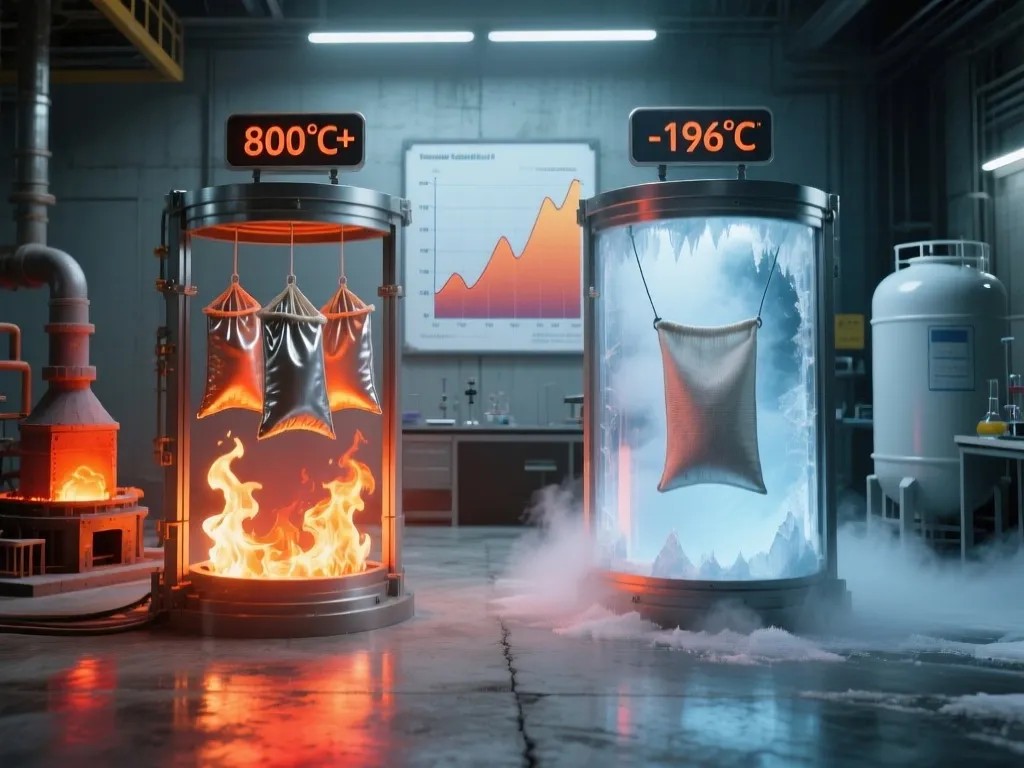
In the demanding world of industrial filtration, temperature swings can be brutal. From scorching heat to icy cold, the right filter bag needs to withstand it all. But which filter bags can handle extreme temperatures without failing? Whether you’re filtering hot gases in a furnace or chilled liquids in a cryogenic plant, choosing the wrong material could lead to costly downtime and safety risks. Let’s dive into the science of temperature-resistant filtration and uncover the top contenders for your toughest jobs.
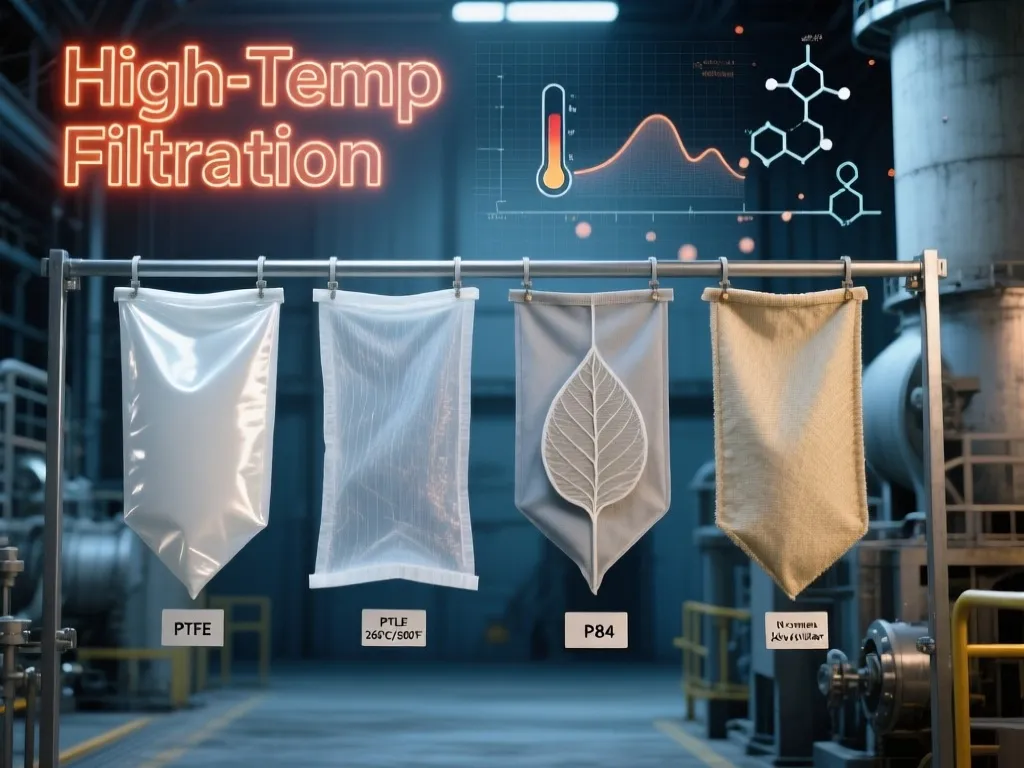
High-Temperature Filter Bag Materials Unveiled: PTFE, Fiberglass, and More
When it comes to industrial filtration in extreme heat, not all filter bags are created equal. Choosing the right material can mean the difference between efficient operation and costly downtime. So, which filter bags can handle extreme temperatures? Let’s dive into the world of high-temperature resistant materials and explore their unique properties. First up is Polytetrafluoroethylene (PTFE), often hailed as the ‘king’ of high-temperature filter bag materials. PTFE can withstand continuous operating temperatures up to 260°C (500°F) and short-term exposure to even higher temperatures. What makes PTFE truly remarkable is its exceptional chemical stability. It’s resistant to virtually all chemicals, including strong acids and bases, making it ideal for applications involving corrosive gases or liquids. PTFE filter bags are commonly used in incinerators, cement kilns, and chemical processing plants where both high temperatures and aggressive chemicals are present. Next on our list is fiberglass, a tried-and-true material for high-temperature filtration. Fiberglass filter bags can typically handle continuous temperatures up to 260°C (500°F) as well, with some specialized grades capable of withstanding brief spikes to 288°C (550°F). While not as chemically inert as PTFE, fiberglass offers excellent resistance to most inorganic chemicals and good dimensional stability at elevated temperatures. These properties make fiberglass filter bags popular in power plants, steel mills, and other industries where hot, dusty gases need to be filtered efficiently. For applications that push the limits even further, we turn to P84 polyimide. This high-performance material can operate continuously at temperatures up to 260°C (500°F) and withstand short excursions to 288°C (550°F). P84 stands out for its unique fiber structure, which provides a large surface area for dust collection and excellent particle release properties during pulse cleaning. This makes P84 filter bags particularly effective in capturing fine particulates in high-temperature applications like waste-to-energy plants and biomass boilers. Another contender in the high-temperature arena is aramid fibers, such as Nomex and Kevlar. These materials can handle continuous temperatures up to 204°C (400°F) and are known for their excellent strength-to-weight ratio and flame resistance. Aramid filter bags are often chosen for applications where mechanical abrasion is a concern, in addition to high temperatures, such as in asphalt plants and foundries. Now, you might be wondering, ‘How do I choose between these materials for my specific application?’ The answer depends on several factors: What’s the maximum continuous operating temperature? Are there any corrosive chemicals present? What’s the nature of the particulate being filtered? How important is energy efficiency (higher temperature resistance can sometimes mean lower pressure drop)? Let’s consider a real-world example. A cement plant was experiencing frequent filter bag failures due to high temperatures and abrasive dust. After analyzing their process conditions, we recommended switching to P84 filter bags with a special surface treatment. The result? A 40% increase in bag life and significant reduction in maintenance costs. This just goes to show that selecting the right high-temperature filter bag material can have a substantial impact on your bottom line. But temperature resistance isn’t the only factor to consider. In the next section, we’ll explore how these materials perform in chemically challenging environments and what that means for your filtration system’s longevity and efficiency.
PTFE: The High-Temperature Champion
PTFE’s ability to withstand extreme heat while maintaining its structural integrity is unmatched. Its low friction coefficient also means less energy is required for pulse cleaning, reducing overall system operating costs. However, PTFE bags can be more expensive than other options, so they’re typically reserved for the most demanding applications.
Fiberglass: The Reliable Workhorse
Fiberglass has been a staple in high-temperature filtration for decades. Its affordability and good all-around performance make it a popular choice for many industries. One thing to note: fiberglass bags can be more prone to abrasion than some other materials, so they may not be the best choice if your process involves very coarse particulates. For a more specialized fiberglass option, consider basalt fiber filter bags, which offer enhanced durability for extreme conditions.
P84: The Fine Particle Specialist
P84’s unique trilobal fiber shape gives it an edge when it comes to capturing fine particulates. This can be crucial in applications like waste incineration, where capturing sub-micron particles is important for emissions control. P84 bags do require careful handling during installation to avoid damaging the fibers. For industries like refineries, where both fine particulates and high temperatures are a concern, carbon black fiberglass filter bags can be a durable and efficient solution.
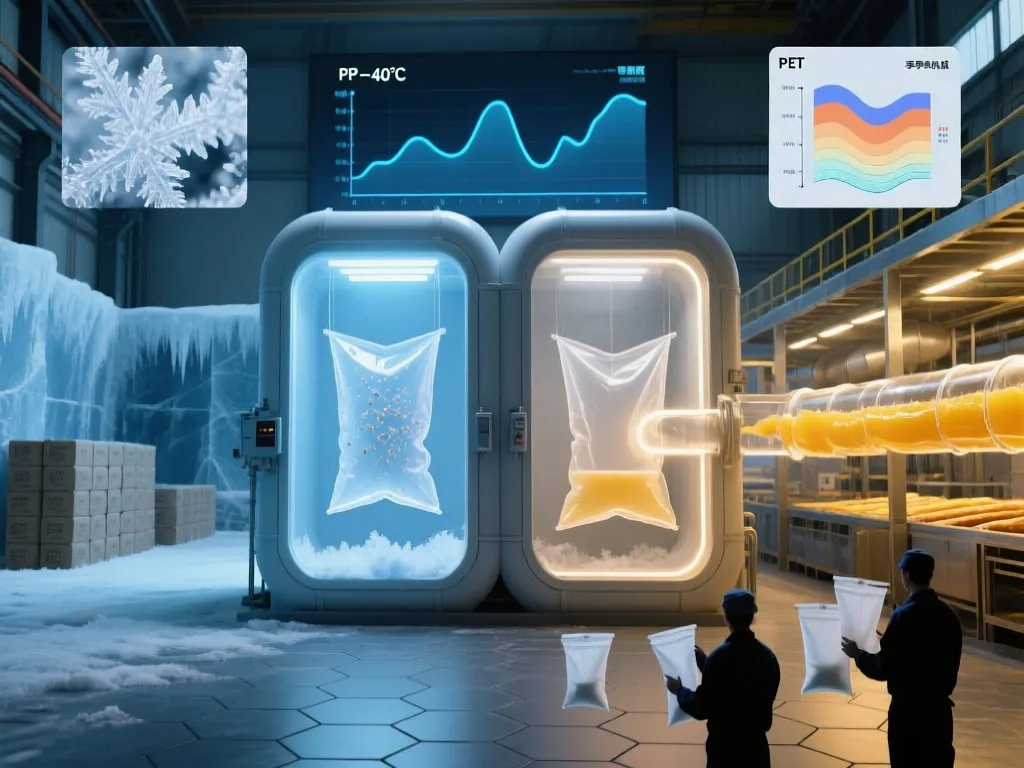
Low-Temperature Filter Bags Exploration: Investigating Materials like Polypropylene (PP) and Polyester (PET) that Maintain Flexibility and Filtration Efficiency in Cold Environments, and Their Advantages in Low-Temperature Industrial Applications
When it comes to industrial filtration in cold environments, the choice of filter bag material is crucial. Not all materials can withstand the challenges posed by low temperatures while maintaining their filtration efficiency and structural integrity. So, which materials are up to the task? Let’s dive into the world of low-temperature filter bags and explore the properties of polypropylene (PP) and polyester (PET), two popular choices in this domain. Polypropylene (PP) filter bags are renowned for their excellent resistance to low temperatures. PP can maintain its flexibility even in extremely cold conditions, which is a significant advantage. This flexibility ensures that the filter bag can conform to the shape of the filtration system, providing an effective seal and preventing bypass of contaminants. Moreover, PP has good chemical resistance, making it suitable for filtering a wide range of substances without degradation. In low-temperature industrial applications such as cryogenic processing, where temperatures can drop well below freezing, PP filter bags excel. They can handle the cold without becoming brittle, which could lead to cracks and leaks. This durability translates to longer service life and reduced maintenance costs for industrial operations. Polyester (PET) filter bags are another great option for low-temperature environments. Like PP, PET retains its flexibility at low temperatures, allowing it to function effectively in filtration systems. PET also offers high tensile strength, which means it can withstand the mechanical stresses associated with filtration, such as pressure differentials and vibration. In industries like food and beverage processing, where low-temperature storage and filtration are common, PET filter bags are widely used. Their ability to maintain filtration efficiency in cold conditions ensures that the quality of the processed products is not compromised. Additionally, PET is relatively easy to clean and reuse, which is an economic benefit for businesses looking to optimize their filtration processes. One of the key advantages of both PP and PET filter bags in low-temperature applications is their cost-effectiveness. Compared to some specialized high-temperature-resistant materials, PP and PET are more affordable while still providing reliable performance in cold environments. This makes them attractive options for small to medium-sized industrial operations that need to balance performance and budget. Furthermore, the availability of PP and PET filter bags in various sizes and configurations enhances their versatility. Whether you need a standard-sized bag for a common filtration system or a custom-designed solution for a unique application, you can find PP or PET filter bags that meet your requirements. For high-performance filtration solutions suitable for diverse industries, including those requiring low-temperature filtration, consider exploring our range of industrial bag filters. This flexibility in sizing and design allows for seamless integration into existing industrial processes, minimizing downtime and disruption during installation. In conclusion, when it comes to low-temperature industrial filtration, polypropylene (PP) and polyester (PET) filter bags are excellent choices. Their ability to maintain flexibility, filtration efficiency, and structural integrity in cold conditions, combined with their cost-effectiveness and versatility, make them indispensable components in many industrial operations. So, if you’re facing the challenge of filtering in low temperatures, consider these materials for your filter bag needs.
Polypropylene (PP) in Low-Temperature Filtration
Polypropylene (PP) filter bags are a go-to option for low-temperature industrial filtration. Their ability to stay flexible in the cold is a game-changer. This flexibility allows the bag to fit snugly within the filtration system, creating an effective barrier against contaminants. PP’s chemical resistance also means it can handle a variety of substances without breaking down, ensuring consistent filtration performance. In cryogenic processing, where temperatures can be extremely low, PP filter bags shine. They don’t become brittle like some other materials, which could lead to costly leaks and system failures. By choosing PP filter bags, you’re investing in a reliable solution that will keep your industrial processes running smoothly, even in the harshest cold conditions.
Polyester (PET) for Low-Temperature Industrial Use
Polyester (PET) filter bags are another excellent choice for low-temperature applications. Like PP, PET maintains its flexibility at low temperatures, enabling it to function effectively in filtration systems. But PET has an added advantage – high tensile strength. This means it can withstand the mechanical stresses that come with filtration, such as pressure changes and vibrations. In the food and beverage industry, where low-temperature storage and filtration are common, PET filter bags are widely used. Their ability to maintain filtration efficiency in the cold ensures that the quality of the products remains high. Plus, PET is relatively easy to clean and reuse, which can save businesses money in the long run.
Cost-Effectiveness and Versatility of PP and PET
One of the biggest selling points of PP and PET filter bags for low-temperature applications is their cost-effectiveness. Compared to some specialized high-temperature-resistant materials, PP and PET are more affordable while still delivering reliable performance. This makes them a great option for small to medium-sized businesses that need to balance performance and budget. Additionally, PP and PET filter bags come in a variety of sizes and configurations. Whether you need a standard bag for a common filtration system or a custom-designed solution for a unique application, you can find what you need. For instance, our high-performance filter bags are designed to meet diverse industrial needs. This versatility allows for easy integration into existing industrial processes, reducing downtime and disruption during installation.

Common Traits of Filter Bags for Extreme Temperatures: High Strength, Corrosion Resistance, and Aging Resistance
When it comes to filter bags designed for extreme temperatures, whether scorching heat or bone-chilling cold, there are several common traits that set them apart from regular filter bags. These traits are not just random features; they work in harmony to ensure the filter bags can withstand the harshest conditions and perform their filtering tasks efficiently. Let’s dive into these key characteristics and understand how they contribute to the overall performance of extreme-temperature filter bags.
First and foremost, high strength is a non-negotiable trait for filter bags operating in extreme temperatures. In high-temperature environments, the intense heat can cause the filter bag material to soften or even melt if it lacks sufficient strength. Similarly, in low-temperature conditions, the material can become brittle and prone to cracking. High-strength filter bags, on the other hand, are engineered to maintain their structural integrity regardless of the temperature. For instance, polyimide filter bags, known for their exceptional high-temperature resistance, also boast impressive tensile strength. This means they can withstand the pressure exerted by the gas or liquid being filtered without tearing or rupturing, ensuring continuous and reliable operation.
Corrosion resistance is another crucial characteristic of extreme-temperature filter bags. In many industrial processes, the gases or liquids being filtered contain corrosive substances such as acids, alkalis, or salts. When exposed to extreme temperatures, these corrosive agents can become even more aggressive, attacking the filter bag material and causing it to degrade rapidly. Filter bags with excellent corrosion resistance, like those made from PTFE (polytetrafluoroethylene), can resist the damaging effects of these substances. PTFE is highly inert, meaning it doesn’t react with most chemicals, making it an ideal choice for filtering corrosive media at high temperatures. This corrosion resistance not only extends the lifespan of the filter bag but also prevents contamination of the filtered product, ensuring high-quality output.
Aging resistance is equally important for extreme-temperature filter bags. Over time, exposure to extreme temperatures, along with other environmental factors such as UV radiation and mechanical stress, can cause the filter bag material to age and lose its original properties. Aging can lead to reduced strength, increased porosity, and decreased filtering efficiency, ultimately compromising the performance of the entire filtration system. Filter bags with good aging resistance, such as those made from glass fiber blended with other high-performance fibers, can resist the aging process and maintain their properties for an extended period. This means fewer replacements and lower maintenance costs for industrial operations, resulting in significant cost savings in the long run.
So, how do these characteristics work together to enhance the overall performance of extreme-temperature filter bags? Well, high strength provides the foundation for the filter bag to withstand the physical stresses of filtration, ensuring it doesn’t break or deform under pressure. Corrosion resistance protects the filter bag from chemical attacks, preventing degradation and contamination. And aging resistance ensures that the filter bag retains its properties over time, maintaining consistent filtering efficiency and reducing the need for frequent replacements. Together, these characteristics create a robust and reliable filtration solution that can handle the most demanding industrial applications.
Choosing the right filter bags for extreme temperatures isn’t just about survival—it’s about optimizing performance and protecting your bottom line. Now that you know which materials thrive in the heat and hold strong in the cold, you’re better equipped to tackle even the most demanding filtration challenges. But remember, every industrial setup is unique. Ready to find the perfect match for your extreme-temperature needs? Contact our experts today for tailored recommendations and unlock the full potential of your filtration system. What temperature challenges are you facing right now?