
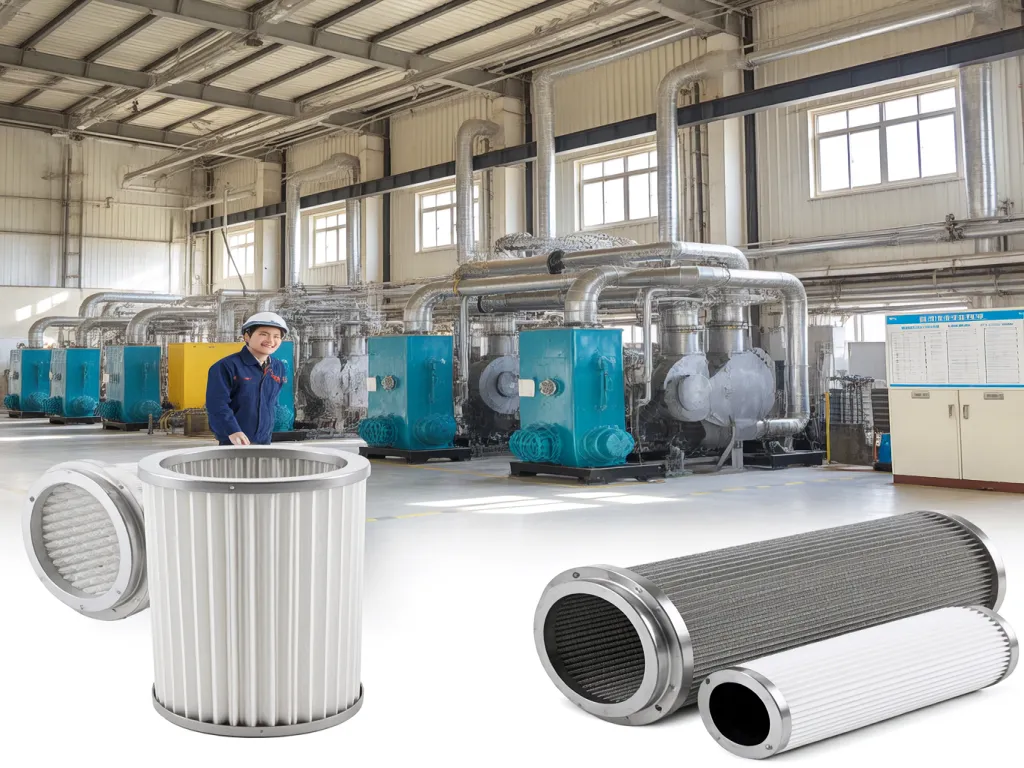
Para los operadores de centrales eléctricas, ver una bolsa de filtro dañada puede provocar escalofríos: tiempo de inactividad costoso, operaciones ineficientes y gastos inesperados. ¿Pero qué pasaría si pudieras reducir esos riesgos? ¿Comprender cómo prevenir daños en las bolsas de filtro en las centrales eléctricas? No se trata sólo de ahorrar dinero; se trata de garantizar flujos de trabajo fluidos y maximizar la vida útil del equipo. En esta guía, analizaremos las causas fundamentales de las fallas de las bolsas de filtro y le brindaremos estrategias prácticas para mantenerlas intactas. ¿Listo para transformar su rutina de mantenimiento?
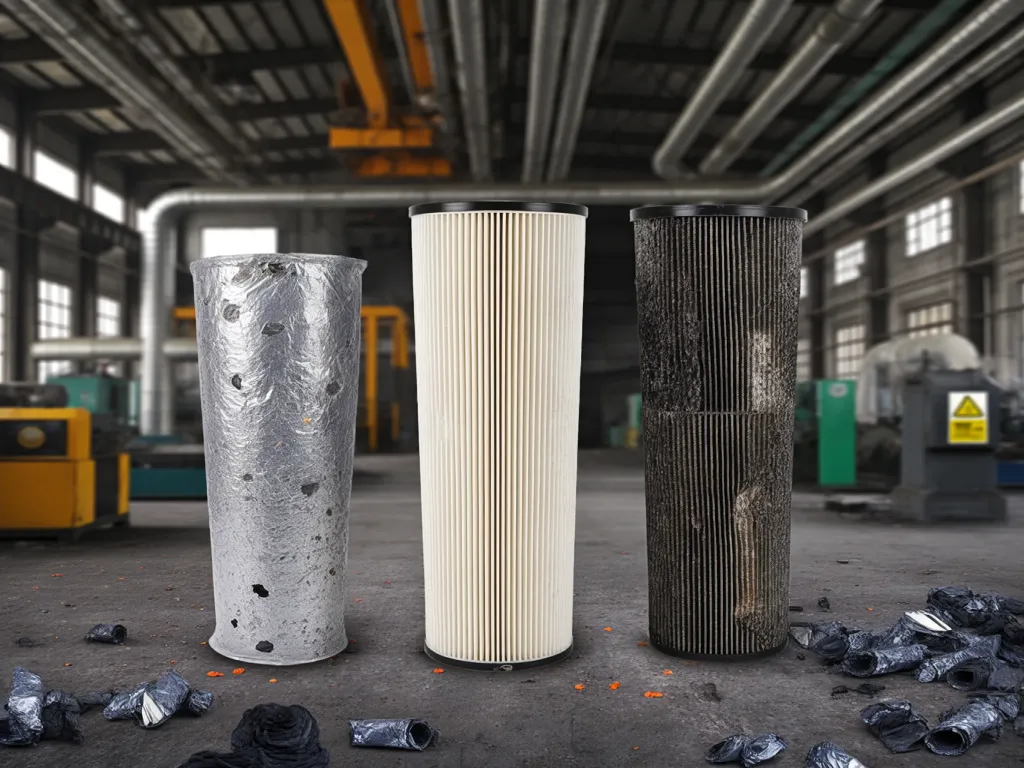
Causas comunes de daños en bolsas de filtro: conocimientos sobre propiedades materiales, percances operativos y factores ambientales
As someone deeply involved in the industrial filtration sector, I’ve seen firsthand how crucial filter bags are to the smooth operation of power plants. Yet, despite their importance, filter bags often face premature damage, leading to costly downtimes and replacements. So, what’s causing this wear and tear? Let’s dive into the common culprits, starting with material properties, moving on to operational mishaps, and finally, environmental factors. Understanding these root causes is the first step toward effective prevention.
Material Properties: The Silent Culprit
The characteristics of the materials being filtered play a significant role in the lifespan of filter bags. For instance, abrasive particles can act like sandpaper, gradually wearing down the fabric fibers. Imagine filtering coal dust or silica – these tiny, sharp particles can embed themselves into the filter bag, causing micro-tears that expand over time. But it’s not just about abrasion; chemical reactivity is another concern. Certain materials, when in contact with specific chemicals present in the gas stream, can react, leading to degradation of the filter bag material. For example, polyester filter bags might not fare well in environments with high concentrations of oxidizing agents, as these can cause the fabric to weaken and break down faster.
Moreover, the moisture content of the material being filtered can’t be overlooked. High humidity levels can lead to condensation inside the filter bag, creating a damp environment that fosters microbial growth. This not only clogs the pores, reducing filtration efficiency but also weakens the fabric structure over time. Have you ever noticed how a wet cloth becomes more fragile when dried? The same principle applies here, albeit on a microscopic level.
Operational Mishaps: Human Error and Beyond
Now, let’s talk about operational mishaps. These are often the result of human error or inadequate maintenance practices. One common mistake is improper installation. If a filter bag isn’t seated correctly in its housing, it can rub against the frame or other components, causing friction and, eventually, holes. It’s like wearing shoes that don’t fit – they’ll cause blisters and discomfort, and similarly, a poorly installed filter bag will suffer. Choosing the right industrial filter bag, such as those detailed aquí, can also mitigate installation issues.
Another operational issue is neglecting regular inspections and replacements. Filter bags, like any other component, have a finite lifespan. Continuously running them beyond their recommended usage period can lead to catastrophic failures. It’s akin to driving a car without ever changing the oil – eventually, the engine will seize up. Regular checks can identify early signs of wear, allowing for timely replacements before a minor issue escalates into a major problem.
Overloading the system is yet another operational pitfall. Pushing the filter system beyond its designed capacity can lead to excessive pressure differentials, causing the filter bags to stretch and potentially rupture. It’s like trying to fit too much luggage into an already full suitcase – something’s got to give, and in this case, it’s the integrity of the filter bag.
Environmental Factors: The Unseen Forces
Lastly, environmental factors play a significant role in filter bag longevity. Temperature extremes, both high and low, can affect the material properties of the filter bags. High temperatures can cause thermal degradation, making the fabric brittle and prone to cracking. On the other hand, extremely cold environments can make the fabric stiff and less flexible, increasing the risk of tears during operation.
Corrosive gases in the environment are another environmental hazard. These gases can react with the filter bag material, leading to chemical degradation. For instance, in power plants burning certain types of coal, sulfur dioxide (SO2) emissions can be a concern. SO2 can react with moisture to form sulfuric acid, which is highly corrosive and can eat away at the filter bag fabric over time.
Lastly, let’s not forget about the impact of particulate size distribution. Fine particles can penetrate deeper into the filter bag, clogging the pores and reducing airflow. This not only decreases filtration efficiency but also increases the pressure drop across the filter, putting additional strain on the bag and accelerating wear.
Propiedades del material en detalle
Cuando se trata de propiedades de los materiales, no se trata sólo del tipo de partículas sino también de su tamaño, forma y concentración. Las partículas más pequeñas y afiladas tienden a causar más daño que las más grandes y redondas. De manera similar, altas concentraciones de partículas pueden abrumar la bolsa de filtro, provocando una obstrucción más rápida y un mayor desgaste. Es fundamental comprender las características específicas de los materiales que se filtran y elegir las bolsas de filtro en consecuencia.
Mejores prácticas operativas
Para mitigar los percances operativos, es fundamental establecer y seguir las mejores prácticas. Esto incluye técnicas de instalación adecuadas, inspecciones periódicas y reemplazos oportunos. Capacitar al personal sobre el manejo y mantenimiento correctos de las bolsas de filtro puede contribuir en gran medida a prevenir daños. Además, implementar un programa de mantenimiento preventivo puede ayudar a identificar y abordar problemas potenciales antes de que se agraven.
Estrategias de control ambiental
Controlar los factores ambientales requiere un enfoque multifacético. Los sistemas de control de temperatura pueden ayudar a mantener condiciones operativas óptimas, evitando la degradación térmica. La instalación de depuradores u otros dispositivos de control de emisiones puede reducir la concentración de gases corrosivos en el medio ambiente. Por último, prefiltrar o dimensionar las partículas antes de que lleguen a las bolsas de filtro puede minimizar el impacto de las partículas finas en la vida útil de las bolsas de filtro.
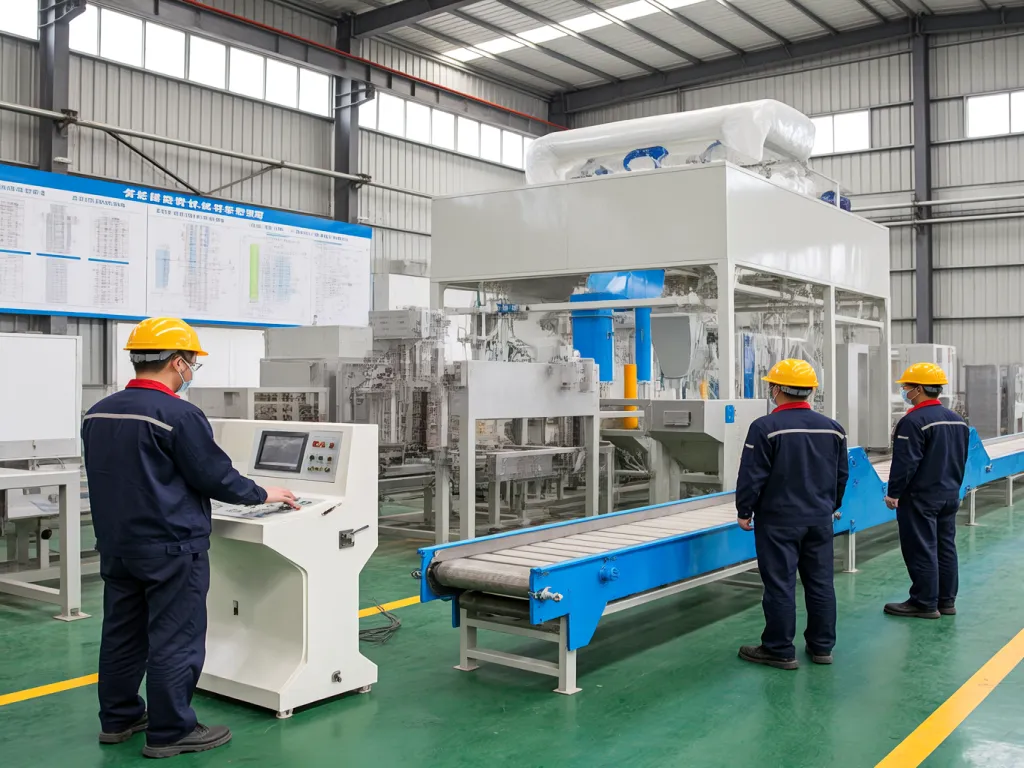
Medida preventiva 1: Optimizar los procesos de manipulación de materiales para minimizar los daños físicos y químicos a las bolsas de filtro
When it comes to preventing filter bag damage in power plants, optimizing the material handling process is a game-changer. You see, the way materials are fed into the system and how their properties are managed can significantly impact the lifespan of your filter bags. Let’s dive into some practical strategies that can make a real difference. First off, adjusting the feeding method is crucial. Imagine pouring a bucket of sand directly onto a delicate fabric – not a pretty picture, right? The same goes for filter bags. Abrupt or uneven feeding can cause excessive wear and tear, leading to premature failure. Instead, consider implementing a controlled feeding system that gradually introduces materials into the filtration unit. This can be achieved through the use of screw conveyors, vibratory feeders, or even pneumatic systems, depending on the nature of the material. By ensuring a smooth and consistent flow, you’ll reduce the physical stress on the filter bags, allowing them to perform optimally for longer. Now, let’s talk about moisture control. Excessive moisture in the feed material can wreak havoc on filter bags, especially those made from certain synthetic fibers. When moisture levels are too high, it can lead to clogging, increased pressure drop, and even chemical reactions that degrade the filter material. So, how do you tackle this issue? One effective approach is to install moisture sensors at key points in the material handling process. These sensors can provide real-time data on moisture content, allowing you to take corrective action before the material reaches the filter bags. For instance, if the moisture level exceeds a certain threshold, you can divert the material to a drying unit or adjust the process parameters to reduce moisture generation. Another aspect to consider is the storage and handling of materials before they enter the filtration system. Improper storage can lead to material degradation, contamination, and moisture absorption, all of which can negatively impact filter bag performance. Make sure materials are stored in a dry, clean environment, away from direct sunlight and extreme temperatures. Additionally, use appropriate containers or silos that prevent moisture ingress and minimize the risk of contamination. But wait, there’s more! The physical properties of the material itself, such as particle size and shape, can also influence filter bag damage. Coarse or irregularly shaped particles can cause abrasion and puncture the filter fabric, while fine particles can clog the pores and increase pressure drop. To mitigate these issues, consider implementing a pre-screening or classification system that separates materials based on their particle size and shape. This way, you can ensure that only materials with suitable properties enter the filtration unit, reducing the risk of damage to the filter bags. Let’s not forget about the importance of regular maintenance and cleaning of the material handling equipment. Over time, equipment such as conveyors, feeders, and storage silos can accumulate dust, debris, and even corrosive substances that can contaminate the feed material and damage the filter bags. Establish a routine maintenance schedule that includes regular cleaning, inspection, and replacement of worn-out parts. This will not only extend the lifespan of your equipment but also ensure that the material handling process remains efficient and effective. In my experience, I’ve seen power plants that have implemented these optimization strategies experience a significant reduction in filter bag damage and replacement costs. By taking a proactive approach to material handling, you can not only protect your filter bags but also improve the overall efficiency and reliability of your filtration system. So, what are you waiting for? Start optimizing your material handling processes today and give your filter bags the protection they deserve!
Ajuste de los métodos de alimentación para un flujo de material suave
La alimentación brusca o desigual puede provocar un desgaste excesivo de las bolsas de filtro. Implementar un sistema de alimentación controlado mediante transportadores de tornillo, alimentadores vibratorios o sistemas neumáticos para garantizar un flujo suave y constante. Esto reduce la tensión física sobre las bolsas de filtro, prolongando su vida útil.
Control de humedad: un factor clave en la protección de las bolsas de filtro
La humedad excesiva en el material de alimentación puede provocar obstrucciones, aumento de la caída de presión y reacciones químicas que degradan el material del filtro. Instale sensores de humedad para monitorear el contenido de humedad en tiempo real y tomar medidas correctivas, como desviar el material a una unidad de secado o ajustar los parámetros del proceso.
Almacenamiento y Manipulación Adecuados de Materiales
Un almacenamiento inadecuado puede provocar degradación del material, contaminación y absorción de humedad, lo que afecta negativamente el rendimiento de la bolsa de filtro. Almacene los materiales en un ambiente seco y limpio, lejos de la luz solar directa y de temperaturas extremas. Utilice contenedores o silos adecuados para evitar la entrada de humedad y minimizar el riesgo de contaminación.
Pre-cribado y clasificación de propiedades óptimas de los materiales
Las partículas gruesas o de forma irregular pueden causar abrasión y perforar la tela del filtro, mientras que las partículas finas pueden obstruir los poros y aumentar la caída de presión. Implementar un sistema de preselección o clasificación para separar los materiales según el tamaño y la forma de las partículas, asegurando que solo los materiales adecuados ingresen a la unidad de filtración.
Mantenimiento regular de equipos de manipulación de materiales
El polvo, los desechos y las sustancias corrosivas acumulados en los equipos de manipulación de materiales pueden contaminar el material de alimentación y dañar las bolsas de filtro. Establecer un programa de mantenimiento de rutina que incluya limpieza, inspección y reemplazo regulares de piezas desgastadas para garantizar un manejo eficiente y eficaz del material.
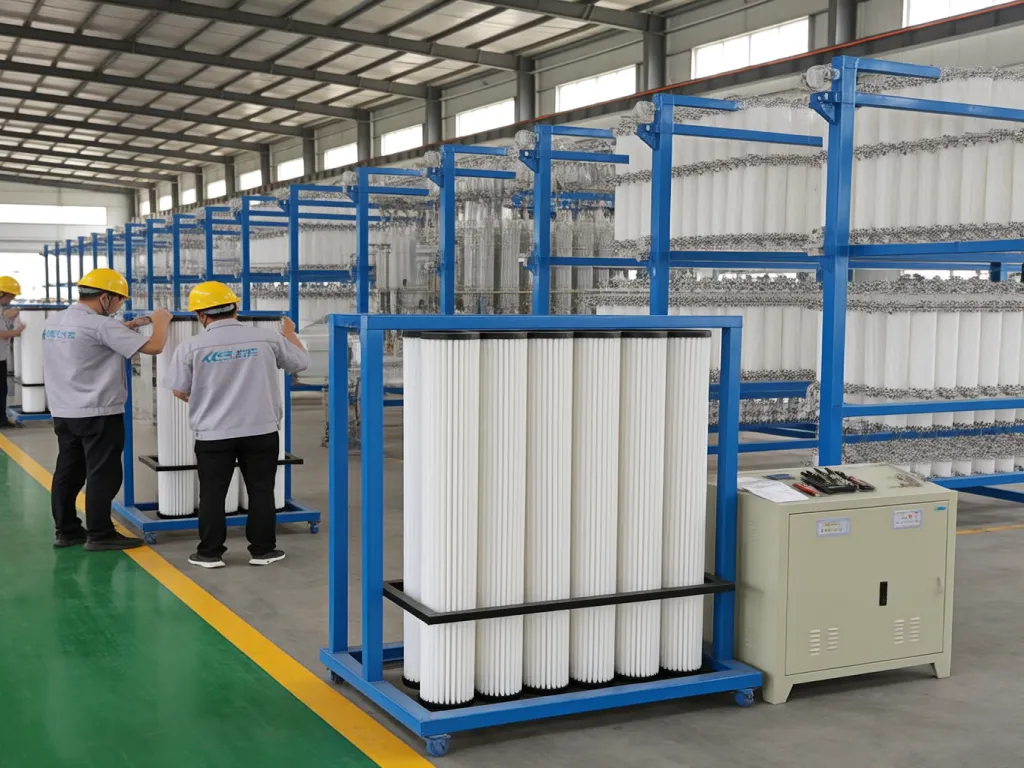
Medida preventiva 2: mejorar los estándares operativos para un rendimiento óptimo de la bolsa de filtro
When it comes to safeguarding filter bags in power plants, enhancing operational standards is not just a recommendation—it’s a necessity. Proper installation, regular inspections, timely replacements, and avoiding overloading are key practices that ensure your filter bags operate at their peak efficiency. Let’s dive deeper into each of these critical aspects to understand how they contribute to minimizing filter bag damage and extending their lifespan.
First things first, proper installation is the cornerstone of filter bag longevity. Imagine trying to fit a square peg into a round hole—it just won’t work, right? Similarly, installing filter bags incorrectly can lead to immediate or gradual damage, compromising their filtration capabilities. So, what does proper installation entail? It starts with selecting the right filter bag for your specific application, considering factors like material compatibility, size, and shape. Once you’ve got the right bag, follow the manufacturer’s installation guidelines meticulously. This includes ensuring the bag is seated correctly in the cage, all seals are tight, and there are no wrinkles or folds that could impede airflow or cause abrasion. Remember, a well-installed filter bag is a happy filter bag!
Next up, regular inspections are your best defense against unexpected filter bag failures. Think of it like taking your car for a routine check-up—you wouldn’t wait until it breaks down on the highway to find out something’s wrong, would you? The same principle applies to filter bags. Schedule regular inspections to look for signs of wear, tear, or damage. This could include checking for holes, thinning areas, or any buildup of particulate matter that could clog the bag and reduce its efficiency. By catching these issues early, you can take corrective action before they escalate into costly repairs or replacements. Plus, regular inspections give you valuable insights into the overall health of your filtration system, allowing you to make informed decisions about maintenance and upgrades.
Timely replacements are equally crucial in maintaining optimal filter bag performance. No filter bag lasts forever, and trying to squeeze every last ounce of life out of it can be a costly mistake. As filter bags age, their filtration efficiency decreases, and the risk of failure increases. So, how do you know when it’s time to replace them? Keep an eye on your inspection reports and performance metrics. If you notice a significant drop in filtration efficiency, increased pressure drop across the system, or frequent breakdowns, it’s probably time for new filter bags. Don’t wait until it’s too late—proactive replacements can save you from downtime, lost production, and potential safety hazards.
Last but not least, avoiding overloading is essential to prevent filter bag damage. Just like you wouldn’t overload your washing machine with clothes, you shouldn’t overload your filter bags with particulate matter. Overloading can cause excessive pressure on the bags, leading to stretching, tearing, or even bursting. To avoid this, ensure your filtration system is properly sized for your application and that you’re not exceeding the recommended flow rates or particulate loading. If you’re dealing with high-volume or high-particulate applications, consider using multiple filter bags or a more robust filtration system to distribute the load evenly and reduce the risk of damage.
By implementing these operational standards—proper installation, regular inspections, timely replacements, and avoiding overloading—you can significantly reduce the risk of filter bag damage in power plants. Not only will this extend the lifespan of your filter bags, but it will also improve the overall efficiency and reliability of your filtration system. So, what are you waiting for? Start enhancing your operational standards today and give your filter bags the care and attention they deserve!
Instalación adecuada: la base de la longevidad de las bolsas filtrantes
La instalación adecuada es el primer paso para garantizar que sus bolsas de filtro funcionen de manera óptima. Implica seleccionar la bolsa adecuada para su aplicación y seguir las pautas del fabricante al pie de la letra. Esto incluye verificar la compatibilidad, garantizar el tamaño correcto y evitar errores de instalación que puedan provocar daños prematuros. Recuerde, es menos probable que falle una bolsa de filtro bien instalada, lo que le permitirá ahorrar tiempo y dinero a largo plazo.
Inspecciones periódicas: detectar problemas antes de que se agraven
Las inspecciones periódicas son su mejor herramienta para identificar posibles problemas con sus bolsas de filtro antes de que se conviertan en problemas graves. Al comprobar periódicamente si hay signos de desgaste o daños, puede tomar medidas correctivas con antelación y evitar averías costosas. Además, las inspecciones le brindan información valiosa sobre el estado general de su sistema de filtración, lo que le permite tomar decisiones informadas sobre mantenimiento y actualizaciones.
Reemplazos oportunos: mantenimiento proactivo para un rendimiento óptimo
Saber cuándo reemplazar las bolsas de filtro es crucial para mantener un rendimiento óptimo. No espere hasta que fallen por completo. Para entonces, a menudo ya es demasiado tarde para evitar tiempos de inactividad y pérdida de producción. En su lugar, esté atento a sus informes de inspección y métricas de rendimiento, y reemplace sus bolsas de filtro de manera proactiva cuando se hagan evidentes signos de desgaste o disminución de la eficiencia. Esto garantizará que su sistema de filtración continúe funcionando de la mejor manera.
Evitar sobrecargas: distribuir la carga uniformemente
La sobrecarga de las bolsas de filtro con partículas puede causar una presión excesiva y provocar daños. Para evitar esto, asegúrese de que su sistema de filtración tenga el tamaño adecuado para su aplicación y que no exceda los caudales o la carga de partículas recomendados. Si se trata de aplicaciones de gran volumen o partículas, considere utilizar varias bolsas de filtro o un sistema de filtración más robusto para distribuir la carga de manera uniforme y reducir el riesgo de daños.
Dominar ¿Cómo evitar daños en las bolsas de filtro en las centrales eléctricas? no es opcional: cambia las reglas del juego. Al abordar las fallas en el manejo de materiales, perfeccionar los protocolos operativos y adoptar controles proactivos, reducirá los costos de reemplazo y aumentará la eficiencia de la planta. Piénselo: menos averías, mayor vida útil del filtro y operaciones más fluidas. Comparta esta guía con su equipo, marque nuestra lista de verificación de mantenimiento y explore nuestras soluciones de filtración avanzadas. La próxima vez que inspeccione su sistema de filtros, pregúntese: ¿Está haciendo lo suficiente para proteger su inversión? La respuesta comienza aquí.