
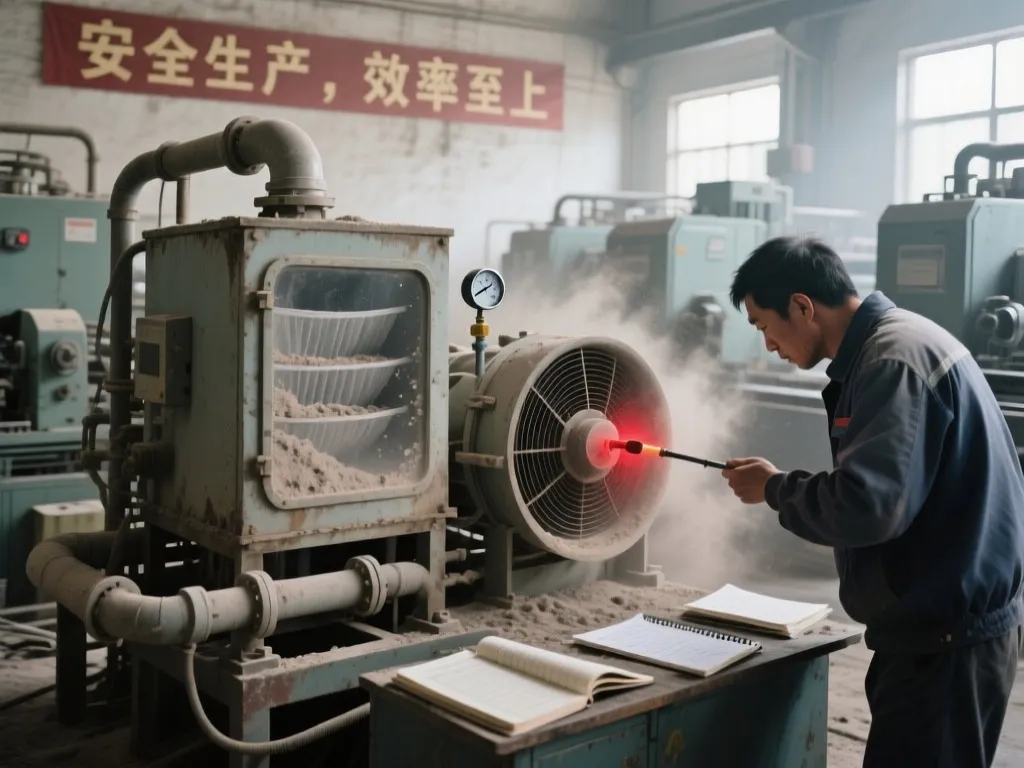
Ever stared at your dust collection system, wondering, ‘Why is my dust collection system underperforming?’ It’s a frustration many industrial pros face—a system that once ran smoothly now struggles to keep up, leaving you with poor air quality, higher maintenance costs, and even safety risks. But what’s really causing this slump? Is it worn-out filters, a design flaw, or something else entirely? Let’s dive into the common culprits, how to diagnose them, and what you can do to get your system back on track.
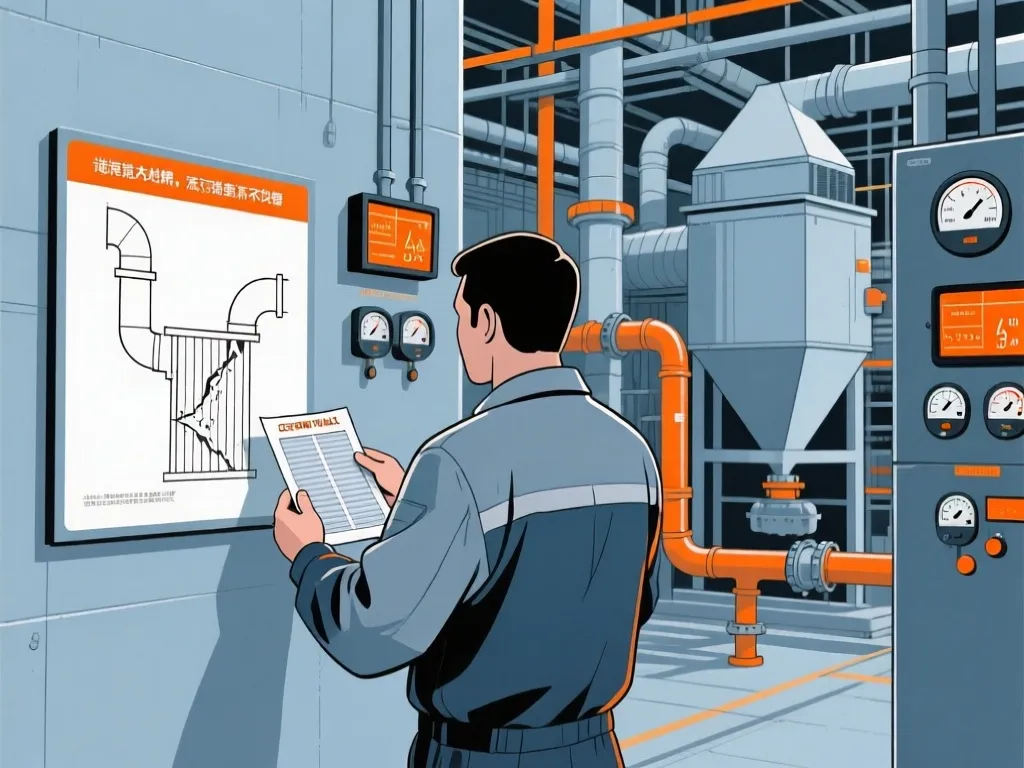
Common Causes Analysis: Root Causes of Poor Performance in Dust Collection Systems from Filter Media Selection, System Design, and Operation & Maintenance
When your dust collection system isn’t performing as expected, it’s easy to feel frustrated and unsure where to start troubleshooting. After all, these systems are complex, and their performance can be influenced by a multitude of factors. But don’t worry, we’re here to break it down for you. Let’s dive into the common causes of poor performance in dust collection systems, starting with filter media selection, moving on to system design, and finally, operation and maintenance. First up, filter media selection. This is a critical component of your dust collection system, and choosing the wrong type can lead to a host of problems. For instance, if you’re dealing with fine, sticky dust particles, using a filter media that’s not designed for such conditions can quickly lead to clogging. This not only reduces the airflow through the system but also increases the pressure drop, making the system work harder and consume more energy. On the other hand, if you’re using a filter media that’s too porous for your application, it might not capture all the dust particles effectively, leading to poor air quality in your facility. So, how do you choose the right filter media? It all comes down to understanding your dust characteristics, including particle size, shape, and stickiness, as well as the operating conditions of your system, such as temperature and humidity. Consulting with a filter media expert or conducting a thorough dust analysis can help you make an informed decision. Next, let’s talk about system design. A poorly designed dust collection system can be a recipe for disaster, even if you’ve chosen the perfect filter media. One common design flaw is inadequate sizing. If your system is too small for your application, it won’t be able to handle the volume of dust generated, leading to frequent clogging and reduced performance. Conversely, an oversized system can be just as problematic, as it might not generate enough airflow to effectively capture and transport dust particles. Another design issue to watch out for is improper ductwork layout. Ducts that are too long, have too many bends, or are not properly sized can create excessive pressure drops, reducing the efficiency of your system. Additionally, if the ducts are not sealed properly, dust can leak out, contaminating your facility and posing a health risk to your employees. For advanced solutions, consider exploring our high-efficiency industrial cyclone separator, designed to enhance dust collection efficiency and reduce maintenance needs. Finally, let’s not forget about operation and maintenance. Even the best-designed system with the perfect filter media can underperform if it’s not operated and maintained correctly. One common mistake is neglecting regular filter cleaning or replacement. Over time, dust can accumulate on the filter media, reducing its permeability and increasing the pressure drop. Regular cleaning or replacement can help maintain optimal performance. Another operation issue is improper fan speed settings. If the fan is running too fast, it can create excessive turbulence in the system, leading to dust re-entrainment and reduced collection efficiency. Conversely, if the fan is running too slow, it might not generate enough airflow to effectively capture dust particles. So, how do you ensure your dust collection system is operating and maintained correctly? It starts with training your staff on proper operation procedures and establishing a regular maintenance schedule. This includes checking and cleaning filters, inspecting ductwork for leaks, and verifying fan speed settings. By taking these steps, you can help ensure your system performs at its best, protecting your employees and your bottom line.
Filter Media Selection: The Foundation of Performance
Choosing the right filter media is like laying the foundation for a sturdy building. If you get it wrong, everything else can come crashing down. As mentioned earlier, understanding your dust characteristics and operating conditions is key to making the right choice. But it’s not just about selecting the right type of filter media; it’s also about ensuring it’s properly installed and maintained. Regular inspections can help you spot any signs of wear or damage early on, allowing you to replace the filter media before it causes problems.
System Design: The Blueprint for Success
A well-designed dust collection system is like a well-oiled machine; everything works together seamlessly to achieve optimal performance. But designing such a system requires careful consideration of several factors, including the type and volume of dust generated, the layout of your facility, and the specific requirements of your application. Working with an experienced system designer can help ensure your system is tailored to your needs, minimizing the risk of performance issues down the line.
Operation & Maintenance: The Key to Longevity
Even the best-designed system with the perfect filter media won’t last forever without proper operation and maintenance. Regular cleaning and replacement of filters, inspection of ductwork for leaks, and verification of fan speed settings are all essential tasks that should be included in your maintenance schedule. Additionally, training your staff on proper operation procedures can help prevent accidental damage or misuse of the system, extending its lifespan and ensuring consistent performance.
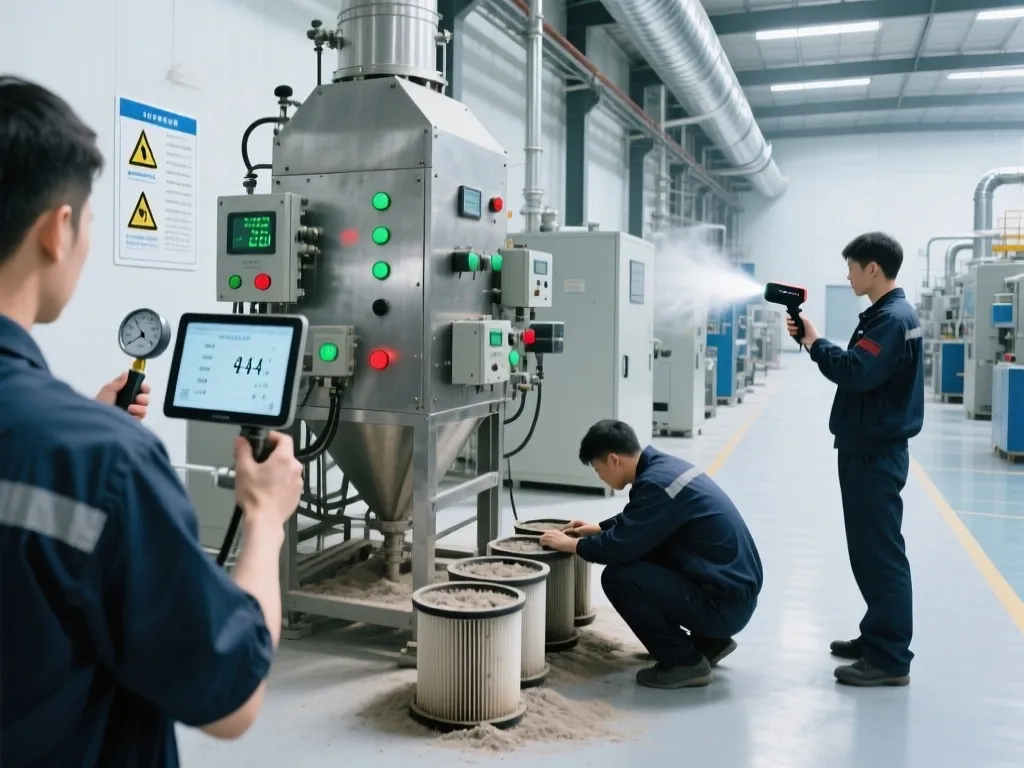
Diagnosis Method Guide: How to Check Key Indicators Like Pressure Difference, Airflow, and Filter Condition to Diagnose System Performance Issues
When your dust collection system isn’t performing as expected, it’s crucial to conduct a thorough diagnosis to pinpoint the root cause. Here’s a step-by-step guide on how to check the key indicators that can reveal why your system is underperforming. First things first, let’s talk about pressure difference. This is a fundamental metric that tells you how much resistance the system is facing as it tries to pull air through the filters. If the pressure difference is too high, it could mean that the filters are clogged or that there’s a blockage somewhere in the system. To measure this, you’ll need a manometer or a differential pressure gauge. Connect it to the system at the appropriate points, usually before and after the filters, and take a reading. Compare this reading to the manufacturer’s recommended range. If it’s outside the norm, you’ve got a clue that something’s not right. Now, onto airflow. Airflow is the lifeblood of your dust collection system. If it’s not moving enough air, it won’t be able to capture and remove dust effectively. To check airflow, you can use an anemometer or a pitot tube. Place the measuring device at the inlet or outlet of the system and take a reading. Again, compare this to the manufacturer’s specifications. Low airflow could be due to a variety of factors, including a dirty filter, a blocked duct, or a fan that’s not operating at full capacity. Next up is filter condition. The state of your filters is a major determinant of system performance. Over time, filters can become clogged with dust, reducing their ability to capture particles. Inspect your filters regularly for signs of wear and tear, such as holes, tears, or excessive dust buildup. If the filters are dirty, it’s time to clean or replace them, depending on the type of filter you’re using. Some filters are washable and reusable, while others are disposable and need to be replaced when they’re clogged. Another aspect to consider is the filter’s efficiency rating. If you’re using filters with a low efficiency rating, they may not be capturing all the dust particles, leading to poor system performance. Upgrade to higher-efficiency filters if necessary to improve your system’s dust capture capabilities. In addition to these key indicators, don’t overlook the importance of checking the system’s overall design and layout. Are the ducts properly sized and routed? Is the fan sized correctly for the system’s needs? Are there any leaks in the system that could be allowing dust to escape? These are all factors that can impact system performance and should be addressed during your diagnosis. By systematically checking these key indicators—pressure difference, airflow, and filter condition—you can gain a comprehensive understanding of why your dust collection system is underperforming. Once you’ve identified the issue, you can take the necessary steps to fix it, whether that’s cleaning or replacing filters, adjusting the fan speed, or repairing leaks in the system. Remember, a well-maintained dust collection system is essential for protecting your employees’ health, ensuring compliance with environmental regulations, and maintaining the efficiency of your production processes. So, don’t neglect regular maintenance and diagnosis to keep your system running smoothly.
Pressure Difference: The First Clue
The pressure difference is like the system’s ‘pulse.’ It gives you an immediate sense of how hard the system is working to move air. A high pressure difference is a red flag that something is obstructing the airflow, whether it’s a dirty filter, a blocked duct, or a malfunctioning component. Regularly monitoring this metric can help you catch problems early before they escalate into more serious issues that could disrupt your production.
Airflow: The Key to Effective Dust Capture
Airflow is the driving force behind your dust collection system. Without sufficient airflow, dust particles won’t be pulled into the system and captured by the filters. This can lead to a buildup of dust in your workspace, posing health risks to your employees and potentially causing damage to your equipment. By measuring airflow, you can ensure that your system is operating at the optimal level for effective dust capture.
Filter Condition: The Heart of the System
Filters are the heart of your dust collection system. They’re responsible for capturing and removing dust particles from the air. If the filters are in poor condition, the system’s performance will suffer. Regular inspection and maintenance of filters are essential to keep your system running efficiently. Don’t wait until the filters are completely clogged before taking action. Replace or clean them as needed to maintain optimal performance.
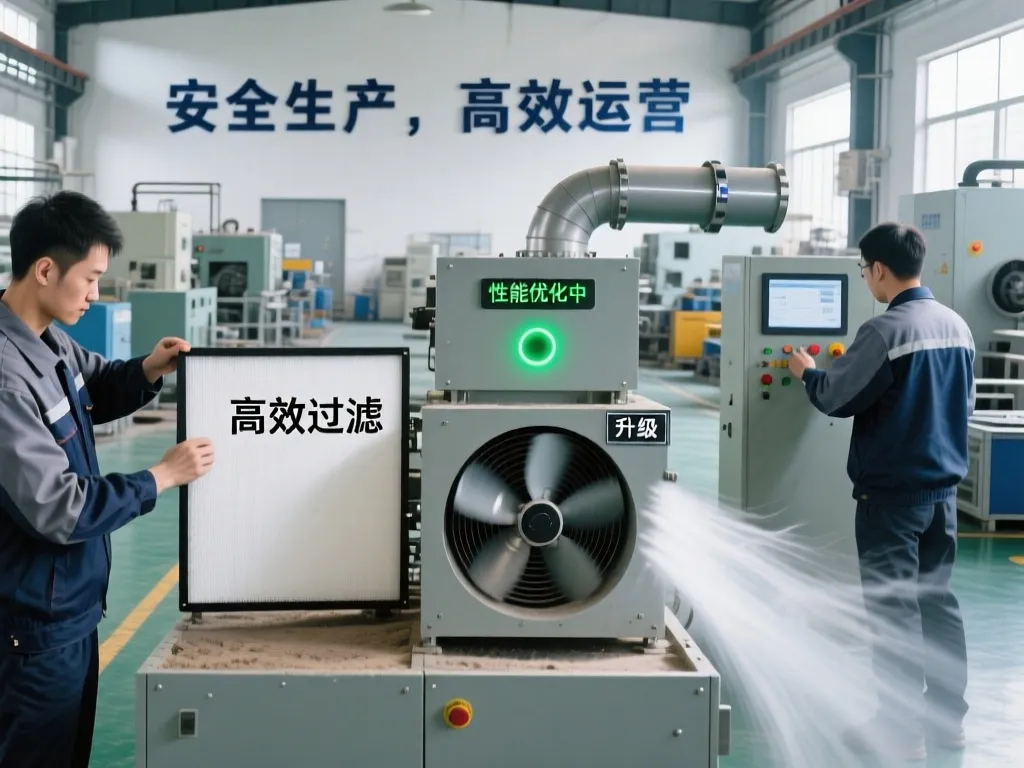
Optimization Strategies: Tailored Solutions for Restoring Performance
When your dust collection system starts underperforming, it’s not just a minor inconvenience—it can significantly impact your production efficiency and even pose health risks to your employees. But don’t worry, we’ve got you covered with a range of optimization strategies tailored to address different root causes. Let’s dive into each one and see how you can quickly restore your system’s performance. First up, let’s talk about filter media replacement. The filter media is the heart of your dust collection system, and if it’s not up to par, the whole system will suffer. Have you noticed a gradual decline in performance despite regular maintenance? It might be time to replace your filter media. But how do you know which type to choose? Well, it depends on the specific contaminants you’re dealing with. For instance, if you’re handling fine, sticky dust, a pleated filter with a high surface area might be your best bet. On the other hand, if you’re dealing with larger, heavier particles, a bag filter could be more suitable. And don’t forget to consider the filter’s efficiency rating—higher efficiency means better air quality but also higher pressure drop, so strike a balance that works for your system. Next, let’s consider system upgrades. Sometimes, the issue isn’t with the filter media itself but with the overall system design. Maybe your system was designed for a lower airflow rate than what you’re currently experiencing, or perhaps the ductwork is too restrictive, causing excessive pressure drop. In these cases, upgrading your system can make a world of difference. This could involve installing a more powerful fan, enlarging the ductwork, or even adding additional collection points to distribute the load more evenly. And if you’re dealing with high-temperature applications, upgrading to heat-resistant components can prevent premature failure and ensure consistent performance. Now, let’s not overlook the importance of proper operation and maintenance. Even the best filter media and system design won’t perform optimally if they’re not operated and maintained correctly. Are you following the manufacturer’s recommended maintenance schedule? Are your operators trained on how to properly use and monitor the system? Simple things like regularly checking and cleaning the pre-filters, ensuring proper airflow distribution, and avoiding overloading the system can go a long way in maintaining peak performance. And don’t forget about training your staff on how to identify and address common issues before they escalate into major problems. But what if you’ve tried all these strategies and your system is still underperforming? It might be time to call in the experts. An audit can also provide valuable insights into how you can optimize your system for better energy efficiency and lower operating costs. Plus, having an expert on your side can give you peace of mind knowing that your system is in good hands.
Filter Media Replacement Strategies
When selecting new filter media, consider not just the type but also the efficiency rating and surface area. A higher efficiency rating means better air quality but also a higher pressure drop, so find a balance that suits your system’s needs. And don’t forget to factor in the specific contaminants you’re dealing with—fine, sticky dust requires a different approach than larger, heavier particles.
System Upgrade Options
Upgrading your system can involve a range of modifications, from installing a more powerful fan to enlarging the ductwork or adding additional collection points. Consider your current and future needs when making these decisions, and don’t hesitate to consult with experts to ensure you’re making the most of your investment.
Operation and Maintenance Best Practices
Proper operation and maintenance are key to keeping your dust collection system performing at its best. Follow the manufacturer’s recommended maintenance schedule, train your operators on how to properly use and monitor the system, and address common issues before they escalate. Regular checks and cleanings can prevent minor problems from turning into major headaches.
So, why is your dust collection system underperforming? Now you know the usual suspects—from clogged filters to outdated designs—and how to spot them. By checking pressure drops, airflow rates, and filter conditions, you can pinpoint the issue fast. And with targeted fixes like upgrading filters, tweaking system settings, or investing in better maintenance, you’ll see efficiency soar. Ready to breathe easier and boost productivity? Start by reviewing your system today—and don’t forget to share these tips with your team!