
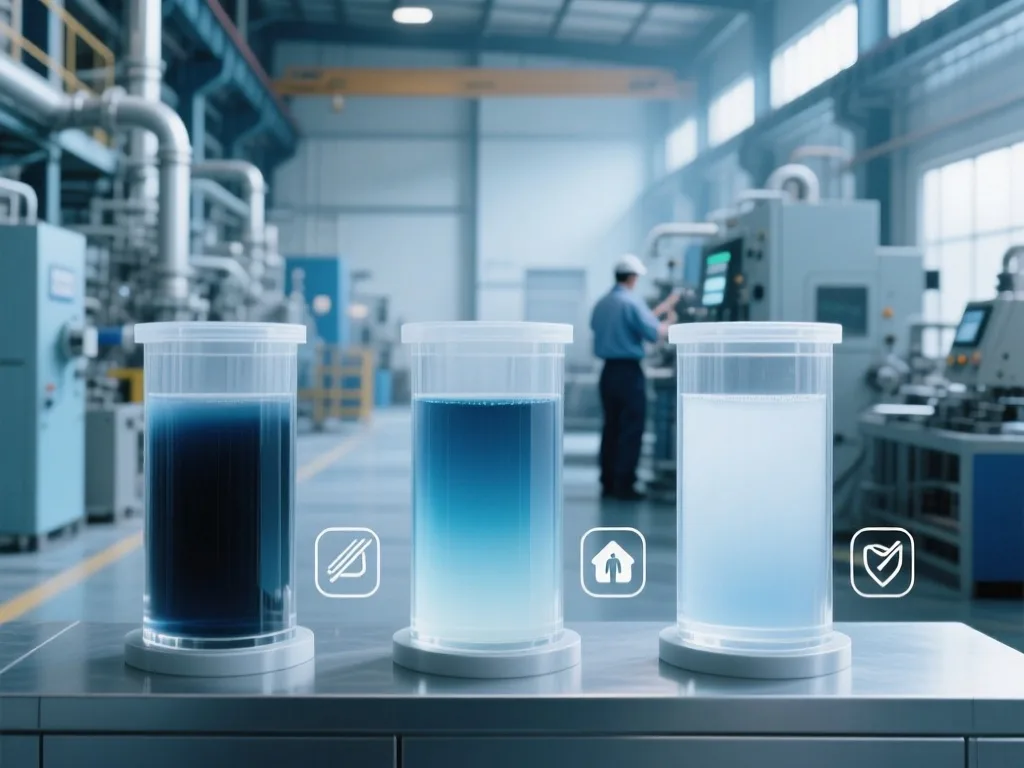
Selecting the right industrial liquid filters is crucial for ensuring operational efficiency and longevity in industrial processes. With a myriad of options available, how do you determine which filter best suits your needs? This blog delves into the critical factors influencing industrial liquid filter selection, including filtration efficiency, material compatibility, and maintenance requirements. By understanding these elements, you can make informed decisions that enhance performance and reduce costs. Are you ready to uncover the secrets to optimal industrial liquid filtration?
Filtration Efficiency: The Cornerstone of Industrial Liquid Filter Selection
When it comes to selecting industrial liquid filters, filtration efficiency isn’t just a buzzword—it’s the foundation of your entire filtration system’s performance. Think about it: what’s the point of investing in a filter if it can’t effectively remove contaminants from your liquid stream? This is why understanding how different filter types and materials impact efficiency is crucial for making an informed decision that aligns with your specific application requirements. For a deeper dive into filtration efficiency metrics and their importance, refer to this comprehensive guide on filtration efficiency. Let’s break down why filtration efficiency matters so much and how to match it perfectly to your needs.
How Filter Types Influence Efficiency
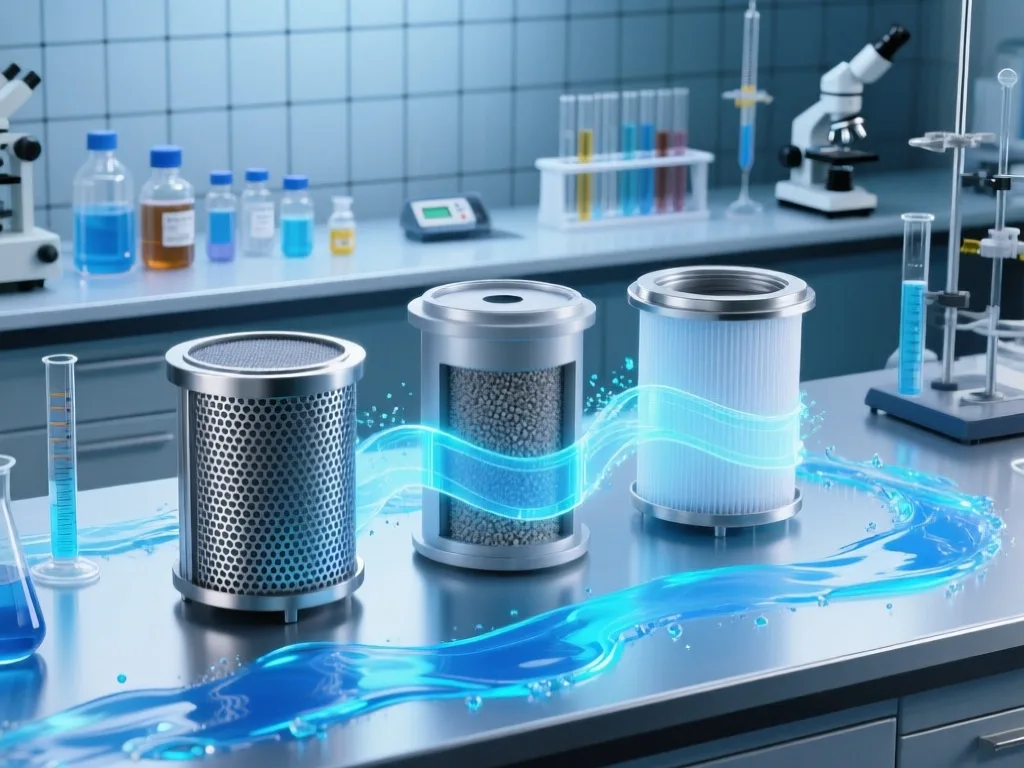
Not all filters are created equal, and their design directly affects how efficiently they can capture particles. Surface filters, for example, rely on a physical barrier to trap contaminants on their surface. These are excellent for removing larger particles but can quickly become clogged if the particle load is high or the particles are too small. Depth filters, on the other hand, use a thick medium that allows liquid to flow through while trapping particles throughout the material’s depth. This makes them more effective at capturing smaller particles and handling higher contaminant loads without clogging as quickly. Then there are membrane filters, which use a semi-permeable membrane to separate particles based on size. These offer extremely high efficiency for fine filtration but require careful maintenance to prevent fouling. Choosing the right type depends on your particle size distribution, flow rate requirements, and how much maintenance you’re willing to handle.
The Role of Filter Materials in Efficiency
The material your filter is made from can make or break its efficiency. Polypropylene is a popular choice for many industrial applications because it’s chemically resistant, durable, and relatively inexpensive. It works well for filtering water-based liquids and some chemicals but may not hold up against aggressive solvents or high temperatures. Stainless steel filters offer excellent durability and chemical resistance, making them ideal for harsh environments or high-temperature applications. They’re also easy to clean and reuse, which can lower long-term costs. However, stainless steel filters may not be as efficient at capturing very fine particles unless they’re designed with a specific micron rating. For ultra-fine filtration, materials like ceramic or glass fiber are often used. These materials can achieve extremely high efficiency but come with higher costs and more delicate handling requirements. The key is to match the material’s properties to your liquid’s characteristics and your efficiency goals.
Why Matching Efficiency to Application Requirements is Critical
Here’s where many buyers go wrong: they focus solely on achieving the highest possible efficiency without considering whether it’s necessary for their application. Let’s say you’re filtering cooling water for a machine tool. If the water only needs to be free of large debris to prevent clogs in the cooling system, a surface filter with moderate efficiency might be perfectly adequate. Investing in a high-efficiency membrane filter would be overkill—it would cost more upfront, require more frequent maintenance, and might even reduce flow rates unnecessarily. On the other hand, if you’re filtering pharmaceutical-grade water that must meet stringent purity standards, a low-efficiency filter could compromise product quality and lead to costly rejections or recalls. For insights on selecting the right filtration materials for specific water purification needs, check out best materials for cleaning water. The sweet spot is finding the right balance between efficiency, cost, and operational impact for your specific use case. Ask yourself: What’s the smallest particle size that could cause problems in my process? What level of purity is required for my end product? How much can I afford to spend on filters and maintenance? Answering these questions will guide you toward the optimal efficiency level for your application.
Material Compatibility in Industrial Liquid Filtration
When it comes to selecting industrial liquid filters, material compatibility isn’t just a nice-to-have—it’s a critical factor that can make or break your filtration system’s performance. Think about it: the liquid you’re filtering isn’t just water. It could be a corrosive chemical, a high-temperature oil, or even a solvent with unique properties. If your filter material isn’t up to the task, you’re setting yourself up for failure, and the consequences can range from minor inefficiencies to catastrophic system breakdowns. So, how do you ensure your filter material is compatible with the liquid you’re processing? Let’s break it down.
Understanding Chemical Properties and Their Impact
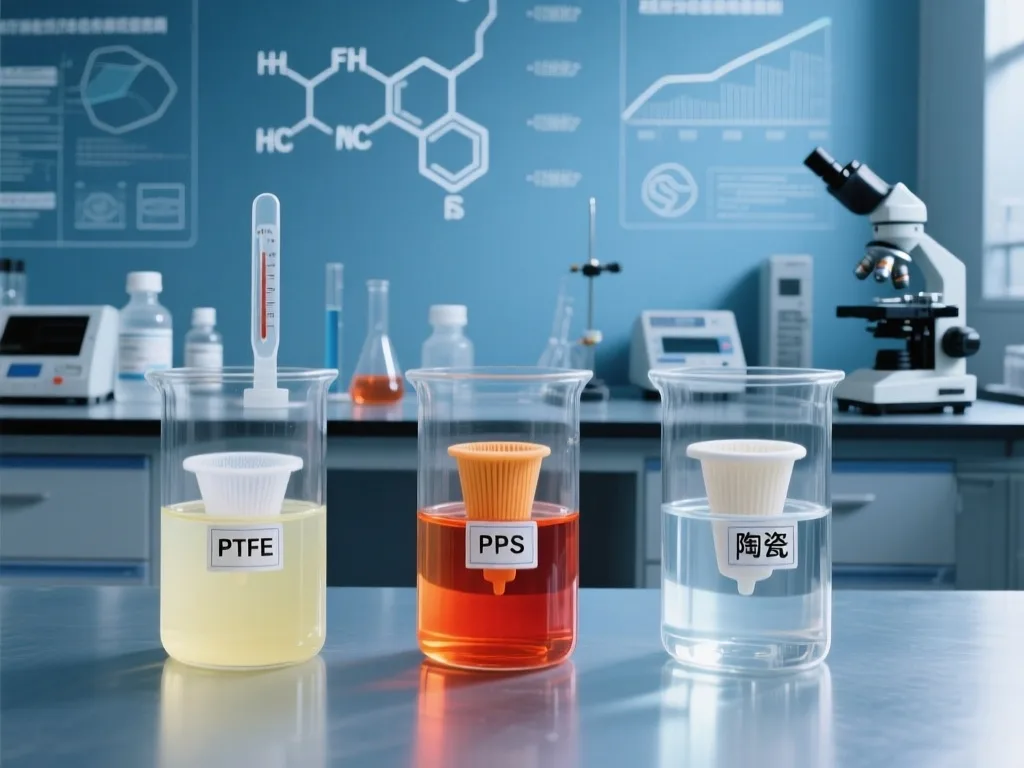
The chemical properties of the liquid being filtered—such as pH, temperature, viscosity, and reactivity—play a huge role in determining which filter material is suitable. For example, if you’re filtering a highly acidic solution, a standard stainless steel filter might corrode over time, leading to leaks and contamination. On the other hand, a filter made from PTFE (polytetrafluoroethylene) or another acid-resistant material would be far more durable in such conditions. Similarly, if you’re dealing with high-temperature liquids, you need a filter material that can withstand those temperatures without degrading. Materials like PPS (polyphenylene sulfide) or certain ceramics are often used in high-temperature applications because they maintain their structural integrity even under extreme heat. Viscosity is another key factor. Thicker liquids require filters with larger pore sizes or specialized designs to prevent clogging and ensure consistent flow rates. If you ignore viscosity when selecting your filter, you might end up with a system that’s constantly clogged or requires frequent maintenance, driving up operational costs and downtime.
The Consequences of Incompatible Materials
Using incompatible materials in your industrial liquid filters can lead to a host of problems, some of which are immediately apparent while others creep up over time. One of the most common issues is chemical degradation. When a filter material reacts with the liquid it’s supposed to filter, it can break down, releasing particles into the liquid stream. This not only contaminates your product but can also damage downstream equipment, leading to costly repairs or replacements. Corrosion is another major risk. If your filter material isn’t resistant to the chemicals in your liquid, it can corrode, weakening the filter structure and potentially causing leaks. In some cases, corrosion can even create holes in the filter, allowing unfiltered liquid to pass through—a serious safety and quality concern. Then there’s the issue of efficiency. Incompatible materials can reduce filtration efficiency by clogging more quickly or failing to capture contaminants effectively. This means you’ll need to replace filters more frequently, increasing maintenance costs and downtime. In extreme cases, incompatible materials can even pose safety hazards, such as chemical reactions that generate heat or toxic gases. Imagine the consequences of a filter failing in a hazardous chemical processing plant—it’s not a risk worth taking.
How to Choose the Right Material for Your Application
So, how do you avoid these pitfalls and choose the right filter material for your industrial liquid filtration needs? Start by thoroughly analyzing the chemical properties of the liquid you’re filtering. Consider factors like pH, temperature, viscosity, and reactivity. Next, research filter materials that are known to perform well under those conditions. For example, if you’re filtering a strong acid, look for filters made from PTFE, PVC, or other acid-resistant materials. If you’re dealing with high temperatures, consider PPS, ceramic, or metal filters designed for thermal stability. Don’t forget to factor in the specific contaminants you’re trying to remove. Some materials are better at capturing certain types of particles than others. For instance, if you’re filtering fine particulates, you might need a filter with a smaller pore size or a multi-layer design to ensure effective capture. It’s also worth consulting with filter manufacturers or industry experts. They can provide valuable insights into which materials are best suited for your application based on real-world experience and testing. Many manufacturers offer material compatibility charts or guides that can help you make an informed decision. Finally, consider the long-term costs. While a cheaper filter might seem like a good deal upfront, if it’s not compatible with your liquid, you could end up spending far more on replacements, maintenance, and potential downtime. Investing in a high-quality, compatible filter upfront can save you money and headaches in the long run.
Maintenance Requirements: The Long-Term Impact of Industrial Liquid Filter Selection
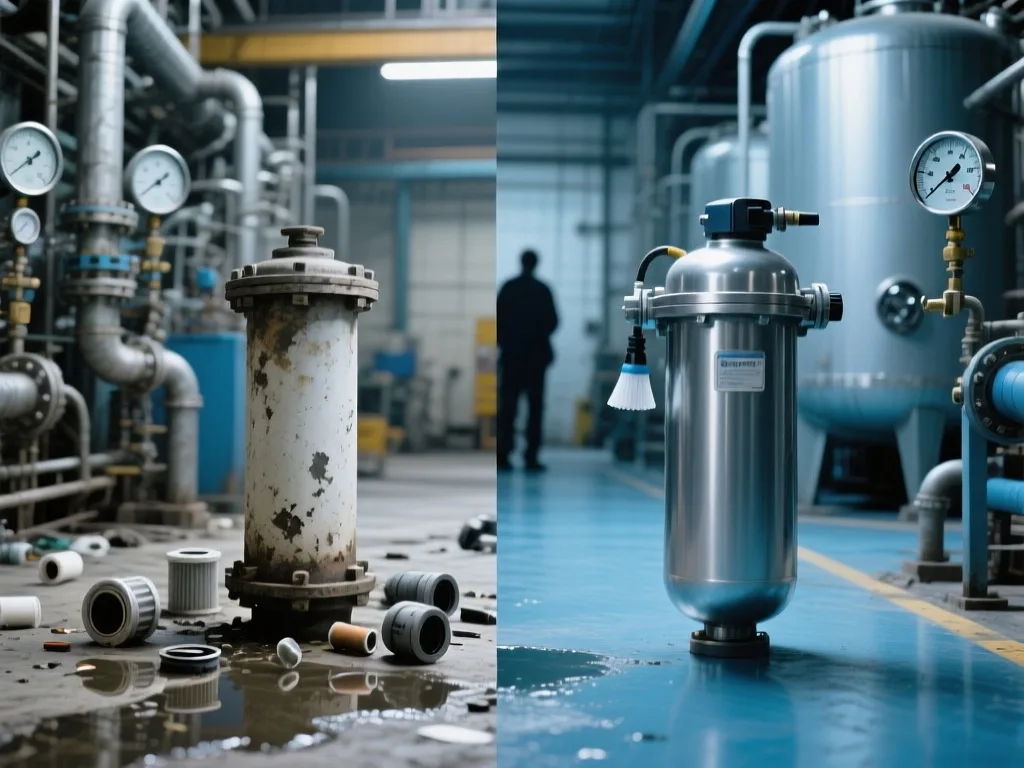
When it comes to selecting industrial liquid filters, maintenance requirements are often overlooked but play a pivotal role in determining the long-term success and cost-effectiveness of your filtration system. After all, a filter that performs exceptionally well initially but demands excessive maintenance or frequent replacements can quickly become a financial burden. So, how do you navigate the complexities of maintenance requirements to make an informed choice? Let’s delve into the key aspects: cleaning, replacement frequency, and operational costs. First and foremost, cleaning is a fundamental maintenance task that varies significantly depending on the filter type and material. Some filters, like those made from stainless steel or certain synthetic materials, are designed to withstand rigorous cleaning processes, including backwashing or chemical cleaning, without compromising their structural integrity or filtration efficiency. On the other hand, disposable filters or those made from delicate materials may require more gentle handling or even replacement after each use, especially in applications involving highly corrosive or abrasive liquids. Understanding the cleaning requirements of your chosen filter is crucial for maintaining optimal performance and extending its lifespan. Next, replacement frequency is another critical factor to consider. No filter lasts forever, and the rate at which a filter needs to be replaced depends on several factors, including the quality of the liquid being filtered, the operating conditions, and the filter’s inherent durability. For instance, in applications where the liquid contains high levels of particulate matter or contaminants, filters may clog more quickly, necessitating more frequent replacements. Similarly, filters operating under extreme temperatures or pressures may experience accelerated wear and tear, reducing their useful life. By assessing these factors upfront, you can select a filter that offers a balance between performance and longevity, minimizing the need for frequent replacements and associated downtime. For more in-depth insights on filter durability and performance under extreme conditions, you can refer to this research paper.
Operational Costs: The Hidden Expense
Operational costs encompass not only the initial purchase price of the filter but also the ongoing expenses associated with its maintenance, cleaning, and replacement. While it may be tempting to opt for the cheapest filter available, this decision can often backfire in the long run. Cheap filters may require more frequent replacements, leading to higher cumulative costs over time. Additionally, they may not offer the same level of filtration efficiency or durability as their more expensive counterparts, potentially compromising the quality of your final product or process. Therefore, it’s essential to consider the total cost of ownership (TCO) when selecting an industrial liquid filter. This includes evaluating the filter’s purchase price, expected lifespan, maintenance requirements, and any potential downtime or production losses associated with filter changes. By taking a holistic approach to cost analysis, you can identify filters that offer the best value for money, ensuring long-term savings and operational efficiency.
Case Study: The Impact of Maintenance on Filter Selection
To illustrate the importance of maintenance requirements in filter selection, let’s consider a real-world example. A manufacturing company specializing in the production of chemicals was facing frequent filter clogs and high replacement costs in their liquid filtration system. After conducting a thorough analysis, they discovered that the filters they were using were not compatible with the chemical properties of the liquid being filtered, leading to accelerated degradation and clogging. By switching to a filter made from a more chemically resistant material and implementing a regular cleaning schedule, they were able to significantly reduce replacement frequency and operational costs, while also improving filtration efficiency and product quality. This case study highlights the critical role that maintenance requirements play in filter selection and the potential benefits of choosing the right filter for your specific application. For further reading on the impact of chemical properties on filter selection, you can explore this scientific article.
Best Practices for Maintenance Management
To ensure the longevity and optimal performance of your industrial liquid filters, it’s essential to implement a comprehensive maintenance management strategy. This includes establishing a regular cleaning schedule based on the filter’s specific requirements, monitoring filter performance and pressure differentials to detect clogs or degradation early, and keeping an inventory of replacement filters to minimize downtime during changes. Additionally, training your staff on proper filter handling and maintenance procedures can help prevent accidental damage and ensure consistent performance. By following these best practices, you can maximize the lifespan of your filters, reduce operational costs, and maintain a high level of filtration efficiency.
In conclusion, choosing the right industrial liquid filters involves evaluating filtration efficiency, material compatibility, and maintenance demands. By considering these factors, you can select filters that align perfectly with your application requirements, ensuring peak performance and cost-effectiveness. Assess your specific needs carefully before making a purchase. For further guidance or to explore our range of high-efficiency industrial liquid filters, contact our experts today. What other filtration challenges are you facing?