
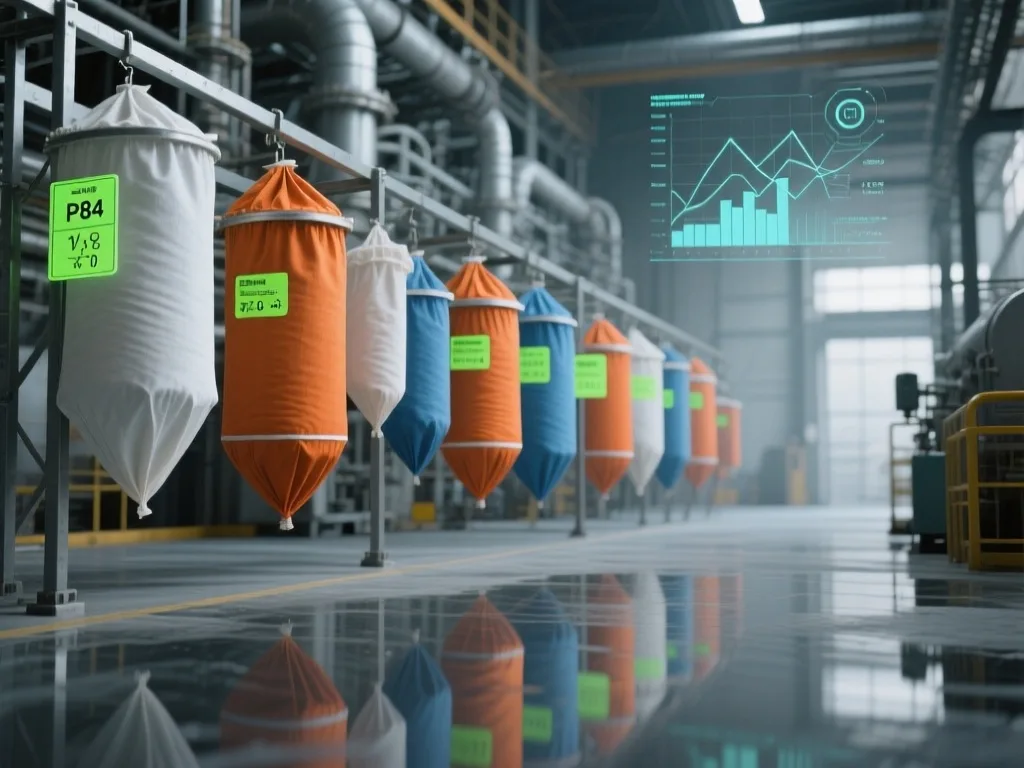
Selecting the optimal filtration solution for your industrial operations can be challenging, especially with the variety of options available. The P84 filter bag stands out for its exceptional performance in demanding environments, offering superior temperature resistance and chemical compatibility. But how do you determine which P84 filter bag is best suited for your specific needs? This comprehensive guide will walk you through the essential factors to consider, ensuring you make an informed decision that enhances efficiency and reduces maintenance costs. Let’s dive into the world of P84 filter bags and uncover the secrets to selecting the perfect match for your industrial requirements.
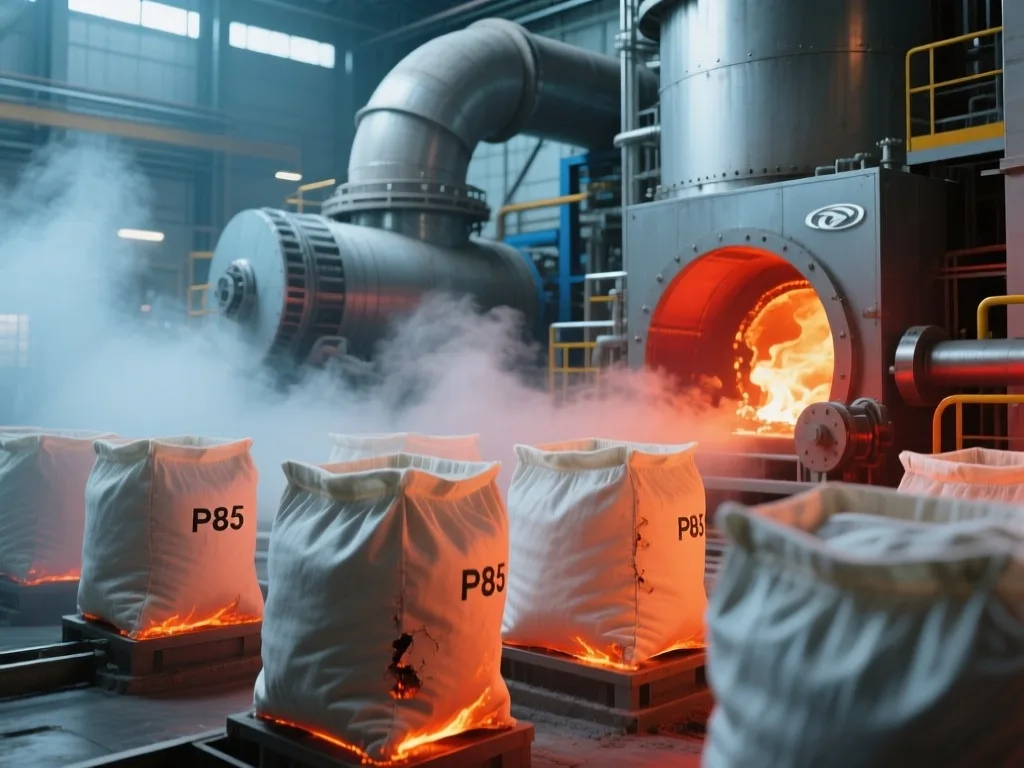
Key Features of P84 Filter Bags and Their Impact on Industrial Performance
When it comes to selecting the right P84 filter bag for your industrial needs, understanding its key features is crucial. Two of the most important factors to consider are temperature resistance and chemical compatibility. These characteristics not only determine the bag’s durability but also its effectiveness in specific industrial settings. Let’s dive deeper into how these features influence performance and why they matter so much for your filtration system.
Temperature Resistance: A Game-Changer for High-Heat Applications
One of the standout features of P84 filter bags is their exceptional temperature resistance. Unlike traditional filter materials, P84 can withstand continuous operating temperatures up to 260°C (500°F) and short-term exposure to even higher temperatures. This makes them ideal for industries like cement production, metallurgy, and incineration, where extreme heat is a constant challenge. For instance, in a cement plant, the clinker cooler generates intense heat that can degrade ordinary filter bags quickly. By using P84 filter bags, you can significantly reduce downtime and replacement costs while maintaining consistent airflow and filtration efficiency. The ability to handle high temperatures also prevents thermal shrinkage, which could otherwise lead to bag failure or reduced performance over time.
Chemical Compatibility: Ensuring Longevity in Corrosive Environments
Another critical feature of P84 filter bags is their chemical resistance. These bags are designed to resist a wide range of chemicals, including acids, alkalis, and organic solvents. This makes them suitable for industries like chemical processing, pharmaceuticals, and waste-to-energy plants, where exposure to corrosive substances is common. For example, in a chemical manufacturing facility, the filtration system may encounter aggressive gases or liquids that could damage less resilient materials. P84’s chemical stability ensures that the filter bags remain intact and functional even under harsh conditions, extending their lifespan and reducing maintenance frequency. Additionally, this compatibility minimizes the risk of chemical reactions that could compromise air quality or safety standards.
How Temperature and Chemical Resistance Work Together
While temperature resistance and chemical compatibility are often discussed separately, their combined effect is what truly sets P84 filter bags apart. In many industrial settings, both factors play a role simultaneously. Take, for instance, a power plant that burns coal or biomass. The combustion process generates not only high temperatures but also acidic gases like sulfur dioxide (SO₂). A filter bag that can handle both the heat and the chemical attack will perform far better than one that excels in only one area. By choosing P84, you’re investing in a solution that addresses both challenges head-on, ensuring reliable operation and minimizing the need for frequent replacements or repairs. This dual resilience also translates to cost savings over time, as you spend less on maintenance and downtime.
Real-World Applications: Where P84 Shines Brightest
To truly appreciate the value of P84 filter bags, let’s look at some real-world examples. In the cement industry, these bags are widely used in baghouses to capture dust from clinker production. The combination of high temperatures and abrasive particles makes this a demanding environment, but P84’s durability ensures consistent performance. Similarly, in incineration plants, where flue gas temperatures can soar and corrosive compounds are present, P84 bags provide reliable filtration without degradation. Even in food processing, where hygiene and chemical resistance are paramount, P84’s non-absorbent properties make it an excellent choice for capturing fine particles without risking contamination. These examples highlight how P84’s features translate into tangible benefits across diverse industries.
Why These Features Matter for Your Bottom Line
At the end of the day, the goal of any filtration system is to operate efficiently while minimizing costs. P84 filter bags help achieve this by reducing the frequency of replacements, lowering maintenance expenses, and preventing unplanned downtime. Their ability to withstand extreme conditions means fewer interruptions in production, which directly impacts your profitability. Moreover, by choosing a material that’s both temperature-resistant and chemically compatible, you’re future-proofing your system against potential changes in operating conditions or regulatory requirements. This proactive approach ensures that your filtration setup remains effective and compliant for years to come, giving you peace of mind and a competitive edge.
Step-by-Step Guide to Evaluating P84 Filter Bags
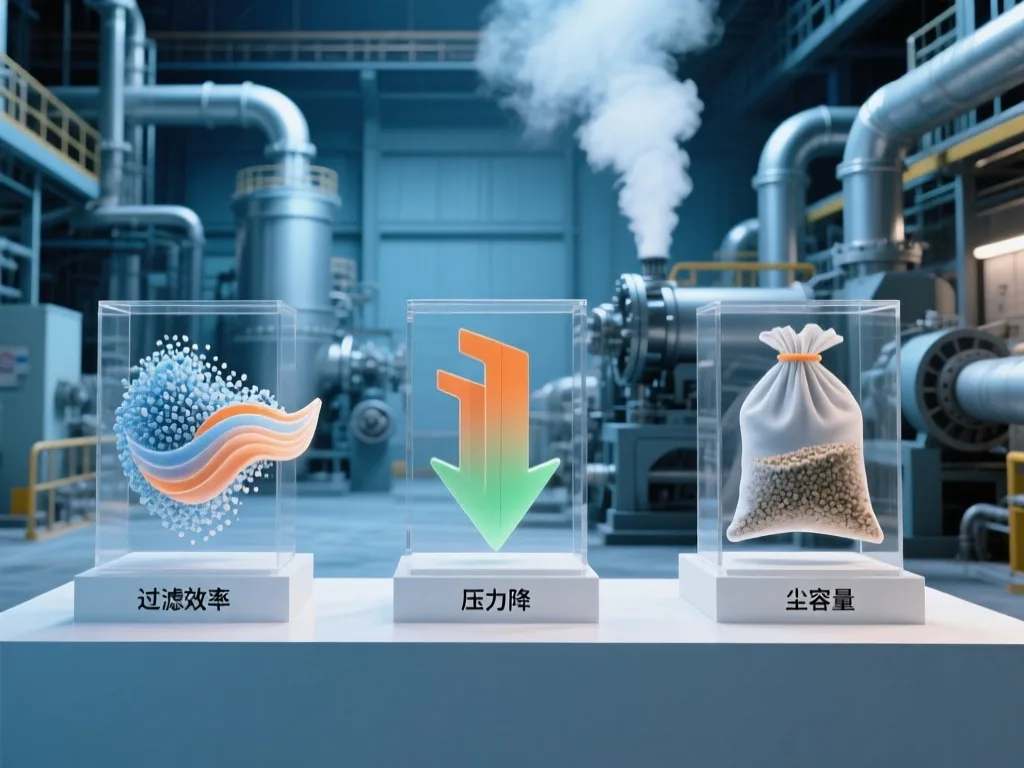
Choosing the right P84 filter bag for your industrial needs involves more than just picking a product off the shelf. To ensure optimal performance and longevity, you need to evaluate these filter bags based on three critical factors: filtration efficiency, pressure drop, and dust holding capacity. Let’s break down each of these factors and explore how they apply across different industries, giving you the confidence to make an informed decision.
Filtration Efficiency: The First Line of Defense
Filtration efficiency is perhaps the most critical factor when evaluating P84 filter bags. It refers to the bag’s ability to capture particles of a specific size, typically measured in microns. High filtration efficiency means fewer particles escape into the environment, ensuring cleaner air and compliance with regulatory standards. In industries like pharmaceuticals or food processing, where purity is paramount, a P84 filter bag with a high filtration efficiency rating is essential. For example, a pharmaceutical plant might require a filter bag capable of capturing particles as small as 0.3 microns to prevent contamination of sensitive products. On the other hand, a cement plant might prioritize durability over ultra-fine filtration, but still needs a bag that can handle coarse particles effectively. When evaluating filtration efficiency, look for ratings provided by the manufacturer and consider conducting your own tests under real-world conditions to verify performance. For more insights on particle size distribution and its impact on filtration, you can explore studies like this one.
Pressure Drop: Balancing Performance and Energy Use
Pressure drop is another key consideration when selecting a P84 filter bag. It refers to the resistance the filter bag offers to airflow, measured in inches of water gauge (in. w.g.). A high pressure drop means the fan or blower has to work harder to push air through the filter, leading to increased energy consumption and higher operational costs. In industries like power generation or steel manufacturing, where large volumes of air are processed continuously, even a small increase in pressure drop can translate into significant energy savings over time. For instance, a power plant might switch to a P84 filter bag with a lower pressure drop rating and see a noticeable reduction in electricity usage for their air filtration system. When evaluating pressure drop, consider not only the initial rating but also how it changes over time as the filter bag collects dust. Some bags are designed to maintain a low pressure drop even as they approach their dust holding capacity, providing consistent performance throughout their lifespan. For a deeper understanding of pressure drop models and their applications, refer to this resource.
Dust Holding Capacity: Maximizing Filter Life
Dust holding capacity refers to the amount of dust a P84 filter bag can hold before it needs to be replaced or cleaned. This factor is particularly important in industries that generate large volumes of dust, such as mining, cement production, or woodworking. A high dust holding capacity means fewer filter changes, reducing downtime and maintenance costs. For example, a woodworking shop might choose a P84 filter bag with a high dust holding capacity to minimize the frequency of filter changes, allowing them to focus more on production and less on maintenance. When evaluating dust holding capacity, consider the type of dust your industry generates. Some dusts, like those from metalworking or chemical processing, can be more abrasive or corrosive, requiring a filter bag with a higher capacity to withstand these conditions. Additionally, look for bags that are designed to release dust easily during cleaning, as this can extend their lifespan and improve overall performance.
Real-World Examples: Putting Theory into Practice
To see how these factors play out in real-world scenarios, let’s look at a few examples from different industries. In the cement industry, where dust is coarse and abrasive, a P84 filter bag with a high dust holding capacity and moderate filtration efficiency is often ideal. This allows the bag to capture the majority of dust particles while withstanding the abrasive nature of cement dust. In contrast, a pharmaceutical plant might prioritize a P84 filter bag with ultra-high filtration efficiency to ensure product purity, even if it means a slightly higher pressure drop. Meanwhile, a power plant might focus on finding a balance between filtration efficiency and pressure drop to optimize energy use while still meeting regulatory requirements for emissions. By understanding how these factors interact in different industrial settings, you can tailor your selection of P84 filter bags to meet your specific needs. For more information on the characteristics of dust in various industries, you can refer to this study.
Comparing P84 Filter Bag Brands and Models: What You Need to Know
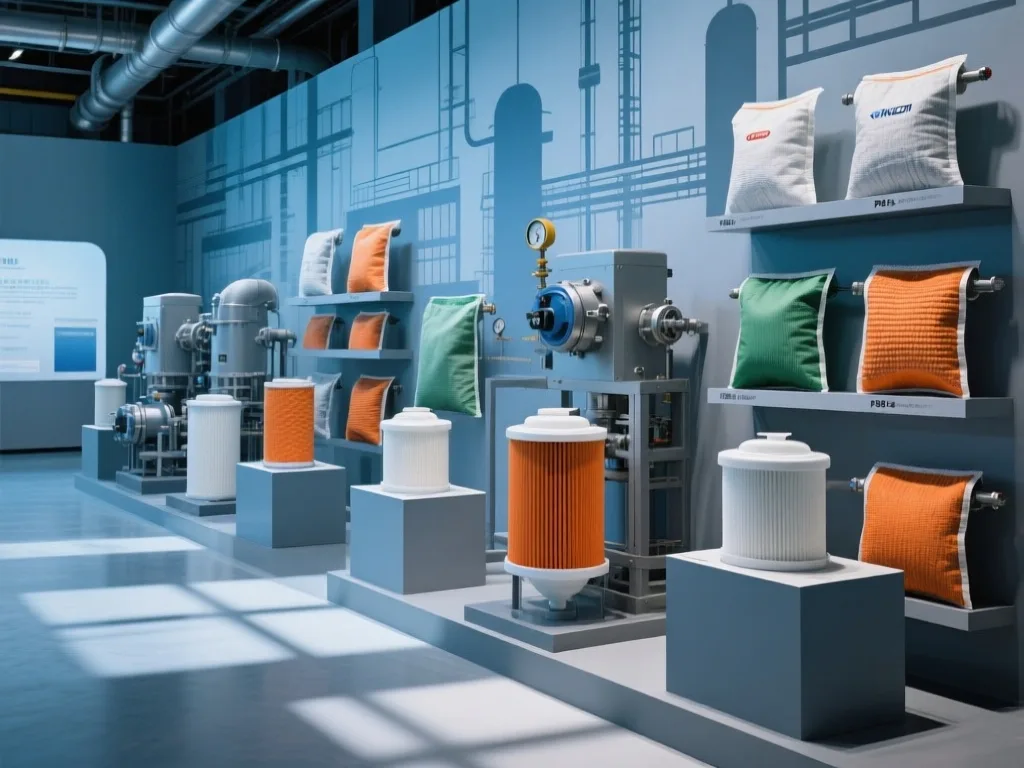
When it comes to selecting the right P84 filter bag for your industrial filtration needs, comparing different brands and models is crucial. But how do you make an informed decision amidst the myriad of options available? Let’s dive into practical tips focusing on material construction, lifespan, and maintenance requirements to guide you through this process. First and foremost, understanding the material construction of P84 filter bags is paramount. Different brands may use varying blends of P84 fibers, along with other materials like polyester or PTFE, to enhance specific properties. For instance, a higher percentage of P84 fibers typically indicates better temperature resistance and chemical stability, making it ideal for high-temperature applications or environments with corrosive substances. On the other hand, blending with polyester can improve the bag’s mechanical strength and abrasion resistance, extending its lifespan in abrasive conditions. Therefore, when comparing brands, pay close attention to the material composition and how it aligns with your industrial requirements.
Assessing Lifespan Expectations
Lifespan is another critical factor to consider when comparing P84 filter bag brands. The durability of a filter bag directly impacts your operational costs and downtime. Generally, a well-constructed P84 filter bag can last anywhere from 12 to 36 months, depending on usage conditions and maintenance practices. However, this lifespan can vary significantly between brands. Some manufacturers may use advanced manufacturing techniques or proprietary coatings to enhance the bag’s resistance to wear and tear, thereby extending its service life. To accurately assess lifespan expectations, look for brands that provide detailed lifespan data based on real-world testing or industry-specific case studies. For more insights on dust collector systems and filter bag lifespan, you can refer to this comprehensive guide. This information can give you a clearer picture of how the filter bag will perform in your specific environment.
Maintenance Requirements and Ease of Use
Maintenance requirements are often overlooked but are equally important in the selection process. A P84 filter bag that requires frequent cleaning or replacement can quickly become a financial burden and disrupt your production schedule. Therefore, when comparing brands, consider the ease of maintenance and the recommended cleaning procedures. Some brands may offer self-cleaning mechanisms or easy-to-remove designs that simplify the maintenance process. Additionally, inquire about the availability of spare parts and the manufacturer’s support services. A responsive and knowledgeable support team can make a significant difference when troubleshooting issues or performing routine maintenance.
Real-World Examples and Industry Cases
To further illustrate the importance of comparing brands and models, let’s look at a real-world example. In a cement plant, where high temperatures and abrasive particles are common, selecting a P84 filter bag with a high percentage of P84 fibers and a robust polyester backing can significantly improve filtration efficiency and extend the bag’s lifespan. On the other hand, in a chemical processing plant dealing with corrosive substances, a P84 filter bag with a PTFE coating may be more suitable due to its excellent chemical resistance. For more information on the application of P84 filter bags in different industries, visit this knowledge base. By examining industry-specific cases and understanding the unique challenges each environment presents, you can make a more informed decision when comparing brands and models.
Making the Final Decision
Ultimately, the decision to choose a particular brand or model of P84 filter bag should be based on a comprehensive evaluation of material construction, lifespan expectations, and maintenance requirements. Don’t hesitate to reach out to manufacturers for detailed product specifications, technical support, and even sample testing. Remember, the right P84 filter bag can not only improve your filtration efficiency but also reduce operational costs and downtime in the long run. So, take the time to compare and contrast different options, and choose the one that best fits your industrial needs.
The P84 filter bag is a powerful tool in optimizing industrial filtration systems, but its effectiveness hinges on selecting the right model for your specific needs. By considering factors like temperature resistance, chemical compatibility, and filtration efficiency, you can identify a P84 filter bag that delivers long-lasting performance and cost savings. Remember to evaluate brands based on material construction, lifespan, and maintenance requirements to make a well-rounded decision. Ready to take the next step? Explore our resources or consult with experts to find the ideal P84 filter bag for your operations. What other filtration challenges are you facing today?