
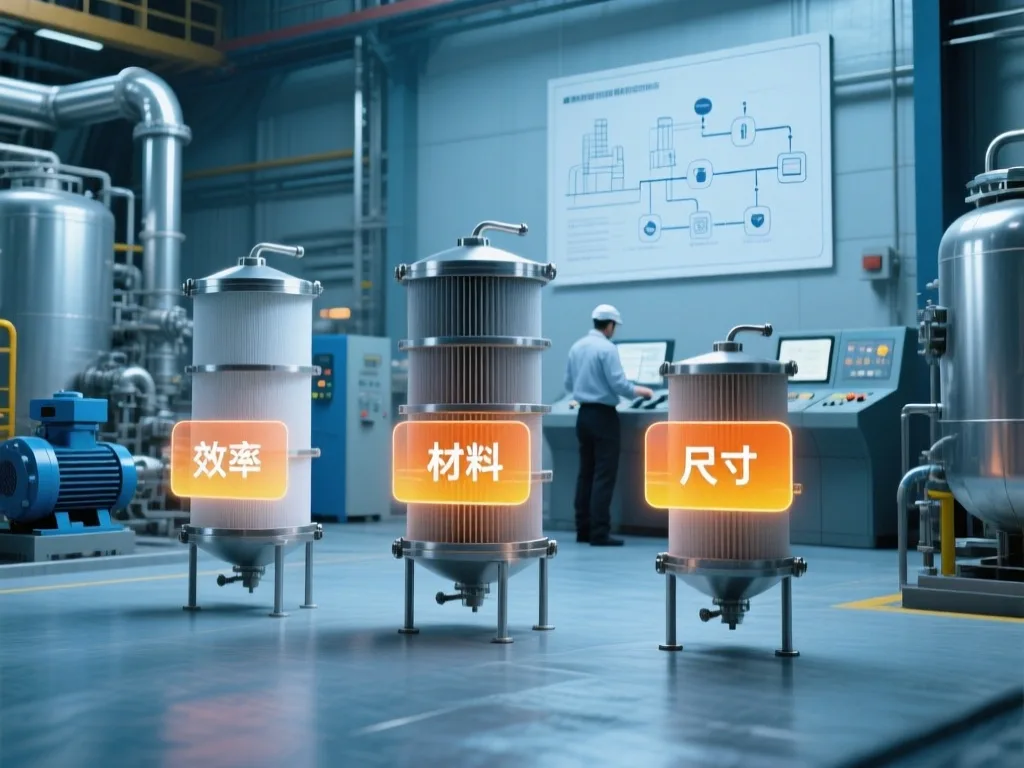
Selecting the right industrial bag filters is crucial for maintaining optimal performance in industrial filtration systems. Whether you’re an engineer, facility manager, or procurement specialist, understanding the key factors that influence filter selection can save time, reduce costs, and improve overall system efficiency. But with so many options available, how do you know which industrial bag filters are truly the best fit for your specific application? This guide will walk you through the essential considerations, from filtration efficiency to material compatibility, ensuring you make an informed decision every time.
Key Factors to Consider When Choosing Industrial Bag Filters
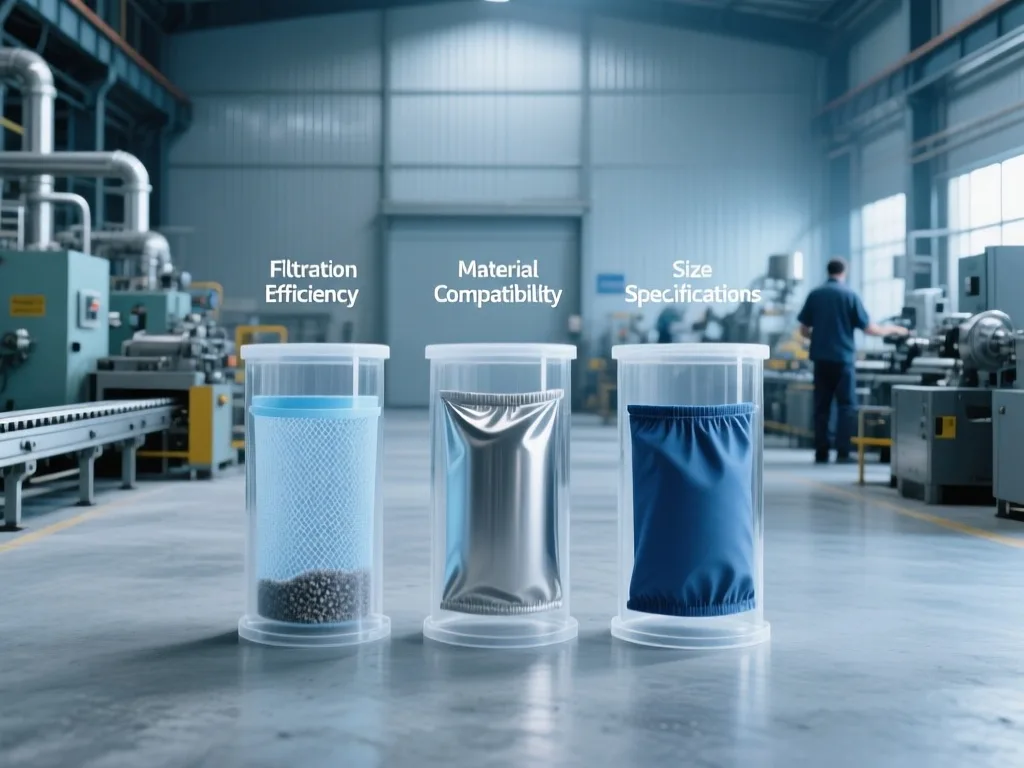
Choosing the right industrial bag filters isn’t just about picking a product off the shelf—it’s about understanding how each factor impacts your system’s performance and efficiency. Let’s break down the three most critical factors: filtration efficiency, material compatibility, and size specifications. Each plays a unique role in ensuring your filtration process runs smoothly, cost-effectively, and reliably. By mastering these elements, you’ll avoid common pitfalls and select filters that deliver long-term value. Ready to dive in? Let’s explore how these factors shape your decision-making process.
Filtration Efficiency: The Core of Performance
Filtration efficiency is the measure of how well a bag filter removes contaminants from your process stream. It’s typically expressed as a percentage—for example, a filter with 99.9% efficiency captures 99.9% of particles at a specific size. But why does this matter? Imagine you’re filtering lubricants in a manufacturing plant. If your filter misses even 0.1% of contaminants, those particles can wear down machinery, leading to costly repairs and downtime. Efficiency also ties directly to energy consumption. A clogged or inefficient filter forces your system to work harder, increasing power usage and operational costs. To optimize efficiency, consider the particle size distribution in your application. If you’re dealing with fine dust or submicron particles, you’ll need a filter with a high-efficiency rating and a tight micron rating. For coarser particles, a lower-efficiency filter might suffice, saving you money without sacrificing performance. Always match the filter’s efficiency to your specific needs—overengineering can be just as problematic as underengineering.
Material Compatibility: Avoiding Chemical Disasters
The materials used in your bag filter must withstand the chemical and physical demands of your process. This isn’t just about durability—it’s about safety and longevity. For example, if you’re filtering corrosive chemicals like acids or alkalis, you’ll need a filter made from polypropylene or PTFE, which resist chemical degradation. Using a nylon or polyester filter in such an environment could lead to catastrophic failure, contaminating your product and risking worker safety. Temperature resistance is another critical factor. Some filters degrade at high temperatures, while others become brittle in cold conditions. Always check the manufacturer’s specifications for temperature limits. If your process involves extreme temperatures, look for filters with specialized coatings or materials designed for thermal stability. Don’t forget about abrasion resistance. If your process stream contains sharp particles or high flow rates, choose a filter with reinforced seams or a thicker material to prevent premature wear. For a deeper understanding of material compatibility, refer to this chemical compatibility data sheet. Material compatibility isn’t a one-size-fits-all issue—it requires careful analysis of your unique operating conditions.
Size Specifications: Finding the Perfect Fit
Size specifications might seem straightforward, but they’re often overlooked until installation day. The dimensions of your bag filter—length, diameter, and collar type—must align perfectly with your filtration housing. A mismatch can lead to leaks, reduced flow rates, or even system failure. Start by measuring your existing housing or consulting the manufacturer’s guidelines. Pay attention to the filter’s length, as this affects the surface area available for filtration. A longer filter typically offers more capacity but requires a taller housing. Diameter is equally important—a filter that’s too wide won’t fit, while one that’s too narrow won’t maximize efficiency. Collar type is another critical detail. Some filters use snap rings, while others rely on flanges or cuffs. Using the wrong collar can prevent proper sealing, allowing unfiltered fluid to bypass the filter. If you’re unsure, ask the supplier for a compatibility chart or sample filters to test-fit before making a bulk purchase. Remember, size isn’t just about physical dimensions—it’s about ensuring seamless integration into your existing system. A well-sized filter operates at peak efficiency, reducing maintenance and extending service life.
How These Factors Impact System Efficiency
Now that we’ve covered each factor individually, let’s see how they interact to influence overall system efficiency. Filtration efficiency determines how clean your output is, directly affecting product quality and downstream processes. Material compatibility ensures your filter doesn’t degrade or fail prematurely, reducing downtime and replacement costs. Size specifications guarantee optimal flow rates and pressure drops, preventing energy waste and system strain. For example, a high-efficiency filter in the wrong material might clog quickly, forcing frequent replacements and increasing operational costs. Similarly, a perfectly compatible filter in the wrong size could restrict flow, reducing system throughput and efficiency. The key is balance—finding filters that excel in all three areas without overcompensating in one at the expense of others. This holistic approach minimizes total cost of ownership (TCO) while maximizing performance and reliability. Think of it like assembling a puzzle—each piece must fit perfectly to create a complete, functional picture. By prioritizing filtration efficiency, material compatibility, and size specifications, you’ll build a filtration system that delivers consistent, cost-effective results.
Step-by-Step Guide: Matching Industrial Bag Filters to Specific Applications
Choosing the right industrial bag filter for your specific application isn’t just about picking a product off the shelf—it’s about understanding your unique needs and matching them to the filter’s capabilities. This step-by-step guide will walk you through the process, ensuring you make an informed decision that enhances efficiency and reduces costs. Let’s dive in!
Step 1: Define Your Filtration Requirements
The first step is to clearly define what you need from your industrial bag filter. Start by asking: What contaminants are you trying to remove? Are they solid particles, liquid droplets, or a mix of both? What’s the size range of these particles? For example, in a cement plant, you might need to filter out fine dust particles, while in a chemical processing facility, you might be dealing with corrosive liquids. Understanding these details helps you narrow down the type of filtration media and construction materials needed.
Step 2: Assess Environmental Conditions
Next, consider the environmental conditions where the filter will operate. Will it be exposed to high temperatures, extreme humidity, or corrosive chemicals? For instance, if you’re filtering hot gases in a power plant, you’ll need a filter that can withstand temperatures up to 500°F without degrading. Similarly, in a food processing plant, you might need a filter that meets FDA standards for hygiene and is resistant to cleaning agents. These factors influence the choice of filter materials and design. For more insights on selecting filters for extreme conditions, refer to this research article on industrial filtration.
Step 3: Determine Flow Rate and Pressure Drop
Flow rate and pressure drop are critical performance metrics. The flow rate is the volume of air or liquid passing through the filter per unit time, usually measured in cubic feet per minute (CFM) or liters per second (L/s). The pressure drop is the resistance the filter offers to the flow, which affects energy consumption. A high-pressure drop means your system has to work harder, increasing energy costs. For example, in a HVAC system, a filter with a low pressure drop is essential to maintain airflow while keeping energy use in check. Calculate your required flow rate and acceptable pressure drop to guide your selection.
Step 4: Evaluate Filter Media Options
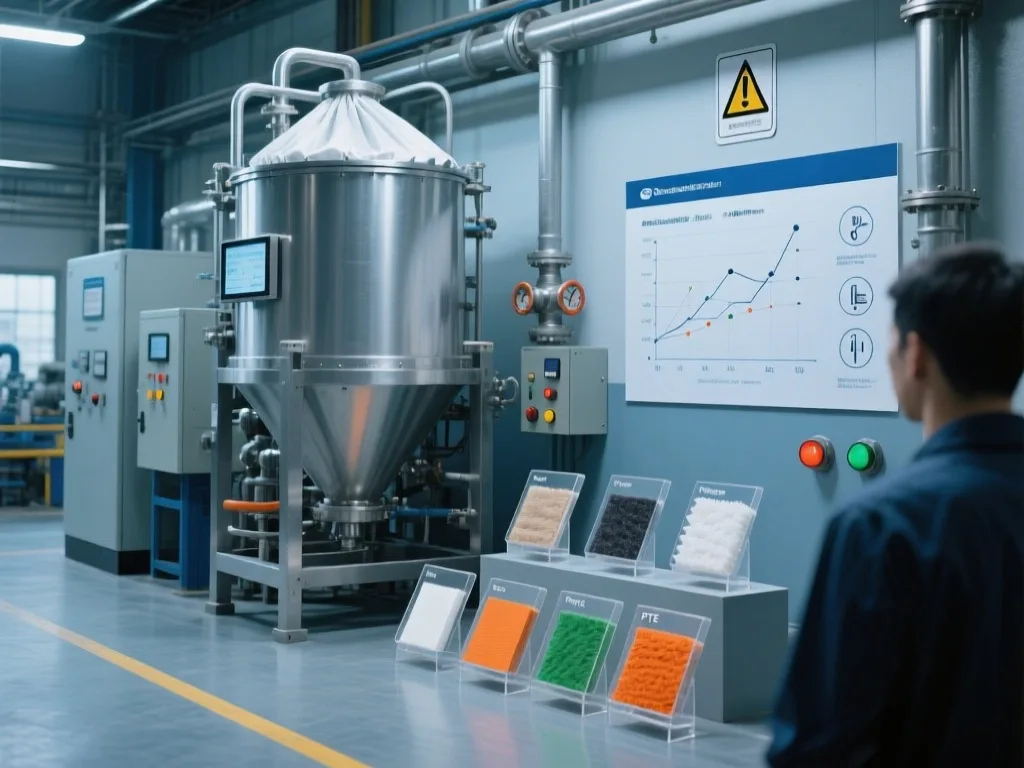
The filter media is the heart of the bag filter, determining its efficiency and lifespan. Common materials include polyester, polypropylene, nomex, and PTFE. Each has its strengths: polyester is cost-effective and durable for general-purpose filtration; polypropylene resists chemicals and moisture; nomex handles high temperatures; and PTFE is ideal for corrosive environments. For example, a pharmaceutical company might choose PTFE filters for their sterile processing lines due to their chemical resistance and low extractables. Match the media to your application’s demands.
Step 5: Consider Size and Configuration
Size matters when it comes to industrial bag filters. The filter’s dimensions must fit your existing ductwork or housing, and its configuration (e.g., top-load, bottom-load, or pleated) affects installation and maintenance. A top-load design might be easier to access for cleaning, while a pleated filter offers more surface area in a compact space. For instance, in a confined space like a ship’s engine room, a compact, pleated filter could save valuable room while maintaining performance. Ensure the filter’s size and configuration align with your spatial and operational constraints.
Case Study: Chemical Processing Plant
Let’s look at a real-world example. A chemical processing plant needed to filter corrosive vapors at high temperatures. Their initial choice of a standard polyester filter failed within weeks due to chemical degradation. After consulting with experts, they switched to a PTFE-coated nomex filter, which withstood the harsh conditions and lasted over a year. This change reduced downtime and maintenance costs significantly. The lesson? Always match the filter material to the application’s chemical and thermal demands.
Case Study: Food Manufacturing Facility
Another example: a food manufacturing facility wanted to improve air quality in their packaging area to meet health regulations. They initially used a low-efficiency filter, which allowed fine particles to escape, leading to product contamination. By upgrading to a high-efficiency MERV 16 polyester filter, they captured 95% of particles down to 0.3 microns, ensuring clean air and compliant products. This case highlights the importance of choosing a filter with the right efficiency rating for your specific needs.
Practical Tips for Evaluating Industrial Bag Filter Options
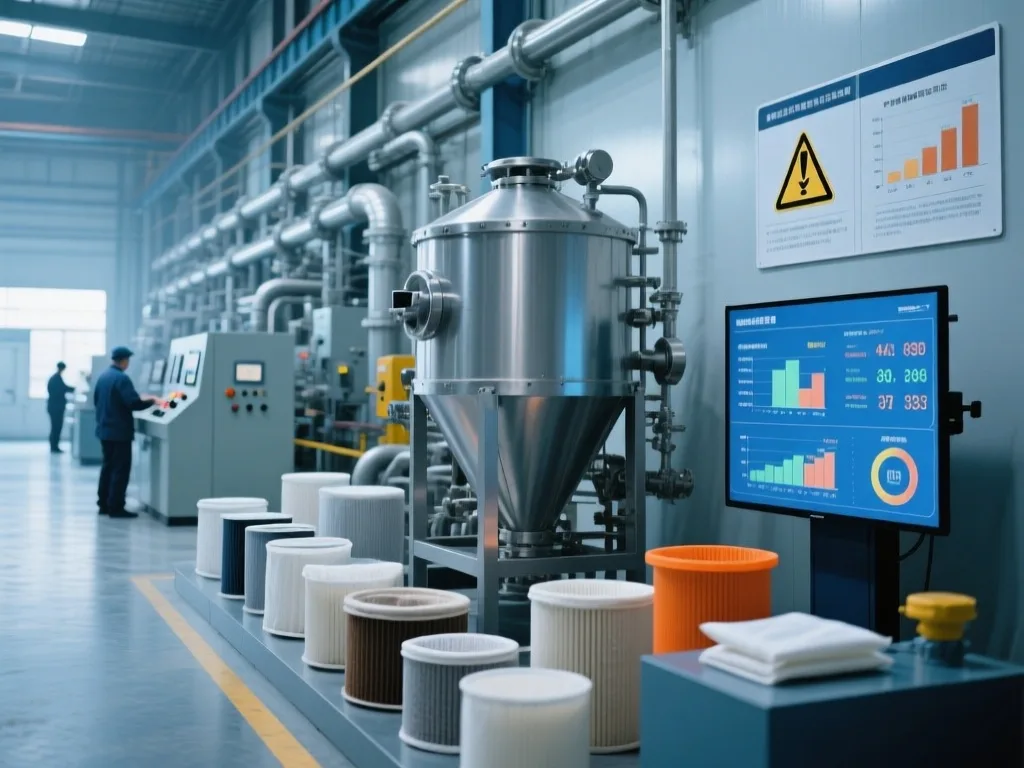
Choosing the right industrial bag filter isn’t just about picking the first option that comes up in a search—it’s about understanding your specific needs and evaluating options with a critical eye. Whether you’re filtering fine dust, chemical fumes, or large particulates, the right bag filter can significantly impact your system’s efficiency and longevity. Here’s how to approach the evaluation process like a pro. First, start by clearly defining your filtration requirements. What contaminants are you dealing with? What flow rate does your system require? Are there any temperature or pressure constraints? These questions will help you narrow down your options and avoid over- or under-engineering your solution. For example, if you’re working with corrosive gases, you’ll need a filter material that can withstand chemical exposure without degrading. Next, compare filtration efficiency ratings. Not all filters are created equal—some are designed for high-efficiency particulate air (HEPA) applications, while others prioritize cost-effectiveness over precision. Look for manufacturers that provide detailed performance data, including pressure drop measurements and particle retention rates. For deeper insights into filter performance, you may refer to this study on filter media comparison. This information will help you assess how well a filter performs under real-world conditions. Don’t forget to consider the filter’s lifespan and maintenance requirements. A cheaper filter might seem like a good deal upfront, but if it needs frequent replacement or cleaning, it could end up costing more in the long run. Ask suppliers about the expected service life of their filters and whether they offer any warranties or guarantees. This can give you peace of mind and protect your investment. Finally, don’t underestimate the value of hands-on testing. If possible, request samples or trial units to evaluate how well a filter performs in your specific environment. Pay attention to factors like ease of installation, compatibility with existing equipment, and any operational disruptions during filter changes. A filter that looks great on paper might not hold up as well in practice, so real-world testing is crucial.
The Role of Expert Consultation in Filter Selection
While doing your own research is important, consulting with experts or suppliers can take your decision-making process to the next level. These professionals have in-depth knowledge of industrial bag filters and can provide insights that you might not find in product brochures or online reviews. For instance, they can help you interpret technical specifications, recommend filters based on your industry’s unique challenges, and even suggest custom solutions if off-the-shelf options don’t meet your needs. When reaching out to experts, be prepared with detailed information about your application. The more they know about your system’s requirements, the better they can tailor their recommendations. Ask about their experience with similar projects, whether they’ve encountered any common pitfalls, and how they’ve overcome them. This dialogue can reveal nuances that you might have overlooked and help you avoid costly mistakes down the line. Suppliers, in particular, can be valuable resources because they often have access to a wide range of products and can compare options from different manufacturers. They can also provide guidance on pricing, availability, and lead times, which are important factors when planning your procurement strategy. Just be sure to work with reputable suppliers who prioritize quality and customer service over simply making a sale.
Making the Final Decision: Balancing Cost, Performance, and Reliability
Once you’ve gathered all the information—from technical specs to expert advice—it’s time to weigh your options and make a decision. Start by creating a shortlist of filters that meet your basic requirements, then rank them based on criteria like cost, performance, and reliability. Consider creating a scoring system to objectively compare each option. For example, you might assign points for filtration efficiency, material durability, and ease of maintenance, then tally up the scores to see which filter comes out on top. Keep in mind that the cheapest option isn’t always the best value. A slightly more expensive filter that lasts twice as long or requires less maintenance could save you money over time. Similarly, a high-performance filter might be worth the extra cost if it prevents costly downtime or product contamination. For a broader understanding of filter media performance, you can explore academic research on filter media. Finally, don’t forget to factor in the supplier’s reputation and support. A great filter is only as good as the company behind it. Look for suppliers who offer responsive customer service, clear documentation, and reliable after-sales support. This can make a huge difference if you ever run into issues or need assistance with installation or troubleshooting. By taking a systematic approach to evaluating industrial bag filters and leveraging expert insights, you can make an informed decision that aligns with your operational goals and budget. Remember, the right filter isn’t just a component—it’s an investment in the efficiency and reliability of your entire system.
Choosing the right industrial bag filters doesn’t have to be overwhelming. By focusing on filtration efficiency, material compatibility, and size specifications, you can match filters to your specific needs with confidence. Remember, consulting with experts or suppliers can provide valuable insights and help you avoid costly mistakes. Ready to take the next step? Explore our range of industrial bag filters or contact our team for personalized assistance in selecting the perfect solution for your application.