
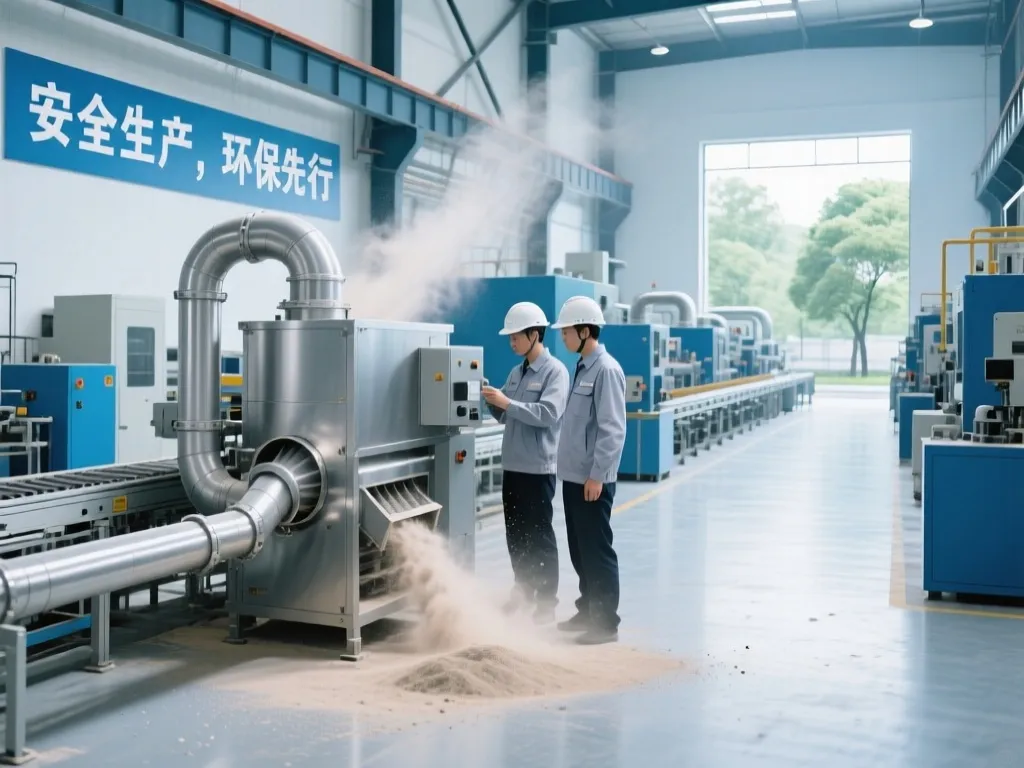
In the bustling world of industrial production, managing dust isn’t just about cleanliness—it’s a crucial step toward ensuring safety, efficiency, and employee well-being. But with so many dust collection systems on the market, how do you pick the one that fits your specific industrial scene like a glove? Whether you’re dealing with heavy-duty casting or delicate food processing, understanding the nuances of dust collection systems is key. So, let’s dive in and explore how to match your industrial needs with the perfect dust collection solution.
Understanding Dust Generation and Properties Across Industrial Sectors
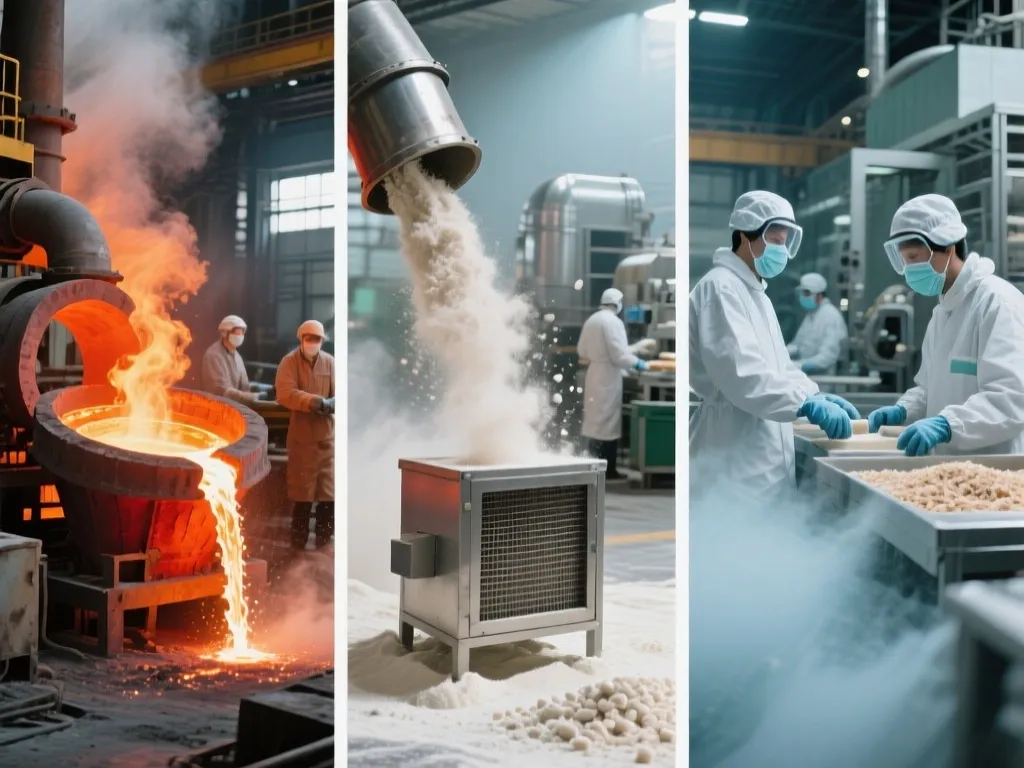
When it comes to selecting the right dust collection systems for your industrial operation, the first step is understanding the unique challenges posed by your specific sector. Not all dust is created equal, and the volume and nature of particulate matter can vary dramatically from one industry to another. Let’s dive into the specifics of dust generation and properties across different industrial landscapes, helping you make an informed decision that safeguards both your workforce and your bottom line. Heavy industries, such as foundries and metallurgical plants, are notorious for their high dust generation rates. In foundries, the process of melting and pouring metals generates significant amounts of fine metallic dust, which can be both abrasive and potentially toxic. Similarly, metallurgical operations involve the extraction and processing of metals, leading to the release of various particulates, including metal oxides and other byproducts. These environments demand robust dust collection systems capable of handling large volumes of dust, often with high filtration efficiency to capture fine particles. On the other end of the spectrum, light industries like food processing and textile manufacturing generate less dust, but that doesn’t mean they’re without their challenges. In food processing, dust can consist of flour, sugar, spices, and other ingredients, which, while generally non-toxic, can create a messy and potentially hazardous environment if not properly managed. Textile mills, meanwhile, produce airborne fibers and lint, which can cause respiratory issues and pose a fire risk if not controlled. For these sectors, dust collection systems need to be efficient at capturing fine particles while also being easy to clean and maintain to prevent contamination of the final product. But it’s not just about volume; the properties of dust can also vary greatly. Some dusts, like those found in woodworking or certain chemical processes, are highly flammable or explosive. In these cases, selecting explosion-proof dust collection systems is crucial to prevent catastrophic accidents. These systems are designed with spark-resistant components and explosion venting to ensure safety in environments where dust ignition is a real concern. Corrosive dusts, on the other hand, require dust collectors made from materials that can withstand chemical attack. For instance, in industries dealing with acidic or alkaline dusts, stainless steel or plastic components may be preferred over traditional steel to prevent corrosion and extend the lifespan of the equipment. Understanding the specific properties of dust in your industry is key to selecting a dust collection system that not only captures particulates effectively but also operates safely and efficiently over the long term.
High-Dust Generation Heavy Industries
In heavy industries like foundries and metallurgical plants, the sheer volume of dust generated can be staggering. These environments are characterized by high-temperature processes, abrasive materials, and often, the presence of toxic substances. Dust collection systems in these settings must be built to withstand harsh conditions, with heavy-duty filters capable of capturing fine particles and preventing them from escaping into the workspace or the environment. Additionally, regular maintenance and filter replacement are crucial to ensure ongoing performance and compliance with safety regulations.
Low-Dust Generation Light Industries
While light industries may not generate as much dust as their heavy counterparts, the dust they do produce can still pose significant challenges. In food processing, for example, even small amounts of airborne ingredients can contaminate products, leading to quality issues and potential health risks. Textile mills, meanwhile, must contend with the risk of fire from lint and fibers, as well as the potential for respiratory problems among workers. Dust collection systems in these sectors need to be finely tuned to capture specific types of particulates while also being easy to clean and maintain to prevent cross-contamination.
Special Properties of Dust: Flammability and Corrosion
Not all dust is created equal when it comes to safety risks. Some dusts, like those found in woodworking or certain chemical processes, are highly flammable or explosive, requiring specialized dust collection systems with explosion-proof features. These systems are designed to prevent ignition sources and contain any potential explosions, protecting both workers and equipment. Corrosive dusts, meanwhile, can wreak havoc on traditional dust collectors, leading to premature failure and costly repairs. Selecting materials that can withstand chemical attack is essential in these environments to ensure long-term reliability and performance.
Tailored Solutions: Dust Collection Systems for Specific Dust Characteristics
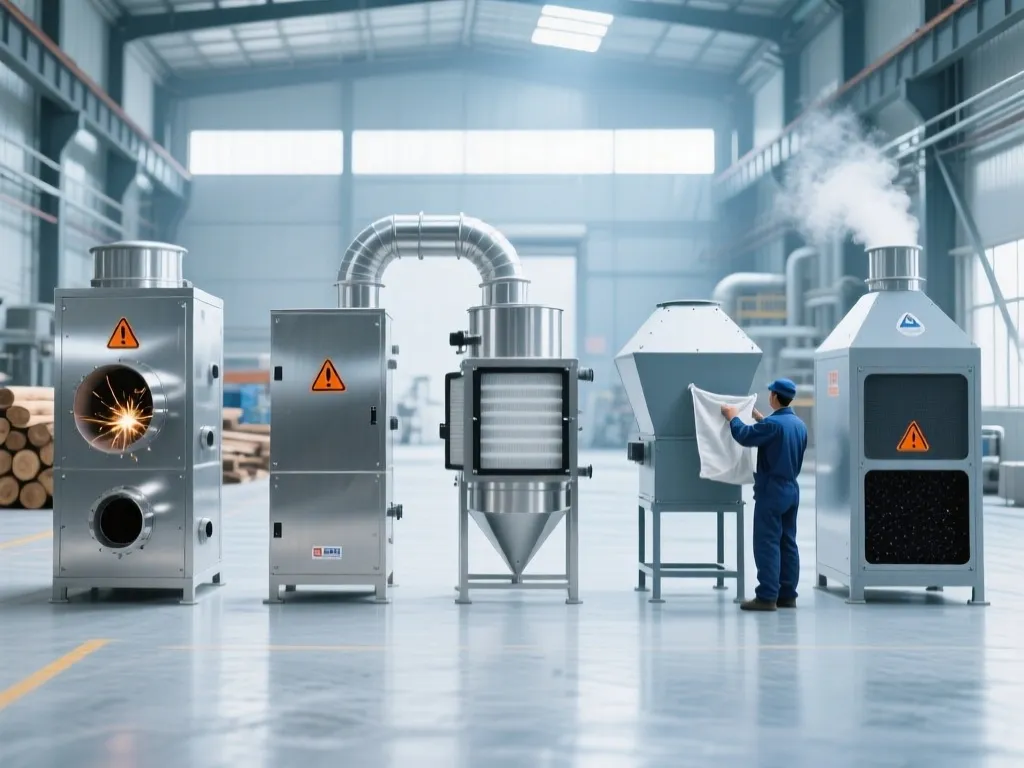
When it comes to selecting dust collection systems, understanding the unique properties of the dust generated in your industrial environment is crucial. Not all dust is created equal, and the characteristics of the dust can significantly influence the type of system you need. Let’s delve into the different types of dust collection systems tailored to specific dust properties, ensuring you make an informed decision that enhances safety, efficiency, and compliance.First up, explosion-proof dust collection systems. Imagine working in an environment where the dust particles are not just a nuisance but a potential fire hazard. Industries like woodworking, metal grinding, and certain chemical processing plants often face this challenge. The dust produced in these settings can be highly flammable, and a single spark could trigger a catastrophic explosion. That’s where explosion-proof dust collection systems come into play. These systems are designed with robust safety features, including spark-resistant materials, explosion vents, and advanced filtration technologies that prevent the accumulation of combustible dust. For industries like cement processing, where explosive dust is a concern, consider exploring our anti-static pulse jet baghouse for enhanced safety. By investing in an explosion-proof system, you’re not just protecting your employees and assets; you’re also complying with stringent safety regulations that could save your business from hefty fines and legal repercussions.Now, let’s shift our focus to corrosion-resistant dust collectors. Chemical processing plants, pharmaceutical manufacturing, and certain food processing facilities often deal with corrosive dust that can wreak havoc on standard dust collection equipment. These dust particles can contain acids, alkalis, or other reactive substances that, over time, can erode the internal components of a dust collector, leading to leaks, reduced efficiency, and even system failure. Corrosion-resistant dust collectors are engineered to withstand these harsh conditions. They feature materials like stainless steel, fiberglass-reinforced plastic, or specialized coatings that resist corrosion, ensuring long-term durability and reliable performance. By choosing a corrosion-resistant system, you’re safeguarding your investment and minimizing downtime due to maintenance or repairs.But what about industries that generate high volumes of fine dust, such as textile mills or cement plants? These environments require dust collection systems with high filtration efficiency to capture even the smallest particles. High-efficiency particulate air (HEPA) filters are often employed in these systems, offering filtration rates of up to 99.97% for particles as small as 0.3 microns. This level of filtration is essential for maintaining air quality, protecting employee health, and meeting regulatory standards. HEPA-equipped dust collectors are also beneficial in cleanroom environments, where maintaining a sterile atmosphere is paramount.On the flip side, some industries, like agriculture or bulk material handling, may produce dust that’s less hazardous but still requires effective collection to prevent air pollution and maintain a clean working environment. In these cases, a standard dust collection system with a baghouse or cartridge filter might suffice. These systems are cost-effective, easy to maintain, and can handle large volumes of dust without compromising performance. For CNC laser cutting operations, where fine dust is prevalent, our cartridge dust collector offers an efficient solution. However, it’s essential to regularly inspect and replace filters to ensure optimal airflow and filtration efficiency.Lastly, let’s not forget about industries that generate dust with specific odor or volatile organic compound (VOC) concerns, such as wastewater treatment plants or certain manufacturing processes. For these scenarios, activated carbon filters can be integrated into the dust collection system to adsorb odors and VOCs, improving indoor air quality and creating a more pleasant working environment. Activated carbon is highly porous and has a large surface area, making it an effective medium for capturing and neutralizing these unwanted compounds.
Explosion-Proof Systems: Safety First
Explosion-proof dust collection systems are a must-have in industries where combustible dust is a constant threat. These systems are designed to prevent explosions by incorporating features like spark arrestors, explosion vents, and grounding mechanisms. They also use non-sparking materials for construction, reducing the risk of ignition. By investing in an explosion-proof system, you’re not just protecting your facility; you’re also demonstrating a commitment to employee safety and regulatory compliance.
Corrosion-Resistant Collectors: Durability in Harsh Environments
Corrosion-resistant dust collectors are engineered to withstand the corrosive effects of certain dust particles. They feature materials like stainless steel or specialized coatings that resist chemical attack, ensuring long-term performance and reliability. These systems are ideal for chemical processing, pharmaceutical manufacturing, and other industries where corrosive dust is a concern. By choosing a corrosion-resistant collector, you’re minimizing maintenance costs and extending the lifespan of your equipment.
High-Efficiency Filtration: Capturing the Smallest Particles
For industries that generate fine dust, high-efficiency filtration is essential. HEPA filters, with their ability to capture particles as small as 0.3 microns, are often the go-to choice. These filters are used in textile mills, cement plants, and cleanroom environments where maintaining air quality is critical. For superior powder separation in industrial settings, our high-efficiency cyclone separator offers an excellent solution. By incorporating HEPA filtration into your dust collection system, you’re ensuring that even the smallest particles are captured, protecting employee health and meeting regulatory standards.
Standard Systems: Cost-Effective and Reliable
In industries where dust is less hazardous but still requires collection, standard dust collection systems with baghouse or cartridge filters are a cost-effective solution. These systems are easy to maintain and can handle large volumes of dust without compromising performance. However, regular filter inspections and replacements are necessary to ensure optimal airflow and filtration efficiency. By choosing a standard system, you’re getting a reliable and affordable solution for your dust collection needs.
Activated Carbon Filters: Neutralizing Odors and VOCs
For industries that generate dust with odor or VOC concerns, activated carbon filters can be a game-changer. These filters adsorb odors and VOCs, improving indoor air quality and creating a more pleasant working environment. Activated carbon is highly effective at capturing and neutralizing these compounds, making it an ideal choice for wastewater treatment plants and certain manufacturing processes. By integrating activated carbon filters into your dust collection system, you’re addressing not just dust but also odor and VOC control.
Case Studies: Selecting and Applying Dust Collection Systems in Real-World Industrial Scenarios
Let’s dive into some real-world examples to see how businesses have successfully picked and implemented dust collection systems tailored to their specific industrial settings. These case studies will cover the selection process, installation, debugging, and performance evaluation, giving you a comprehensive understanding of what it takes to get it right. Imagine you’re running a metal casting foundry. The air is thick with metal dust, posing serious health risks to your workers and potential fire hazards. This was the challenge faced by a foundry in Ohio. They needed a dust collection system that could handle high volumes of metal dust efficiently and safely. After assessing their needs, they opted for an explosion-proof dust collection system with a high airflow rate and a robust filtration mechanism. The selection process involved considering the type of metal dust produced, the quantity, and the layout of the foundry. Once installed, the system was rigorously tested to ensure it met safety standards. The result? A significant reduction in airborne dust levels, improved worker health, and peace of mind knowing that the risk of explosions was minimized. Now, let’s switch gears to a food processing plant in California. Here, the concern was different – the dust was fine and potentially contaminated with bacteria, posing a risk to food safety. The plant needed a dust collection system that could capture these fine particles effectively while also being easy to clean and maintain to prevent bacterial growth. They chose a corrosion-resistant dust collector with a HEPA filter, designed specifically for food processing environments. The installation was straightforward, thanks to the system’s modular design, which allowed for easy integration into the existing production line. After installation, regular air quality tests showed a marked improvement, with dust levels well below the safety threshold. This not only ensured compliance with food safety regulations but also enhanced the overall quality of their products. Lastly, consider a textile mill in North Carolina. The mill produced a large amount of cotton dust, which could cause respiratory issues for workers if not properly managed. The mill’s management team knew they needed a reliable dust collection system but were unsure about the best type to choose. After consulting with experts, they decided on a baghouse dust collector, known for its high efficiency in capturing fine particles like cotton dust. The installation process was a bit more complex due to the mill’s large size and the need to integrate the system into multiple production areas. However, with careful planning and execution, the system was up and running smoothly. The performance evaluation showed a dramatic decrease in dust levels, leading to fewer worker complaints about respiratory problems and a more pleasant working environment overall. These case studies highlight the importance of understanding your specific industrial needs when selecting a dust collection system. Whether it’s handling explosive metal dust, capturing fine food particles, or managing cotton dust in a textile mill, there’s a system out there that’s perfect for your situation. The key is to assess your needs carefully, consider the options available, and choose a system that offers the right balance of performance, safety, and cost-effectiveness.
Metal Casting Foundry Case Study
In the metal casting foundry scenario, the primary concern was managing high volumes of metal dust efficiently and safely. The chosen explosion-proof dust collection system with a high airflow rate and robust filtration mechanism addressed these concerns effectively. The selection process involved a detailed assessment of the type and quantity of metal dust produced, as well as the foundry’s layout. Installation and testing were rigorous to ensure compliance with safety standards, resulting in improved worker health and reduced explosion risks.
Food Processing Plant Case Study
For the food processing plant, the focus was on capturing fine, potentially contaminated dust particles while maintaining cleanliness to prevent bacterial growth. A corrosion-resistant dust collector with a HEPA filter was selected for its suitability in food processing environments. The modular design facilitated easy installation and integration into the existing production line. Regular air quality tests post-installation confirmed a significant improvement in dust levels, ensuring food safety and enhancing product quality. For more insights on food safety and dust collection, you can refer to this FDA guideline on food safety.
Textile Mill Case Study
In the textile mill, managing cotton dust to prevent respiratory issues among workers was the main objective. A baghouse dust collector was chosen for its high efficiency in capturing fine particles. Despite the complexity of installing the system in a large mill with multiple production areas, careful planning and execution ensured a smooth installation process. Performance evaluation revealed a substantial decrease in dust levels, leading to fewer worker complaints and a more pleasant working environment.
Selecting the right dust collection systems isn’t just a purchase—it’s an investment in your industrial operation’s future. By considering your specific scene’s dust production and properties, you can pinpoint the system that boosts efficiency, safeguards health, and aligns with regulations. Remember, the right fit can transform your workspace. Ready to upgrade your industrial environment? Explore our range of dust collection solutions and take the first step toward a cleaner, safer, and more productive tomorrow.