
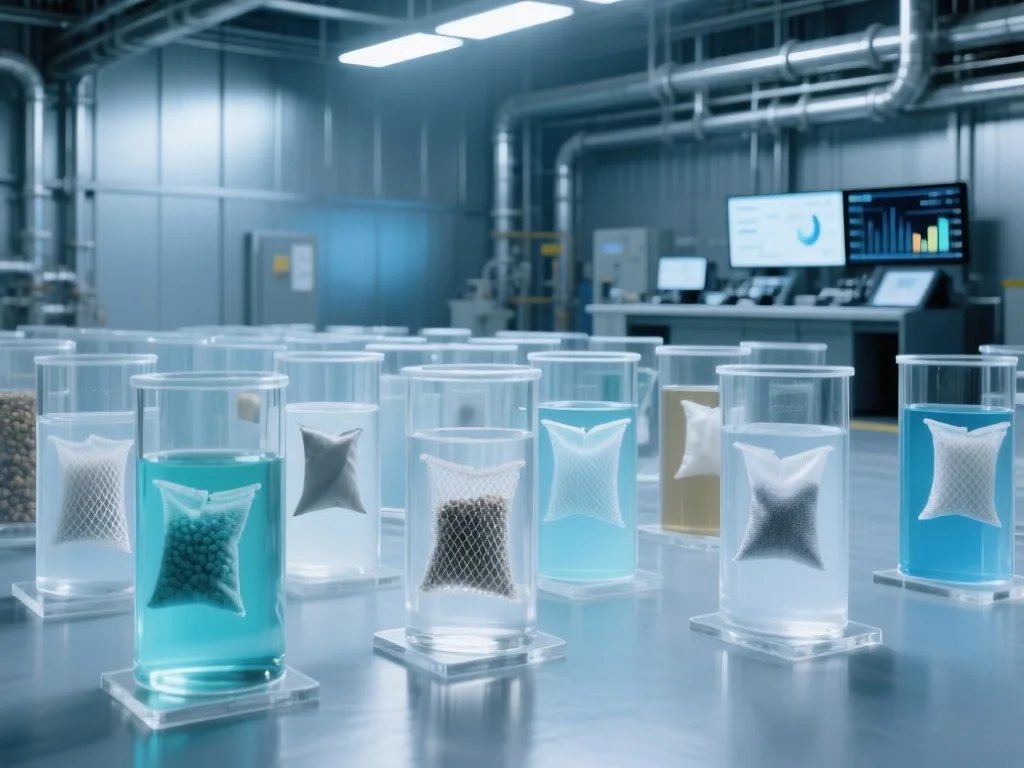
When it comes to industrial filtration, selecting the right liquid filtration bags is crucial for maintaining operational efficiency and avoiding costly downtime. But with so many options available, how can you ensure you’re making the best choice for your specific needs? This comprehensive guide will walk you through the key factors to consider, from material compatibility to filtration efficiency and size specifications. By the end, you’ll have the knowledge to confidently choose liquid filtration bags that optimize your filtration process and support your industrial goals. Ready to dive in?

Understanding Material Compatibility in Liquid Filtration Bags
Choosing the right liquid filtration bag isn’t just about finding something that fits your system—it’s about ensuring compatibility with the chemicals you’re filtering and the operating conditions you face. The material of your filtration bag plays a critical role in determining its effectiveness, durability, and safety. But with so many options available, how do you know which one is best for your specific needs? Let’s dive into the most common materials used in liquid filtration bags and explore their suitability for different chemicals and operating conditions.
Polypropylene: The Versatile Choice
Polypropylene (PP) is one of the most widely used materials for liquid filtration bags due to its excellent chemical resistance and affordability. It performs well in a wide range of applications, including filtering acids, alkalis, and organic solvents. PP bags are also resistant to abrasion and can withstand temperatures up to 200°F (93°C), making them suitable for many industrial processes. However, they may not be the best choice for high-temperature applications or strong oxidizing agents, as these can degrade the material over time. If you’re looking for a reliable, all-purpose filtration bag, polypropylene is a great starting point. For precision filtration needs, consider Liquid Filtration Bags Precision 25 Micron for Industrial Beverage Use.
Polyester: Ideal for High-Temperature Applications
Polyester (PE) filtration bags are known for their exceptional heat resistance and durability. They can handle temperatures up to 300°F (149°C), making them ideal for hot liquid filtration processes. PE bags also offer excellent resistance to most acids and alkalis, though they may not perform as well with certain organic solvents. Additionally, polyester is less prone to stretching or deformation compared to other materials, ensuring a consistent fit and filtration performance over time. If your operations involve high temperatures or aggressive chemicals, polyester is worth considering. For high-efficiency filtration solutions, explore Industrial Liquid Filters High Efficiency Filtration for Diverse Industries.
Nylon: Strong and Chemical-Resistant
Nylon filtration bags are prized for their strength and chemical resistance. They can withstand a wide range of chemicals, including many acids, alkalis, and organic solvents, making them suitable for diverse industrial applications. Nylon also has a higher melting point than polypropylene, allowing it to handle temperatures up to 350°F (177°C) in some cases. However, nylon can be more expensive than other materials, and its performance may vary depending on the specific chemical composition of the liquid being filtered. If you need a robust filtration bag that can handle tough conditions, nylon is a solid option. For high-quality filtration solutions, check out Liquid Filtration Bags Precision High Quality Filtration Solutions.
PTFE: The Ultimate in Chemical Resistance
For applications involving highly corrosive chemicals or extreme temperatures, PTFE (polytetrafluoroethylene) filtration bags are the gold standard. PTFE is virtually impervious to most chemicals, including strong acids, alkalis, and solvents, and can withstand temperatures up to 500°F (260°C). This makes it ideal for use in chemical processing, pharmaceutical manufacturing, and other demanding industries. However, PTFE bags are significantly more expensive than other materials, and their rigid structure may not be suitable for all filtration systems. If you’re dealing with aggressive chemicals or high temperatures, PTFE is the best choice—but be prepared to pay a premium for its superior performance. For high-precision filtration applications, consider Industrial Liquid Filters High Precision Filtration for Diverse Applications.
Choosing the Right Material for Your Needs
When selecting a material for your liquid filtration bag, consider the specific chemicals you’ll be filtering, the operating temperature, and the required flow rate. Ask yourself: Will the material hold up under the conditions of my process? Will it effectively remove contaminants without degrading or leaking? And is it cost-effective for my budget? By carefully evaluating these factors, you can choose a filtration bag that delivers optimal performance and longevity. Remember, the right material isn’t just about compatibility—it’s about ensuring your filtration system runs smoothly and efficiently, day in and day out. For a high-efficiency solution for industrial separation, explore Bag Filter for Liquid Filtration High Efficiency Solution for Industrial Separation.
Assessing Filtration Efficiency
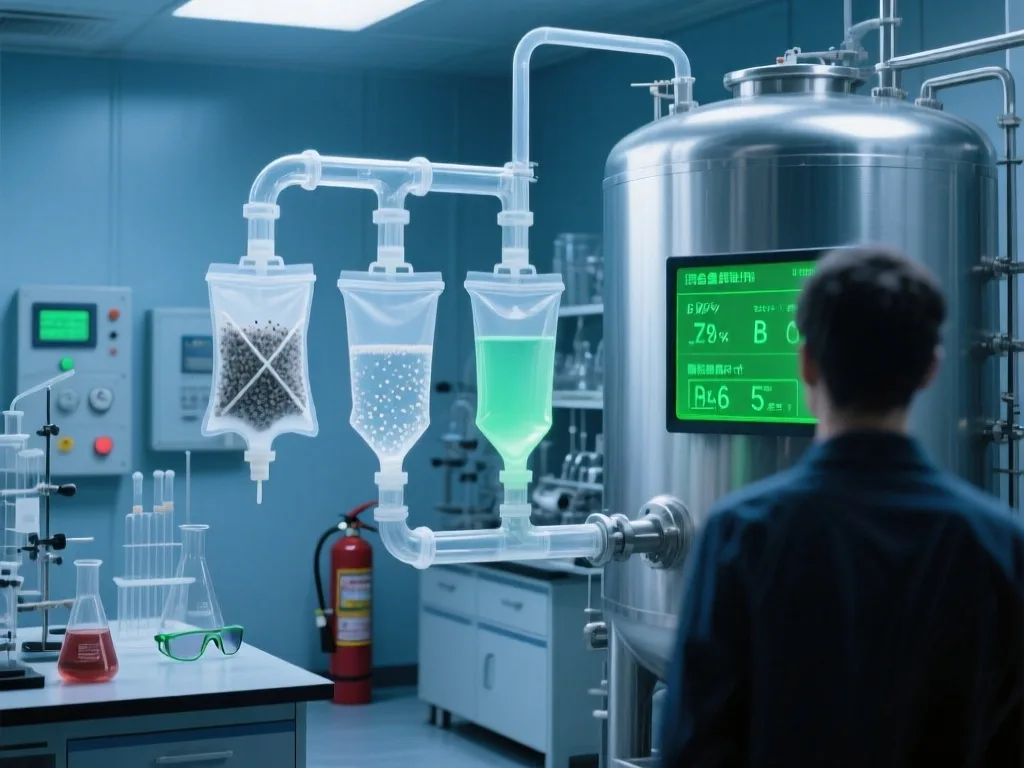
When it comes to selecting the right liquid filtration bags, understanding how to measure and compare filtration efficiency is crucial. Why? Because filtration efficiency directly impacts the quality of your final product, the lifespan of your filtration system, and the overall operational costs. So, how exactly do you determine filtration efficiency, and what factors should you consider to ensure optimal performance and minimal downtime? Let’s dive in and explore the key metrics and methods used to evaluate filtration efficiency, helping you make informed decisions for your industrial filtration needs.
Key Metrics for Filtration Efficiency
Filtration efficiency isn’t just about how much particulate matter a bag can trap; it’s a multifaceted concept that involves several key metrics. The most common metric is the beta ratio (β), which compares the number of particles entering the filter to the number of particles exiting it. For example, a β ratio of 1000 means that for every 1000 particles entering the filter, only one particle exits, indicating a high level of efficiency. Another important metric is the particle retention size, which refers to the smallest particle size that the filter can reliably capture. This is often expressed in microns, and choosing the right retention size depends on your specific application and the cleanliness requirements of your process. Additionally, the dirt-holding capacity of a filtration bag is a critical factor. This refers to the amount of particulate matter the bag can hold before it becomes clogged and requires replacement. A higher dirt-holding capacity means fewer bag changes, reducing downtime and maintenance costs.
Comparing Filtration Efficiency Across Different Bags
Now that you understand the key metrics, how do you compare filtration efficiency across different liquid filtration bags? Start by reviewing the manufacturer’s specifications, which should provide detailed information on the beta ratio, particle retention size, and dirt-holding capacity. However, don’t rely solely on these numbers; real-world performance can vary based on factors like flow rate, pressure drop, and the specific chemicals being filtered. One effective way to compare filtration efficiency is to conduct side-by-side tests using samples of different bags in your actual filtration system. This allows you to observe how each bag performs under your specific operating conditions, providing valuable insights into their efficiency, lifespan, and overall effectiveness. Additionally, consider consulting with industry experts or reviewing case studies from similar applications. These resources can offer practical insights and help you avoid common pitfalls when selecting filtration bags.
The Role of Flow Rate and Pressure Drop
Flow rate and pressure drop are two interconnected factors that significantly influence filtration efficiency. Flow rate refers to the volume of liquid passing through the filter per unit of time, while pressure drop is the decrease in pressure as the liquid flows through the filter. A high flow rate can increase the risk of particle bypass, reducing filtration efficiency, especially if the bag’s particle retention size isn’t suitable for the application. On the other hand, a low flow rate can lead to longer filtration times, impacting productivity. Pressure drop is equally important; a high pressure drop can strain your filtration system, leading to increased energy consumption and potential damage to the system components. It can also cause the filtration bag to collapse or burst, resulting in costly downtime and cleanup efforts. To optimize filtration efficiency, it’s essential to select a bag that balances flow rate and pressure drop, ensuring reliable performance without compromising the quality of your filtration process. For more scientific insights on filtration mechanisms, you can explore this research article.
Practical Tips for Assessing Filtration Efficiency
Assessing filtration efficiency doesn’t have to be a complex or time-consuming process. Here are some practical tips to help you get started: First, clearly define your filtration goals. Are you looking to remove large particulates, fine sediments, or specific contaminants? Knowing your objectives will guide your selection of the right metrics and testing methods. Second, consider the operating conditions of your filtration system, including temperature, pressure, and chemical compatibility. These factors can influence the performance and lifespan of your filtration bags, so it’s crucial to choose bags that can withstand your specific environment. Third, don’t overlook the importance of regular maintenance and monitoring. Even the most efficient filtration bags will eventually become clogged or worn, so it’s essential to establish a routine for inspecting and replacing bags as needed. Finally, leverage the expertise of your filtration bag supplier or manufacturer. They can provide valuable guidance on selecting the right bags for your application and offer insights into optimizing filtration efficiency based on their experience and industry knowledge.
Determining the Right Size Specifications
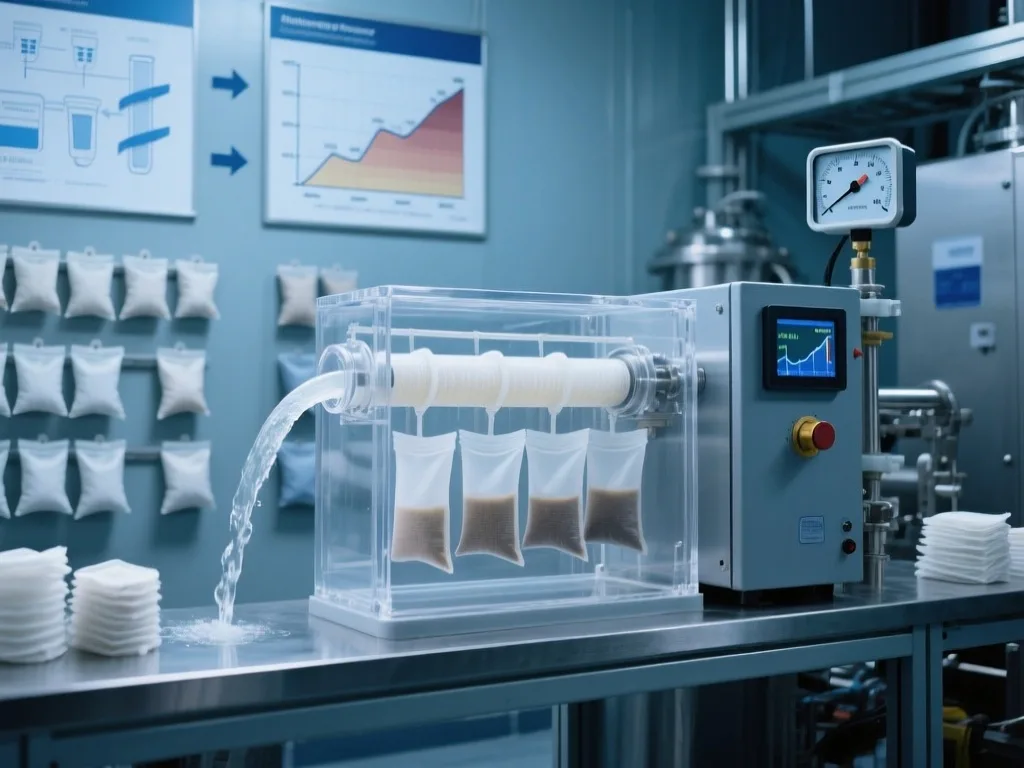
Choosing the right size for your liquid filtration bags isn’t just about fitting them into your system—it’s about optimizing performance, reducing maintenance costs, and ensuring long-term reliability. If you’ve ever wondered why some filtration systems operate smoothly while others struggle with pressure drops or inconsistent flow rates, the answer often lies in the size of the filtration bags. Let’s break down why size matters and how to get it right for your specific needs. When it comes to liquid filtration, flow rate and pressure drop are two critical factors that directly impact system efficiency. Flow rate refers to the volume of liquid passing through the filtration system per unit of time, while pressure drop measures the reduction in pressure as the liquid moves through the filtration media. These two metrics are interconnected, and selecting the wrong bag size can throw off the entire balance. For instance, a bag that’s too small for your system’s flow rate will clog quickly, leading to frequent replacements and increased downtime. On the other hand, a bag that’s too large may not provide enough surface area for effective filtration, allowing contaminants to pass through and compromising product quality. So, how do you strike the perfect balance? Start by understanding your system’s requirements. What’s the maximum flow rate your system can handle? What’s the acceptable pressure drop for your application? These numbers will serve as your baseline for selecting the right bag size.
The Impact of Bag Size on Flow Rate
Flow rate is heavily influenced by the size of your liquid filtration bag. Larger bags generally offer more surface area for filtration, allowing higher volumes of liquid to pass through without clogging. However, this doesn’t mean you should always opt for the largest bag available. If your system’s flow rate is relatively low, a large bag may not be fully utilized, leading to wasted space and potential inefficiencies. Conversely, a bag that’s too small for a high-flow system will become overwhelmed quickly, requiring frequent changes and increasing operational costs. To determine the optimal size, consider both your system’s peak flow rate and average flow rate. This will help you select a bag that can handle fluctuations without compromising performance. For example, if your system operates at 50 gallons per minute (GPM) on average but can spike to 75 GPM during peak periods, you’ll need a bag that can accommodate the higher flow rate without causing excessive pressure drop. For more technical details on sizing, refer to Technical Sizing Information for Bag Filter and Filter Housings.
Pressure Drop and Bag Size: Finding the Sweet Spot
Pressure drop is another critical factor to consider when selecting liquid filtration bag sizes. As liquid passes through the filtration media, it encounters resistance, which results in a drop in pressure. The size and design of the bag play a significant role in determining how much pressure is lost. A well-sized bag will minimize pressure drop while maintaining effective filtration. If the bag is too small, the liquid will have to force its way through a limited surface area, increasing resistance and causing a sharp drop in pressure. This can lead to reduced system efficiency and even damage to downstream equipment. On the flip side, an oversized bag may not provide enough resistance to properly filter contaminants, allowing them to pass through and contaminate your product. To find the sweet spot, calculate the acceptable pressure drop for your system and select a bag size that stays within this range. For most industrial applications, a pressure drop of 5-10 psi is considered acceptable, but this can vary depending on your specific needs. Consulting with a filtration expert or referring to manufacturer guidelines can help you make an informed decision. For a deeper understanding of pressure drop dynamics, check out Pressure Drop in Pipe Lines for Compressed Air.
Custom Sizing Options for Specialized Applications
Not all filtration systems are created equal, and sometimes standard bag sizes just won’t cut it. If you’re dealing with a unique application or challenging operating conditions, custom-sized liquid filtration bags may be the solution. Custom sizing allows you to tailor the bag’s dimensions to your specific system requirements, ensuring optimal fit and performance. Whether you need a bag with a larger diameter for increased surface area or a longer length for extended filtration time, custom options provide the flexibility to meet your needs. When considering custom sizing, work closely with your supplier to ensure the bags are designed to withstand your system’s flow rate and pressure drop. Provide detailed specifications, including dimensions, material compatibility, and filtration efficiency requirements, to ensure the final product meets your expectations. Custom-sized bags may come at a slightly higher cost, but the benefits in terms of improved performance and reduced maintenance often outweigh the initial investment.
Practical Tips for Selecting the Right Bag Size
Now that you understand the importance of bag size, here are some practical tips to help you make the right choice: First, conduct a thorough assessment of your system’s flow rate and pressure drop requirements. Use flow meters and pressure gauges to gather accurate data. Next, consult with your filtration bag supplier or manufacturer. They can provide valuable insights into which sizes are best suited for your application based on their experience and product offerings. Don’t forget to consider future scalability. If you anticipate increases in flow rate or changes in operating conditions, opt for a bag size that can accommodate these changes without requiring a complete system overhaul. Finally, test different bag sizes under real-world conditions. This will give you a firsthand look at how each size performs and help you make a data-driven decision. By following these tips, you can select liquid filtration bags that enhance your system’s efficiency, reduce maintenance costs, and ensure consistent product quality. For additional insights on filtration system design, visit Advances in Filtration System Design.
Selecting the right liquid filtration bags is more than just a purchase—it’s an investment in your industrial process’s efficiency and reliability. By understanding material compatibility, assessing filtration efficiency, and determining the correct size specifications, you can ensure a seamless fit for your needs. Remember, the right choice can significantly enhance your filtration process and contribute to overall operational success. For further assistance or customized solutions, don’t hesitate to contact our experts today. What other filtration challenges are you looking to solve?